EN
EN

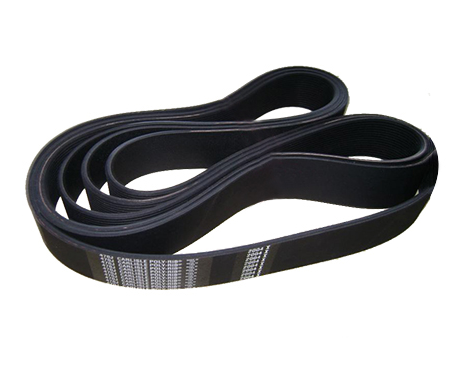
What OEM Specifications Really Mean for Car Belt Replacement
Material, Dimensional Tolerance, and Dynamic Load Testing Standards
When it comes to replacement car belts, OEM specs demand pretty exact material compositions and manufacturing precision to replicate how the original parts performed. The rubber used, specifically Ethylene Propylene Diene Monomer or EPDM, needs to hold up against extreme heat conditions above 248 degrees Fahrenheit (that's 120 Celsius) yet still stay pliable even when temps drop to minus 40 degrees both Fahrenheit and Celsius. Getting the dimensions right matters a lot too. If those rib pitches vary more than half a millimeter, alignment issues start happening. And if belt lengths differ by more than 0.3 percent from what they should be, tensioners will throw errors. Manufacturers run dynamic load tests where belts spin at 15,000 RPMs to check their strength under realistic stress scenarios. These tests help spot potential cracks or layers separating before they become problems. According to research done by automotive engineers through SAE standards, following all these rules actually stops around three out of four belt failures that happen too soon after installation.
How OE-Spec Fitment Ensures Pulley Alignment, Tension Stability, and Noise Control
Car belts that are precision engineered to meet original equipment specs keep those pulley contact angles right around 15 to 22 degrees, which stops those annoying harmonic vibrations from causing belt slippage. The automatic tensioners need to be set between roughly 80 to 120 pounds of force (or about 356 to 534 Newtons) to maintain good contact with all those accessory pulleys. This helps cut down on sudden load increases by almost half compared to belts that don't meet these standards. Getting the fit just right keeps noise levels under control, typically below 68 decibels. That's really important for hybrids and electric cars where people can actually hear those accessory noises. When everything lines up properly, it also makes a big difference in how long water pumps and alternators last because it prevents those sideways forces that wear components out faster over time.
Serpentine Belts: The Dominant Car Belt Type Meeting Modern OEM Requirements
EPDM Compound Integrity, Rib Geometry, and Heat Resistance Compliance
Serpentine belts have become the go to solution for most modern vehicles because they meet strict manufacturer requirements for materials and dimensions. Made from EPDM rubber, these belts can handle serious heat, standing up to temperatures over 130 degrees Celsius without breaking down. They also resist damage from ozone and coolants that might otherwise eat away at regular rubber components. The ribs on these belts are carefully designed with around six to eight grooves angled at about 40 degrees, which helps transfer power efficiently between parts. Manufacturers keep tolerances really tight too, within plus or minus 0.3 millimeters, so there's no slipping during operation. To ensure quality, belt makers run accelerated aging tests that simulate driving over 100 thousand miles worth of wear and tear. According to industry standards, good quality belts should retain at least 95% of their original strength even after sitting in hot engine compartments for 1,000 hours straight at 150 degrees. What makes all this work is the special mix of polymers combined with those precisely shaped ribs, allowing one belt to power several important car systems like alternators, water pumps, and air conditioning units without losing effectiveness, even when engines get extremely hot.
Real-World Validation: Gates Micro-V® vs. Ford OEM Serpentine Belt (2021 F-150 3.5L EcoBoost)
Testing done on Gates Micro-V belts compared to Ford's original equipment belt in the 2021 F-150 3.5L EcoBoost engine showed they perform pretty much the same way. When put through those 500 thermal cycles from -20 degrees Celsius all the way up to 140 degrees, both kept their tension within about 2% difference. That's actually quite impressive given the extreme temperature range. As for noise levels, neither belt made more than 82 decibels when running at 6,500 RPMs. The rib shear resistance numbers were also very close together, with the factory belt measuring 18.2 Newtons per millimeter and the Gates belt coming in just slightly behind at 17.9 N/mm. Even after simulating 60,000 miles of driving conditions, there was no cracking observed in either belt that would exceed what SAE J1459 standards consider acceptable. So what does this mean? Premium quality aftermarket alternatives can hold their own against OEM parts when it comes to maintaining proper dimensions, controlling noise output, and handling the stresses of regular operation.
Legacy and Niche Car Belt Types with OEM-Certified Applications
V-Belts, Wedge Belts, and Cogged Belts in Older or Specialty Powertrain Systems
Serpentine belts are definitely the norm these days in most vehicles on the road. But older belt types still have their place in certain situations. Take V-belts for instance they keep getting certified by manufacturers for vintage cars and heavy duty machines because they just work so well with their straightforward construction and excellent traction. Then there are wedge belts that really shine when it comes to transferring power efficiently in those tight spaces where accessories need to fit together, especially common in farm equipment setups. And don't forget about cogged versions either these special designs actually make life easier for engines with limited clearance since they bend much better without causing wear issues over time.
These niche belts meet strict OEM specifications through:
- Material integrity: Natural rubber compounds resisting heat up to 185°F
- Dimensional tolerance: ±0.5mm width accuracy ensuring pulley alignment
- Dynamic validation: 500-hour fatigue testing matching original equipment
Specialty powertrains—including vintage engines, marine thrust systems, and heavy-duty compressors—rely on these certified solutions. Proper selection prevents premature failure in high-vibration environments where modern multi-rib belts prove unsuitable.
OEM vs. Top-Tier Aftermarket Car Belts: When Performance Parity Is Achievable
Durability Data from AAA 2023 Belt Failure Survey (Gates, Dayco, Bando vs. OEM)
According to the AAA's 2023 Belt Failure Survey, premium aftermarket car belts made by companies like Gates, Dayco, and Bando last just about as long as original equipment manufacturer parts. The study tracked over 50,000 vehicles for three whole years before coming to this conclusion. Why do these belts perform so similarly? Well, many of the big name suppliers actually put their products through pretty intense material tests and stick to strict manufacturing standards. Some even make parts for both factory installed belts and those sold later on. We did notice some differences though, mostly when cars were running at really high temperatures for extended periods. In those situations, factory belts failed about 2% less often than their aftermarket counterparts. Still, what this shows is pretty clear: if consumers go with certified aftermarket belts from makers who meet original equipment specs, they get dependable replacement parts at a much better price point.
FAQs About Car Belt Replacement
What are OEM specifications in car belt replacement?
OEM specifications refer to the standards and requirements set by the Original Equipment Manufacturer that replacement parts must meet to replicate the performance and reliability of the original parts.
Why is EPDM rubber preferred for car belts?
EPDM rubber is preferred for its excellent heat resistance, flexibility in extreme cold, and durability against ozone and coolants, making it ideal for maintaining belt integrity over time.
What is the significance of dimensional tolerance in car belts?
Dimensional tolerance ensures that belts fit accurately to maintain proper pulley alignment, tension stability, and noise control, reducing the risk of premature belt failure.
How do serpentine belts meet OEM requirements?
Serpentine belts meet OEM requirements by using EPDM rubber for heat resistance, maintaining precise rib geometry, and undergoing rigorous testing to ensure material strength and durability.
Table of Contents
- What OEM Specifications Really Mean for Car Belt Replacement
- Serpentine Belts: The Dominant Car Belt Type Meeting Modern OEM Requirements
- Legacy and Niche Car Belt Types with OEM-Certified Applications
- OEM vs. Top-Tier Aftermarket Car Belts: When Performance Parity Is Achievable
- FAQs About Car Belt Replacement