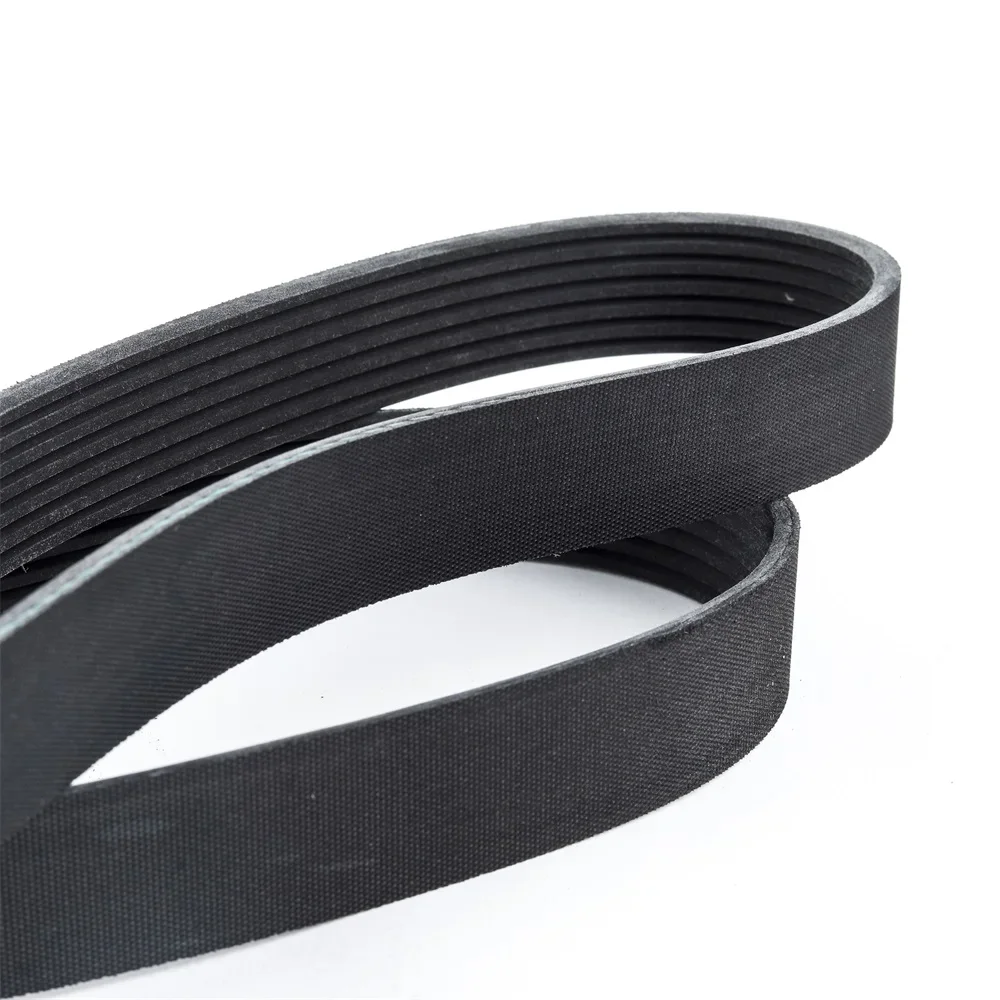
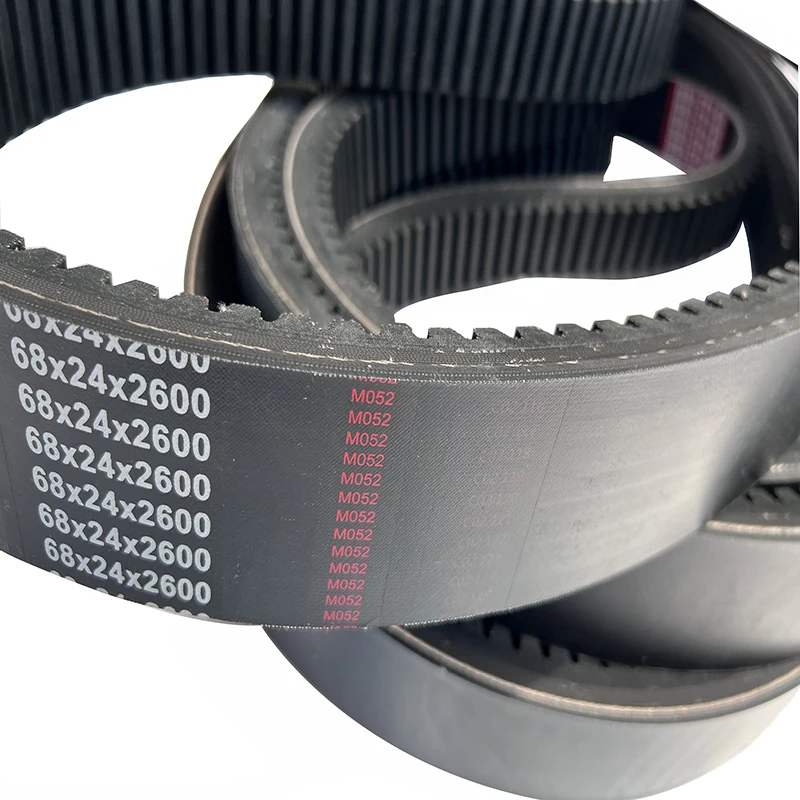
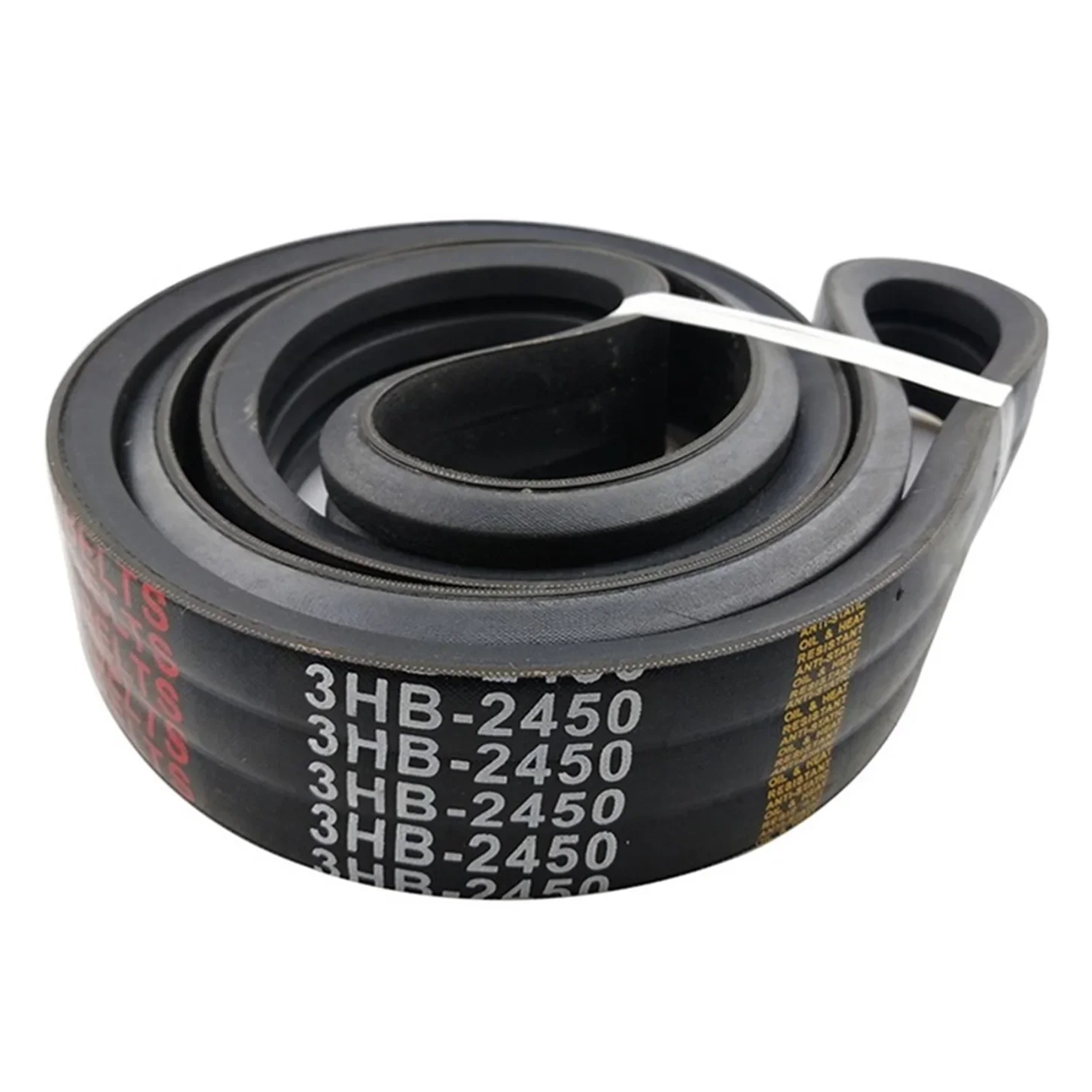
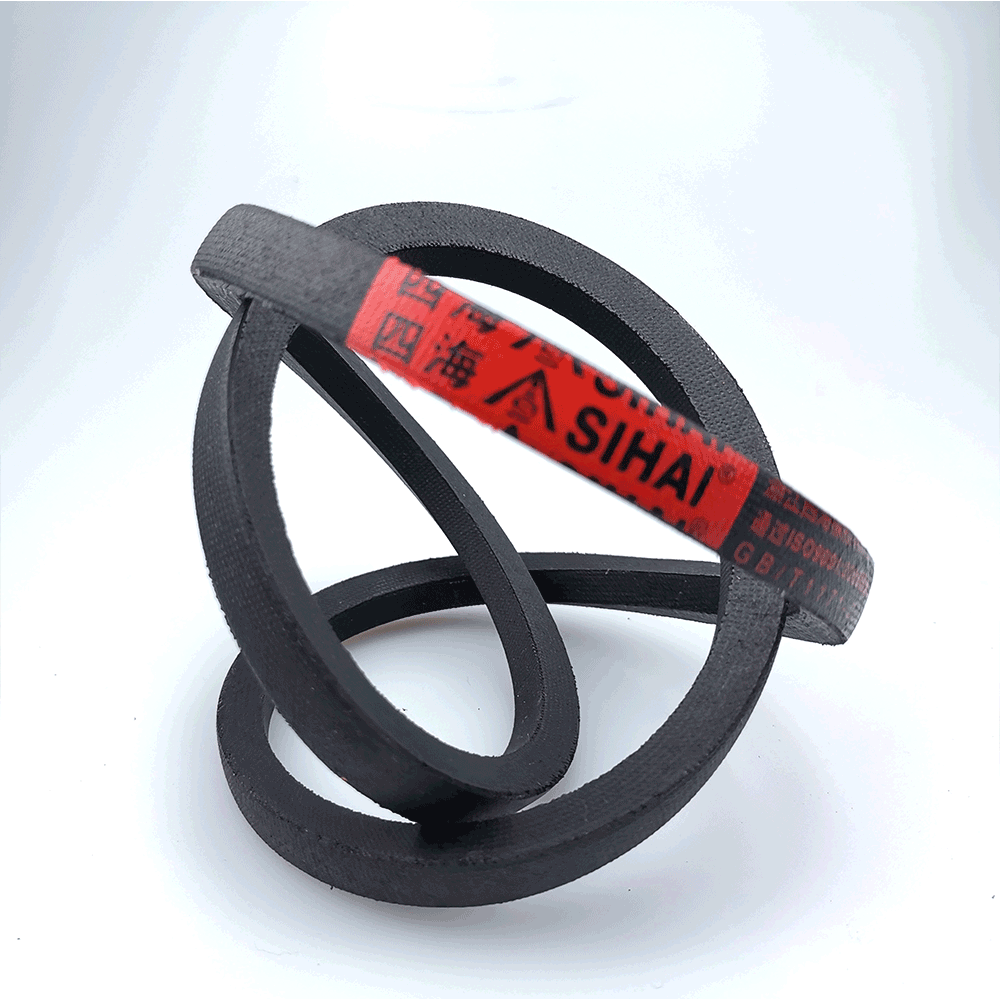
The deck belt plays a really important role in how power gets from the engine to where it needs to go on a lawnmower. When the engine starts running, it spins what's called the PTO shaft, and then all that spinning motion moves through these belts that have just the right amount of tightness. These belts are what actually make those blades under the mower deck start cutting grass. If everything works right, most of the engine's power makes it down to the blades. We're talking about something like 95% getting through when things are properly set up. But if there's any problem with how the belt sits or how tight it is, the whole system suffers. Misaligned belts or ones that aren't tightened correctly will cause the blades to spin slower than they should, making for uneven cuts and frustrated gardeners everywhere.
Belt slippage leads to measurable efficiency losses across three key areas:
These issues arise because energy is dissipated as friction heat rather than being used for cutting. Notably, performance decline often occurs before visible wear appears on the belt, making proactive maintenance essential.
Research shows that even minimal elongation causes disproportionate power loss—each 0.5mm of belt stretch reduces blade RPM by 12–18%. This underscores the importance of dimensional stability in maintaining efficiency. Premium belts address this with:
These design features preserve torque fidelity, especially in demanding conditions like dense turf or sloped terrain, where standard belts quickly degrade.
When looking at how well a deck belt works, there are basically four key material characteristics to consider. First off, tensile strength (measured in pounds force) tells us how resistant the belt will be to breaking when the blades engage with high torque. Then we have heat resistance, which stops the belt from getting too stiff or developing cracks once the inside of the deck gets hotter than 200 degrees Fahrenheit. The splice area matters too. A good quality belt should have a bond between sections that's just as strong as the rest of the belt itself, so it doesn't suddenly fail when put under stress. Lastly, flex fatigue life speaks to how long the belt lasts. Better belts can handle over 500 bends back and forth without showing any surface cracks. All these aspects work together to keep the belt properly tensioned and performing reliably even when cutting through tough grass conditions day after day.
Material selection directly influences performance across thermal resilience, power transfer, and lifespan:
| Material | Thermal Stability (°F) | Torque Transfer Loss | Service Life (Hours) |
|---|---|---|---|
| EPDM | Up to 300°F | 12–18% | 150–200 |
| HNBR | Up to 350°F | 8–12% | 250–300 |
| Aramid-reinforced | Up to 400°F | 3–7% | 400+ |
EPDM belts are pretty good at resisting ozone damage without breaking the bank, though they do tend to stretch about half a millimeter every hundred hours of operation. This stretching can cause problems with RPM when cutting through thick grass. Moving up to HNBR compounds gives much better protection against oils and generally lasts around thirty percent longer in real world commercial settings. For those really tough jobs, aramid reinforced belts come into play. These have woven fibers that help keep them from stretching so much, which means blades stay properly synchronized even when pushing hard against heavy loads. The downside? They cost roughly forty percent more upfront. Choosing between these options really comes down to what kind of environment the equipment will face daily. HNBR works great in damp places where EPDM tends to break down over time due to moisture exposure. But if someone needs maximum power transfer on steep hills or rough terrain, then going with aramid reinforcement becomes absolutely necessary for maintaining proper torque throughout operation.
Deck belts on riding mowers face much harsher conditions compared to those on walk behind models. Keeping the two blades working together just right is really important because if they get even slightly out of sync, it can cause serious vibrations that damage components over time. When mowing hills, the deck tilts forward which creates sideways forces that push the belts away from their proper position on the pulleys. All these forces become especially intense when running for long periods through tough grass situations where heat builds up fast. Belt temps often reach well over 200 degrees Fahrenheit from all this friction. For this reason, belts need to be built tougher than what's considered normal for regular duty applications.
When a deck belt starts going bad, it sets off a whole series of problems in the lawnmower's drive system. The belt slips around, making the engine speed jump all over the place. This makes the PTO clutch work harder than normal, which wears down those friction plates at about double the usual rate. Meanwhile, the belt tension gets all messed up over time and bends those metal brackets that hold the deck in place. Once those brackets warp, everything else goes out of alignment too. The pulleys start sitting crooked, putting extra strain on what's already a weak spot. Eventually this affects the bearings and spindles as well, so what began as just a worn belt turns into major repairs across the whole machine. Catching these issues early makes all the difference before small fixes turn into big money pits down the road.
How accurately something is manufactured really matters for how well it performs, especially when we're talking about those tiny dimensional differences. Original equipment manufacturer (OEM) belts typically hit the bare minimum specs required, but many high quality aftermarket alternatives actually hold their shape much better, usually within around 0.3mm tighter tolerances. What does this actually mean? Well, when belts fall outside these tight measurements, they start slipping slightly against pulleys. Studies looking at drivetrains show this can cut down on power transfer efficiency anywhere from 9% all the way up to 14%. And that wasted energy doesn't just disappear it translates into higher fuel consumption over time and puts extra strain on parts such as the PTO clutch. If someone wants their machinery to keep running smoothly for longer periods, going for belts that have been tested and certified for consistent dimensions makes sense. These will help reduce those annoying little energy losses that add up day after day in any operation.
Optimal replacement timing depends on quantifiable environmental stressors:
| Wear Factor | Impact on Belt Lifespan | Maintenance Adjustment |
|---|---|---|
| High grass density | 30–40% faster wear | 25% shorter replacement cycle |
| Sloped terrain (>15°) | 20% increased tension stress | Bi-weekly tension checks |
| >8 hours/week usage | Accelerated flex fatigue | 6-month inspection protocol |
Operators exceeding 500 annual mowing hours should replace belts at 80% of the manufacturer’s recommended interval, as flex fatigue accumulates under continuous load. Pair belt inspections with deck alignment checks to prevent secondary component damage and ensure long-term cutting efficiency.
Deck belt slippage can be caused by improper tensioning, misalignment, or wear and tear. Ensuring the belt is correctly adjusted and replacing it when necessary can prevent slippage.
Correct belt tension allows efficient power transfer from the engine to the cutting blades. A loose belt may slip and reduce power delivery, while an overly tight belt can cause stress and wear on the system.
Aftermarket belts often have tighter manufacturing tolerances, which enhance pulley grip and energy transfer. They are more durable and efficient compared to standard OEM belts.
The replacement cycle depends on usage conditions, grass density, terrain, and mowing hours. Regular inspections and adherence to manufacturer guidelines are recommended to maintain efficiency.
 Hot News
2025-11-28
2025-11-28
2025-07-01
2025-06-10
2025-06-06
2025-07-03

Zhejiang Sihai New Material Co., LTD provides high-quality rubber conveyor belts, transmission belts, and industrial hoses. Our durable, heat-resistant belts are ISO 9001 certified and exported to 30+ countries. Trusted by global industries for reliability and innovation. Request a quote today.
No. 21, Dong'an Road, Hongchou Town, Taizhou, Zhejiang, China
Copyright © 2025 by Zhejiang Sihai New Materials Co., Ltd. Privacy Policy
 EN
EN