EN
EN

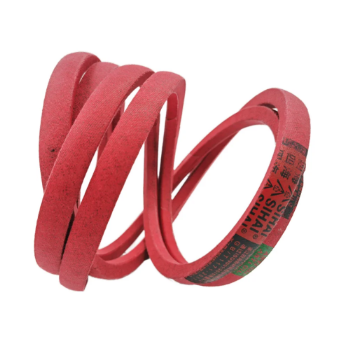
Deck Belt Material Science: Engineering for High-Torque Durability
Aramid and Kevlar reinforcement for superior tensile strength and flex fatigue resistance
Deck belts today are made with these fancy synthetic materials such as aramid and Kevlar that can handle really tough working conditions. The stuff inside makes them last about three times longer than regular belts because they don't stretch out when there's lots of force applied (Material Handling Institute reported something similar back in 2022). What happens is their strong molecular makeup stops those tiny tears from forming while the belt bends quickly around pulleys, which means no more sudden breaks like we see in older belt designs. For anyone who deals with thick grass or rough ground, this results in steady power delivery throughout the whole operation without any drop off in how well things work.
Heat-resistant rubber compounds and steel-cord composites for sustained thermal stability
The special blend of hybrid rubber stays flexible even when temps go above 250 degrees Fahrenheit or around 120 Celsius. Steel cords built right into these materials stop them from getting deformed under heavy loads. What makes this two part approach work so well is that it keeps belts intact in really hot environments where regular rubber tends to get stiff and start cracking apart. According to tests done in real world situations, these heat resistant belts still have about 92 percent of their original flexibility after running for 300 hours straight, as reported by the Rubber Manufacturers Association back in 2023. This means fewer belt changes during busy seasons, which saves time and money for maintenance crews dealing with industrial equipment.
Deck Belt Design Advantages: Why Cogged V-Belts Dominate Lawn Mower Applications
When it comes to lawn mower deck systems, cogged V-belts really stand out from regular belts thanks to some smart design improvements. The grooves built into these belts cut down on internal friction, which means they run cooler too. Tests show temps can drop around 20% compared to solid belts after long mowing sessions, and this matters because heat buildup is what usually kills belts first in those high torque situations. Another thing that makes them work better is their notched shape. This lets the belt bend easier around smaller pulleys without losing much power transfer efficiency, somewhere around 98%, so there's no slippage even when dealing with tough conditions like cutting through damp or thick grass. Plus, the special open-cog design helps push away debris naturally, keeping grass bits and dirt from getting stuck where they cause wear or make things misalign over time. Industry tests back this up showing these belts last about 30% longer than standard ones. For homeowners and businesses alike, this kind of reliability translates directly into fewer breakdowns and lower maintenance costs in the long run.
Real-World Stressors That Challenge Deck Belt Longevity
Lawn mower deck belts endure relentless physical and thermal assaults during operation. Understanding these stressors is critical for maximizing service life.
Abrasion from grass clippings, dirt, and misaligned pulleys
When grass clippings and dirt get caught in belts, they become little grinding machines that wear down surfaces over time. This wears away at the belt cover and weakens the whole structure from within. If pulleys aren't lined up right, things get even worse because the belt rubs against different spots unevenly. We've seen belts last almost half as long when pulleys are misaligned compared to when everything lines up properly. And don't forget about all that constant bending around those pulleys either. The material gets tired especially fast along the sides of the belt, which is exactly where most cracks start forming first.
Thermal degradation during extended mowing in high ambient temperatures
Running equipment for too long causes serious heat problems, particularly when outside temps climb past 90 degrees Fahrenheit. The rubber parts start to lose their flexibility once things get consistently hot around 140°F mark, turning stiff and likely to crack under stress. What happens next is pretty alarming really the breakdown from heat gets worse much faster every extra 15 minutes that machinery keeps running nonstop. Inside those rubber components are steel cords that just cant handle the extreme heat either, which weakens them somewhere between 12 to maybe even 18 percent according to what we know about material wear. If there's no regular break from all this heat, then during those sweltering summer months, overheating will almost certainly be what finally brings everything down.
Proven Maintenance Strategies to Maximize Deck Belt Lifespan
Optimal tension calibration: Balancing slippage prevention and bearing/belt fatigue
Getting the right tension on a deck belt is all about finding that sweet spot between keeping it from slipping and not putting too much strain on the machinery. If there's too much slack, the belt will slip when heavy loads are applied, which wears down the belt faster and creates heat that can get dangerously hot over 150 degrees Fahrenheit. On the flip side, making the belt too tight puts extra pressure on the pulley bearings, sometimes stretching the belt material and risking cracks in the core. According to industry tests, most equipment works best when the belt deflects about half an inch for every foot of space between points. Checking vibrations as the belt engages gives quick clues about what's going on inside the system. Strange sounds often mean something isn't aligned properly or the tension has changed. To keep things running smoothly, maintenance crews should check belt tension once a month with proper tools and look closely at the pulley grooves for any dirt buildup that might throw off balance. Getting these details right cuts down on premature belt failures by around three quarters according to turf equipment research, adding hundreds of hours before replacement becomes necessary. Whenever unsure about settings, always refer back to what the manufacturer recommends or bring in someone who knows how to do proper calibration.
Frequently Asked Questions (FAQ)
What are aramid and Kevlar in deck belts?
Aramid and Kevlar are synthetic materials used in deck belts to provide superior tensile strength and resistance to flex fatigue. These materials help the belts last longer and avoid stretching under force.
How do heat-resistant rubber compounds benefit deck belts?
Heat-resistant rubber compounds and steel-cord composites allow deck belts to maintain their flexibility and performance even in elevated temperatures, reducing the need for frequent belt changes.
Why are cogged V-belts preferred for lawn mowers?
Cogged V-belts are favored for lawn mowers due to their reduced internal friction, cooler operation, and ability to efficiently transfer power even in challenging mowing conditions.
What real-world factors challenge deck belt longevity?
Abrasion from grass clippings, dirt, misaligned pulleys, and thermal degradation due to high ambient temperatures are factors that can reduce deck belt lifespan.
How can maintenance extend the life of deck belts?
Proper tension calibration and regular maintenance checks help prevent slippage and excessive strain on belts, ensuring they last longer.