EN
EN

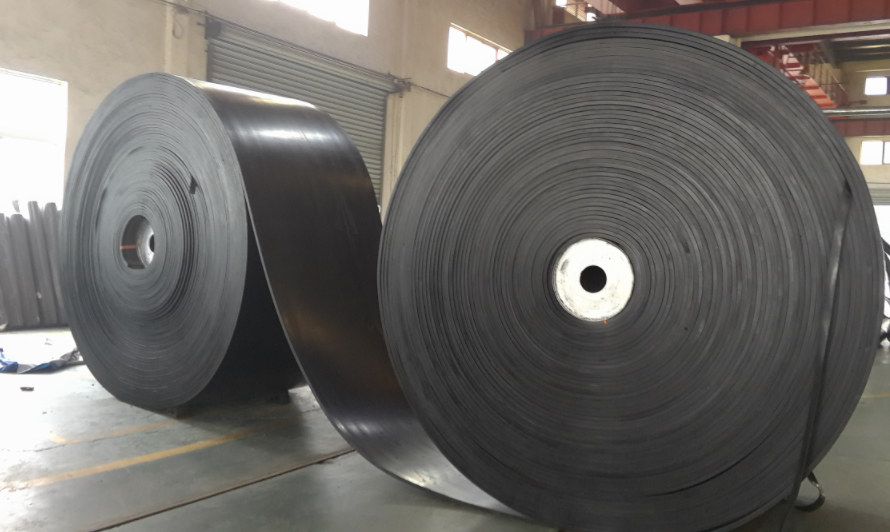
Abrasion-Resistant Conveyor Belt Materials for Coal Handling
Why Coal’s Angular Particles and High Impact Accelerate Belt Wear
The jagged pieces of coal function as natural abrasives because they have a Mohs hardness rating around 4.5, which allows them to cut microscopic grooves in conveyor belts while being transported. At transfer points where coal falls more than two meters, these sharp bits cause two main problems: constant scratching against the belt surface and repeated impacts that actually break down the long molecular chains in the polymer material. According to industry reports from mining operations, coal wears down conveyor belts at roughly triple the rate compared to smoother materials such as grains or pellets. Water makes things worse too since it reduces how much grip there is between coal and belt, leading to more sliding that erodes the surface. Wet conditions also let fine dust particles work their way into already damaged rubber sections, accelerating deterioration even further.
Rubber Compound Engineering: NBR, SBR, and Blended Polymers for Superior Abrasion Resistance
SBR or styrene-butadiene rubber has become pretty much the go-to material for those tough coal handling applications because it just doesn't tear easily and bounces back after getting stretched out. When manufacturers mix SBR with NBR rubber that stands up to oil spills from hydraulic systems, they see around a 40 percent improvement in wear resistance compared to regular natural rubber according to ASTM D5963 tests. Adding some precipitated silica actually makes the material tougher when it comes to tearing apart, whereas carbon black helps keep things cool under pressure. The latest formulas with better cross linking can handle tear forces beyond 180 kN per meter which matters a lot when conveyor belts need to carry loads heavier than 15 tons every hour without breaking down.
| Polymer Type | Key Advantage | Limitation |
|---|---|---|
| SBR | Superior gouge resistance | Moderate oil resistance |
| NBR Blend | Oil/fuel protection | Reduced cold flexibility |
| Proprietary Mixes | Balanced cut/tear profile | Higher cost |
Proper compounding extends operational lifespans by 60% compared to standard belts—particularly in high-impact zones such as crusher feeds and transfer chutes.
Flame-Retardant and Anti-Static Conveyor Belts for Underground Safety
Methane and Static Risks: Why Compliance with MSHA Part 14 Is Non-Negotiable
Underground coal mining operations face serious safety threats from built-up methane gas and static electricity buildup. Just one spark generated by conveyor belt friction can set off methane pockets in areas where ventilation is insufficient, leading to devastating explosions that have claimed lives in the past. The Mine Safety and Health Administration (MSHA) has strict rules under Part 14 that miners must follow. Conveyor belts need to incorporate what's called FRAS technology through specially formulated rubber compounds. These materials contain both fire retardants and conductive elements that work together to stop sparks before they become problems. Failing to meet these standards isn't just dangerous for workers but also extremely costly for mine operators who could face fines over a million dollars according to MSHA guidelines from 2023, plus forced plant closures and potentially fatal accidents for miners working below ground.
Key Performance Benchmarks: Surface Resistivity < 3×10⁸ Ω and Flame Spread ≤ 1.5 m/min
Safety validation hinges on two rigorously tested metrics:
- Surface resistivity must remain below 3×10⁸ Ω to ensure rapid dissipation of electrical charges—preventing static buildup from reaching spark thresholds.
- Flame spread must not exceed 1.5 meters per minute under standardized open-flame exposure, guaranteeing self-extinguishing behavior essential for confined tunnel environments.
Achieving both benchmarks requires modified polymer blends—such as NBR/SBR hybrids—formulated without carbon black to preserve conductivity. Third-party certification to ISO 340 provides auditable verification; field data from Appalachian mines confirms compliant belts reduce fire incidents by 92% versus non-certified alternatives (NIOSH 2023).
Conveyor Belt Carcass Design for Long-Term Durability in Wet, Dusty Coal Mines
The structural backbone of any mining conveyor system lies in its belt carcass—the load-bearing core determining longevity under punishing coal transport conditions. Selecting the right carcass design mitigates premature failure while reducing operational downtime.
How Moisture, Fine Coal Dust, and Repeated Impact Synergistically Degrade Belt Integrity
When textiles absorb water, their fibers swell up and the adhesive holding different layers together starts to fail. At the same time, tiny bits of coal smaller than half a millimeter work their way into these weakened areas, basically acting like sand inside machinery whenever it bends and moves. Larger pieces of falling coal weighing over fifty kilograms hit hard enough to create small tears in the material. These problems feed off each other actually: when rubber gets softened by moisture, it lets more dust particles penetrate deeper, and those initial cracks from impacts end up collecting even more abrasive dust over time. The combination of all these factors cuts belt lifespan roughly in half compared to what we see in completely dry conditions, plus the belts lose their strength about thirty percent quicker when exposed to both humidity and lots of dust floating around.
EP vs. NN vs. Solid Woven Carcasses: Tensile Retention and Fatigue Resistance in Simulated Mining Conditions
Accelerated testing replicating real-world coal mine stresses reveals distinct performance profiles:
- EP (Polyester-Nylon): Maintains >95% tensile strength when wet—thanks to polyester’s hydrophobicity—but sustains moderate impact damage (fails after 15,000 cycles at 30J impacts).
- NN (Nylon-Nylon): Absorbs high-energy shocks effectively (withstands 45J impacts) yet loses 20% tensile capacity when saturated, risking hazardous elongation.
- Solid Woven: Delivers near-original tensile retention in slurry conditions and withstands three times more impact cycles than EP or NN equivalents. Its monolithic weave eliminates inter-ply gaps—blocking dust ingress, the leading cause of delamination—and extends service life by 40% in combined moisture-dust simulations.
Solid woven constructions consistently outperform layered alternatives in fatigue resistance, making them optimal for high-wear coal operations where environmental stressors converge.
Real-World Performance: Validating Conveyor Belt Selection Through Field Results
Tests in coal mines where equipment gets beat up regularly show why specially made conveyor belts make sense. The abrasion resistant SBR/NBR mix covers last about 40% longer than regular rubber on those transfer chutes that move around 2500 tons every hour. Down underground, belts that meet MSHA flame resistance rules cut down on static problems by almost 80%, even though they keep their surface resistance under 3 times 10 to the 8th ohms. EP belts hold up much better against tearing after sitting in wet, dusty conditions for a year, showing about 63% more strength than NN belts. All told, field experience shows that only belts properly tested for coal mining conditions actually hit that 18 month lifespan mark in most heavy duty situations. Real world numbers from actual mines turn all those paper specs into something operators can count on when planning maintenance schedules.
FAQs
-
What materials are best for abrasion resistance in conveyor belts?
SBR and NBR blends are effective due to their superior tear and oil resistance, providing better wear performance than natural rubbers. -
Why is it important to comply with MSHA regulations for conveyor belts?
Non-compliance can lead to serious safety hazards including explosions from methane gas and substantial financial penalties. -
How does moisture affect conveyor belt performance?
Moisture causes textiles to swell and weakens adhesives, enabling fine coal dust to cause abrasion and shortening the belt's lifespan. -
What is the advantage of solid woven carcasses?
They offer superior tensile retention and block dust ingress, making them more durable in high-stress conditions compared to EP or NN carcasses.