EN
EN

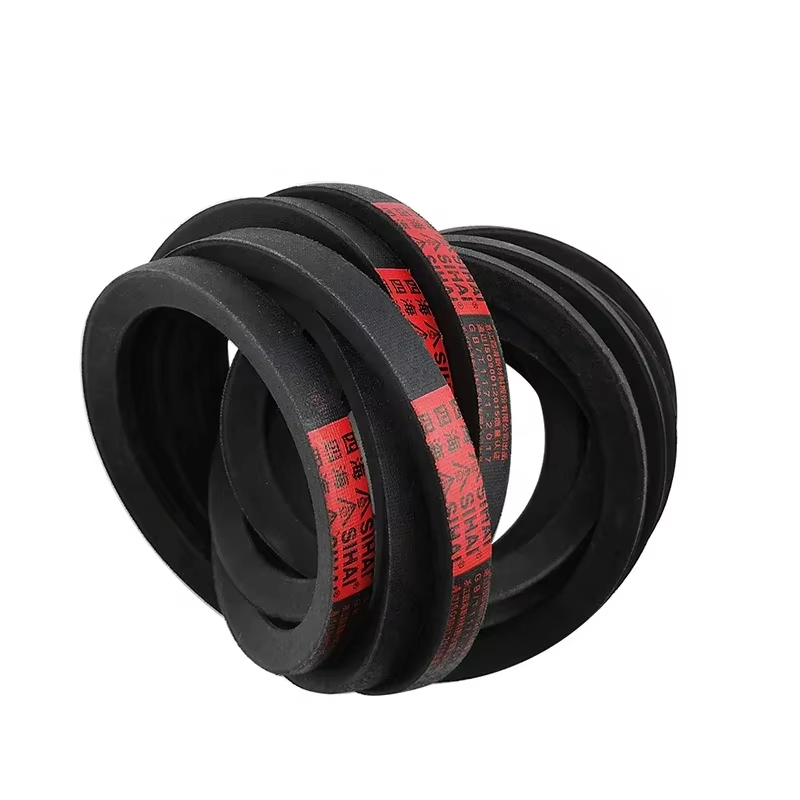
Mga Katangian ng Materyal: Paano Nagkakaiba ang mga Kostura na Gawa sa Karet at Polyurethane sa Ilalim ng Beban
Lakas sa Pagpapahaba, Elastisidad, at Estabilidad ng Sukat sa Dinamikong Operasyon ng mga Kostura
Ang mga drive belt na gawa sa polyurethane (PU) at goma ay nagpapakita ng lubhang magkakaibang mekanikal na pag-uugali kapag nasa ilalim ng karga. Ang malaki nitong tensile strength—312 kg/cm² kumpara sa 115 kg/cm² ng goma—ay nagpapahintulot sa PU na tumanggap ng mas mataas na karga nang hindi nababago ang hugis nito nang permanente. Ang kahanga-hangang elastisidad nito, kung saan ang pag-elongate bago pumutok ay umaabot sa 500–600% (kumpara sa 300% ng goma), ay nagbibigay-daan sa mga belt na gawa sa PU na absorbo ang biglang karga at mabilis na bumalik sa orihinal na hugis—na napakahalaga upang mapanatili ang tiyak na timing sa mga variable-speed drive. Ang dimensional stability ay lalo pang pabor sa PU: ang shrinkage nito ay limitado sa 33.5%, kumpara sa 35–40% ng goma, na binabawasan ang panganib ng slippage at pinabubuti ang katiyakan ng tracking. Sa huling yugto, ang PU ay nananatiling matigas sa loob ng isang malawak na operating range na −70°C hanggang +120°C, samantalang ang goma ay tumitigas sa ilalim ng −30°C at lumalamig sa itaas ng +50°C—na naglilimita sa kanyang kahusayan para sa mga aplikasyon na may mataas na thermal demand o para sa outdoor.
Ang resistance sa abrasion at pagbuo ng ingay—mga mahahalagang kadahilanan para sa depekto ng performance ng precision drive belt
Ang paglaban sa pagkaubos ay direktang nagpapasya sa haba ng buhay ng serbisyo at kadalasan ng pagpapanatili. Ang mga PU belt ay nakakamit ang isang abrasion index na 10—limang beses na mas mataas kaysa sa 2 ng goma—kasama ang napakahusay na paglaban sa pagkabura (58 kg/cm² laban sa 20 kg/cm²), na nagpapababa nang malaki sa pagkabuhaghag ng mga gilid at pagkabari ng ibabaw. Ang ganitong tibay ay lalo pang mahalaga sa mga kapaligiran na may mataas na bilang ng siklo o puno ng mga partikula. Nagkakaiba rin nang malinaw ang paglikha ng ingay: ang likas na damping properties ng PU ay pumipigil sa vibrasyon at nilalim ang stick-slip squeal na karaniwan sa mga rubber belt, na nahihirapan dahil sa mas mataas na friction at hindi pare-parehong surface compliance. Sa mga sistemang sensitibo sa ingay at nangangailangan ng mataas na kahusayan—tulad ng mga kagamitan sa medical imaging, mga instrumentong pang-analisis sa laboratoryo, o mga conveyor sa cleanroom—ang PU ay nagbibigay ng parehong acoustic performance at pangmatagalang reliability kung saan nabigo ang goma.
Pagganap at Katatagan: Habang ng Paggamit, Kapasidad sa Karga, at Kahusayan sa Pagpapasa ng mga Kordon sa Pagpapagalaw
Pangkalahatang paghahambing ng buhay-paggamit batay sa dami: Ang mga PU drive belt ay nagtatagal ng 2–3 beses na mas matagal kaysa sa goma sa mataas-na-cycle na packaging
Sa patuloy na mataas-na-cycle na mga aplikasyon tulad ng packaging machinery, ang mga PU drive belt ay konstanteng nagbibigay ng 2–3 beses na mas mahabang buhay-paggamit kaysa sa mga alternatibong goma. Ayon sa independiyenteng pagsusuri ng industriya, ang PU ay nananatiling may kahusayan sa istruktura nang lampas sa 1.5 milyong cycles, samantalang ang goma ay karaniwang nagkakaroon ng mikrokrack sa ibabaw pagkatapos ng humigit-kumulang 500,000 cycles—dahil sa mas mataas na molecular cohesion at abrasion resistance ng PU. Ang agwat sa tibay na ito ay lalong lumalawak sa mga madumi o abrasive na kondisyon, kung saan ang goma ay sumusunod ng 40% na mas mabilis dahil sa pumasok na mga partikulo na pabilis sa fatigue. Para sa mga operasyon na 24/7, ito ay direktang nagreresulta sa mas kaunting downtime: ang hindi inaasahang paghinto ay nagkakahalaga ng average na $740,000 bawat taon sa mga pasilidad ng industriya (Ponemon Institute, 2023), kaya ang mas mahabang buhay-paggamit ng belt ay isang nakukukuhang operasyonal na pananggalang.
Mga kompromiso sa kahusayan na nakabase sa bilis: Pagganap ng drive belt sa bilis na higit sa 5 m/s
Kapag higit sa 5 m/s, ang mga sentripugal na pwersa ay nagsisimulang dominahin ang dinamika ng belt—at ang mga mekanikal na kalamangan ng PU ay naging determinado. Sa 10 m/s, ang mga belt na gawa sa PU ay nakakapagpanatili ng 95–98% na kahusayan sa pagpapasa ng lakas dahil sa kanilang mas mataas na modulus (90–95 Shore A kumpara sa 70–80 ng goma), napakaliit na paglalawig (<2% kumpara sa 5–8% ng goma), at malaki ang pagbawas sa pagbuo ng init (ΔT ≈15°C na mas mababa kaysa sa goma). Sa kabilang banda, ang mga belt na gawa sa goma ay nakakaranas ng paulit-ulit na pagbaba sa kahusayan—ang pagkakalagay ay tumataas ng humigit-kumulang 0.5% bawat m/s—na bumababa sa 88–92% sa 8 m/s. Ang agwat na ito na 6–10 porsyento ay katumbas ng 10–15% na mas mataas na pagkonsumo ng enerhiya at pabilis na pagkasira ng mga bearing at shaft. Para sa mga mataas na bilis na sentrifuga, mga sistema ng pag-uuri, o mga awtomatikong linya ng pagpapakete, ang katatagan ng PU ay nagtiyak ng pare-parehong pagpapasa ng lakas, mas mababang thermal stress, at mas mahabang buhay ng mga karagdagang komponente.
Paglaban sa mga Panganib sa Kapaligiran: Langis, Kemikal, Temperatura, at Kaukupan sa Mga Silid na Walang Kontaminante para sa mga Drive Belt
Mga PU drive belts laban sa kahoy na goma: Paglaban sa ozone, langis, at solvent sa mga setting ng automotive at agrikultura
Ang mga PU drive belts ay mahusay sa mga kemikal na agresibong kapaligiran na karaniwan sa mga workshop ng automotive repair at sa mga kagamitan sa agrikultura—kung saan ang pagkakalantad sa mga hydraulic fluid, fuel, pestisidyo, at ozone ay karaniwan. Hindi tulad ng natural o sintetikong goma, na oksihenado at sumisira sa ilalim ng matagal na pagkakalantad sa ozone at namumuhunan o nawawasak kapag nakikipag-ugnayan sa hydrocarbon, ang PU ay nananatiling elastiko at panatilihin ang kanyang dimensyonal na integridad. Ayon sa Industrial Materials Report noong 2024, ang mga goma na belt ay nawawasak nang 40% na mas mabilis kaysa sa PU sa ilalim ng katumbas na pagkakalantad sa ozone at solvent—na direktang nagpapataas ng bilang ng hindi inaasahang pagpapanatili at kailangan ng pagpapalit sa mga sektor na ito.
Mga PU drive belts na sumusunod sa FDA para sa food processing laban sa mga panganib ng microbial retention ng goma
Ang PU ang piniling materyal para sa mga drive belt na may kalidad para sa pagkain—hindi lamang dahil sumusunod ito sa mga kinakailangan ng FDA 21 CFR §177.2600, kundi dahil ang kanyang hindi poroso at makinis na ibabaw ay tumututol sa pagpaparami ng mikrobyo. Ang likas na teksturadong at minsan ay porosong istruktura ng goma ay nakakapag-imbak ng bakterya, biofilm, at mga residuwal na sangkap mula sa paglilinis, na nagpapababa ng antas ng kalinisan. Ang mga PU belt ay kayang tumagal ng paulit-ulit na mataas na presyong paghuhugas at malakas na mga sanitizer (halimbawa: peracetic acid, chlorine dioxide) nang walang pumuputok, pumapalaki, o nagpapalabas ng anumang sangkap. Dahil dito, sumusunod sila nang buo sa mga Pamantayan sa Kalinisan ng 3-A at nangangailangan ng 30% na mas kaunti ng pagpapalit kaysa sa goma sa mga proseso ng dairy at karne—kung saan ang degradasyon dulot ng kailangang kalinisan ang pangunahing sanhi ng maagang pagkabigo.
Kabuuang Gastos sa Pagmamay-ari: Paggamit, Dalas ng Pagpapalit, at Halaga sa Buong Buhay ng mga Drive Belt
Ang mas mababang paunang gastos ay bihira nang magpapakita ng tunay na halaga sa pagpili ng drive belt. Ang kabuuang gastos sa pagmamay-ari (TCO) ay dapat isama ang mga gastos sa paggawa, panahon ng paghinto, mga spare part, at kawalan ng kahusayan sa enerhiya—hindi lamang ang presyo ng pagbili. Ang mga rubber belt ay nangangailangan ng mas madalas na pag-aadjust ng tension, paglilinis ng pulley, at pagpapalit—lalo na sa mga mataas na bilang ng cycle o mahihirap na kapaligiran—samantalang ang pagkakalat ng alikabok at mga debris ay pabilisin ang pagkasira ng belt at hardware. Ang extended service life ng PU (2–3 beses na mas matagal kaysa sa rubber sa mga packaging line), ang nabawasan na pangangailangan ng retensioning, at ang matatag na kahusayan ay nagreresulta sa nakukukuhang TCO savings: sa loob ng limang taon, ang kabuuang gastos para sa rubber—kabilang ang oras ng technician, mga spare belt, at mga nawalang produksyon—ay karaniwang lumalampas sa gastos ng isang premium na PU belt. Ang pagpili ng PU ay hindi isang premium na upgrade—ito ay isang optimization ng buong lifecycle na nagpapalakas ng uptime, nababawasan ang overhead sa pagpapanatili, at sumusuporta sa pangmatagalang operasyonal na resilience.
Madalas Itanong
Ano ang mga pangunahing pagkakaiba sa pagitan ng rubber at polyurethane drive belts?
Ang mga kumbinasyon ng goma para sa pagmamaneho ay mas hindi matibay at nagpapakita ng mas mababang lakas ng paghila, pagkakapareho ng sukat, at paglaban sa pagsusukat kumpara sa mga kumbinasyon ng polyurethane para sa pagmamaneho. Ang mga kumbinasyon ng PU ay gumagana nang mas mahusay sa ilalim ng mahigpit na kondisyon, mataas na bilis, at mga kapaligiran na kemikal na agresibo.
Aling materyal ang nag-aalok ng mas mahusay na pagpapabaga ng ingay?
Ang mga kumbinasyon ng polyurethane para sa pagmamaneho ay mas epektibo sa pagpapabaga ng ingay dahil sa kanilang likas na katangian sa pagdampi, samantalang ang mga kumbinasyon ng goma ay madalas na lumilikha ng ingay na dulot ng stick-slip at ingay na may kaugnayan sa pagvibrate.
Bakit pinipili ang polyurethane sa mga aplikasyon sa pagproseso ng pagkain?
Ang mga kumbinasyon ng polyurethane para sa pagmamaneho ay sumusunod sa mga regulasyon ng FDA at tumututol sa pagtatago ng mikrobyo, na nagsisiguro ng mas mataas na pamantayan sa kalinisan. Ang teksturadong ibabaw ng goma ay maaaring mahuli ang bakterya at mga sisa ng paglilinis, kaya ito ay mas hindi angkop para sa mga kapaligiran na may kinalaman sa pagkain.
Paano inihahambing ang kabuuang gastos sa pagmamay-ari sa pagitan ng mga kumbinasyon ng goma at polyurethane para sa pagmamaneho?
Ang mga drive belt na gawa sa polyurethane ay may mas mataas na paunang gastos ngunit nag-aalok ng nababawasan ang pangangalaga, mas mahabang buhay ng serbisyo, at mas mababang panahon ng pagkakatigil kumpara sa mga rubber belt, na sa kabuuan ay nagbibigay ng mas mahusay na halaga sa paglipas ng panahon.
Kaya bang tiisin ng mga polyurethane belt ang mas mataas na temperatura kumpara sa mga rubber belt?
Oo, ang mga polyurethane belt ay nananatiling matigas sa loob ng mas malawak na saklaw ng temperatura (−70°C hanggang +120°C), samantalang ang mga rubber belt ay nangungurap sa ilalim ng −30°C at nangungulay sa itaas ng +50°C.
Talaan ng Nilalaman
- Mga Katangian ng Materyal: Paano Nagkakaiba ang mga Kostura na Gawa sa Karet at Polyurethane sa Ilalim ng Beban
- Pagganap at Katatagan: Habang ng Paggamit, Kapasidad sa Karga, at Kahusayan sa Pagpapasa ng mga Kordon sa Pagpapagalaw
- Paglaban sa mga Panganib sa Kapaligiran: Langis, Kemikal, Temperatura, at Kaukupan sa Mga Silid na Walang Kontaminante para sa mga Drive Belt
- Kabuuang Gastos sa Pagmamay-ari: Paggamit, Dalas ng Pagpapalit, at Halaga sa Buong Buhay ng mga Drive Belt
-
Madalas Itanong
- Ano ang mga pangunahing pagkakaiba sa pagitan ng rubber at polyurethane drive belts?
- Aling materyal ang nag-aalok ng mas mahusay na pagpapabaga ng ingay?
- Bakit pinipili ang polyurethane sa mga aplikasyon sa pagproseso ng pagkain?
- Paano inihahambing ang kabuuang gastos sa pagmamay-ari sa pagitan ng mga kumbinasyon ng goma at polyurethane para sa pagmamaneho?
- Kaya bang tiisin ng mga polyurethane belt ang mas mataas na temperatura kumpara sa mga rubber belt?