EN
EN

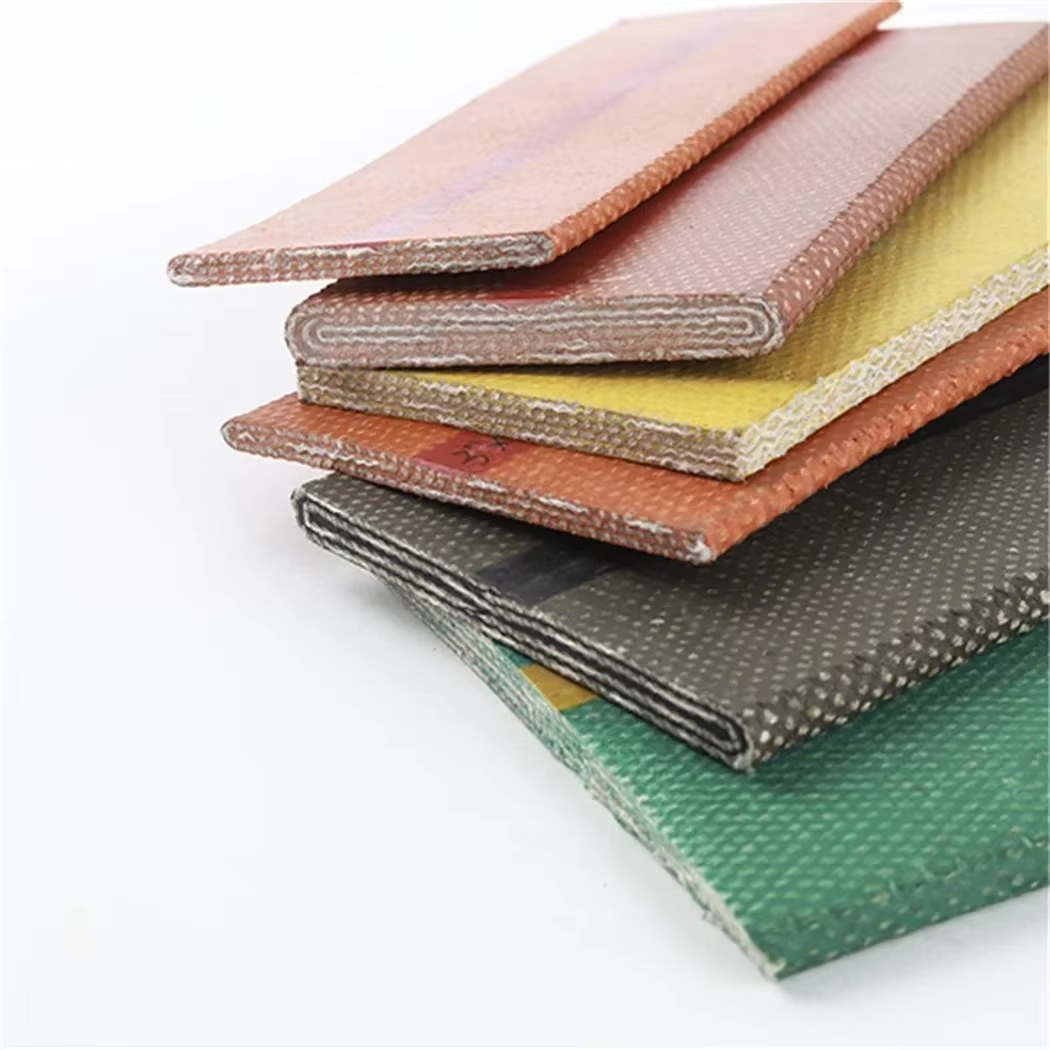
The Direct Cost Impact of Drive Belt Durability on Maintenance Labor and Downtime
Labor and downtime costs surge with frequent drive belt replacements
Frequent drive belt replacements impose steep financial penalties—not from the belt itself, but from labor and operational disruption. Each replacement requires 2–4 hours of skilled technician time, including shutdown, disassembly, tensioning, and re-commissioning. In high-throughput facilities, production halts during this window cost over $10,000/hour in lost revenue. Unplanned failures amplify these losses through overtime labor, expedited parts, and cascading schedule delays. Collectively, labor and downtime often exceed the belt’s purchase price by 10×. Facilities replacing belts monthly spend more than 200 technician hours annually on this single task—diverting critical resources from reliability-centered initiatives and eroding maintenance budget flexibility.
TCO analysis: Extended-life drive belts cut maintenance cost per operating hour by 60–80%
Total Cost of Ownership (TCO) reveals the true economic advantage of extended-life drive belts. Though they carry a 30–50% higher initial cost, their 3–5× longer service life dramatically compresses recurring expenses: labor hours drop ~70%, unplanned downtime incidents fall ~65%, and emergency repair costs decline ~80%. As a result, maintenance cost per operating hour falls 60–80% versus standard belts. For continuous operations, this translates to $150,000+ in annual savings per production line. Reduced spare inventory, simplified logistics, and lower administrative overhead further strengthen the ROI. Payback typically occurs within 12–18 months—making extended-life belts a high-impact, low-risk lever for operational efficiency.
Material and Design Advances That Maximize Drive Belt Service Life
EPDM compounds and notched geometries resist heat, oil, and flex fatigue
Modern drive belts leverage Ethylene Propylene Diene Monomer (EPDM) compounds for superior resistance to heat, ozone, and industrial oils—key stressors in demanding environments. Paired with precision-engineered notched geometries, these materials reduce localized stress concentrations during bending and tracking. The result is markedly lower flex fatigue—a leading cause of premature cracking and delamination—enabling consistent performance under sustained thermal and mechanical load.
How modern drive belt innovations extend mean time between failures (MTBF) by 3–5×
Mean Time Between Failures (MTBF) is the definitive benchmark for drive belt reliability—and today’s advanced polymers, cord architectures, and profile optimization reliably push MTBF 3–5× beyond legacy designs. These improvements are validated across OEM validation protocols and field deployments in sectors like food processing and mining, where ambient temperatures exceed 80°C and oil exposure is routine. Higher MTBF directly correlates with fewer unplanned interventions, reduced bearing wear on driven equipment, and predictable maintenance scheduling—transforming belt reliability from a cost center into a strategic enabler.
Installation Best Practices: Why Proper Tensioning and Alignment Are Critical to Realizing Drive Belt Durability
Misalignment and over-tensioning cause 68% of premature drive belt failures
Industry data consistently shows that 68% of premature drive belt failures trace back to installation errors—not material defects or design flaws. Misaligned pulleys induce lateral tracking forces that create friction hotspots, accelerating wear by 30–50% and promoting edge fraying. Over-tensioning stretches the belt beyond its elastic limit, damaging internal tensile cords and overloading bearings—often leading to sudden failure or collateral motor damage. To prevent this, install using laser alignment tools and torque-calibrated tensioning devices per manufacturer specifications. Conduct tension verification every 3–6 months with a calibrated gauge, and correct even minor misalignments early: doing so cuts replacement frequency by up to 40% and preserves downstream component life.
Strategic Integration: Aligning Drive Belt Selection with Operational Priorities and ROI Goals
From reactive to predictive: Using drive belt wear data in maintenance optimization
Reliability transformation begins when drive belt condition shifts from assumed to measured. Modern sensor-enabled monitoring—tracking elongation, surface temperature gradients, and acoustic emissions during operation—delivers objective, real-time wear signals. When integrated into CMMS or IIoT platforms, these metrics enable predictive alerts for anomalies such as rapid elongation spikes or micro-cracking thresholds. Facilities leveraging this data reduce belt-related unplanned downtime by 40–60% and redeploy maintenance labor toward root-cause analysis and continuous improvement. A textile mill deploying vibration-based belt health analytics, for example, achieved a 51% annual reduction in unscheduled stoppages.
Tiered drive belt specification framework—standard, robust, mission-critical
A disciplined, risk-based selection framework ensures capital and maintenance spend align with business impact. The three-tier model prioritizes durability investment where it matters most:
- Standard belts meet duty requirements for non-critical conveyors or intermittent-use assets where failure poses minimal safety or production risk;
- Robust belts, featuring oil-resistant EPDM, reinforced tensile cords, and abrasion-resistant covers, serve high-utilization equipment like packaging lines or HVAC drives;
- Mission-critical belts, built with aerospace-grade aramid cords and proprietary thermal barrier coatings, protect systems where downtime exceeds $10,000/hour—such as kiln drives in cement plants or extruders in polymer manufacturing.
This approach directs 78% of belt-related maintenance spending toward the 5% of assets generating 95% of revenue. One cement producer applied the framework across its fleet and reduced total annual belt expenditure by 22%, despite allocating premium-spec belts to critical lines—demonstrating how strategic specification drives measurable ROI.
FAQ
Why is drive belt durability important for cost savings?
Drive belt durability is crucial because frequent replacements lead to increased labor costs and downtime, which can significantly exceed the belt’s purchase price.
What are the benefits of extended-life drive belts?
Extended-life drive belts reduce maintenance costs per operating hour by 60–80% due to their prolonged service life, reducing labor hours, downtime incidents, and emergency repair costs.
How do modern drive belts extend their service life?
Modern drive belts use advanced materials and designs, such as EPDM compounds and notched geometries, to resist heat, oil, and flex fatigue, thereby extending their service life and increasing mean time between failures (MTBF).
What role do installation practices play in drive belt lifespan?
Proper tensioning and alignment are critical as misalignment and over-tensioning are leading causes of premature drive belt failures, so using correct installation tools and conducting regular checks can extend their lifespan.
How can drive belt condition monitoring impact maintenance?
Integrating drive belt wear data into maintenance systems can turn reactive measures into predictive maintenance, reducing unplanned downtime and allowing for more strategic resource allocation.
Table of Contents
- The Direct Cost Impact of Drive Belt Durability on Maintenance Labor and Downtime
- Material and Design Advances That Maximize Drive Belt Service Life
- Installation Best Practices: Why Proper Tensioning and Alignment Are Critical to Realizing Drive Belt Durability
- Strategic Integration: Aligning Drive Belt Selection with Operational Priorities and ROI Goals
- FAQ