EN
EN

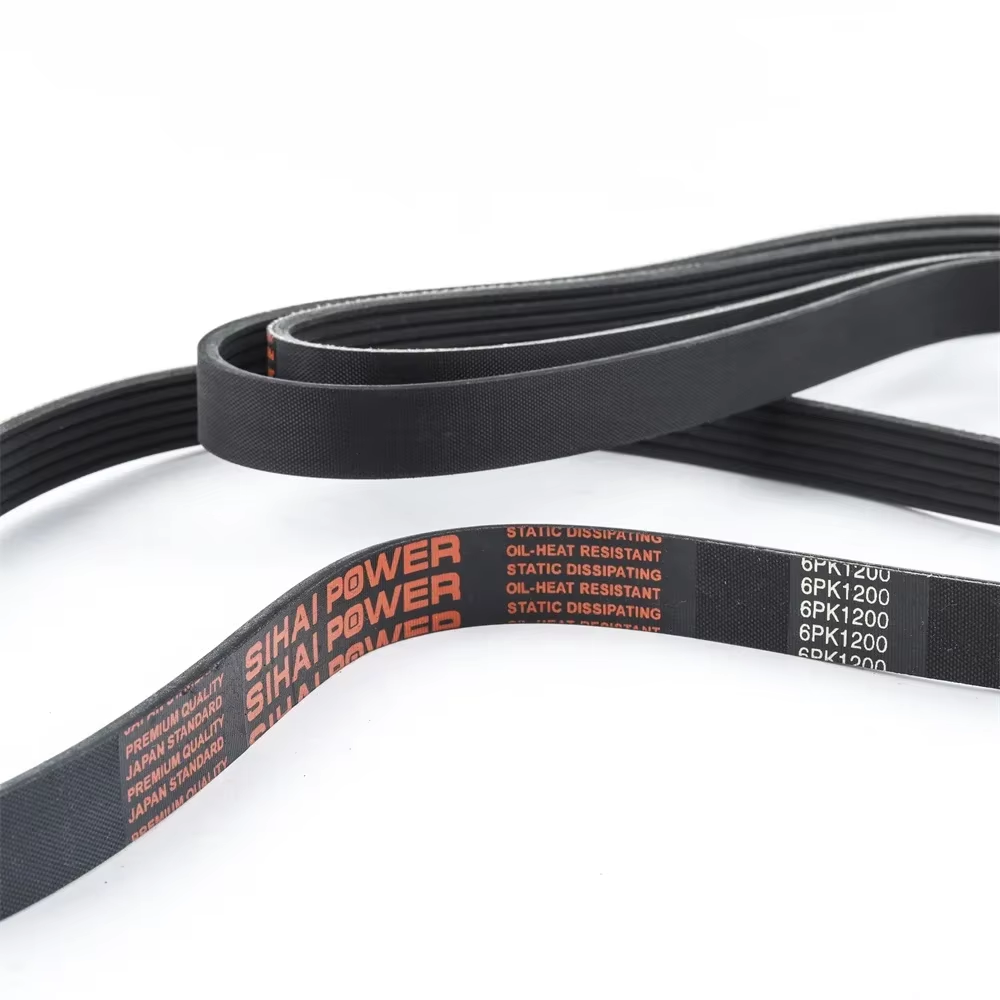
Recommended Car Belt Inspection Frequency: Manufacturer Guidelines and Real-World Best Practices
OEM Recommendations vs. Modern Driving Conditions for Serpentine and V-belt Inspection Intervals
Automotive manufacturers typically advise inspecting the serpentine or V-belt every 60,000 to 100,000 kilometers (37,000 to 62,000 miles), as specified in your vehicle’s owner’s manual. However, modern driving conditions—frequent short trips, stop-and-go traffic, extreme heat or cold, and exposure to oil or coolant leaks—can significantly accelerate belt degradation. As a result, many ASE-certified technicians recommend a visual inspection at every oil change, roughly every 5,000 to 7,500 miles. This proactive habit helps identify early signs of cracking, glazing, or fraying before they progress to sudden failure. For high-mileage vehicles, older models, or those operating in harsh climates, a six-month maximum interval—even between oil changes—adds an important safety margin. Aligning manufacturer guidance with real-world wear patterns delivers more reliable protection for critical engine accessories.
Aligning Car Belt Checks with Oil Changes: A Practical Preventive Maintenance Milestone
Integrating belt inspection into routine oil changes is one of the most effective—and cost-free—preventive habits drivers can adopt. During an oil service, technicians already have clear access to the belt and can assess its condition in under a minute. This synchronization ensures consistent monitoring—typically every 3,000 to 7,500 miles—without requiring additional shop visits. Early detection of minor surface cracks, tension loss, or edge wear allows for timely replacement, preventing secondary damage to the water pump, alternator, or power steering pump. For DIYers, adding a 30-second visual check during each oil change takes negligible time but substantially reduces risk. This simple integration turns a routine fluid service into a comprehensive preventive checkpoint—one that supports long-term reliability across most passenger vehicles.
Visual and Auditory Signs That Your Car Belt Needs Immediate Attention
Cracking, Glazing, and Fraying: What to Look for During a Car Belt Inspection
Begin with a thorough visual inspection of the serpentine or V-belt. Cracking appears as fine fissures across the ribbed surface—often caused by thermal cycling and age-related rubber embrittlement. Glazing manifests as a smooth, glossy sheen on the belt’s outer surface, signaling rubber hardening and reduced grip. Fraying shows as unraveling fabric along the belt’s edges, indicating mechanical stress and progressive material breakdown. Any of these defects compromise flexibility and load-bearing capacity, raising the risk of catastrophic failure. Use a flashlight and gently flex the belt to expose hidden cracks; examine both the ribbed side and the smooth backside, especially near pulley contact points. If you observe even minor damage, schedule replacement promptly—delaying increases strain on accessory pulleys and raises the likelihood of unexpected breakdown.
Squealing, Slippage, and Pulley Misalignment: Early Warning Signs of Car Belt Failure
Audible cues often precede visible deterioration—and serve as critical early warnings. A sharp, high-pitched squeal at startup or under acceleration commonly indicates belt slippage due to looseness or glazing. Short chirps or grinding noises—especially when turning the wheel or using headlights—suggest intermittent slippage under accessory load. A rhythmic rubbing or scraping sound may point to pulley misalignment, which also causes uneven wear patterns across the belt’s width. To verify alignment, visually trace the belt path with the engine off: all pulleys should sit in the same plane, with no noticeable tilt or offset. Ignoring these signals risks cascading failures—including loss of power steering, engine overheating from water pump interruption, or battery drain from alternator disengagement. Addressing them early avoids inconvenience, safety hazards, and far more expensive repairs.
Risks of Skipping Regular Car Belt Inspection: From Minor Inconveniences to Major Engine Damage
Skipping scheduled belt inspections invites avoidable risk. A cracked or glazed serpentine belt can snap without warning—immediately disabling the water pump, alternator, and power steering pump. Without coolant circulation, engine temperatures soar within minutes, potentially warping cylinder heads, blowing head gaskets, or seizing the block. Repairs for such damage routinely exceed $2,000—and often approach $4,000 for late-model engines. Even before failure, a slipping belt degrades accessory performance: persistent squealing, dimming lights, or stiff steering are not just nuisances—they’re red flags of imminent breakdown. Worse, a broken belt can whip violently inside the engine bay, damaging the tensioner, idler pulleys, radiator hoses, or sensor wiring. Sudden loss of power steering also compromises low-speed control—posing real danger in parking lots, intersections, or tight urban traffic. Contrast this with the minimal effort required for prevention: a 60-second visual check during each oil change reliably catches developing issues while they’re still inexpensive and safe to address. The choice isn’t about convenience—it’s about protecting your engine, your wallet, and your safety.
Frequently Asked Questions
How often should I inspect my car belt?
While manufacturers often recommend inspections every 60,000 to 100,000 kilometers (37,000 to 62,000 miles), ASE-certified mechanics suggest checking the belt visually at every oil change, which generally happens every 5,000 to 7,500 miles.
What are the common visual signs of belt wear?
Look for cracking, glazing, and fraying. Cracks appear as fine fissures, glazing results in a smooth, shiny surface, and fraying indicates fabric unraveling along the edges.
What audible warnings signal belt issues?
Squealing at startup or acceleration, chirping noises under accessory load, and scraping sounds due to pulley misalignment are indicators of belt problems.
Can a broken belt cause engine damage?
Yes, a snapped belt can disable critical systems like the water pump and alternator, leading to overheating, blown gaskets, or seized engine blocks, with repair costs ranging from $2,000 to $4,000.
Why is integrating belt inspections with oil changes beneficial?
It ensures consistent monitoring during routine service visits without adding extra cost or time, enabling early detection of wear and preventing expensive repairs.