EN
EN

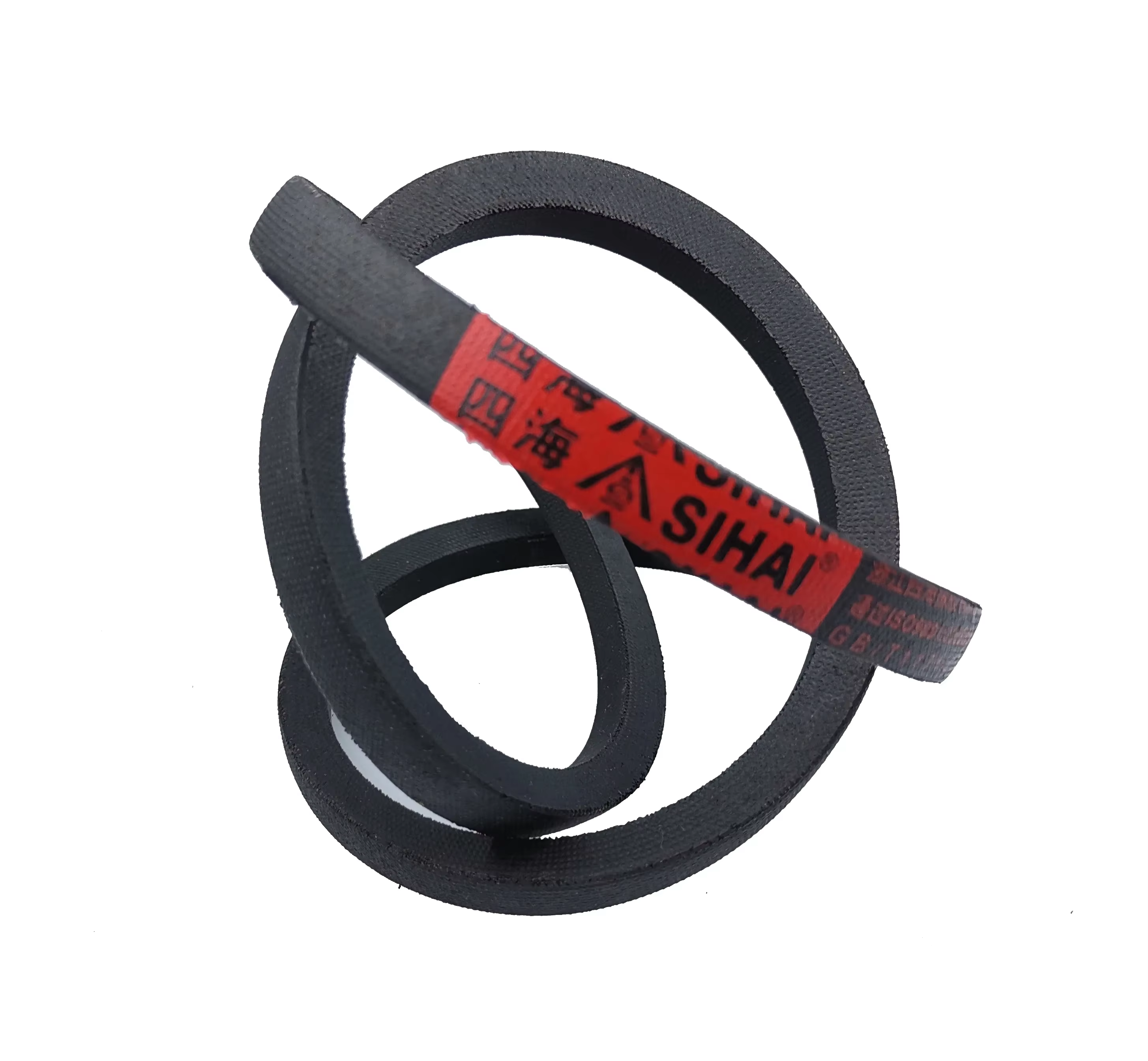
Why Standard Deck Belts Fail Under Heavy-Duty Mowing
Standard deck belts are not engineered for the extreme forces of heavy-duty mowing. In tall, thick grass, the engine works harder—transferring significantly more torque to the blades and, consequently, to the belt. This rapidly exceeds the belt’s design limits, triggering cascading failure.
Thermal Overload and Slippage in High-Torque, Tall-Grass Conditions
When blades engage dense vegetation, the belt experiences sudden torque spikes up to three times its normal load. This abrupt force generates intense friction and heat. Standard belts lack effective heat dissipation, causing their rubber compound to soften. As temperature rises, the belt begins slipping on the pulleys—creating even more friction and accelerating thermal overload. The result is glazing, loss of grip, or outright melting. In tall-grass conditions, this cycle can culminate in complete failure within minutes of continuous operation.
Consequences of Belt Failure: Deck Damage, Power Loss, and Safety Risks
A failed belt doesn’t just halt cutting—it compromises the entire deck system. Immediate power loss interrupts work and leaves uncut swaths. A broken belt can whip inside the deck, striking pulleys, spindles, and even the blade itself. This often bends pulley flanges or damages bearings. Worse, a snapped belt becomes an uncontrolled projectile, posing serious injury risk to operators and bystanders. What starts as a $25 replacement can escalate into hundreds in repair costs when belt failure triggers collateral damage across the deck assembly.
Key Deck Belt Selection Criteria for Durability and Performance
Load Capacity and Tensile Strength Requirements for Commercial-Grade Mowers
Heavy-duty mowers demand deck belts capable of sustaining high-torque loads without stretching, slipping, or snapping. Commercial applications require tensile strength well beyond residential use—typically exceeding 8,000 N for thick grass or uneven terrain. Reinforcement is decisive: steel- or aramid-corded belts absorb sudden tension spikes far better than polyester- or rubber-only constructions. A belt that cannot maintain rated tension under peak load will overheat and fail within hours—not seasons. Always verify the manufacturer’s tensile rating against your mower’s peak power output and deck engagement frequency. Selecting a belt with a 20–30% safety margin above minimum requirements extends service life and minimizes unplanned downtime.
Heat Resistance and Flex Life: Why Thermal Thresholds Matter More Than Width Alone
Width alone doesn’t guarantee durability—heat resistance and flex life are stronger predictors of real-world performance. Without sufficient thermal tolerance, even a wide belt will glaze, crack, and fail under sustained load. Quality commercial-grade deck belts are rated for continuous operation above 100 °C; top-tier aramid-reinforced models exceed 120 °C. Equally critical is flex life—the number of bending cycles before internal fatigue sets in. Belts engineered for millions of flex cycles resist sudden breakage and protect deck components. Prioritizing thermally rated, high-flex-life belts over dimensionally similar alternatives ensures reliability during extended mowing sessions and lowers total cost of ownership.
Deck Belt Sizing and Compatibility: Ensuring Exact Fit and Function
Step-by-Step Measurement Guide: Length, Top Width, Angle, and Cross-Section Identification
An ill-fitting deck belt causes slippage, premature wear, and pulley damage. To ensure precise fit, measure four key dimensions from the worn belt—or consult your owner’s manual. First, length: lay the belt flat and measure its outside circumference in inches (or use a dedicated belt-measuring tool). Second, top width: use calipers to capture the widest point of the belt’s upper surface. Third, angle: match the V-belt’s side angle (commonly 30°, 36°, or 40°) to your pulley groove—mismatches cause slippage under torque. Fourth, cross-section: identify the letter designation (e.g., A, B, 5L, 4L) or measure depth and bottom width. Many heavy-duty zero-turn riders (ZTRs) require Kevlar-reinforced K-series belts. Skipping any step risks purchasing a belt that appears compatible but fails catastrophically in field use.
OEM vs. Aftermarket Fitment: Avoiding Misalignment and Premature Wear in ZTRs and Stand-Ons
Fitment precision is non-negotiable—especially for ZTRs and stand-on mowers. OEM belts are engineered to exact tolerances: pulley center distances, groove angles, and tensioner travel are all calibrated to the original deck design. Aftermarket belts can offer value—but only if they meet those same specifications. A belt just 1/8″ too short over-tensions the system, straining spindle bearings; one too long flaps and overheats. For aftermarket purchases, insist on “OEM-equivalent” certification—not generic “universal” labeling. Misaligned belts on ZTRs often walk off pulleys mid-cut, causing sudden power loss and hazardous recoil. Always cross-reference the original part number before ordering.
Deck Belt Materials Compared: Rubber, Polyester, Aramid, and Steel-Reinforced Options
Material selection directly determines how long a deck belt lasts—and how safely it performs—under heavy-duty conditions. Rubber belts provide baseline flexibility but degrade fastest under friction, losing 15–20% thickness per 100 operational hours in field tests. Polyester-reinforced variants reduce that wear rate by 40% through woven cord construction, making them suitable for moderate workloads. For commercial zero-turn mowers tackling dense grass and extended runtime, aramid (Kevlar) belts deliver superior tensile strength and heat resistance—retaining over 90% structural integrity after 300 hours. Steel-reinforced options offer maximum load capacity for extreme applications, though their rigidity demands precise pulley alignment and proper tensioning.
| Material Type | Wear Rate per 100 Hours | Best Application Scenario |
|---|---|---|
| Rubber | 15–20% thickness loss | Light residential use |
| Polyester-Reinforced | 9–12% thickness loss | Moderate-duty landscaping |
| Aramid (Kevlar) | <5% thickness loss | Commercial zero-turn mowing |
| Steel-Reinforced | Negligible wear | High-load industrial applications |
Flex life and thermal thresholds matter as much as tensile strength: aramid belts withstand continuous temperatures exceeding 250°F (121°C) while resisting UV degradation. Operators report steel-reinforced belts handling 40% higher torque loads than standard rubber—but their stiffness can accelerate pulley wear if tensioning is inconsistent. Match material capabilities to your specific mowing intensity, terrain challenges, and required service intervals to maximize uptime and minimize long-term costs.
FAQ
Why do standard deck belts fail during heavy-duty mowing?
Standard deck belts aren’t designed for the intense torque and heat generated during heavy-duty mowing. Conditions like tall grass and dense vegetation cause rapid thermal overload and slippage, leading to belt failure.
How does thermal overload affect belt performance?
Thermal overload causes the rubber compound to soften, leading to slippage, glazing, and eventual failure. Sustained high temperatures weaken the belt’s structure, making it incapable of handling torque spikes.
What materials are best for heavy-duty deck belts?
Aramid (Kevlar) and steel-reinforced belts are ideal for heavy-duty applications due to their superior tensile strength, heat resistance, and lower wear rates compared to rubber or polyester-reinforced belts.
How can I ensure my deck belt fits correctly?
Measure the belt’s length, top width, angle, and cross-section carefully. Additionally, verify the compatibility with your mower’s specifications or consult the owner’s manual to avoid misalignment and wear.
Are OEM belts better than aftermarket options?
OEM belts usually have precise tolerances matching the mower’s design. Aftermarket belts can be cost-effective but must meet OEM-equivalent certifications to ensure proper fit and function.