EN
EN

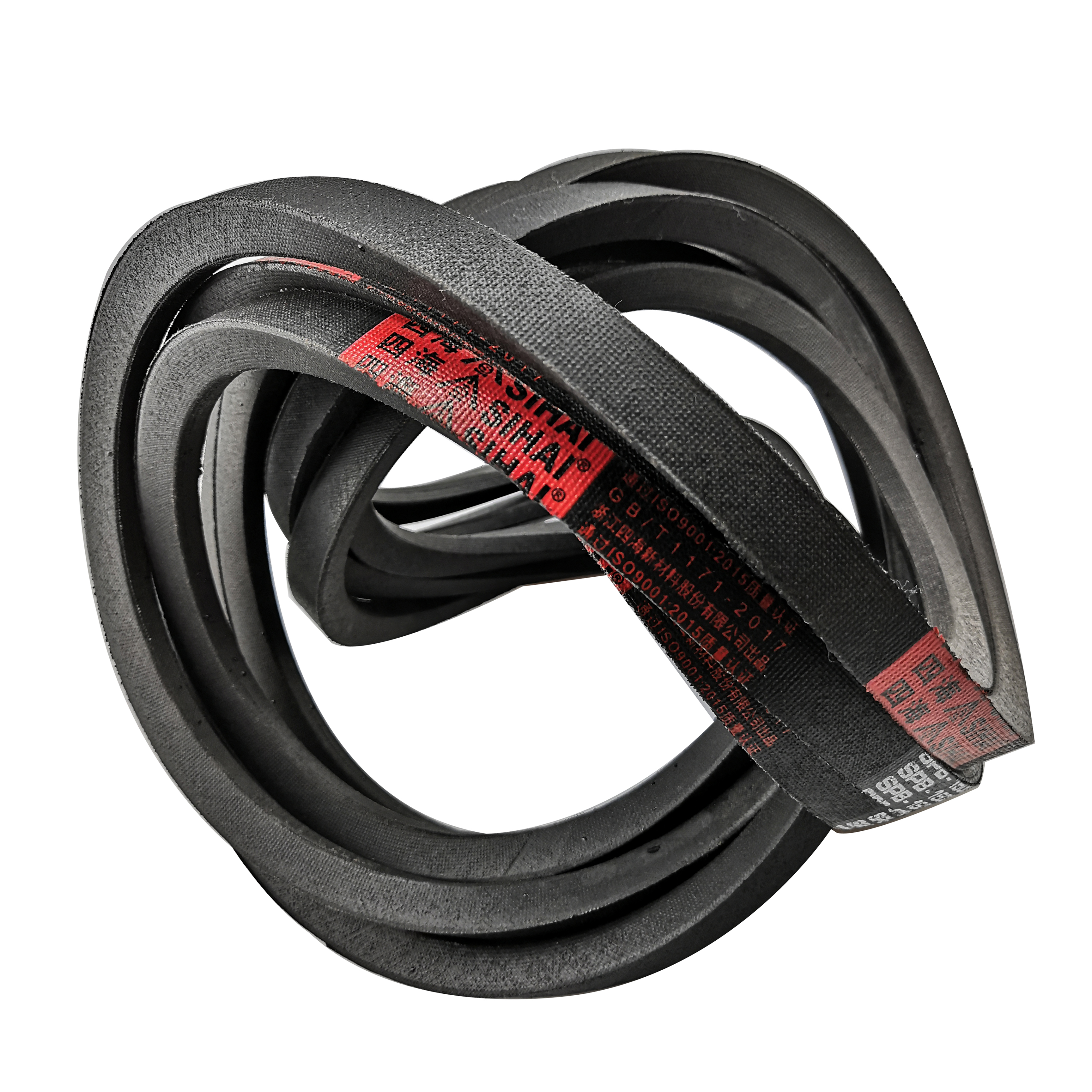
Washing Machine Belt Failure: The #1 Cause of No Drum Rotation
How a Worn, Slipped, or Broken Washing Machine Belt Stops Drum Movement
A washing machine belt connects the motor to the drum pulley. When it fails—whether worn, stretched, cracked, or snapped—the motor may run normally, but the drum remains motionless. Key symptoms include wet clothes after the final spin cycle, a burning rubber odor, visible rubber dust or flakes near the bottom panel, and unusually easy manual rotation of the drum. These signs typically emerge gradually: declining spin performance signals progressive loss of belt tension and grip. Without proper tension, the motor’s torque cannot transfer to the drum. The result is a machine that powers on and fills, drains, and agitates—but never spins. Left unaddressed, belt failure can overload the motor or strain other drive components. Fortunately, it’s one of the most accessible mechanical faults to diagnose and repair.
Step-by-Step Visual and Functional Diagnosis of the Washing Machine Belt
To confirm belt failure, first unplug the machine and remove the rear or bottom access panel. Visually inspect the belt for cracks, fraying, glazing (shiny, hardened patches), or complete breakage. A slipped belt—dislodged from either the motor or drum pulley—is also common. For functional verification, try rotating the drum by hand: if it turns with little or no resistance, the belt is likely broken or detached. If the motor hums during a spin attempt but the drum doesn’t move, the belt is probably stretched or severely worn. Squealing or grinding noises during operation suggest slippage under load. Rubber dust around the motor pulley further supports this diagnosis. Replacing the belt with an OEM or certified equivalent part restores full drum rotation and helps protect the motor and transmission from secondary stress.
Safety Interlocks: Lid Switch, Door Latch, and Spin Lock Failures
Why a Faulty Lid Switch or Door Latch Prevents Drum Rotation (Even with Power)
A humming motor and powered-on display—but no drum movement—is often misdiagnosed as a mechanical failure when the real culprit is a faulty safety interlock. Lid switches (in top-loaders) and door latches (in front-loaders) serve as critical safety gatekeepers: they must detect full closure and secure latching before allowing the control board to initiate spin. Thermal stress from hot water cycles, repeated micro-fracturing in plastic housings, or simple contact wear can cause these switches to fail open. When that happens, the controller never receives the “safe to spin” signal—even though voltage reaches the motor. As a result, the drum remains stationary despite apparent power and function elsewhere in the cycle. According to service data compiled by the Appliance Repair Association, interlock failures account for approximately 18% of spin-related service calls, with peak incidence occurring between years eight and nine of typical residential use. A quick continuity test using a multimeter confirms whether the switch is electrically intact.
Motor, Drainage, and Load Imbalance: Secondary but Critical Causes
When a Failing Drive Motor, Clogged Drain Pump, or Severe Unbalance Halts Spinning
Though belt failure is the leading mechanical cause of no drum rotation, three other issues require careful consideration before replacement: drive motor failure, drain system obstruction, and load imbalance. A failing motor may hum without spinning—pointing to start capacitor degradation, winding faults, or seized bearings. Unlike belt issues, motor problems rarely produce rubber residue or slippage noise. Separately, a clogged drain pump or filter can trap water in the tub; because most machines require near-complete drainage before entering spin mode, residual water triggers a safety lockout. Finally, severe load imbalance—such as a single heavy blanket migrating to one side—triggers vibration sensors that halt rotation to prevent damage. Redistributing the load usually resolves this, but persistent imbalance may indicate worn suspension springs or failed shock absorbers. These causes demand systematic elimination: rule out drainage and interlocks first, then assess motor behavior and load dynamics—before concluding the belt is at fault.
Systematic Troubleshooting: From Power Check to Washing Machine Belt Replacement
DIY Diagnostic Flow: Power, Leveling, Load, Hoses, and Final Belt Verification
When your washing machine drum refuses to rotate, follow this prioritized diagnostic sequence to avoid misdiagnosis and unnecessary parts replacement. First, verify power delivery: check the outlet, circuit breaker, and ensure the correct cycle is selected. Next, confirm the washer is level—uneven placement can trigger tilt-based safety cutoffs that block spin. Then, redistribute the load evenly and remove oversized or tangled items that promote imbalance. After that, inspect the drain hose for kinks and clean the pump filter; a clogged system prevents the machine from reaching the spin phase. Only once all these simpler, non-mechanical causes are ruled out should you examine the washing machine belt. With the machine unplugged and the appropriate panel removed, visually assess the belt for cracks, glazing, or breakage—and manually check tension: more than ½ inch of deflection at the midpoint usually indicates excessive stretch. Consult your owner’s manual for model-specific routing and tension guidance. This disciplined approach ensures accurate root-cause identification and avoids premature belt replacement.
FAQs
What are the main causes of a washing machine drum not rotating?
The primary cause is usually a worn, stretched, or broken washing machine belt. Additional causes include faulty safety interlocks (like lid switches or door latches), drive motor issues, clogged drain systems, or severe load imbalance.
How can I tell if the washing machine belt is the problem?
Inspect for cracks, fraying, or breakage after unplugging the machine and removing the access panel. Also, manually rotate the drum; easy rotation may indicate a broken or detached belt. Look for rubber dust near the pulleys.
Can I fix a washing machine belt issue myself?
Yes, replacing a washing machine belt is usually straightforward with basic tools. Ensure you consult your owner's manual for model-specific guidance and always use an OEM or certified equivalent belt.
What should I check before assuming the belt is the problem?
Verify power delivery, ensure the washer is level, inspect for drainage issues, and redistribute the load to rule out non-mechanical causes. Check the lid switch or door latch for faults as well.