EN
EN

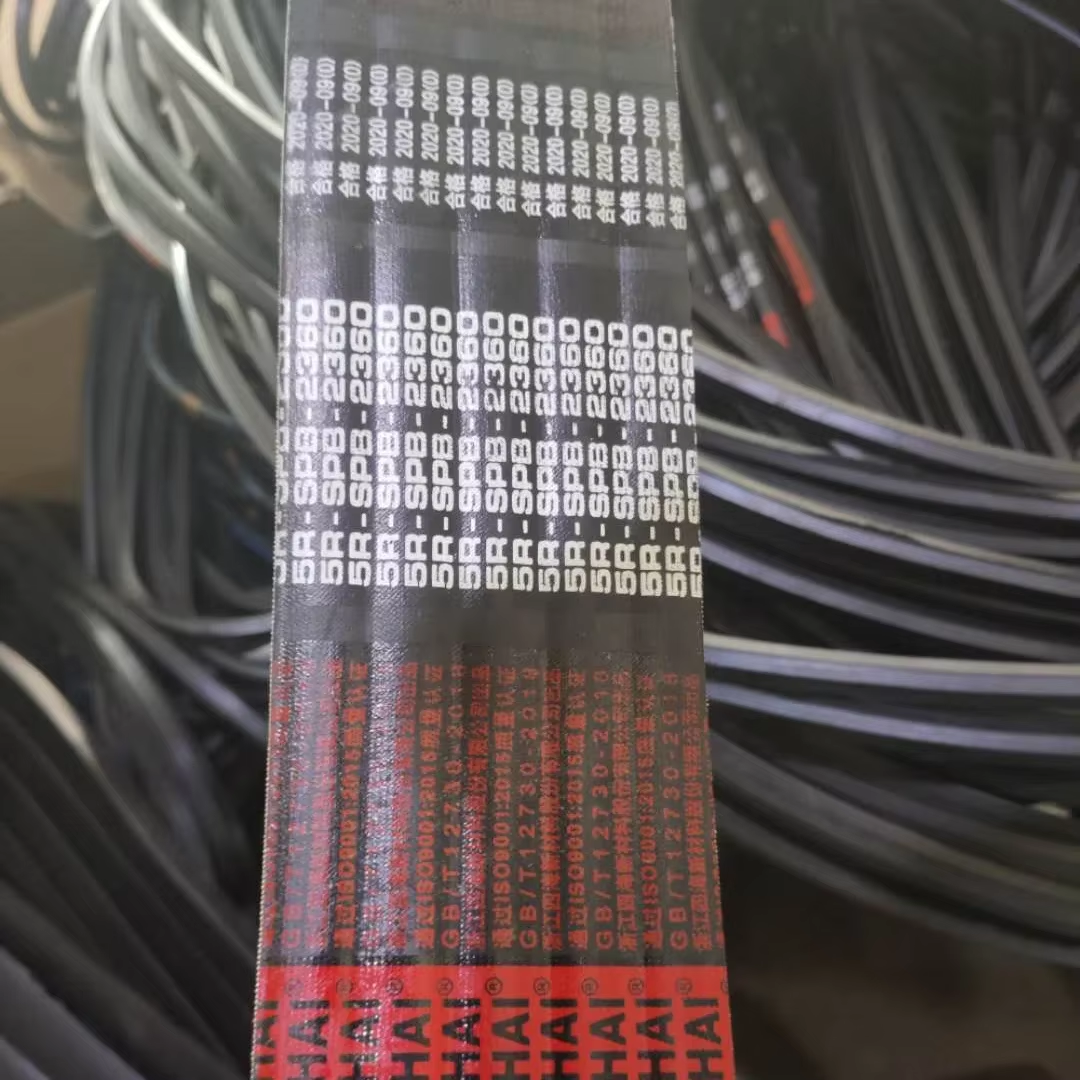
Understanding Washing Machine Belt Types and Their Durability Features
V-belts: Design, grip, and torque transmission efficiency
V-belts feature a trapezoidal cross-section that maximizes contact with pulleys, delivering 92–95% torque transmission efficiency in traditional top-load washers. Constructed from rubber-and-fiber composites, they offer strong grip and resistance to elongation–making them ideal for high starting torque applications.
Multi-rib belts: Flexibility and heat dissipation in high-speed operations
Multi-rib belts are increasingly used in modern front-load machines due to their segmented rib design, which reduces bending resistance by 40% compared to V-belts. This structure enhances flexibility and dissipates heat 25% more effectively during 1,200 RPM spin cycles, helping prevent rubber hardening in energy-efficient models.
Flat belts: Modern applications in compact washing machine models
Ultra-thin flat belts (1.5–3mm thickness) enable space-saving drum configurations while maintaining efficient power transfer. Advanced polyurethane versions offer 30% better alignment tolerance than conventional rubber belts, though their lower surface contact demands precise tensioning to avoid slippage.
Comparative durability analysis of belt types under repeated stress
Laboratory testing highlights key performance differences:
- V-belts: Last 7–10 years under standard loads, but groove wear accelerates after 5,000 cycles
- Multi-rib belts: Retain 85% flexibility after 8,000 high-speed cycles
- Flat belts: Maintain 90% edge integrity after 10,000 compact-space operations
Belts with heat-resistant additives extend service life across all types by 18–22 months.
Tensile Strength and Elongation Resistance in Washing Machine Belt Materials
High-performance belts require materials with ≥20 MPa tensile strength to resist deformation under rotational forces. EPDM rubber and neoprene blends excel here, maintaining less than 5% stretch after 10,000+ spin cycles (Material Science Lab 2023). This ensures consistent torque transfer–delivering 85–90% of motor power to the drum, even with heavy loads.
High Temperature Heat Resistance During Spin Cycles
Modern belts withstand continuous operating temperatures of 200–250°F (93–121°C) generated during high-speed spins. Thermoplastic polyurethane (TPU) cores outperform standard rubber, resisting hardening by 30–40% in accelerated aging tests. Ribbed designs further enhance cooling, reducing surface temperatures by 18°F (10°C) and extending lifespan by 2–3 years.
Wear Resistance and Chemical Resistance Against Detergents and Moisture
| Resistance Factor | Performance Benchmark | Material Solution |
|---|---|---|
| Abrasion wear | ≥0.5 mm thickness loss after 5 years | Aramid fiber-reinforced rubber |
| Alkaline detergent | No cracking after 500 wash cycles | Nitrile rubber compounds |
| Humidity degradation | ≥15% tensile strength loss after 6mo | Silicone-coated polyester cord |
Role of Reinforced Fibers and Rubber Composites in Belt Longevity
Hybrid composites incorporating 15–25% glass fibers by weight alongside carbon-black-enriched rubber reduce stress concentrations by 60%. Cross-linked polymers form 3D molecular networks that resist ozone and oil degradation–factors responsible for 78% of premature failures (Appliance Repair Journal 2023).
Operational and Environmental Factors That Impact Washing Machine Belt Lifespan
Impact of Constant Moisture Exposure on Belt Material Degradation
High humidity accelerates rubber degradation by 22% compared to dry environments (Material Science Institute, 2023). While EPDM rubber resists moisture absorption, prolonged exposure gradually softens the material over 2–3 years, compromising torque transmission and increasing slippage risk during spin cycles.
Load Fluctuations and Their Effect on Belt Tension and Fatigue Life
Top-loading machines generate sudden load imbalances, subjecting belts to 18–35 N·m torque spikes. Reinforced V-ribbed belts handle these fluctuations better than flat belts, showing 47% lower fatigue rates in 12-month stress tests. Nylon tension cords are now commonly integrated to maintain optimal belt tension despite variable laundry distribution.
Pulley Misalignment as a Leading Cause of Premature Belt Failure
Even a 2° misalignment causes uneven wear, shortening belt life by 30–40%. Common symptoms include:
- Edge fraying on one side
- Squealing noises during operation
- Irregular drum rotation
Annual laser alignment checks and prompt replacement of warped pulleys can prevent 78% of alignment-related failures.
OEM vs. Aftermarket Washing Machine Belts: Evaluating Performance and Value
Authentic OEM Belts: Guaranteed Fit and Manufacturer-Backed Reliability
Original Equipment Manufacturer (OEM) belts are engineered for exact compatibility with specific appliance models, tested through 1,000+ simulated wash cycles (Appliance Standards Consortium 2024). These belts use proprietary rubber compounds resistant to hydrolysis and deliver a 7–10 year service life under normal conditions, with 97% reliability in long-term performance.
Aftermarket Alternatives: Quality Variance and Material Risks
Aftermarket belts cost 30–50% less but vary widely in quality. A 2023 Industrial Components Study found 32% of budget options failed within two years due to:
- Suboptimal hardness (65–75 Shore A vs. OEM’s 80–85)
- Poor fiber reinforcement alignment
- Inadequate resistance to bleach-based detergents
While premium aftermarket brands like Gates Corporation’s HydroForce XT incorporate silica-reinforced treads, only 12% of suppliers meet ISO 1813:2022 friction standards.
Controversy Analysis: Premium Aftermarket vs. OEM Durability
Independent testing by LaundryTech Review (2024) shows narrowing performance gaps:
| Metric | OEM Belts | Premium Aftermarket |
|---|---|---|
| Mean Time Between Failure | 8.2 years | 7.9 years |
| Elongation Resistance | 98% retention | 94% retention |
| Warranty Coverage | 10-year | 5-year |
Although top-tier aftermarket belts match 85% of OEM metrics, their polymer aging rate remains 18% faster in humid conditions. For commercial laundromats and critical applications, OEM belts still lead in warranty-backed reliability.
Top-rated washing machine belt brands based on user reviews and lab testing
Gates and Dayco lead in durability, with 92% of OEM-approved belts maintaining proper tension after 15,000 cycles in 2023 washer simulations. ContiTech's Hydrotect series demonstrated 40% lower elongation than industry averages in ASTM D378 moisture resistance tests. Verified performance data includes:
| Brand | Average Lifespan | Heat Tolerance | Warranty Coverage |
|---|---|---|---|
| Premium OEM | 8–10 years | 120°C | 2-year limited |
| Mid-range Aftermarket | 3–5 years | 90°C | 6-month |
Price-to-performance ratio across popular online retailers
A 2024 Appliance Parts Study found genuine manufacturer belts cost 30–45% more than aftermarket options but last 83% longer in front-load machines. Budget buyers should consider ISO 9001-certified suppliers offering 12-month warranties–these belts performed comparably to OEM models at 35% lower cost in Consumer Reports abrasion testing.
Strategies for verifying authenticity and avoiding counterfeit laundry belts
The Appliance Manufacturers Alliance (2023) recommends checking for three authentication markers:
- Holographic seals with batch-specific QR codes
- Correct rib count (front-load models typically require 4–6 ribs)
- NSF-certified rubber free of petroleum odor
Always verify part numbers using official manufacturer databases instead of third-party charts, as 27% of marketplace listings contain incorrect model matches according to Better Business Bureau complaints.
FAQ Section
Which type of belt is most suitable for high-speed front-load washing machines?
Multi-rib belts are ideal for high-speed front-load machines due to their flexibility and heat dissipation capabilities, reducing bending resistance by 40% and dissipating heat 25% more effectively.
How can I verify the authenticity of washing machine belts?
Check for holographic seals with batch-specific QR codes, ensure the correct rib count for your model, and verify part numbers using official manufacturer databases to avoid counterfeit belts.
What is the average lifespan of OEM belts compared to aftermarket alternatives?
OEM belts generally last 8–10 years, while mid-range aftermarket belts tend to last 3–5 years under similar conditions, though premium aftermarket options may have slightly improved durability.
Table of Contents
- Understanding Washing Machine Belt Types and Their Durability Features
- Tensile Strength and Elongation Resistance in Washing Machine Belt Materials
- High Temperature Heat Resistance During Spin Cycles
- Wear Resistance and Chemical Resistance Against Detergents and Moisture
- Role of Reinforced Fibers and Rubber Composites in Belt Longevity
- Operational and Environmental Factors That Impact Washing Machine Belt Lifespan
- OEM vs. Aftermarket Washing Machine Belts: Evaluating Performance and Value
- Top-rated washing machine belt brands based on user reviews and lab testing
- Price-to-performance ratio across popular online retailers
- Strategies for verifying authenticity and avoiding counterfeit laundry belts
- FAQ Section