EN
EN

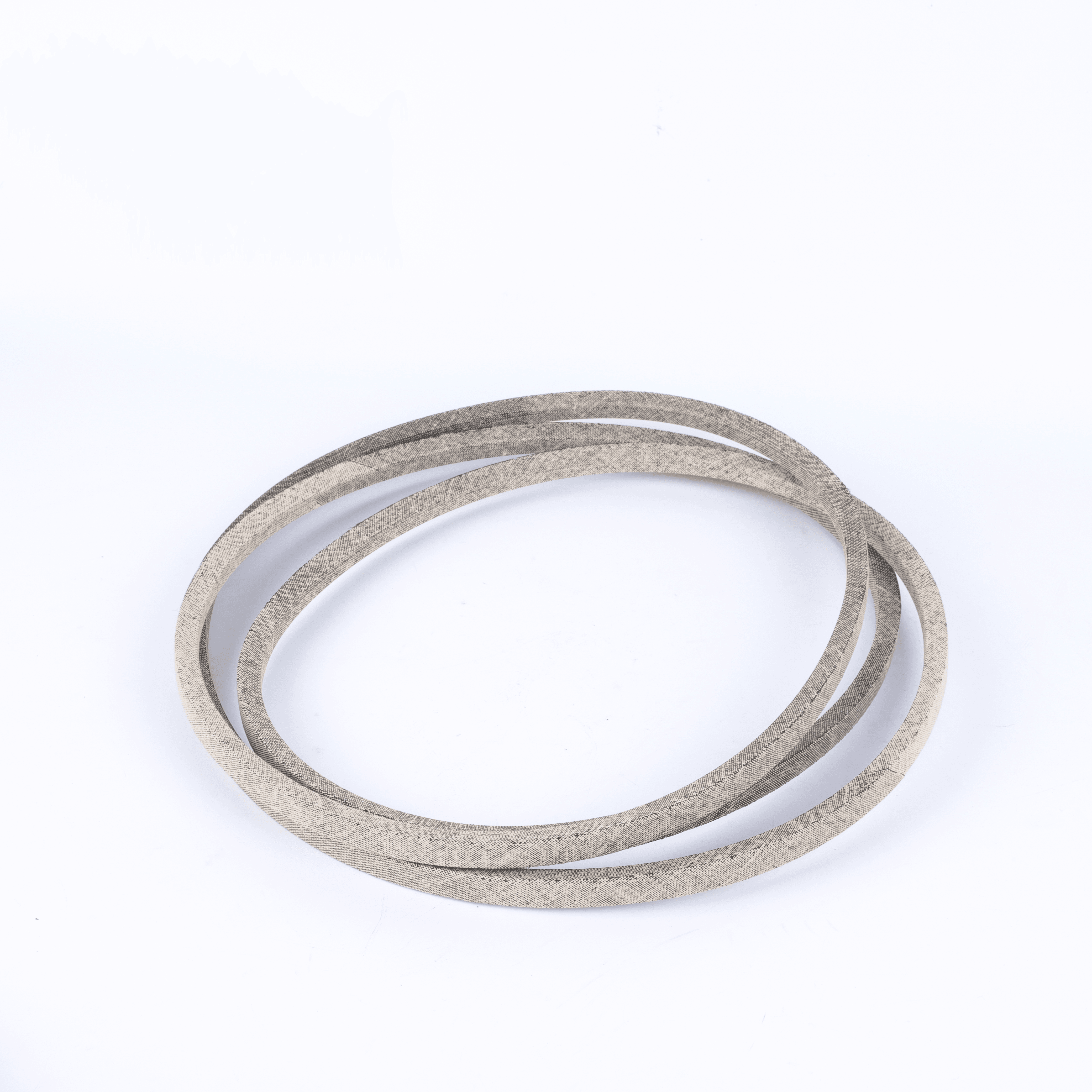
The Deck Belt's Core Function in Riding Mower Performance
Power Transfer Mechanics: From Engine to Cutting Blades
The deck belt connects the engine to those spinning cutting blades, basically acting as the go-between for all that power transfer through its pulley setup. When the engine's drive pulley starts turning, the V shape of the belt gets tight around those spindle pulleys on the mower deck. This keeps everything spinning together at pretty high speeds, often over 3,000 RPM. Getting the tension right matters a lot. If it's too loose, the belt just slips and wastes energy. Way too tight? That puts stress on the inside cords and makes them wear out faster. Think of this belt as kind of like the main road for power in the mower. Without it working properly, none of that engine power actually gets to where it needs to go, so the whole cutting process stops dead in its tracks.
System-Critical Role: Why Deck Belt Failure Equals Immediate Operational Stoppage
Deck belts don't just wear out slowly like other parts do; when they fail, it's sudden and complete. When these belts start fraying, stretching, or snap completely, they cut off the only way power gets to the blades, which makes them stop working right away. What happens next? Either the machine cuts way worse because the blades aren't spinning properly, or everything stops cold turkey. This kind of unexpected breakdown throws off maintenance plans, eats into labor budgets, and means projects get left half done. There's simply no alternative route for power, so getting a new belt installed becomes absolutely necessary if operations want to continue at all.
How Deck Belt Durability Directly Impacts Efficiency Metrics
RPM Loss and Energy Waste: Quantifying Efficiency Decay from Stretch and Slippage
When belts stretch past 3% of their original length, they start losing efficiency in a measurable way. Research published in the Equipment Engineering Journal back in 2023 found that this kind of stretching leads to around 15% loss in blade RPM because the belt slips on the pulleys. To make up for this drop in performance, engines have to work harder, needing about 20% more torque than normal. All this extra effort translates into wasted fuel too roughly equal to 1.5 gallons every 50 hours of operation. And it gets worse from there. The heat created when the belt rubs against components starts breaking down the rubber over time. What happens next is pretty bad actually a self-perpetuating problem where every extra millimeter of wear makes things consume even more energy by about 8%. It's like a vicious circle that keeps getting worse until something breaks completely.
Real-World Impact: Fuel, Time, and Labor Costs on a 1.2-Acre Property
For a typical 1.2-acre property maintained annually:
- Premium belt: 2 seasonal replacements $45 = $90
- Economy belt: 5 replacements $28 = $140 + 3 hours labor
- Fuel waste: 7 extra gallons/year from slippage $3.50/gal = $24.50
- Productivity loss: 18 hours/year re-cutting missed patches
Total economy belt penalty: $164.50 + 21 hours annually. Industry data confirms durable belts reduce replacement frequency by 60% and lower per-acre operating costs by $17.
Material Innovation: What Makes a Deck Belt Truly Durable
EPDM vs. Aramid-Reinforced Poly-V: Tensile Strength and Heat Resistance Benchmarks
When it comes to how long things last, we really need to look at what goes on at the molecular level first. Take EPDM rubber for example. This stuff works pretty well in homes because it has decent strength when stretched (around 15 to 20 MPa) and can handle pretty hot conditions without breaking down, up to about 150 degrees Celsius. Now compare that to those special poly-V belts reinforced with aramid fibers. These contain super strong synthetic materials which boost their strength significantly to between 25 and 30 MPa. They also stand up much better to extreme heat, surviving temperatures over 180 degrees Celsius. Because of these properties, they're actually better suited for heavy duty equipment like commercial lawn mowers that run continuously under lots of stress and pressure.
| Property | EPDM Belt | Aramid-Reinforced Poly-V Belt |
|---|---|---|
| Tensile Strength | 15–20 MPa | 25–30 MPa |
| Heat Resistance | Up to 150°C | Beyond 180°C |
Aramid reinforcement resists elongation under load, preventing the 5–7% engine power loss common with standard belts. Its superior thermal stability also mitigates cracking the leading cause of failure in high-duty cycles. Independent testing shows aramid-reinforced belts retain 95% efficiency after 300 hours, while EPDM belts suffer a 20% performance drop by 200 hours.
Total Cost of Ownership: Evaluating Deck Belt Efficiency Beyond Purchase Price
Focusing only on upfront cost overlooks the true financial impact of deck belt selection. Low-quality belts increase annual ownership costs by 25–40% due to premature replacement, unplanned downtime during peak season, and fuel waste from slippage. A high-performance belt delivers measurable operational savings:
- Fuel efficiency: Maintains optimal RPM, reducing fuel use by up to 15% versus stretched alternatives.
- Labor savings: Cuts replacement frequency from 3–4 times annually to just 1–2, minimizing maintenance time.
- Productivity protection: Each failure halts mowing for 1.5–3 hours costing $60–$120 in lost time per incident.
For property managers maintaining 5+ acres, investing in reinforced materials typically yields ROI within 12–18 months through fewer disruptions and reduced resource waste. True efficiency is measured not in dollars paid but in sustained performance delivered per dollar spent over the belt's full lifecycle.
Proper Installation and Maintenance for Maximum Deck Belt Longevity
Tension Calibration and Alignment: Preventing Premature Edge Wear
About two thirds of early deck belt failures come down to improper tension settings. When belts are too tight, they put unnecessary strain on the internal fibers and wear out faster. If too loose, the belt slips around which creates friction and generates dangerous amounts of heat over time. Most manufacturers recommend checking for about half an inch of give when pressing gently with a finger in the middle section. Getting the pulleys lined up right matters even more than people realize. Crooked pulley grooves lead to uneven wear patterns along the belt edges, sometimes eating away material at a noticeable rate during regular operation. To check alignment, run a ruler or similar tool across all the pulleys and tweak the deck mounting positions until everything looks roughly straight. Doing these basic maintenance checks every three months saves money in the long run, cutting down on replacements by around $150-$170 each year while keeping power transfer efficient throughout the system.
Debris Control Strategies to Minimize Thermal and Abrasive Degradation
Grass clippings and soil trapped under the deck create two parallel degradation pathways: organic debris retains moisture that hydrolyzes rubber polymers, while silica-rich dirt acts as an abrasive grinding paste. Research shows debris accumulation raises belt surface temperatures by 47°F significantly accelerating thermal cracking. Mitigate with these targeted practices:
- Clear the deck post-operation using forced air or a stiff-bristle brush
- Wash the underside monthly during peak mowing seasons
- Inspect pulley channels pre-season to remove compacted residue
For properties requiring weekly cuts across 5+ acres, implement proactive cleaning every 4 operating hours. This prevents the 30% efficiency loss from friction-induced drag documented in contaminated assemblies.
FAQ Section
What happens if a deck belt is too tight or too loose?
If the belt is too tight, it puts stress on the inside cords, wearing them out faster. If it's too loose, it can slip, waste energy, and cause inefficient power transfer.
How does deck belt failure impact a riding mower?
Failure results in immediate operational stoppage, either making the machine unable to cut properly or halting it completely. This impacts maintenance schedules and budgets.
What are the benefits of Aramid-Reinforced Poly-V belts?
They have higher tensile strength (25–30 MPa) and heat resistance, making them ideal for heavy-duty applications. They also retain efficiency longer compared to EPDM belts.
How often should deck belt alignment be checked?
Alignment should be checked every three months. Misalignment causes uneven wear and affects the belt's longevity.
What role does debris play in belt degradation?
Grass and soil under the deck increase belt surface temperature and accelerate degradation, especially moisture from organic debris and abrasion from silica-rich dirt.
Table of Contents
- The Deck Belt's Core Function in Riding Mower Performance
- How Deck Belt Durability Directly Impacts Efficiency Metrics
- Material Innovation: What Makes a Deck Belt Truly Durable
- Total Cost of Ownership: Evaluating Deck Belt Efficiency Beyond Purchase Price
- Proper Installation and Maintenance for Maximum Deck Belt Longevity
- FAQ Section