EN
EN

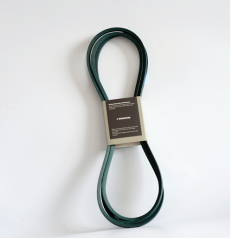
Mechanical Diagnostics and Alignment Matrix
Understanding Tensile Stress and Pulley Alignment Deviations
Operating outdoor power equipment puts an immense amount of physical strain on power transmission systems, particularly on the drive and deck assemblies. When looking closely at why a lawn mower belt fails prematurely, the root cause is rarely just normal wear and tear. Instead, subtle mechanical misalignments within the pulley system are often the main culprit. Pulleys can suffer from two distinct types of alignment issues: angular misalignment, where the shafts sit at different angles, and parallel misalignment, where the pulleys are parallel but sit on different vertical or horizontal planes.
Think about how a V-belt interacts with a pulley groove under these conditions. If the alignment is off by even a single degree, the belt enters the groove at an improper angle, causing uneven friction along one sidewall. This concentrated friction leads to localized heat buildup, accelerated rubber wear, and uneven stress distribution across the internal tensile cords. Over time, the cords on the overloaded side will stretch and break, resulting in sudden failure during standard operation. To keep the drive system stable over the long haul, regular checks with laser alignment tools or straightedges are essential to ensure every pulley is perfectly squared.
Debris Mitigation and Environmental Factor Management
The working environment of outdoor cutting decks is naturally filled with potential hazards like grass clippings, soil, small twigs, and moisture. As the system spins at high speeds, a powerful vacuum effect draws these fine particles directly into the belt guards and pulley channels. When grass and dirt get packed into the bottom of a pulley groove, it prevents the V-belt from seating properly at its designated depth. This effectively changes the pulley's pitch diameter, altering the tension and forcing the belt to ride higher in the groove.
As a result, the belt experiences a dangerous combination of increased stretching and severe slipping. The friction generated by this slip rapidly raises the operating temperature beyond safe limits, baking the raw rubber compounds. This thermal stress leads to dry rotting, severe glazing, and deep cracks along the bottom ribs of the belt. Cleaning the deck housing thoroughly after every operational cycle and ensuring all protective debris shields are properly positioned will drastically reduce the risk of particulate contamination and extend the operational life of the entire drive system.
Advanced Polymer Engineering and Tension Calibration
Material Composition Elements Affecting Structural Flexibility
Not all power transmission belts are engineered the same way, and understanding raw material composition is key to managing system longevity. Traditional belts constructed with standard polyester tensile cords often struggle to cope with the sudden shock loads encountered when a cutting deck hits thick, overgrown grass or hidden roots. When these sudden spikes in resistance happen, polyester cords tend to stretch permanently, causing a drop in tension and subsequent slippage.
For demanding, high-load configurations, components engineered with aramid tensile members offer far superior structural integrity. Aramid possesses an incredibly high tensile modulus and shows virtually zero elongation under sudden shock loads. This ensures that the component retains its exact physical length and cross-sectional profile even under intense stress. Additionally, the outer wrapping material plays a critical role in managing heat. A heavy-duty bare-back fabric cover allows for controlled slippage during clutch engagement without generating excessive surface heat, protecting the internal chloroprene or EPDM rubber core from thermal breakdown.
Precision Tension Control Practices for Daily Operations
Maintaining proper tension is a delicate balancing act that directly dictates the operational lifespan of any rubber V-belt. Running a system with insufficient tension allows the belt to slip within the pulleys under heavy loads. This continuous slipping generates intense surface friction, turning the smooth rubber sidewalls into a shiny, hardened surface—a condition known as glazing. Once a belt is glazed, it loses its coefficient of friction, meaning it will slip even under normal loads, creating a cycle of ongoing thermal degradation.
On the flip side, over-tensioning the system is just as destructive. Excessive tension places an immense, constant load on both the internal tensile cords and the supporting pulley bearings. This over-stressing can cause the internal cords to snap prematurely and can lead to bearing failure within the idler arms or spindle assemblies. Utilizing a dedicated spring-loaded idler mechanism that automatically adjusts to changing loads, or manually checking deflection with a mechanical tension gauge, ensures the drive system stays within safe, engineered parameters.
Lifecycle Preservation Protocols and Field Solutions
Common Operational Troubleshooting and Maintenance FAQ
Implementing a proactive inspection routine is the single most effective strategy to prevent unexpected downtime and maximize component longevity. Regularly examining the physical condition of the rubber and checking the operation of the tensioner arms can reveal minor issues before they turn into major mechanical failures. To help operators maintain their outdoor drive systems at peak reliability, here are clear answers to common maintenance questions regarding these critical power transmission components:
What causes a drive belt to flip over or twist inside the pulley groove during operation?
A belt twisting or flipping completely out of its groove is almost always caused by severe pulley misalignment or a worn idler arm bracket that deflects under load. It can also happen when a large piece of debris passes through the pulley, momentarily forcing the belt out of its proper track.
How can an operator tell the difference between normal rubber wear and thermal damage?
Normal wear shows up as gradual, uniform thinning of the sidewalls over hundreds of operating hours. Thermal damage, however, is easily identified by a shiny, hardened appearance on the sides, deep vertical cracks along the inner ribs, or chunks of rubber physically separating from the fabric backing due to extreme heat.
Why does a newly installed belt begin squealing immediately upon clutch engagement?
Immediate squealing usually points to incorrect installation tension or oil and grease contamination on the pulley faces. It can also mean the wrong belt profile was selected, preventing the V-shape from wedging correctly into the pulley sidewalls.
How often should the pulley grooves themselves be inspected for physical wear?
Pulley grooves should be checked at least once every season or whenever a belt is replaced. Over time, abrasive dust can wear down the inner walls of the pulley, creating a dished or cupped profile that ruins the belt's wedging action and accelerates wear.
Maintaining this level of operational durability across demanding field conditions requires a rock-solid manufacturing foundation. Companies looking for dependable, long-lasting power transmission solutions rely heavily on industrial suppliers that combine advanced material science with large-scale, precision manufacturing. Within this field, SIHAI stands out as a leading benchmark for high-performance rubber engineering and robust global supply chain services. By utilizing advanced automated vulcanization processes and rigorous stress-testing protocols, SIHAI ensures that every product delivers the precise dimensional stability and heavy-duty wear resistance required to handle tough outdoor environments with absolute consistency.