EN
EN

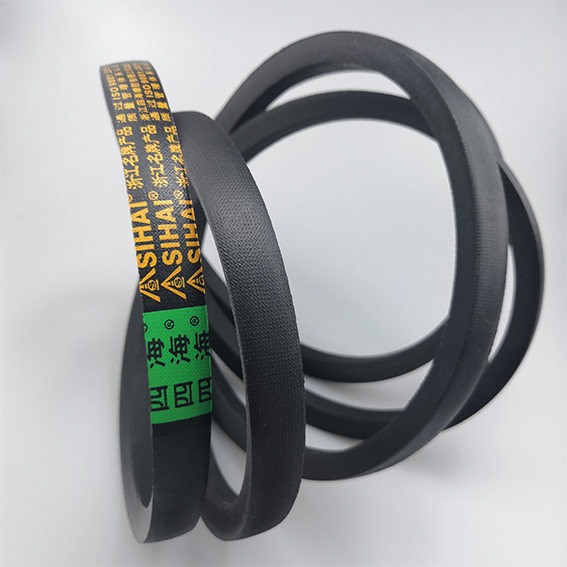
Key Selection Criteria for Flat Belt in Industrial Applications
Matching Load Requirements with Flat Belt Strength and Width
Getting the right flat belt starts by looking at what kind of workload it needs to handle. When talking about industrial setups, the belt's tensile strength (usually measured in kN/m) has to match up pretty closely with the torque demands. This becomes really important when things start running fast and power transmission goes over around 150 horsepower per inch. The width matters too because it affects how force gets spread out across the belt. If a belt is too narrow for the job, it'll just slip when loaded up. But go too wide and we end up wasting energy plus putting extra strain on bearings. Take conveyor systems for instance. Those moving heavy bulk materials typically need belts that are somewhere between 30 to 50 percent wider compared to what's used on lighter duty packaging lines. This helps avoid early wear issues and keeps tension nice and even throughout operation.
Evaluating Speed Ratings and Their Impact on Flat Belt Efficiency
How fast something operates really affects how efficient it runs and how long it lasts. These days, flat belts can reach almost 99% mechanical efficiency when running at speeds around 20,000 feet per minute because they bend easily and have those special traction layers designed just right. But push past what's recommended and things start going wrong real quick. The belts get hit by too much centrifugal force which makes them slip more, wears them down faster, and creates unwanted heat buildup. This matters a lot in places like paper mills where machines need to keep spinning at exactly the same rate, sometimes within half a tenth of a percent accuracy. Getting the belt speed numbers to match up properly with the pulley rotations becomes absolutely critical if we want to avoid overheating problems and ensure these systems run reliably for years without constant breakdowns.
Accounting for Temperature Extremes and Material Durability
Choosing the right materials depends heavily on what temperatures they'll face during normal operation. Take polyurethane for instance it stays flexible even when temps drop to minus 40 degrees Celsius, but starts breaking down once things get hotter than 80 degrees. Rubber compounds can handle brief heat waves up to around 120 degrees, though they become really stiff in freezing conditions. Look at any industrial setting and about seven out of ten early component failures come from using materials that just aren't suited for the environment. Then there's the question of chemicals. Oil resistant neoprene works much better than regular rubber in auto manufacturing shops where parts constantly run through lubricants. Meanwhile certain synthetic rubbers stand up pretty well against mild acids commonly found in food processing areas. The specifics really matter when picking materials for these applications.
Optimizing Center Distance and Belt Length for Stable Transmission
Getting the right spacing between pulleys helps reduce problems like vibration, belt slippage, and tension issues across the system. When the center distance falls below three times the diameter of the bigger pulley, belts tend to sag too much. On the flip side, when this distance goes beyond eight times the larger diameter, we start seeing belt whip and trouble with tracking stability. Calculating belt length accurately makes sure tension stays even throughout, which can actually double or triple the belt's lifespan compared to setups that aren't properly aligned. The standard calculation looks something like this: L equals twice the center distance plus 1.57 times the sum of both pulley diameters, then add the square of the difference between those diameters divided by four times the center distance. Here, C stands for center distance, while D represents the larger pulley diameter and d is for the smaller one.
Operating Environment and Real-World Performance Factors
Interplay of load, speed, and temperature in continuous operation
Flat belts used in ongoing industrial operations deal with built-up stress across three main factors that work together: mechanical load, how fast they rotate, and the surrounding temperature. When things spin too quickly, they create extra heat through friction. Heavy loads put more tension on the belt material, which wears it down faster especially when both issues happen at once. Industry data shows belts running hotter than 85 degrees Celsius break down about 40 percent quicker than ones staying within their recommended temperature range. For these belts to last longer, operators need to keep an eye on all three conditions simultaneously rather than fixing one problem at a time. Most manufacturers specify safe ranges for each parameter, but real world experience shows that balancing them properly makes all the difference in belt longevity.
Overcoming environmental challenges: dust, moisture, and chemicals
Contaminants in the environment really mess with how things perform, especially when it comes to industrial equipment. When dust builds up on conveyors, we're looking at around a 15 to 20 percent drop in traction. Moisture is another problem because rubber belts tend to absorb water and expand, sometimes growing by about 3% which throws off their tension settings completely. For chemical environments, picking the right materials matters a lot. Polyurethane works well against oils and solvents, while synthetic rubber stands up to mild acids. And don't forget about static electricity issues in humid areas or places where electronics are manufactured. Anti-static treatments become absolutely necessary there to stop those annoying electrostatic discharges. Cleaning regularly isn't just good practice either. Studies show that proper maintenance routines can actually double the lifespan of components in some cases, giving manufacturers a solid return on investment over time.
Case study: Preventing flat belt failure through condition alignment
A food processing plant experienced monthly flat belt failures on packaging lines. Root-cause analysis revealed misaligned operating conditions:
| Factor | Initial State | Optimized State | Improvement |
|---|---|---|---|
| Load | 130% of rated | 95% of rated | |
| Speed | 1,800 RPM | 1,500 RPM | |
| Temperature | 90°C | 75°C | |
| Failure Rate | Every 3 weeks | 9+ months | 400% longer life |
By reducing line speed, installing cooling vents, and resizing pulleys to improve tension control, the plant eliminated unplanned downtime—demonstrating how integrated condition management prevents premature failure.
Ensuring Compatibility Between Flat Belts and Pulley Systems
Selecting pulleys with proper surface finish and crown for flat belts
The way pulleys are designed makes a big difference in how flat belts track and last over time. When pulleys have that slight convex shape we call crowned, they actually guide the belt right towards the middle spot. This keeps the belt from drifting sideways across the pulley face, all without needing to crank up the tension levels so much it damages things. For best results, many engineers still swear by cast iron pulleys that have been properly machined with those crowns. They just hold up better against wear and provide good grip for the belt material. Polished steel surfaces work great for those high speed V-belts, but not so much for flat belts where they tend to wear down faster than expected. And here's something interesting: when pulleys are correctly crowned instead of left flat faced, studies show shaft loading drops around 30%. That kind of reduction really adds up over years of operation.
Avoiding misalignment and tracking issues in flat belt setups
When equipment isn't properly aligned, it leads to all sorts of problems down the line including early component wear, wasted energy, and sometimes even total system failures. The folks over at Plant Engineering have found that if angular misalignment goes beyond 3 degrees, transmission efficiency drops around 3%. For installations, laser alignment tools are pretty much essential these days. Maintenance teams typically check things again every three months using good old fashioned straight edges. Idler wheels play their part too by keeping belt tension steady throughout operation. And newer belt designs actually track themselves automatically, adjusting for small shifts in position. These smart belts cut down on misalignment issues significantly in actual field conditions, with some facilities reporting as much as a 70% reduction in alignment problems after switching to them.
Importance of groove design and belt-to-pulley contact area
Flat belts work fine without those deep grooves we see in other systems. But when manufacturers add shallow V-grooves or contoured shapes to the pulleys, they actually get better contact area and more friction without making the belt stiff. For most applications, keeping the belt wrapped around at least 150 degrees helps maintain good grip, especially when dealing with changing load conditions throughout operation. Some setups use polyurethane coatings on their pulleys specifically for damp environments where regular rubber would slip. The way these modern designs distribute pressure across the contact surface keeps power transfer steady and reliable. They beat out traditional V-belts hands down whenever the application needs smooth running, low noise levels, and accurate positioning over time.
Comparative Advantages and Limitations of Flat Belts in Power Transmission
Energy efficiency and quiet operation benefits of flat belts
Flat belts today can reach around 99% mechanical efficiency, which is roughly 2.5 to 3 percentage points better than regular V-belts. They manage this because they bend less thanks to their thinner profiles and don't suffer from the same pulley wedging issues. The smooth surfaces on these belts also mean they run quietly, something that matters a lot in places where noise needs to be kept down. Think labs, cleanrooms, and those pharmaceutical packaging operations where even small sounds can disrupt delicate processes. What makes all this possible are these special high modulus traction layers combined with friction covers designed specifically to keep things from slipping when there's consistent load applied over time.
Maintenance needs and service life vs. V-belts and other types
Flat belts work with much less initial tension compared to other belt types, which cuts down on bearing stress somewhere around 30 percent and actually makes bearings last longer over time. The catch though is that these belts need pretty exact alignment or else they'll start tracking problems. That's different from V-belts which naturally stay centered within their grooves without so much fuss. Another thing worth mentioning is that regular flat belts don't come with any kind of built in protection against dirt and debris. But there are special polyurethane reinforced options available now, and those tend to outlast standard rubber belts by about 20% when used in cleaner industrial settings where contamination isn't such a big concern. One weakness remains with spliced joints though. These connections can become problematic after repeated cycles of load and unload, so it's important for technicians to check them regularly as part of normal equipment upkeep.
When flat belts underperform: High-torque and shock-load limitations
Flat belts can only handle around 60 to 70 percent of what equivalent V-belts manage when it comes to torque capacity. This is because flat belts depend entirely on surface friction instead of having that mechanical interlock feature that V-belts possess. When shock loads go beyond 150% of what they're rated for, these belts simply slip out right away which often leads to unexpected system shutdowns. For this reason, flat belts just don't cut it in applications involving heavy impacts like Crushers, Stamping Presses, or Hydraulic Pumps where there are frequent sudden surges in torque demand. That's where grooved belt options shine brighter. These alternatives actually do a much better job at absorbing those impact forces while still maintaining their grip even during those brief but intense overload situations that happen from time to time in industrial settings.
Modern Materials and Innovations in Flat Belt Design
Polyurethane vs. rubber: Performance and application fit
Flat belts made from polyurethane stand out because they resist wear better than most materials, stay dimensionally stable over time, and maintain their flexibility even after years of use. These qualities make them particularly well suited for applications that require precision, such as in packaging lines, label applicators, and automated assembly systems where maintaining consistent belt tension without stretching is absolutely essential. When it comes to rubber alternatives, they tend to absorb shocks better and dampen vibrations effectively, which explains why they work so well on conveyor systems handling heavier materials or operating in environments prone to constant shaking. Temperature wise, polyurethane can handle pretty extreme conditions ranging from minus 40 degrees Celsius all the way up to 85 degrees Celsius. Rubber belts might tolerate brief temperature spikes reaching 121 degrees Celsius, but they start breaking down much quicker when exposed to ozone or ultraviolet light over extended periods.
High-strength reinforcements: Polyester and aramid cord layers
The presence of embedded reinforcement layers has become essential for what modern flat belts can achieve today. Polyester cords are known for their remarkable dimensional stability, showing minimal stretch even when loaded beyond standard ratings, which helps keep timing accurate in critical machinery operations. Aramid fibers, such as those branded as Kevlar, deliver impressive strength characteristics. They actually have about five times the tensile strength compared to steel while weighing roughly the same. This allows manufacturers to produce thinner belts that weigh less yet still manage to transfer around 20% additional power without losing shape over time. The materials used in these core structures also stand up well against repeated bending motions, so many industrial users report seeing belt lifespans increase by approximately 40% in machines running constantly throughout shifts.
Emerging trends: Self-tracking, anti-static, and low-maintenance belts
The main goal behind innovation these days is cutting down what companies actually spend over time. Take self-tracking belts for instance they have those special edge guides that really bring down alignment problems about 70% compared to older models. The anti-static stuff we put into materials knocks out around 95% of static buildup, which matters a lot when working with sensitive electronics or handling powders in pharma settings. We also apply hydrophobic coatings that push away oil and dust particles, so maintenance crews don't need to clean equipment nearly as often maybe half the time. All these improvements together can save businesses roughly 18% per year on overall costs, based on findings from the Ponemon Institute's latest look at industrial maintenance expenses in 2023.
Frequently Asked Questions (FAQs)
What are the advantages of flat belts over V-belts?
Flat belts offer higher energy efficiency and quieter operation due to their thinner profiles and reduced bending. They can achieve around 99% mechanical efficiency and generally produce less noise than V-belts.
How do speed ratings affect the performance of flat belts?
Speed ratings play a crucial role in determining the mechanical efficiency of flat belts. Running beyond recommended speeds can lead to increased centrifugal force, slipping, accelerated wear, and unwanted heat buildup.
What materials are best suited for extreme temperature applications?
For extreme temperature applications, polyurethane is ideal as it remains flexible in temperatures ranging from minus 40 degrees Celsius to 80 degrees Celsius. Rubber compounds can withstand brief heat waves up to 120 degrees but become stiff in freezing conditions.
Can flat belts handle high-torque applications?
Flat belts are limited in handling high-torque applications as they depend on surface friction instead of mechanical interlock, akin to V-belts. They handle roughly 60-70% less torque than equivalent V-belts and can slip during shock-load scenarios.
How do self-tracking belts improve industrial operations?
Self-tracking belts reduce alignment issues by up to 70% compared to traditional models, thanks to their special edge guides. They facilitate smoother operation and reduce maintenance costs due to fewer alignment corrective actions being required.