EN
EN

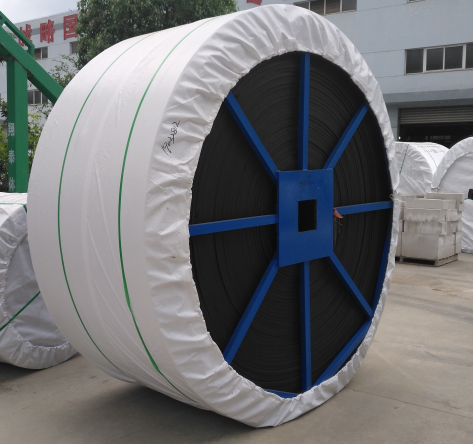
Material Durability and Wear Resistance for Long-Term Conveyor Belt Performance
Industrial conveyor belts endure relentless stress. Material durability directly dictates operational lifespan and cost efficiency. Selecting the right construction prevents premature failure and unplanned downtime.
Rubber compounds, TPU, and stainless steel modular belts: comparative service life under 24/7 industrial operation
Rubber compounds offer flexibility and shock absorption but degrade faster under heavy abrasion. Thermoplastic polyurethane (TPU) belts provide 3x greater cut resistance than standard rubber in mining applications. Stainless steel modular belts excel in extreme environments, lasting 8–12 years in food processing plants with daily sanitization. Key factors:
- Abrasion loss (ISO 14890 standards)
- Impact resistance at critical loading points
- Flexibility retention after 500,000+ cycles
Oil, ozone, and UV resistance in conveyor belt cover compounds to prevent cracking and delamination
Cover compounds protect the belt’s core from environmental damage. Synthetic rubber blends with anti-ozonants withstand outdoor UV exposure for 5+ years without cracking. Oil-resistant formulations (tested to ISO 1817) reduce swelling by 70% in automotive assembly plants. Critical failure modes prevented:
- Cover delamination from carcass
- Surface cracking propagating to inner plies
- Chemical degradation in humid settings
Ceramic-coated belts extend service life 2.8× in abrasive material handling by embedding alumina oxides into the cover compound.
Tensile Strength and Load-Bearing Capacity: Engineering Safety into Every Conveyor Belt
Steel-Cord vs. Fabric-Ply Carcasses: Tensile Strength Differentials and Splice Integrity for High-Mass Conveyance
Steel cord carcasses offer around three times the tensile strength compared to polyester nylon fabric ply options, typically ranging between 2000 to 10000 Newtons per square millimeter. For mining operations moving massive amounts of iron ore through conveyor belts at rates exceeding 5000 tons per hour, this difference matters a lot. Steel cords hold up much better over long distances too. When looking at conveyor systems stretching kilometers across mine sites, fabric plies tend to show signs of wear and tear at those splice points after repeated loading cycles. Getting the vulcanization right is really important here because when splices come apart it can lead to complete belt failure during operation, which nobody wants to deal with in bulk material handling applications.
Compliance with ISO 21183-1 Safety Margins for Bulk Densities Exceeding 50 kg/m³
When dealing with heavy materials such as gravel which weighs around 1800 kg per cubic meter or copper concentrate at approximately 3200 kg per cubic meter, the ISO 21183-1 standard requires a safety factor of at least 10 to 1 between what the belt actually experiences during operation and its maximum strength rating. This kind of safety margin helps avoid catastrophic failures like stretching beyond limits or complete rupture when handling bulk materials that weigh more than 50 kg per cubic meter. Belts that don't meet these requirements are simply asking for trouble they might snap suddenly under unexpected load surges, sending parts flying through the air at speeds reaching up to 200 kilometers per hour. Getting third party certifications means having independent verification that the conveyor belt can handle those extreme stress conditions without putting workers in harm's way.
Chemical, Thermal, and Environmental Resistance for Harsh-Environment Conveyor Belts
Ceramic-coated and specialty EP covers: 2.8× longer life in abrasive cement kiln feed lines
Ceramic-embedded covers and engineered ethylene-propylene (EP) compounds demonstrate 2.8× greater longevity in cement kiln feed applications compared to standard rubber belts. This durability stems from reinforced molecular structures that resist material embedding and surface degradation when moving abrasive aggregates at high temperatures.
Temperature resilience: from –40°C cryogenic food processing to +200°C sinter cooler discharge
Conveyor belts need to stay flexible yet strong even when temperatures swing wildly. High quality materials can handle impacts without breaking down in freezers as cold as minus 40 degrees Celsius. They also won't crack or become brittle when moving hot sintered materials over 200 degrees Celsius. This kind of temperature resilience stops belts from peeling apart prematurely. Food processors dealing with frozen products and metal manufacturers working with heat intensive processes both benefit greatly. Thermal cycling between extreme temps tends to wear out regular belts much faster than expected.
FDA-compliant washdown resistance and corrosion protection in humid or chemically aggressive settings
When dealing with pharmaceuticals and chemicals, FDA approved conveyor belts are designed with special coatings that stop corrosion and have surfaces that don't absorb contaminants. The belts stand up to those intense cleaning cycles where water pressure is really high, and they won't break down when exposed to harsh acids or bases from accidental spills. Manufacturers have been using these advanced plastic materials for years now, which helps fight off both ozone and humidity problems in places where it's always damp. Some recent tests done in 2023 showed that facilities near the coast saw their belt maintenance needs drop around 60%, though results can vary depending on local conditions and how well the systems are maintained overall.
Tear, Impact, and Abrasion Resistance: Preventing Catastrophic Conveyor Belt Failure
Conveyor belts used for moving rough aggregates, scrap metal, or boxed items take a real beating day after day. They get damaged by sharp hits, tears, and all sorts of wear and tear. The main problems causing breakdowns are things like punctures from heavy objects dropping down at loading points, long tears where stuff gets stuck between belt sections, and gradual wearing away of surfaces due to constant rubbing against materials. Engineers tackle these issues with special materials. Some belts use UHMW-PE or nylon blends that soak up shocks without getting deformed. Others have Kevlar reinforcement or steel mesh inside to stop small tears from turning into big ones. Special rubber mixes with extra additives help keep belts intact even when dragged across rough ores. When belts aren't tough enough, the surface wears thin until objects can actually poke through. Impacts create weak spots that eventually lead to tears, and weakened layers simply give way under normal tension. Plants that focus on belt durability specs see about 68% fewer unexpected belt changes during their material handling operations, which saves money and downtime.
Predictive Maintenance and Total Cost of Ownership for Heavy-Duty Conveyor Belts
Vibration analysis, edge tracking drift, and cover thickness loss as key replacement triggers
In industrial settings, operators keep an eye on things like vibration patterns, belt alignment problems, and signs of material breakdown so they can catch potential failures early. When strange harmonic noises start showing up, that's usually a red flag for worn out roller bearings. And if the edge of something starts drifting more than 3 millimeters off track, we know there's going to be serious tracking problems soon. Another thing to watch for is when cover thickness drops below 70% of what it was originally supposed to be – this kind of thinning leads to much faster damage to the underlying structure. By paying attention to these warning signs, maintenance teams can intervene before anything actually breaks down completely. Factories using sensor based diagnostic systems report around a quarter to third less unexpected downtime than those relying on old fashioned reactive approaches. This means production lines stay running smoother overall, which everyone appreciates when trying to meet tight deadlines.
How higher initial investment in premium conveyor belt materials reduces 5-year TCO by up to 37%
Opting for advanced rubber compounds or steel-reinforced designs curtails replacement frequency and maintenance labor. Industry reports confirm premium materials lower long-term expenses despite higher upfront costs. Consider this lifecycle comparison:
| Material Type | Lifespan | Maintenance % of TCO | 5-Year Savings vs. Standard |
|---|---|---|---|
| Standard Synthetic | 6–12 months | 42% | Baseline |
| Reinforced Polymer | 24–36 months | 18% | 29–37% |
Operators prioritizing durability reduce annual repair costs by 31% through fewer changeouts and minimized production stoppages. This strategic investment aligns with ISO 21183-1 efficiency standards for heavy-load systems.
FAQ
What factors impact the lifespan of a conveyor belt?
The lifespan of a conveyor belt depends on material durability, environmental resistance, impact and abrasion resistance, and tensile strength. Using the right materials and proper maintenance can extend a belt's life significantly.
Why are premium materials recommended despite higher initial costs?
Investing in premium materials can reduce the total cost of ownership by lowering replacement frequency and maintenance needs. While the upfront cost is higher, the savings in long-term expenses make it worthwhile.
What are common failures in conveyor belts and how can they be prevented?
Common failures include tears, punctures, and abrasion. Preventing these issues involves choosing belts with appropriate material construction, performing regular maintenance, and using predictive diagnostics to catch wear signs early.
Table of Contents
- Material Durability and Wear Resistance for Long-Term Conveyor Belt Performance
- Tensile Strength and Load-Bearing Capacity: Engineering Safety into Every Conveyor Belt
- Chemical, Thermal, and Environmental Resistance for Harsh-Environment Conveyor Belts
- Tear, Impact, and Abrasion Resistance: Preventing Catastrophic Conveyor Belt Failure
- Predictive Maintenance and Total Cost of Ownership for Heavy-Duty Conveyor Belts
- FAQ