EN
EN

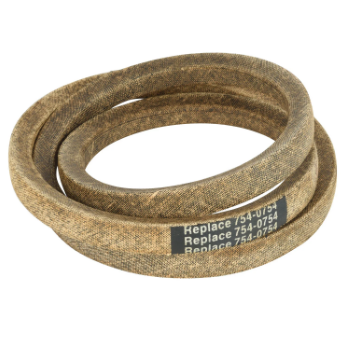
Lawn Mower Belt Sizing, Compatibility, and OEM Part Number Fundamentals
Why Precise Belt Dimensions Prevent Costly Returns in B2B Distribution
When distributing commercial lawn equipment, small mistakes in belt sizing can cause big problems down the line. Just half an inch difference in length or a millimeter off in width leads to pulley slippage and puts extra stress on drive systems, which means parts wear out faster and customers get frustrated. According to recent industry reports from Material Handling Institute (2023), around one quarter of all B2B belt returns happen because belts don't fit properly, costing distributors roughly $85 per return for shipping back and restocking. These kinds of errors do more than just eat into profits they also damage relationships with dealers who start losing confidence in product quality. Proper measurements for length, width, and those tricky angle profiles make sure belts fit right the first time across entire equipment fleets, cutting down on those annoying returns that nobody wants to deal with.
Cross-Model Compatibility Mapping: Reducing Misshipments Across Brand Ecosystems
Smart compatibility systems are changing how companies approach belt inventory management, moving away from just replacing broken parts when they fail toward actually planning ahead. Things like variations in pulley grooves, different drive system setups, and how materials behave under various weather conditions can all lead to sending the wrong belts - this happens quite often with those no-name or generic products on the market. Top distributors have started using these fancy cross-reference tools that gather compatibility info from over 150 different manufacturers into one place. Take for example when a specific Toro TimeCutter belt works with certain Husqvarna Z400 models. The system picks up on this match automatically, which has cut down on shipping errors by around two thirds and reduced warehouse picking mistakes by about 50% according to Landscape Supply Quarterly from last year. Not bad at all considering how complicated belt matching really gets sometimes.
OEM Part Numbers as the Anchor for Inventory Accuracy and Brand Compliance
The codes assigned by manufacturers serve as essential markers in wholesale belt business dealings. Generic stock keeping units just don't cut it when compared to original equipment manufacturer part numbers such as the John Deere M145449 or the Cub Cadet 754-04052. These special number sequences actually contain specific details about things like how strong the material is under tension, what temperatures they can handle, and even what kind of rubber was used in their formulation. Without these unique identifiers, there's always the risk someone might try replacing parts with something not approved by the supplier. Warehouse managers who keep their OEM code records accurate at around 99 percent typically see about half as many warranty issues pop up, plus they pass those pesky brand compliance checks without breaking a sweat. A procurement manager from last year put it this way: "We scan those OEM barcode tags right when goods arrive at our loading bay, and that stops roughly nine out of ten times when specs don't match what we ordered." Staying on top of these details helps avoid expensive Minimum Advertised Price problems and keeps the company's authorized seller status intact.
Sourcing Lawn Mower Belts: Navigating OEM Authorization vs. Aftermarket Opportunities
Aftermarket Margins and MOQ Flexibility: Strategic Advantages for Mid-Tier Wholesalers
For mid tier wholesalers, aftermarket lawn mower belts offer serious competitive advantages. The profit margins here usually sit around 40 to 50 percent, way above the 15 to 25 percent range seen with original equipment manufacturer products. Why? Because these aftermarket options benefit from simpler production processes and don't carry the same regulatory burdens. What really makes a difference though is the order size requirements. Aftermarket suppliers typically ask for just 500 to 1,000 units at a time, which stands in stark contrast to OEMs who often demand minimums of 5,000 units. This means smaller distributors can manage their money better while still keeping a variety of stock available. According to a recent industry report from 2023, nearly seven out of ten regional wholesalers expanded their businesses last year by focusing on these aftermarket belts when supply chains got disrupted. They pointed to things like easier payment arrangements and faster restocking times as major reasons behind their success stories.
OEM Partnership Pathways: Certification, Minimum Advertised Price (MAP), and Brand Alignment
Getting OEM authorization means going through some pretty intense technical checks. These include factory visits and material tests to make sure everything meets the required production standards. The partnership rules are pretty strict when it comes to pricing. Manufacturers want everyone selling their products at the same price across all stores and online shops to keep the brand value intact. If someone sells something for more than 10% above what's allowed, they're technically breaking the contract terms. Compliance isn't just about shipping stuff around either. Top tier OEMs actually require their partners to attend brand training sessions twice a year. These cover things like warranty procedures and how to handle technical documents properly. While this whole system does help maintain product quality, it definitely limits what distributors can do on their own. Looking at industry numbers from 2024, we see that companies authorized by OEMs spend about 32% more on day to day operations just to stay compliant compared to those who focus mainly on aftermarket parts.
Digital Tools for Accurate Lawn Mower Belt Lookup and Cross-Referencing
Pinpointing the correct replacement lawn mower belt from thousands of equipment models and brands remains a major wholesale challengeâmisidentification causes 65% of B2B return requests (Industrial Logistics Review 2023). Digital lookup platforms solve this through three core functionalities:
- Multi-parameter search engines, allowing filtration by OEM part number, belt dimensions (length/width), or equipment model
- Cross-reference databases, mapping compatible aftermarket alternatives across brand ecosystems
- Real-time inventory sync, showing distributor stock levels during searches
The right tools can really cut down on those pesky catalog errors and slash mis-shipments by around 70 percent. Take zero-turn mowers for instance - just type in the model number and boom, all the matching belts pop right up along with their tension ratings and what materials they're made from. The visual guides are another lifesaver too. They show side by side comparisons of different belt teeth patterns so nobody gets confused between synchronous and V-belt designs anymore. A big name wholesaler told us their story recently about how these tools transformed things completely. What used to take mechanics 45 whole minutes to process replacements now takes less than a minute and a half per order. And when it comes to keeping inventory stocked properly, these systems automatically trigger restocks once parts start running low. This creates much smoother operations across the board for both equipment makers and the dealers who service them day in and day out.
Application-Specific Performance: Matching Lawn Mower Belt Types to Equipment Demands
V-Belt Load Profiles: Why 4L, 3L, and A-Section Belts Dominate Residential to Zero-Turn Applications
Getting the right lawn mower belt means pairing belt types with what the equipment actually needs in terms of power. Most home push mowers go with 3L V-belts that are ¼ inch wide since they work well with smaller pulleys and handle the lighter workload typical of machines under 5 horsepower. When it comes to bigger residential models or those light commercial zero-turn mowers tackling properties around 1 to 2 acres, 4L belts at half an inch wide become necessary. These thicker belts can handle about 40% more torque compared to their 3L counterparts, which makes them less likely to slip when cutting through damp grass. For serious commercial operations running those heavy duty zero-turns with 25 horsepower engines or more, nothing beats A-section belts. These are basically the strongest V-shaped belts available and built specifically to handle massive torque without bending or breaking. According to Landscape Tech Review from last year, these three belt types cover roughly 78% of all installations out there because they strike a good balance between holding power, staying cool during operation, and keeping costs reasonable. One important tip though: always check those original equipment manufacturer load charts before swapping out belts. Getting the wrong profile installed accounts for nearly a quarter of all drive system problems down the road.
Frequently Asked Questions
Why is accurate belt sizing crucial in B2B distribution?
Accurate belt sizing is essential to prevent slippage, reduce wear on drive systems, and avoid costly returns. Improperly sized belts lead to increased stress on machinery, resulting in faster wear and customer dissatisfaction.
How do cross-model compatibility systems benefit distributors?
These systems help reduce shipping errors and warehouse mistakes by mapping compatibility across various brands and models, allowing distributors to better manage inventory and ensure correct shipping.
What is the significance of OEM part numbers in inventory management?
OEM part numbers contain crucial details about belt materials and specifications. They help maintain inventory accuracy, reduce warranty issues, and ensure brand compliance.
What advantages do aftermarket belts offer mid-tier wholesalers?
Aftermarket belts offer higher profit margins and more flexible order size requirements, enabling smaller distributors to manage inventory better and respond to market disruptions effectively.
How do digital tools improve lawn mower belt lookup and management?
Digital tools enable precise searches using multiple parameters, reduce catalog errors, and automatically manage inventory, significantly improving operational efficiency and order accuracy.
Table of Contents
- Lawn Mower Belt Sizing, Compatibility, and OEM Part Number Fundamentals
- Sourcing Lawn Mower Belts: Navigating OEM Authorization vs. Aftermarket Opportunities
- Digital Tools for Accurate Lawn Mower Belt Lookup and Cross-Referencing
- Application-Specific Performance: Matching Lawn Mower Belt Types to Equipment Demands
-
Frequently Asked Questions
- Why is accurate belt sizing crucial in B2B distribution?
- How do cross-model compatibility systems benefit distributors?
- What is the significance of OEM part numbers in inventory management?
- What advantages do aftermarket belts offer mid-tier wholesalers?
- How do digital tools improve lawn mower belt lookup and management?