EN
EN

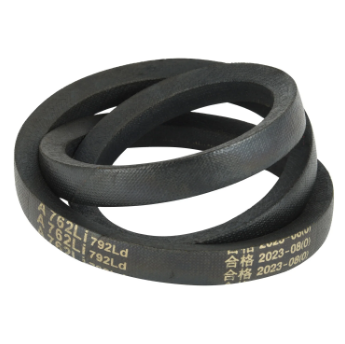
Why Standard V-Belts Waste Energy: Core Loss Mechanisms
Standard V-belts suffer from inherent design limitations that convert mechanical power into wasted heat. Two primary mechanisms dominate energy loss: internal belt hysteresis during flexing and inefficient power transmission through slippage. Understanding these core inefficiencies reveals why upgrading to energy-saving alternatives delivers measurable operational savings.
Belt Flexure and Hysteresis Losses in Continuous Operation
When V-belts wrap around pulleys, the rubber gets compressed and stretched repeatedly as they move. This constant flexing creates internal friction inside the belt material, a phenomenon known in engineering circles as hysteresis. Instead of transferring power efficiently, much of this energy just turns into heat. Industry standards like ISO 9982 tell us that hysteresis actually causes between 15% and 25% of all power loss in typical wrapped belt systems. Things get worse at higher operating speeds because the belt bends so many times per minute. These rapid flex cycles lead to hot spots forming on the belt surface, which not only wears down the material faster but also wastes even more energy over time. The traditional solid-back design adds to these problems since it resists bending more than newer belt constructions do, making those hysteresis losses pile up especially bad during long periods of continuous operation.
Slippage and Tension-Induced Inefficiency in Fixed-Speed Drives
When V-belts aren't properly tensioned, they tend to slip when there's a sudden increase in load. What happens then? Kinetic energy gets turned into useless frictional heat rather than doing actual work. Some studies indicate that just 10% slippage can actually waste around 20% of the power going into fixed speed drives. On the flip side, many technicians tighten belts too much in an attempt to stop this slippage problem. But this creates big issues because it puts way too much pressure on the bearings and shafts. The extra strain makes motors pull more electricity, which raises energy costs somewhere between 5% and 15%, plus it wears out components faster. Getting the right tension is definitely important, but regular belts simply don't have those special friction boosting materials or unique edge shapes that newer belt designs incorporate. These advanced features naturally prevent slippage problems and cut down on all sorts of tension related losses.
Energy-Saving V-Belt Designs: Cogged, Molded, and Raw Edge Variants
Cogged V-Belts: Lower Bending Resistance and 25–35% Reduced Hysteresis Loss (ISO 9982)
Cogged V-belts have these neat little notches cut into their inner side that really cut down on how much they resist bending when running. According to tests following ISO 9982 standards, this special design brings down those energy loss issues called hysteresis by about 25 to 35 percent compared regular wrapped belts. Because they're less stiff overall, these belts can wrap around smaller pulleys smoothly while still getting the job done in terms of transferring power. And here's another plus point: the shape of those notches actually helps air flow better through the belt. This means better cooling happens naturally, which slows down wear from heat buildup. That makes all the difference in fast moving systems where less stress on the belt material means longer lasting performance and better power transfer over time.
Molded Cogged vs. Raw Edge V-Belts: Friction Control, Heat Dissipation, and Lifetime Efficiency
| Performance Factor | Molded Cogged V-Belts | Raw Edge V-Belts |
|---|---|---|
| Friction Control | Consistent grip with molded edges | Superior traction from uncut, high-friction sidewalls |
| Heat Dissipation | Moderate cooling through notches | Up to 20% better thermal regulation via exposed fabric layers |
| Lifetime Efficiency | 15,000–20,000 service hours | 25,000+ hours in high-temperature, continuous-duty environments |
The molded cogged belt design incorporates vulcanized notches which strike a good balance between flexibility, reduced noise levels, and lasting durability. These features make them particularly suitable for machines where maintaining consistent speeds is critical. When it comes to raw edge belts, they skip the outer fabric layer altogether, revealing those high grip fabric underneath. This setup cuts down on slippage somewhere around 3 to 4 percent while allowing better contact with pulleys. What's interesting about this configuration is how it actually increases the surface area available for cooling through convection, helping resist material hardening even when things get hot. For industrial equipment running nonstop like Crushers or Compressors, these raw edge designs tend to last roughly 30% longer in service because stress gets distributed more evenly across the belt and operates at cooler temperatures overall.
Real-World Energy Savings: ROI, Payback, and Application Best Practices
HVAC Compressor Case Study: 12% kWh Reduction with Cogged V-Belts (DOE 2022)
According to a Department of Energy report from 2022, businesses saw their kilowatt-hour (kWh) usage drop by around 12% when they replaced standard belts with cogged V-belts on commercial HVAC compressor drives. The reason? Those deeper grooves in the belts actually reduce the resistance when the belt bends, plus there's less energy lost through hysteresis during normal operations. Considering HVAC systems usually take up between 40 to 60 percent of all energy used in buildings, these small changes added up to significant savings across entire facilities, somewhere between 4.8% and 7.2%. Most companies got their money back within just 18 months thanks to lower electric bills and needing to replace belts less often. Across twelve different locations studied, the return on investment averaged out to about 28%. What does this mean for facility managers? Cogged belts represent a smart move for improving efficiency in air handling units and chillers without taking on much risk at all.
Selecting the Right Energy-Saving V-Belt by Load Profile, Speed, and Duty Cycle
Optimizing V-belt selection requires matching belt technology to three key operational parameters:
- Load Profile: High-torque, shock-loaded applications (e.g., crushers, conveyors) benefit most from raw edge belts' superior grip and slippage resistance; moderate, steady loads may perform adequately with molded cogged designs.
- Speed: Molded cogged belts excel above 3,000 RPM—dissipating heat up to 30% faster than traditional wrapped belts—while raw edge variants maintain stability across broader speed ranges, including low-RPM, high-torque scenarios.
- Duty Cycle: Continuous-operation systems demand heat-resistant compounds and efficient thermal management (e.g., raw edge or molded cogged); intermittent-duty equipment often performs reliably with standard EPDM rubber but still gains efficiency from lower-hysteresis alternatives.
Aligning belt type with these factors prevents avoidable slippage, minimizes thermal degradation, and reduces energy waste by 9–15% across industrial drive systems—without requiring motor or pulley modifications.
FAQ
What are the core inefficiencies of standard V-belts that lead to energy loss?
Standard V-belts mainly waste energy due to internal belt hysteresis during flexing and inefficient power transmission through slippage.
How do cogged V-belts help in reducing energy loss?
Cogged V-belts have notches that reduce bend resistance and improve cooling, reducing hysteresis losses by 25-35% compared to regular wrapped belts.
What kind of applications benefit most from raw edge V-belts?
Raw edge V-belts are best suited for high-torque, shock-loaded applications due to their superior grip and slippage resistance.
What was the reported energy savings from using cogged V-belts in HVAC systems?
Studies indicated a 12% reduction in kilowatt-hour usage when cogged V-belts were used in HVAC systems, resulting in significant cost savings and accelerated payback periods.