EN
EN

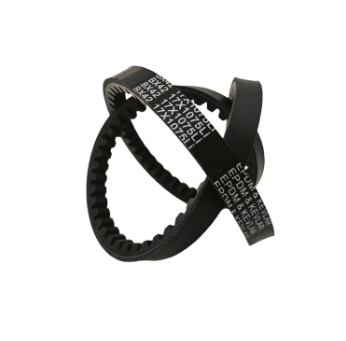
Why V-Belt Selection Directly Impacts Agricultural Machinery Uptime and Efficiency
High-cycle, variable-load operation in tractors, combines, and irrigation pumps
Farm machines work in some pretty rough conditions. Tractors deal with all sorts of weight shifts while plowing fields, combines get pushed to their limits during harvest season, and irrigation pumps just keep running nonstop for hours on end. All this constant cycling with those sudden changes in torque really wears down regular V-belts faster than most people realize. When farmers don't have belts built to handle these kinds of stresses, breakdowns happen when they least expect them, often right in the middle of crucial harvest periods when every minute counts. Getting the right belts makes a big difference though. They stay tight even when loads fluctuate, so there's no slippage wasting fuel or cutting down on power transfer efficiency. Some agricultural engineering research actually shows efficiency drops around 15% when belts slip, which adds up to serious costs over time.
How dust, moisture, and thermal cycling degrade V-belt torque transmission by 12–18% without proper construction
The fields throw around all sorts of abrasive dust that gets stuck in those belt grooves, and then there's morning dew mixing with crop moisture creating really slick working conditions. Throw in those daily temperature changes that make everything expand and contract repeatedly, and it's no wonder belts start wearing down over time. According to some industry tests we've seen, regular belts tend to lose between 12 to 18 percent of their torque capacity after just six months when exposed to these harsh conditions. Most of this loss happens because...
- Cracking from thermal stress during 40°C+ midday operations
- Ply separation caused by moisture absorption
- Pulley groove contamination from silica dust
Wrapped construction belts with sidewall barriers prevent material ingress and demonstrate 30% longer service life in real-world farm conditions.
Real-world impact: S690 combine harvester achieved 72% less drive downtime after switching to wrapped B-profile V-belts
A big name in agriculture swapped out standard belts for wrapped B-profile V-belts on their S690 combines right when harvest season hit its peak. The results? Operators only saw around 42 minutes of downtime related to drives throughout 300 straight hours of harvesting work—that's roughly a 72% drop compared to previous years. Farmers got nearly 48 extra hours of actual field time from each machine during those crucial periods. Why did these belts perform so much better? Well, they have stronger sides that stand up to all that chaff flying around, cords arranged just right to keep tension consistent even when loads change, and materials that don't harden up despite constant heating and cooling cycles. According to research from the Ponemon Institute back in 2023, any delay during harvest season can slash farm profits by more than $740k through lost crops alone. So reliable drive systems aren't just about keeping machinery running—they directly affect bottom lines too.
B-Profile V-Belts: The Optimal Standard for Moderate-Load Agricultural Applications
B-profile V-belts dominate agricultural machinery for their balance of durability, cost-effectiveness, and broad compatibility. Their standardized dimensions (5/8" top width — 13/32" depth) ensure interchangeability across tractors, harvesters, balers, and grain-handling systems—making them the go-to solution for moderate power transmission needs.
Why 68% of OEM Agricultural Equipment Specifies B-Profile V-Belts (ISO 4184) for Reliability and Interchangeability
Original Equipment Manufacturers (OEMs) prioritize ISO 4184-compliant B-profile belts due to proven field reliability and universal fit. Standardization enables cross-brand interchangeability—a critical advantage when servicing equipment in remote fields. This universality reduces downtime by 30% compared to proprietary profiles, as confirmed by ASABE technical reports.
Critical Alignment: Matching B-Profile V-Belt Geometry to Pulley Groove Angles (34° vs. 38°) for Grip, Heat Dissipation, and Service Life
Getting the right match between belt profiles and pulley groove angles matters a lot when it comes to how long equipment lasts and how well it works. The 34 degree grooves work best for those heavy duty seeding machines that need maximum grip, whereas the 38 degree ones are actually better at letting heat escape from things like grain augers that run all day long or irrigation systems. When these angles don't line up properly, wear happens much faster maybe even twice as fast sometimes. That's because the sides of the belt aren't making full contact when under pressure, which creates hot spots and extra strain on specific areas. Farmers who take care to get this alignment right can expect their combines to go through many more hours before needing maintenance checks, often pushing past 200 additional operating hours between services.
Wrapped vs. Raw-Edge V-Belts for Dusty, High-Temperature Farm Environments
Agricultural operations expose V-belts to extreme conditions—dust infiltration, thermal cycling, and high humidity—all of which accelerate wear in grain-handling systems and irrigation pumps. Belt construction is therefore a decisive factor in balancing longevity and power transmission efficiency.
Trade-off analysis: Wrapped V-belts extend service life by 40% in grain-handling systems but reduce peak torque capacity by ~9% (ASABE D497.7 validated)
V-belts with fabric covered sides stand up better against abrasive dust, keeping those tiny particles from getting stuck in the pulley grooves where they cause damage over time. Testing according to ASABE standards shows these wrapped belts last about 40% longer when used on combines and grain conveyors. The downside? That same fabric layer creates just enough friction to cut down on grip strength, which means peak torque drops around 9% compared to belts with raw edges. Raw edge belts let the rubber touch the pulleys directly, giving maximum torque transfer but they wear out quicker when dust is present. Another thing worth noting: thermal imaging reveals raw edge designs cool down 17% faster than their wrapped counterparts. So what's an operator to do? If dust buildup is the main concern, go with wrapped belts. But if overheating or sudden load spikes are more common issues, then raw edge might be the way to go despite the shorter lifespan.
FAQ Section
Q: Why are V-belts crucial for agricultural machines?
A: V-belts help maintain machinery efficiency by providing reliable torque transfer and reducing slippage, especially under variable load conditions.
Q: How does dust affect V-belt performance?
A: Dust can clog belt grooves, causing torque loss and faster wear. Wrapped construction belts can prevent dust ingress and extend service life.
Q: What is the benefit of using B-profile V-belts?
A: B-profile V-belts offer durability, cost-effectiveness, and compatibility, making them ideal for moderate-load agricultural applications.
Q: How does the alignment of belt profiles and pulley groove angles affect machinery?
A: Proper alignment ensures optimal grip and heat dissipation, extending machinery service life and preventing fast wear.
Q: What's the difference between wrapped and raw-edge V-belts in dusty environments?
A: Wrapped belts resist dust better and have a longer lifespan, whereas raw-edge belts offer higher torque transfer but wear out faster.
Table of Contents
-
Why V-Belt Selection Directly Impacts Agricultural Machinery Uptime and Efficiency
- High-cycle, variable-load operation in tractors, combines, and irrigation pumps
- How dust, moisture, and thermal cycling degrade V-belt torque transmission by 12–18% without proper construction
- Real-world impact: S690 combine harvester achieved 72% less drive downtime after switching to wrapped B-profile V-belts
- B-Profile V-Belts: The Optimal Standard for Moderate-Load Agricultural Applications
- Wrapped vs. Raw-Edge V-Belts for Dusty, High-Temperature Farm Environments
- FAQ Section