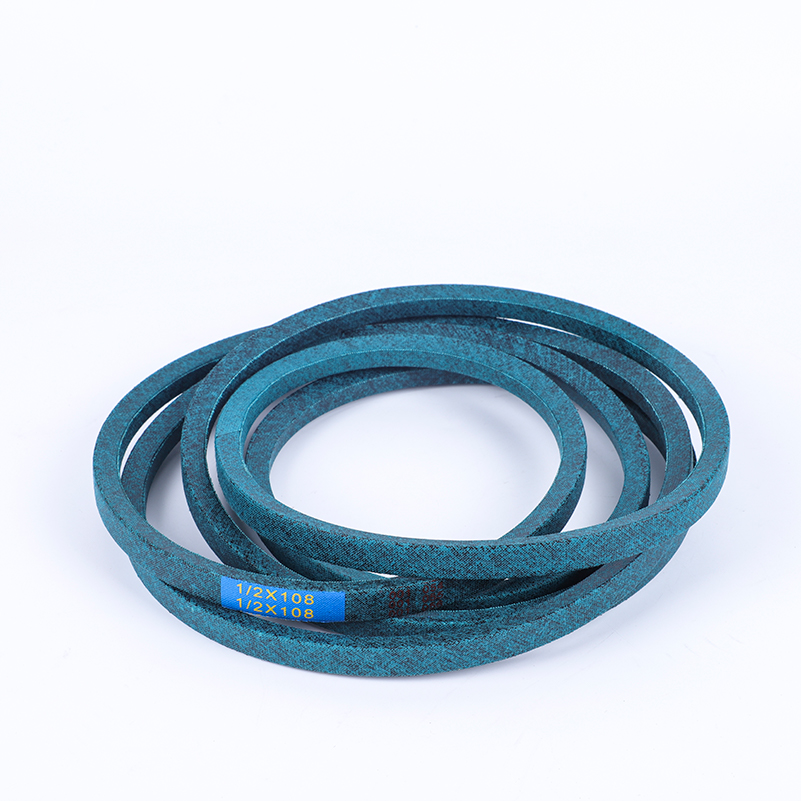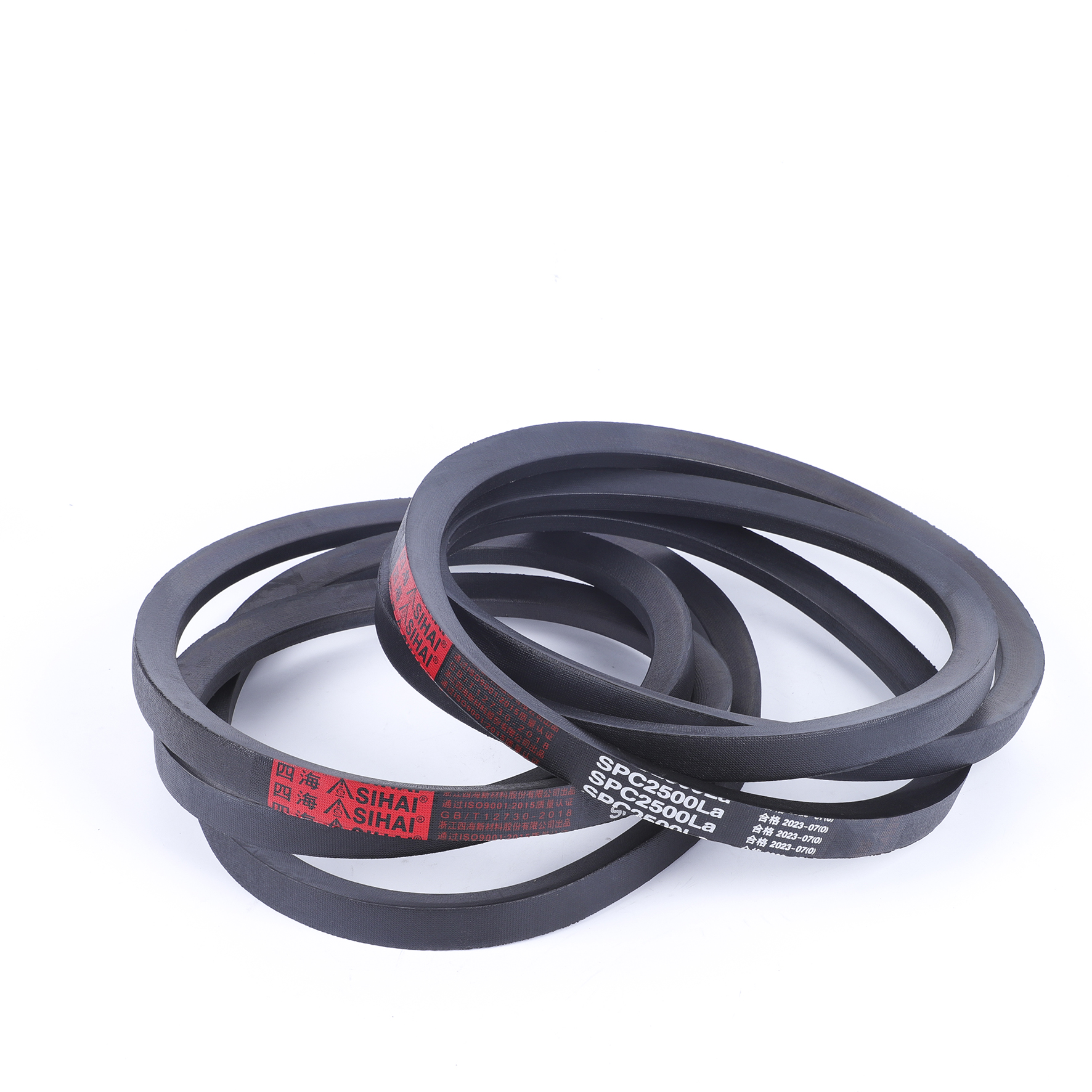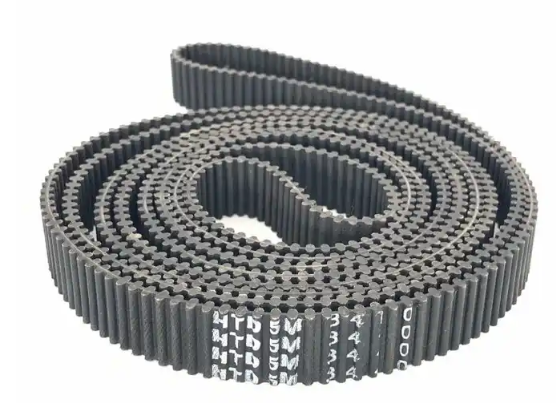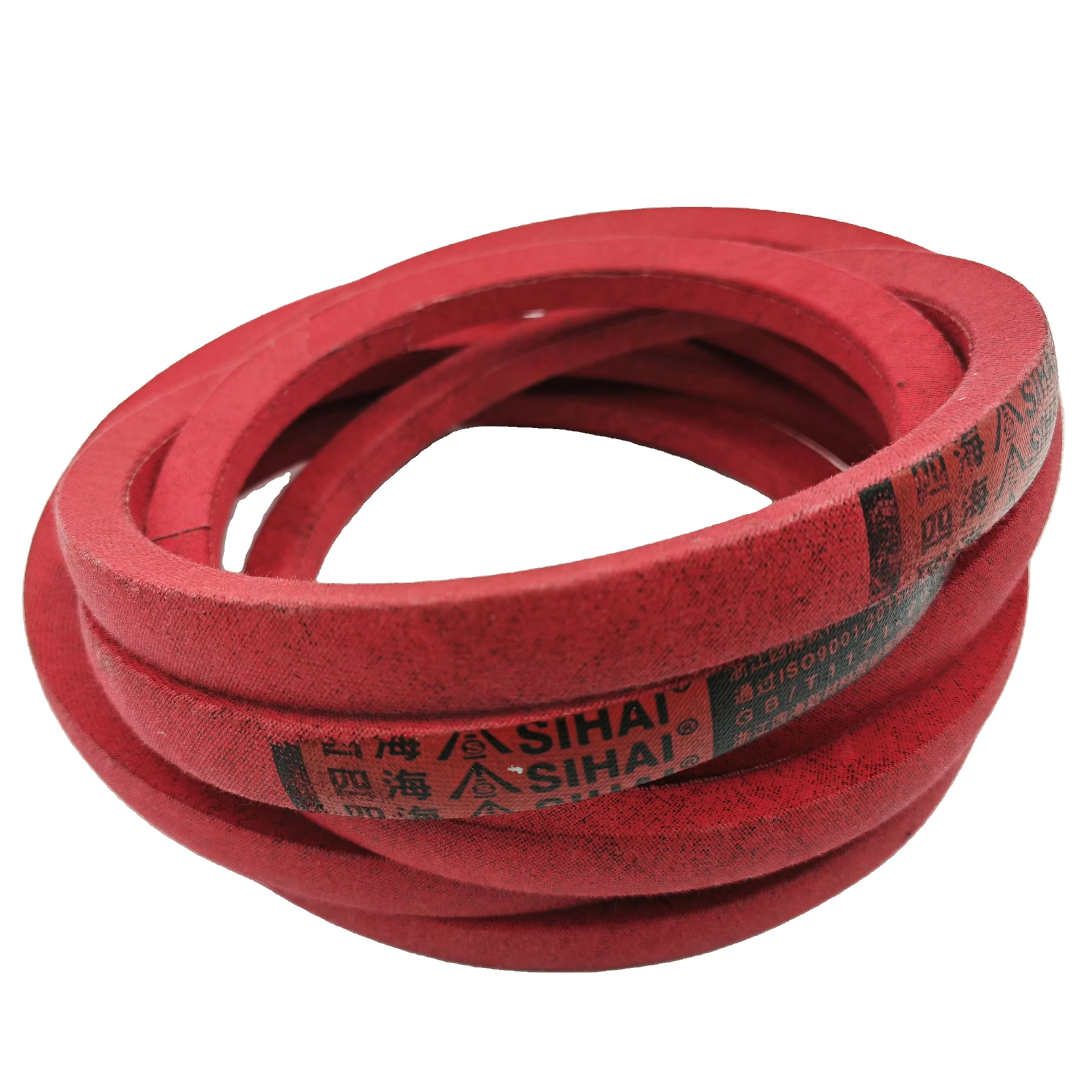
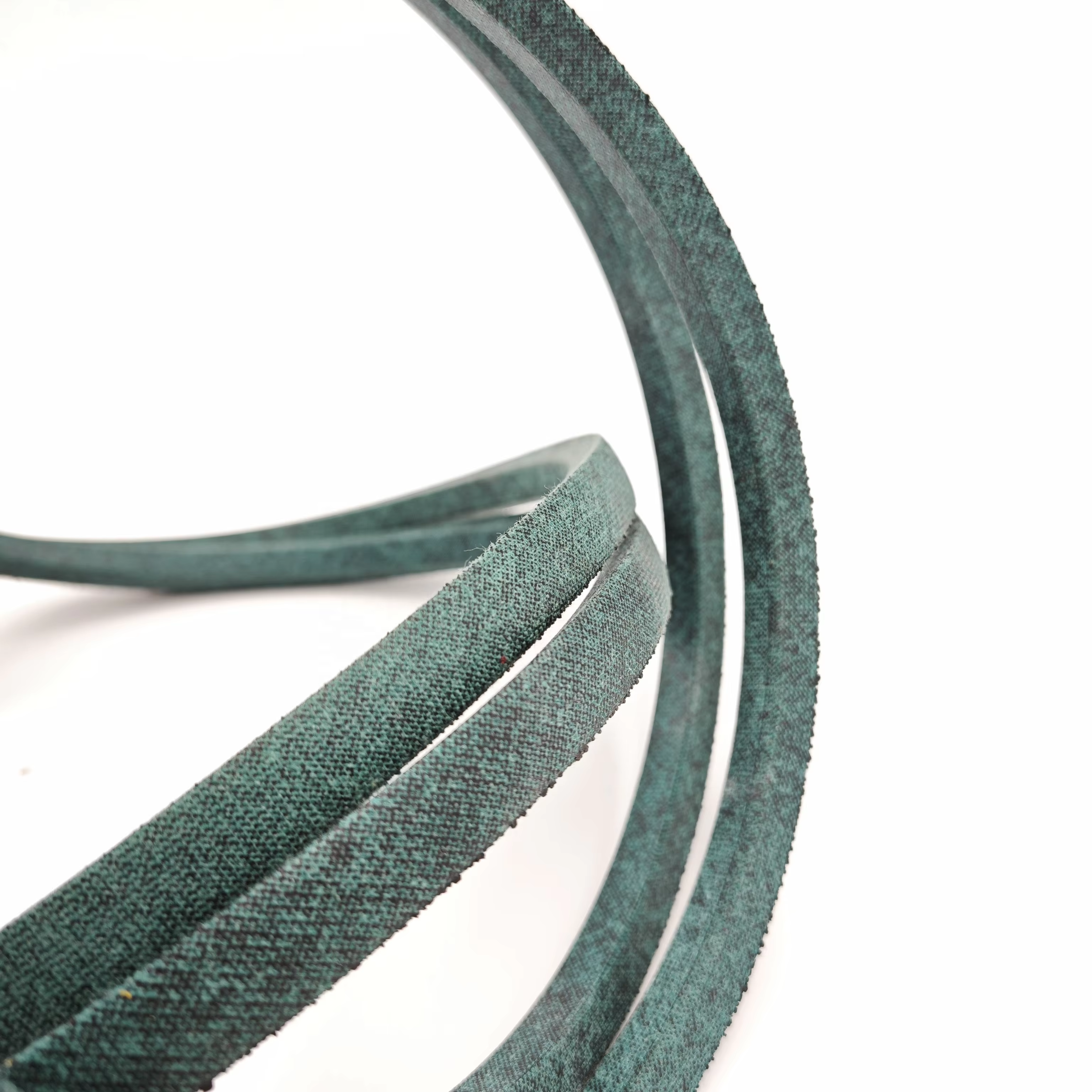
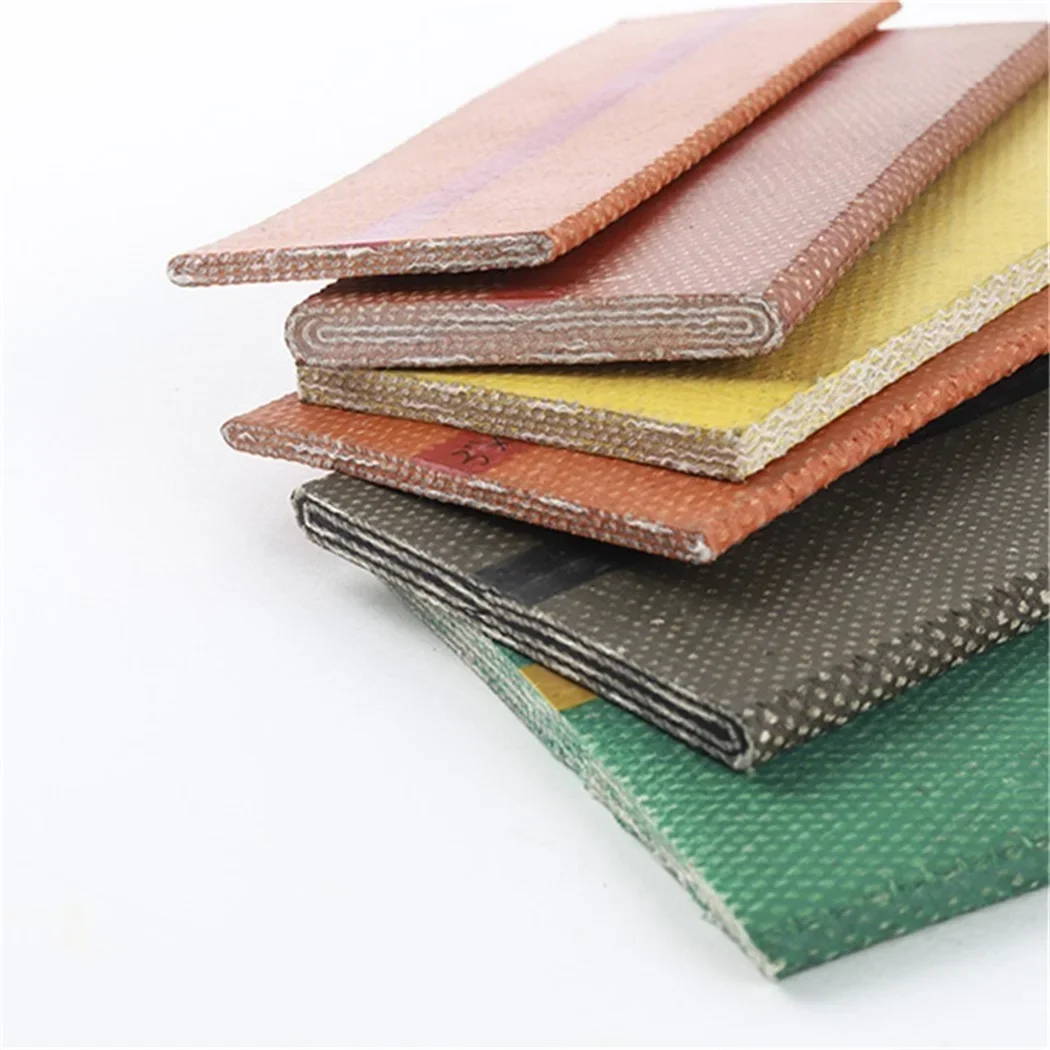
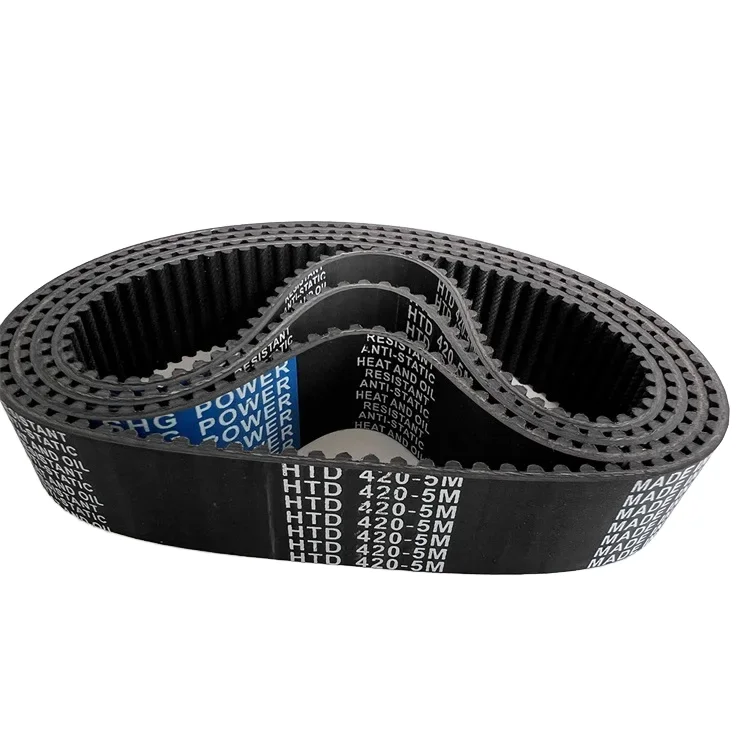
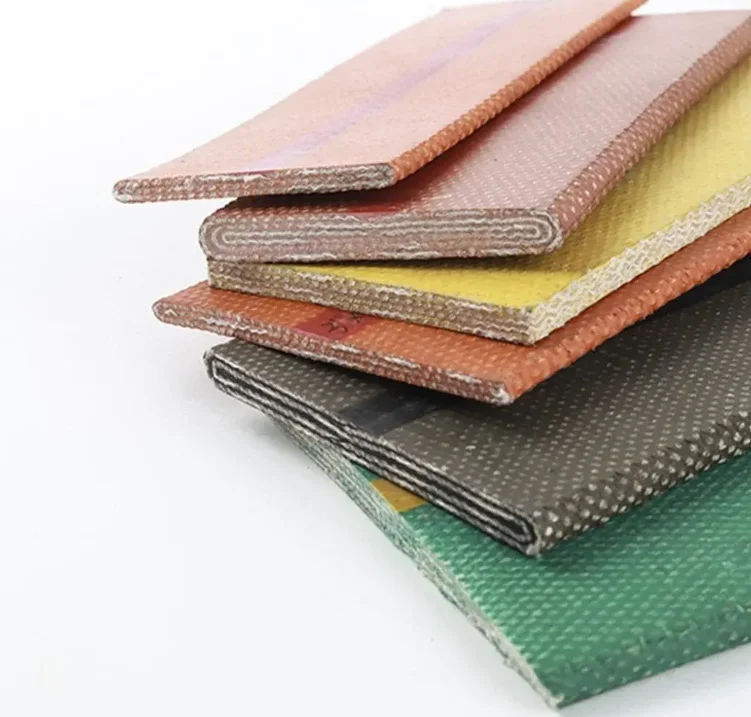
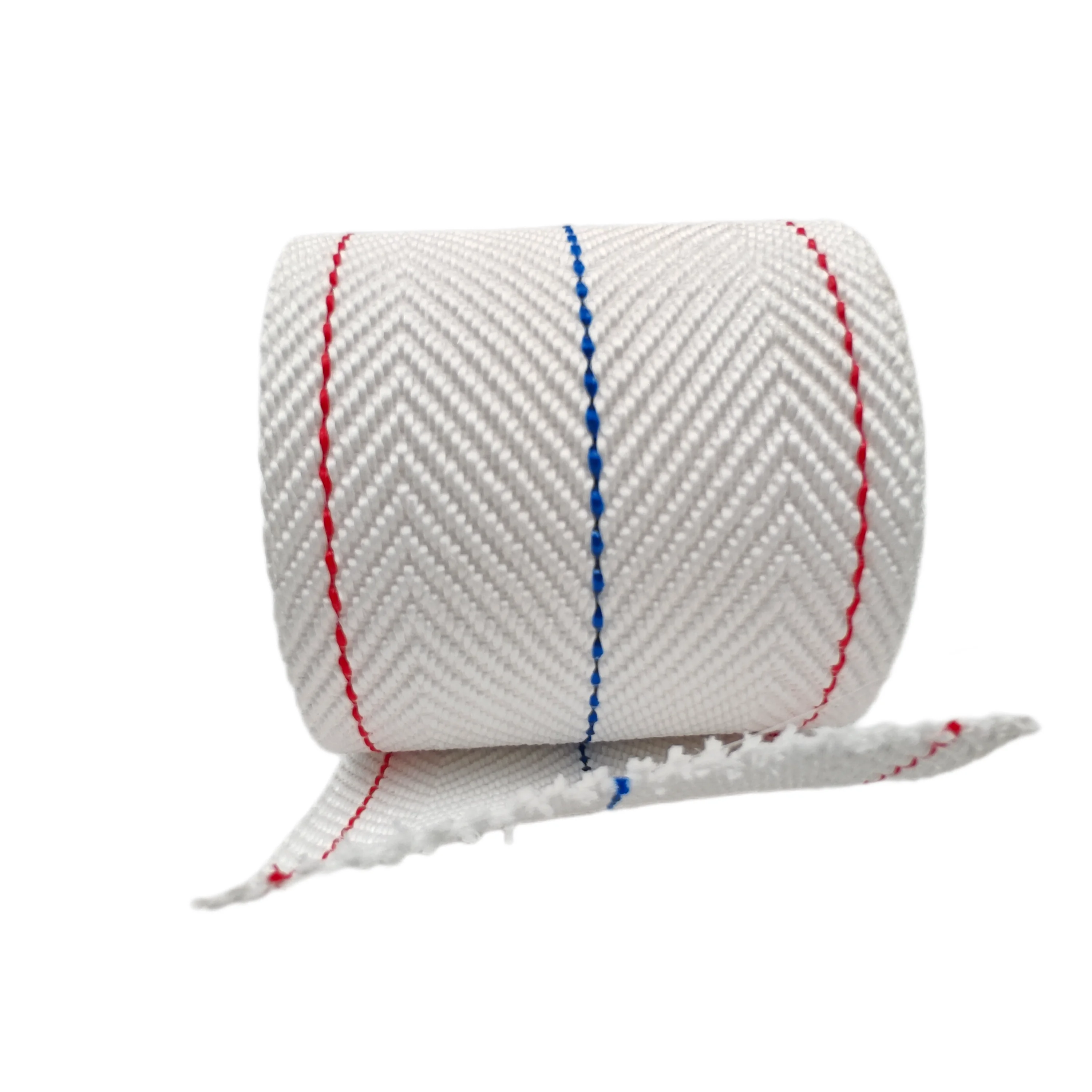
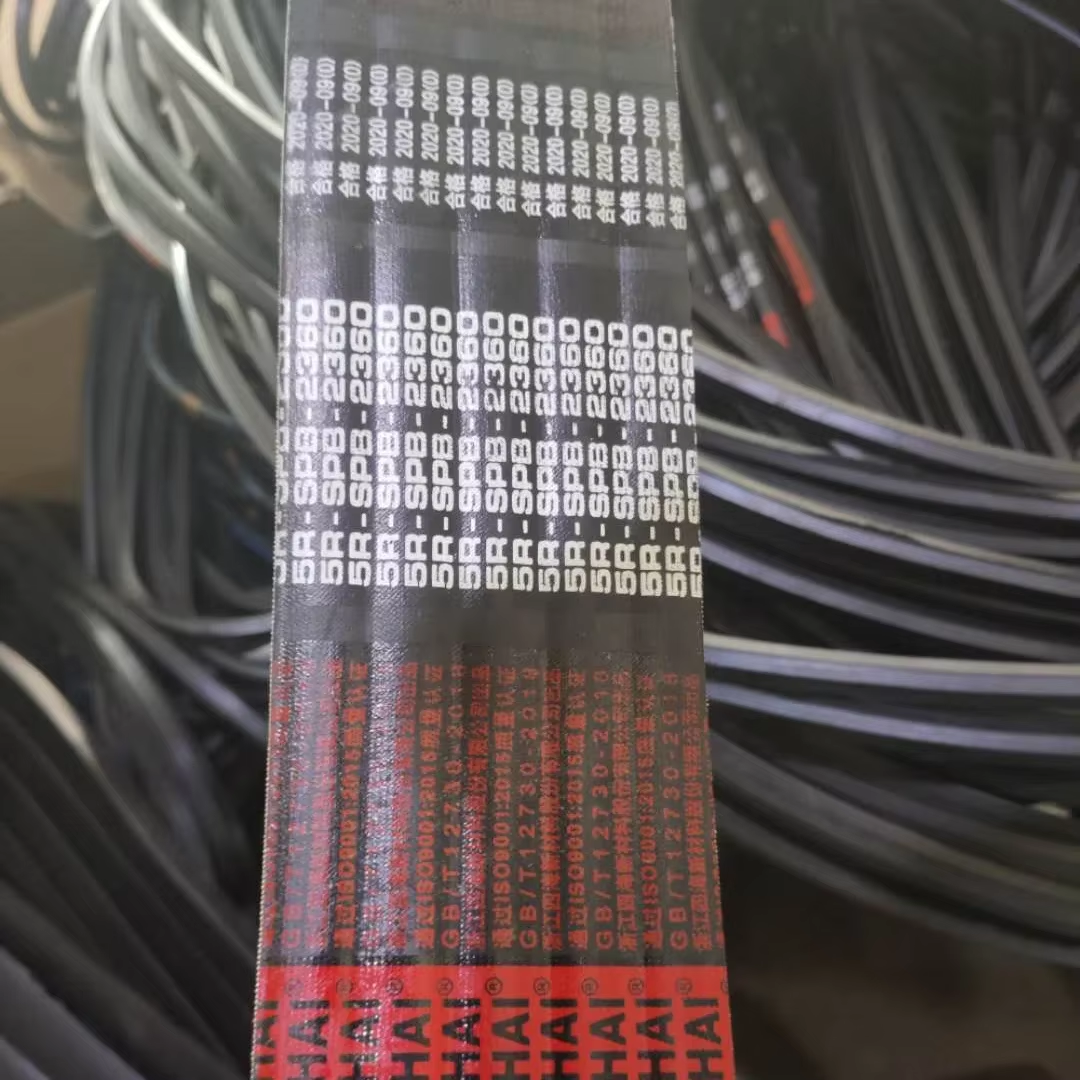
Car belts are pivotal in automotive power transmission systems, where they transfer rotational energy from the crankshaft to components like alternators, water pumps, and air compressors. Technological evolution has introduced micro-V designs with up to 12 ribs for compact layouts, and raw-edge construction for reduced slip. Material innovations include hydrogenated nitrile rubber (HNBR) for superior oil resistance and aramid fibers for tensile strength. In real-world scenarios, fleet operators in Southeast Asia reported 30% fewer belt-related failures after adopting ozone-resistant EPDM belts, which mitigated degradation from tropical climates. For electric vehicles, low-friction coatings on belt backs minimize wear against idler pulleys, while synchronous belts in timing systems employ fiberglass cords for dimensional stability. A case study involving hybrid city buses showed that customized serpentine belts with embedded wear indicators allowed maintenance crews to preempt replacements, reducing downtime by 15%. Advanced manufacturing techniques like laser etching facilitate traceability, and cryogenic grinding recycles vulcanized rubber for sustainability. Customers with applications in high-vibration environments (e.g., generator sets) or requiring FDA-compliant materials for mobile refrigeration should inquire about specialized product lines. Our engineering team can tailor belt hardness, length, and reinforcement angles to suit unique drive configurations, supported by ISO 9001-certified quality assurance protocols.