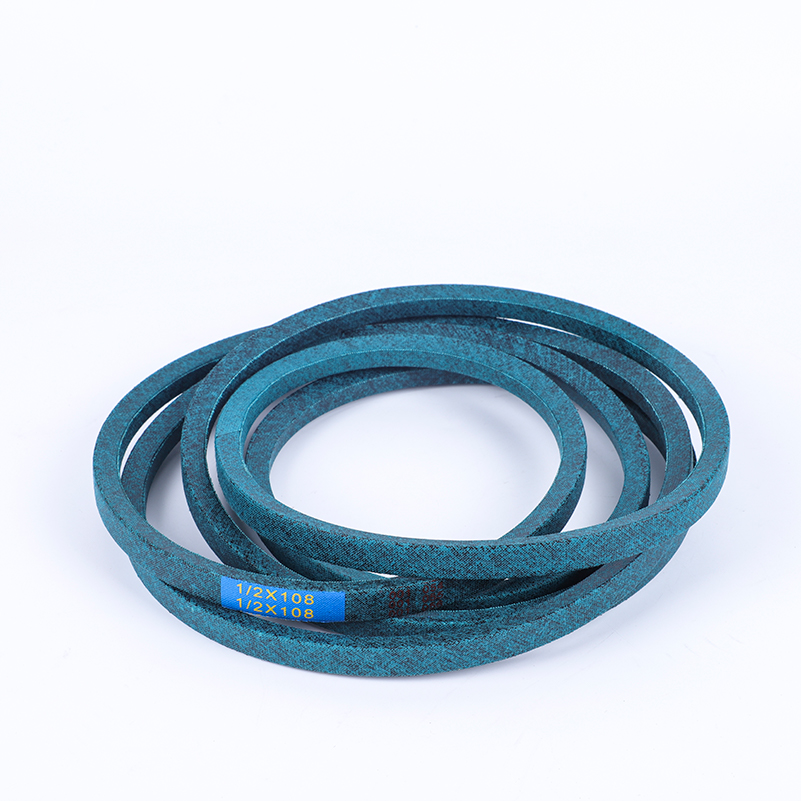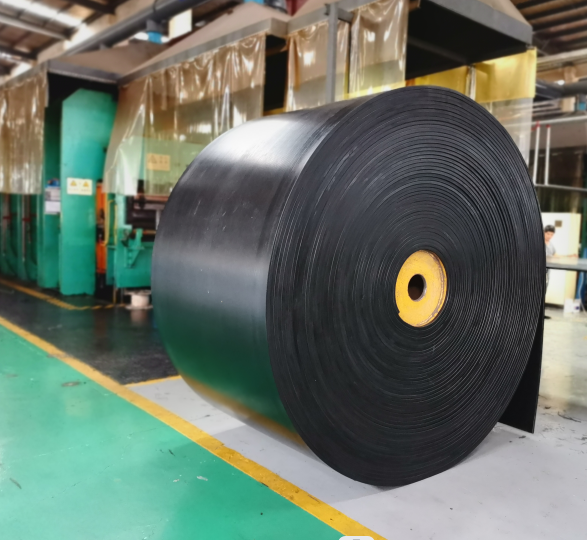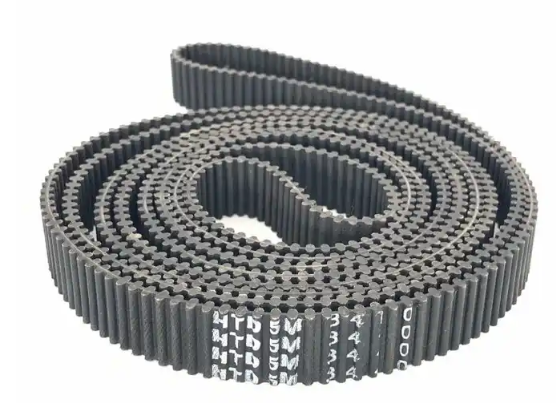
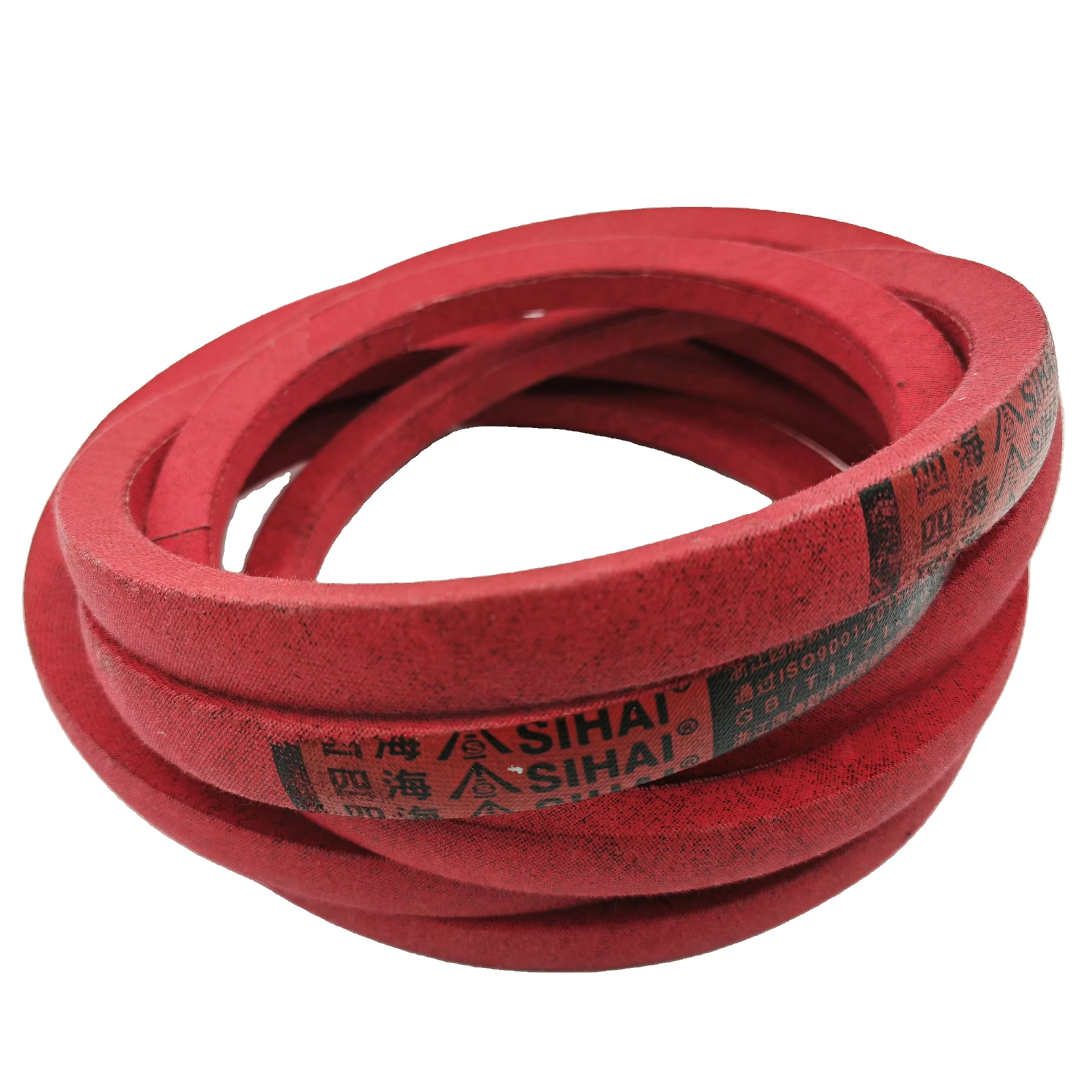
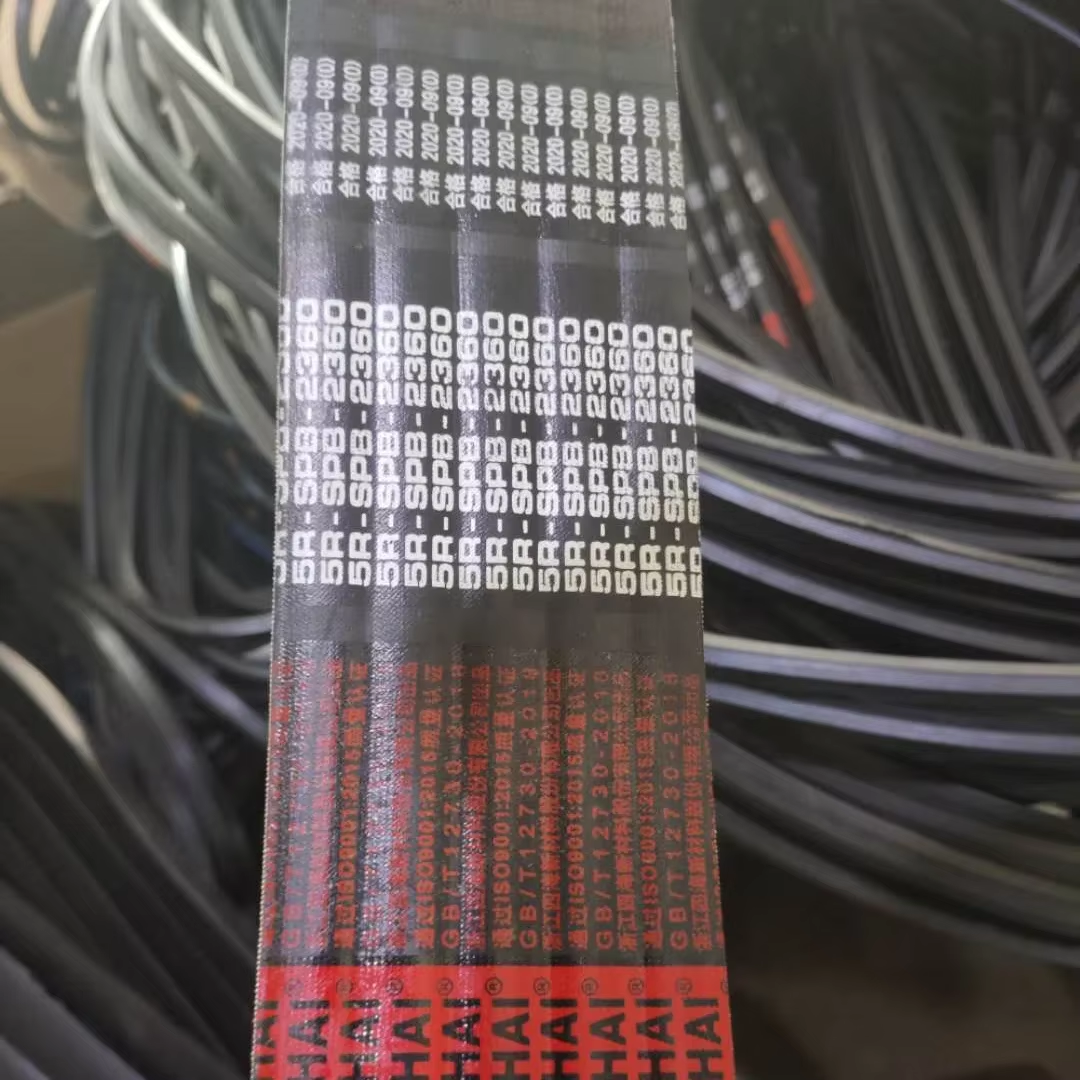
Car belts are engineered to deliver reliable power transmission in diverse automotive environments. Material advancements include EPDM with silica fillers for wet grip and aramid cords for fatigue resistance. Serpentine belts feature parabolic rib profiles to reduce stress concentrations, while raw-edge V-belts enhance pulley engagement. In practice, public transportation agencies found that switching to monolithic belts simplified inventory and reduced installation time by 30%. For off-road vehicles, deep-groove belts resist mud ejection, and in hybrid buses, they interface with regenerative systems. A documented example in food distribution showed that FDA-compliant belts prevented contamination in refrigerated trucks. Emerging technologies include belts with embedded strain gauges for real load monitoring and graphene-enhanced rubber for thermal conductivity. Customers operating in unique sectors—e.g., mobile charging stations or aerial work platforms—should provide operational parameters for tailored solutions. Our team can develop belts with specific electrical properties, colors for OEM branding, or profiles for high-speed applications, validated through accelerated life testing.