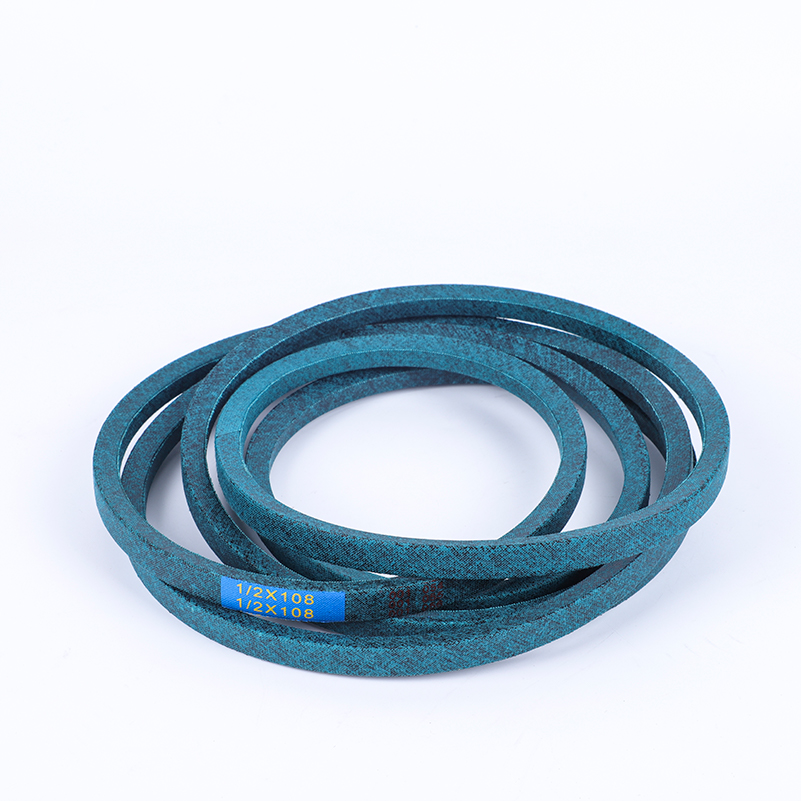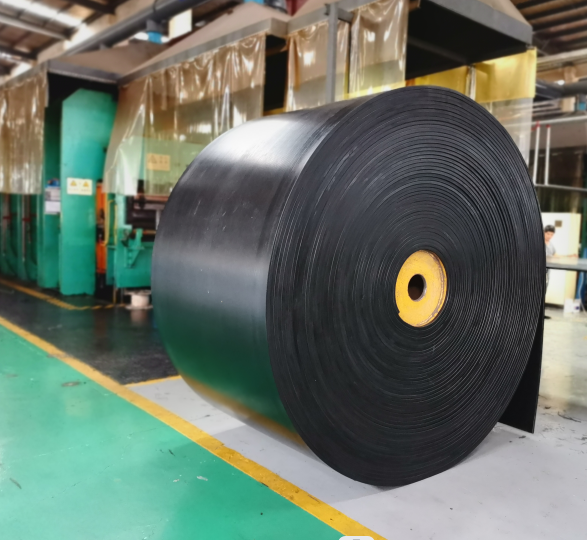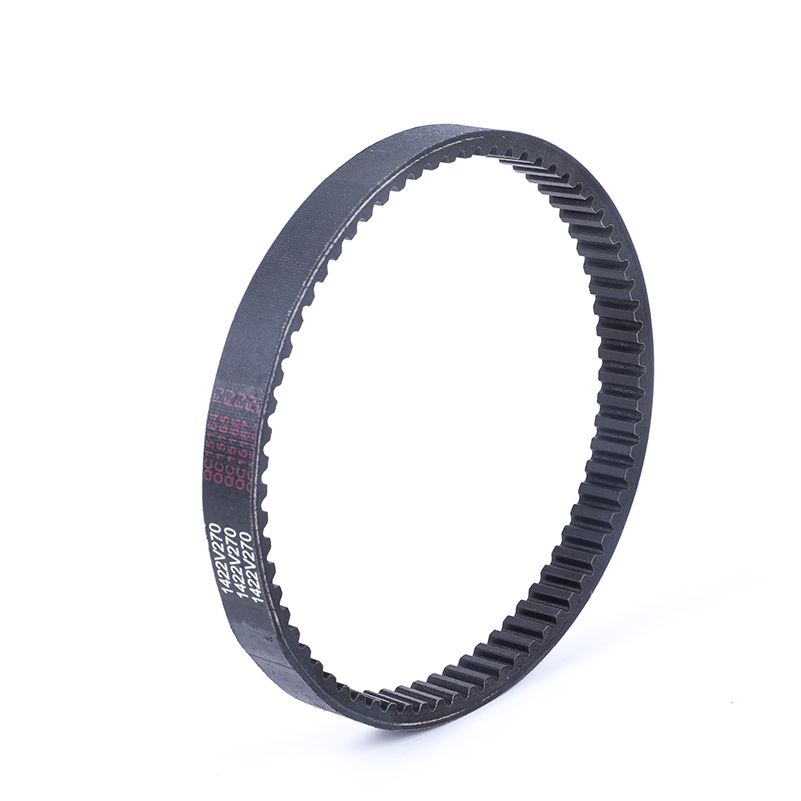
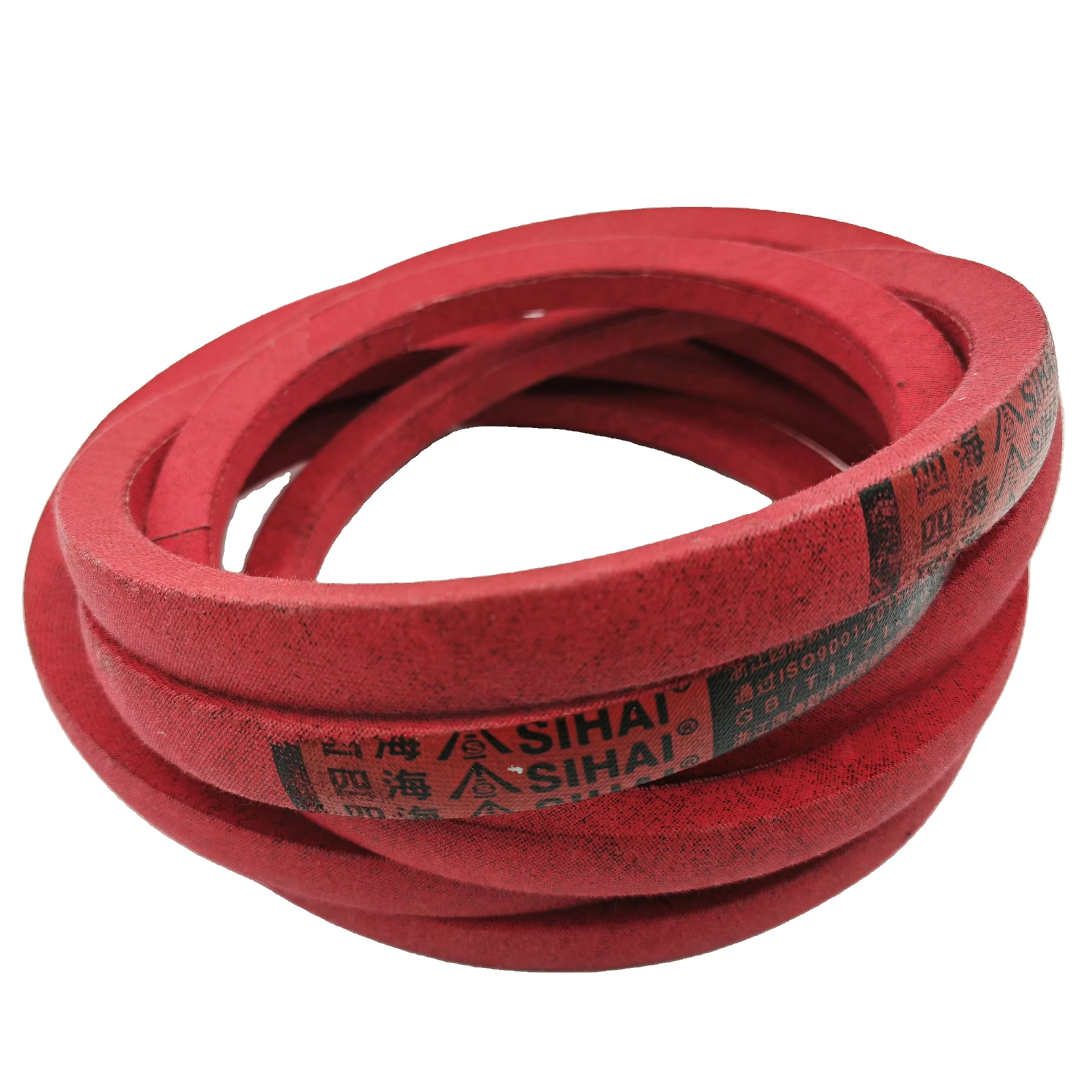
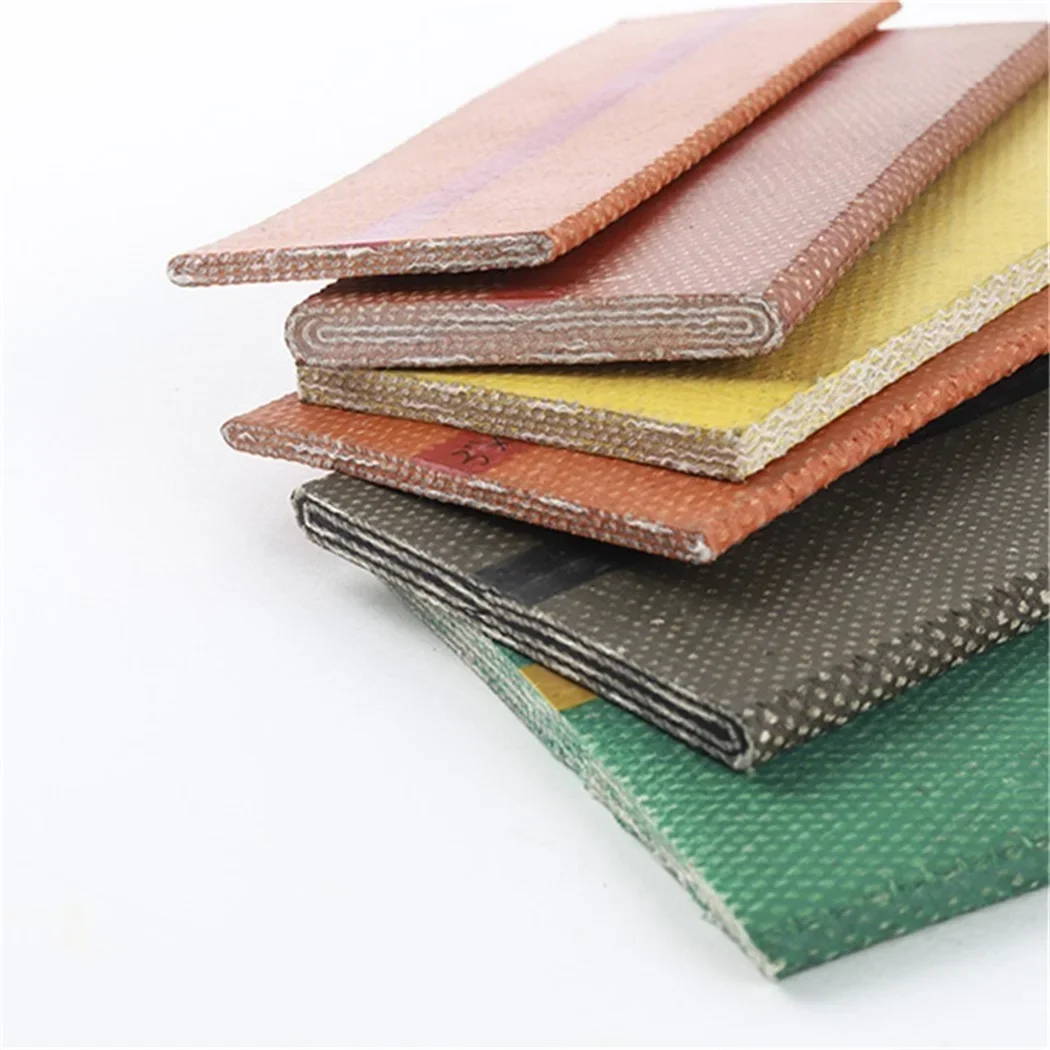
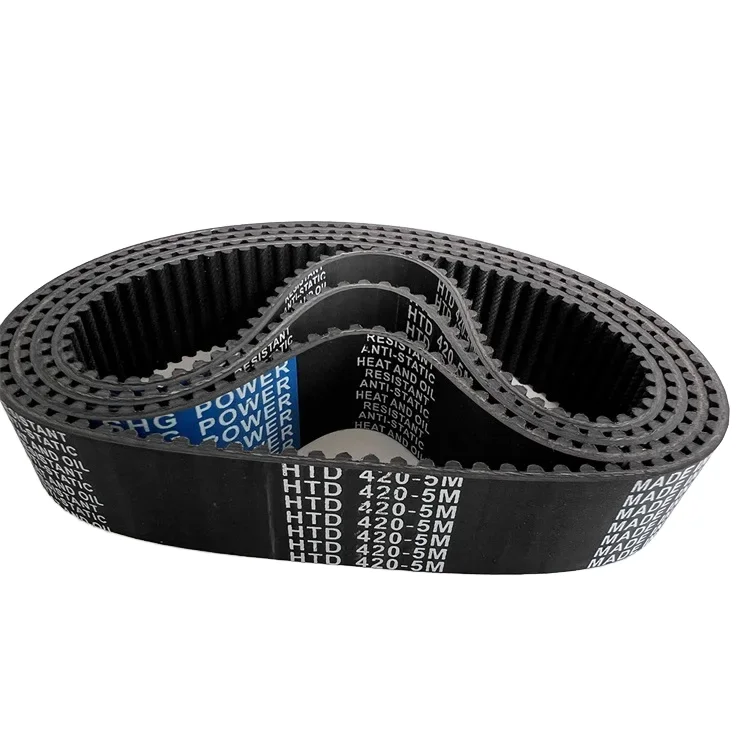
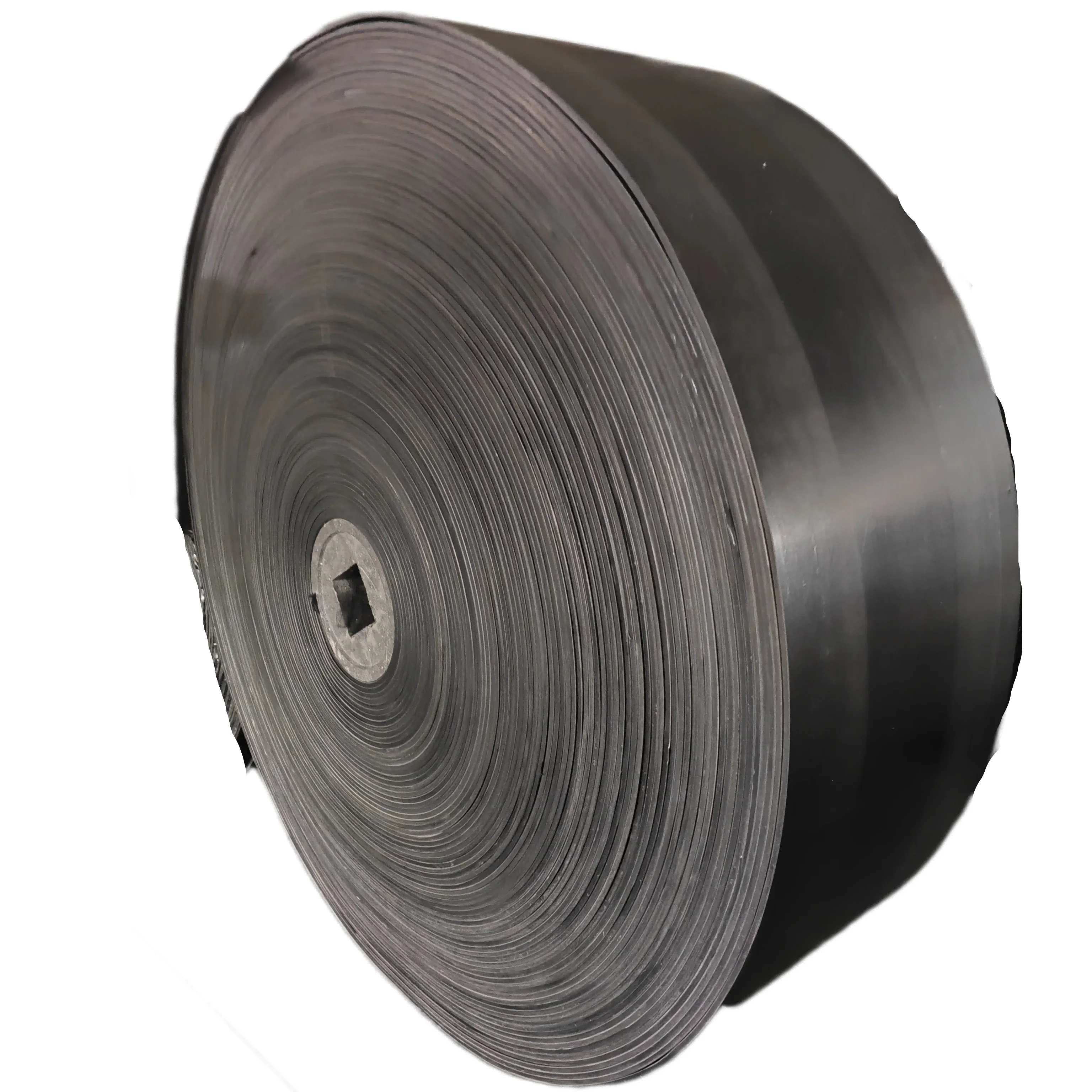
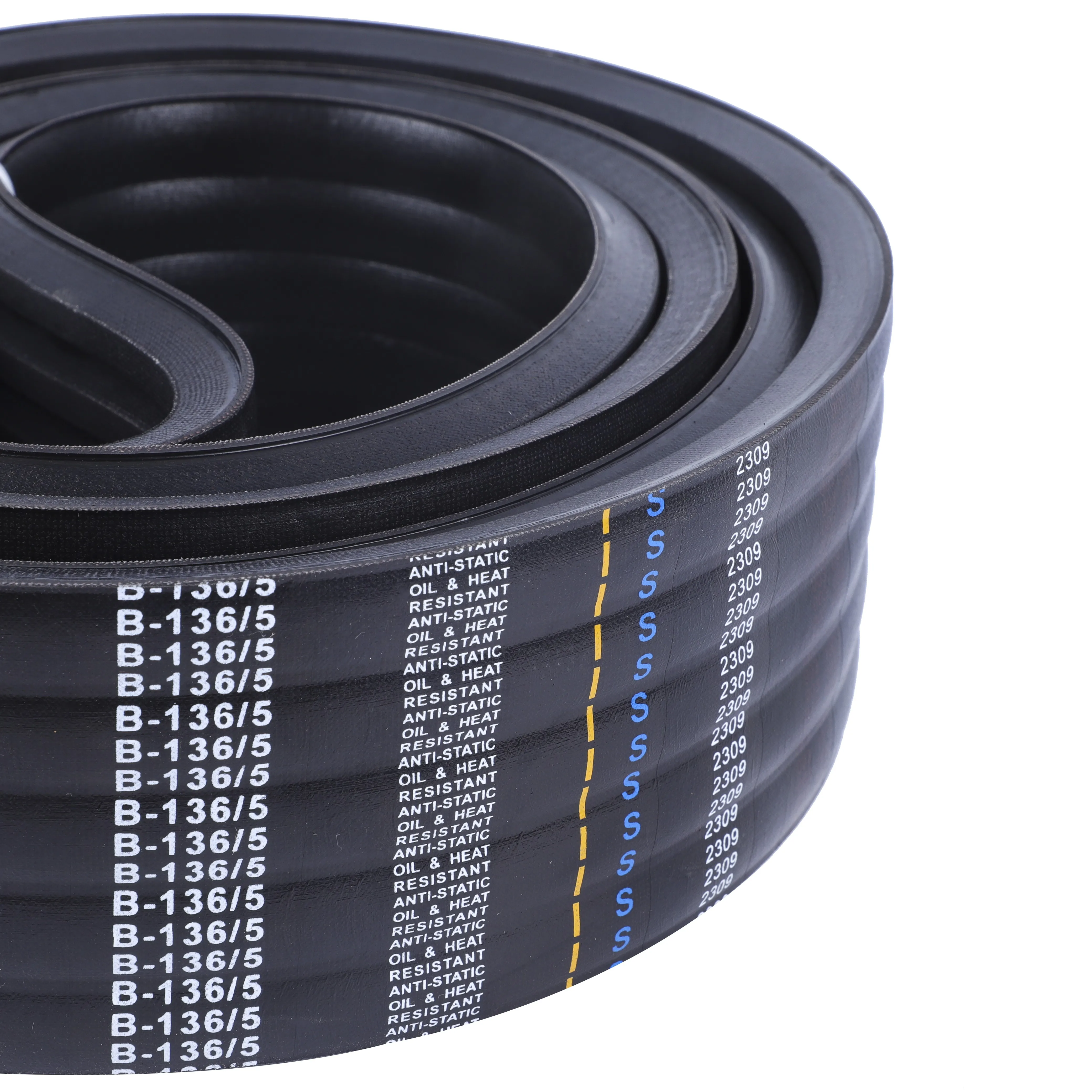
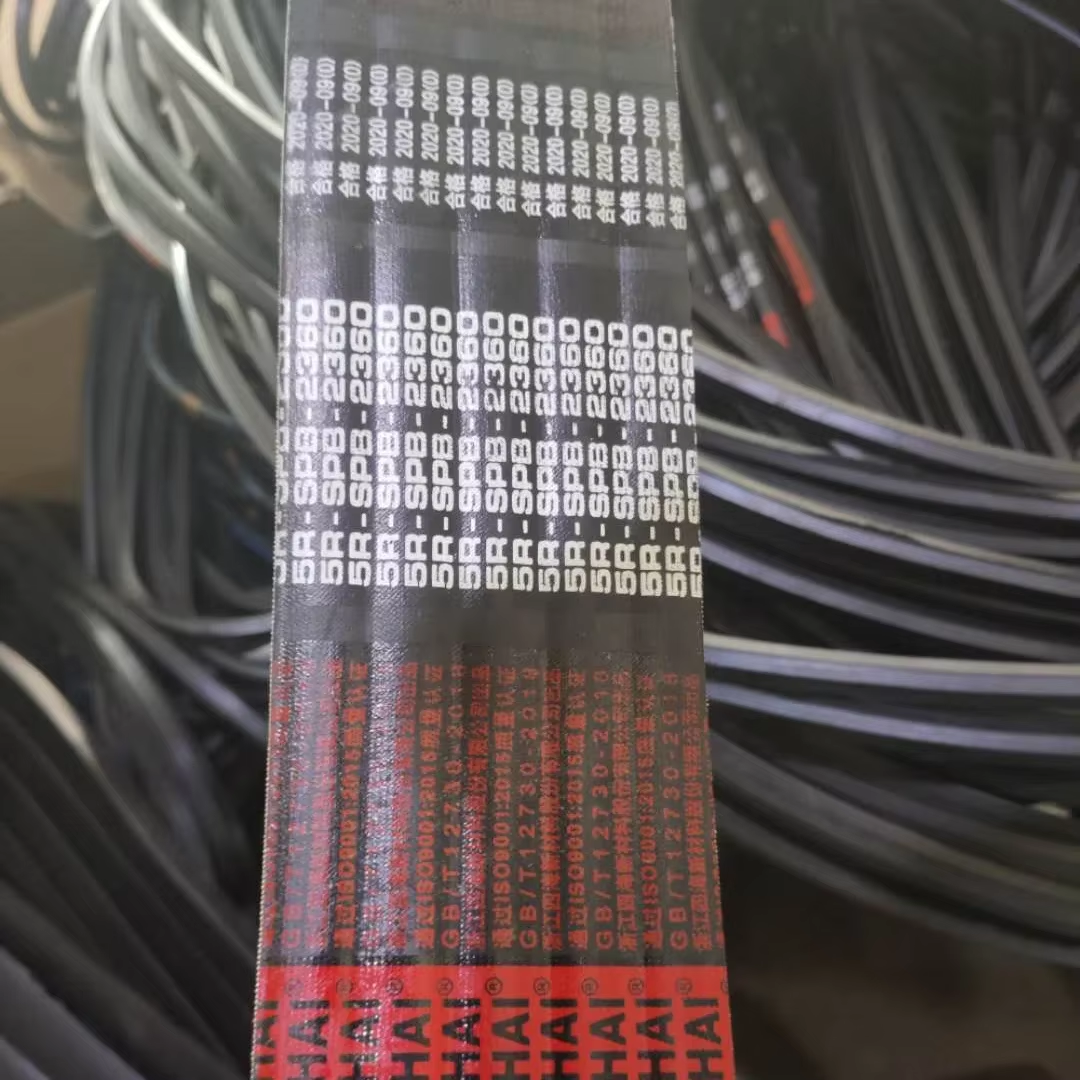
Automotive belts, integral to vehicle operation, are designed to transmit power efficiently while withstanding environmental stressors. Modern belts employ EPDM compounds for heat aging resistance and polyester cord for minimal stretch. Multi-rib belts excel in engines with limited space, while V-belts are cost-effective for simple drives. In real-world use, ride-hailing services prioritize belts with high mileage ratings, with reports indicating that notched V-belts in hybrid cars reduced energy loss by 5%. For agricultural machinery, belts with high friction coefficients prevent slip in wet conditions, and in emergency vehicles, they power life-support equipment with reliability. A case study from mining operations showed that steel-reinforced belts endured impact loads from rock crushers. Manufacturing innovations include automated cord application for uniformity and electron beam curing for consistent cross-linking. Those requiring belts for unique applications—such as mobile laboratories or electric boat conversions—can request engineering consultations. Custom options include food-grade rubber for mobile processing, anti-vibration profiles for sensitive instrumentation, and lengths outside standard ranges, supported by technical data and compliance certificates.