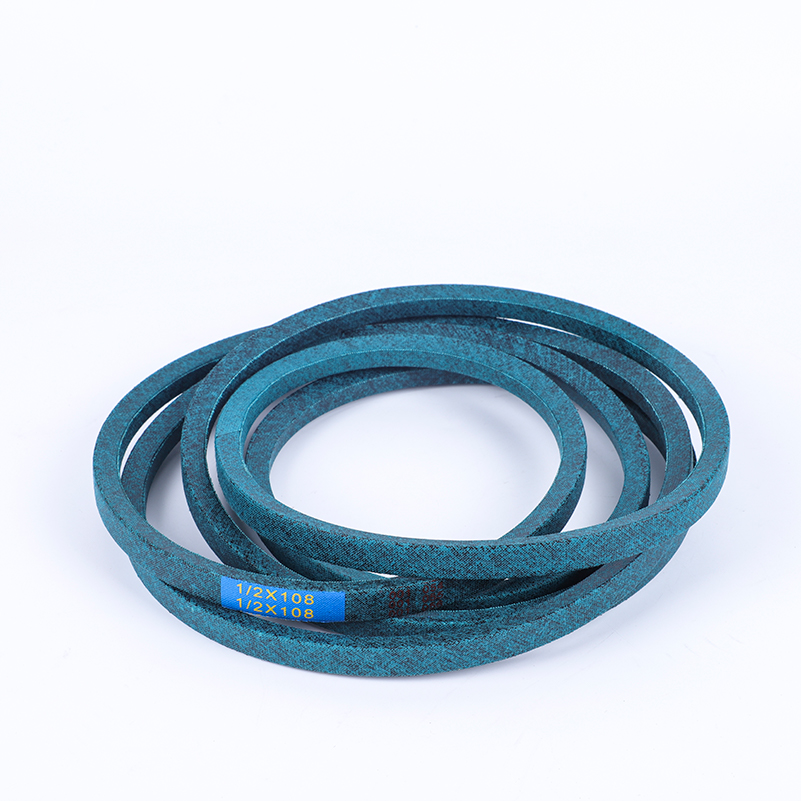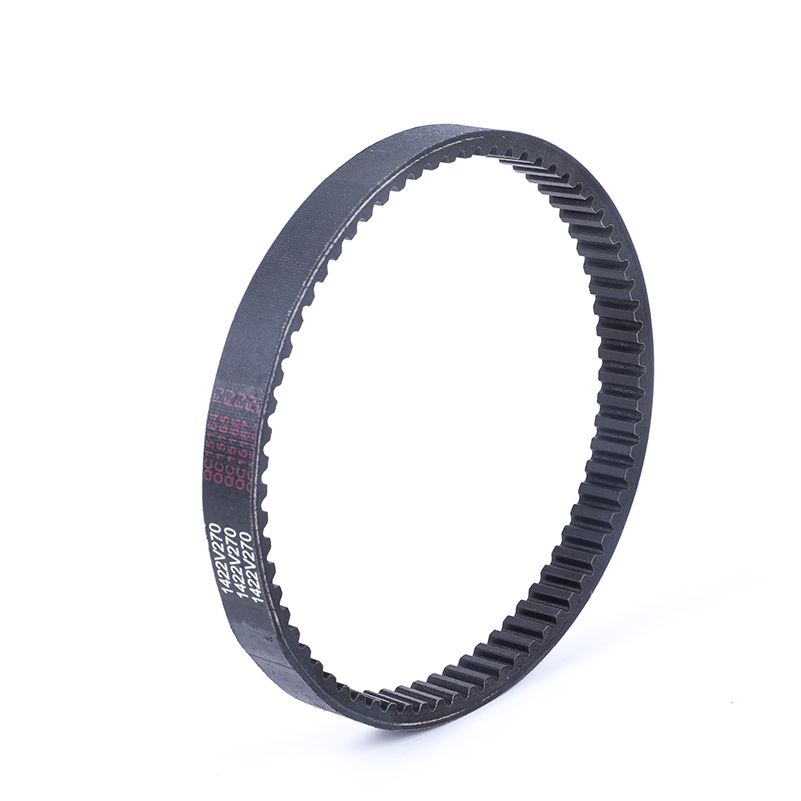
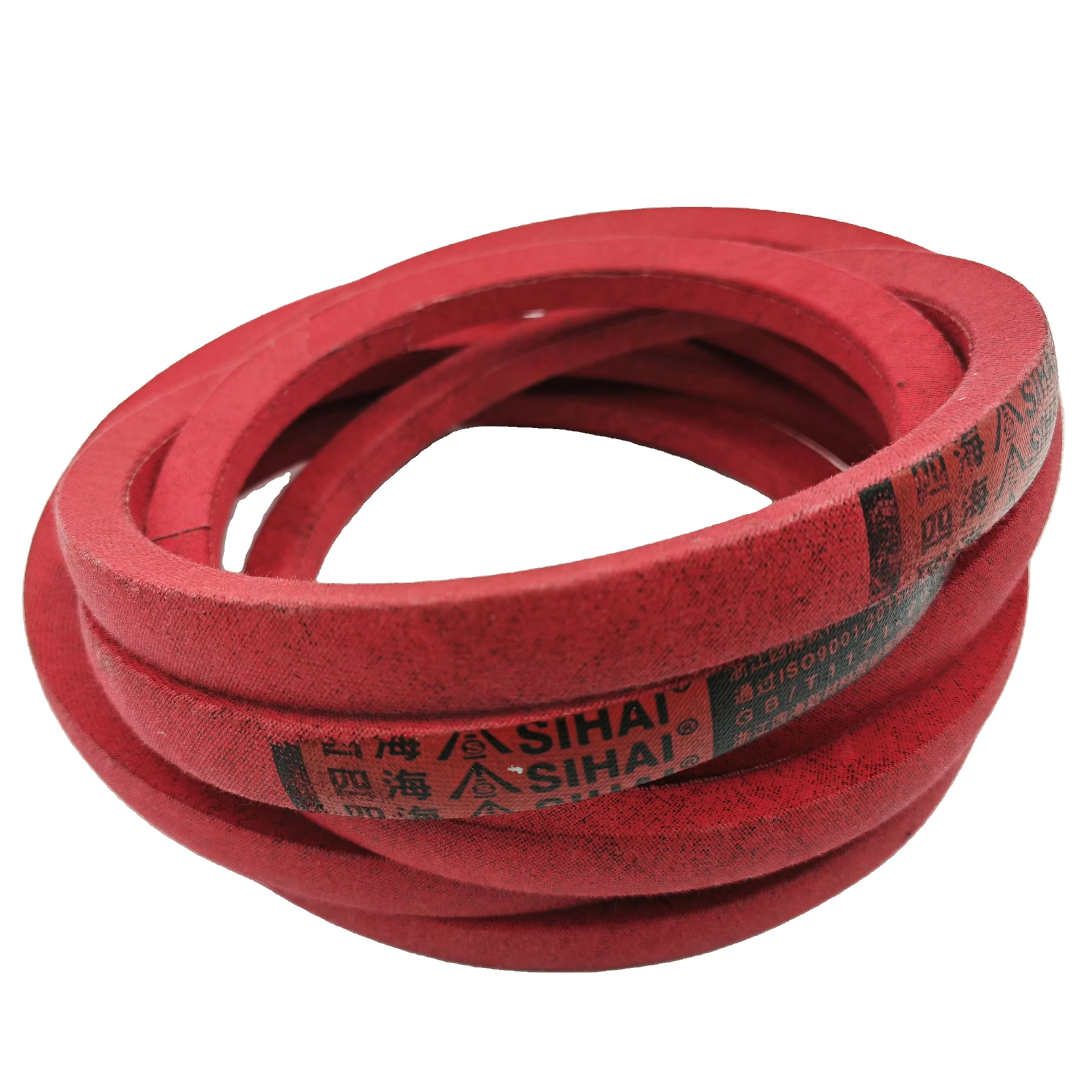
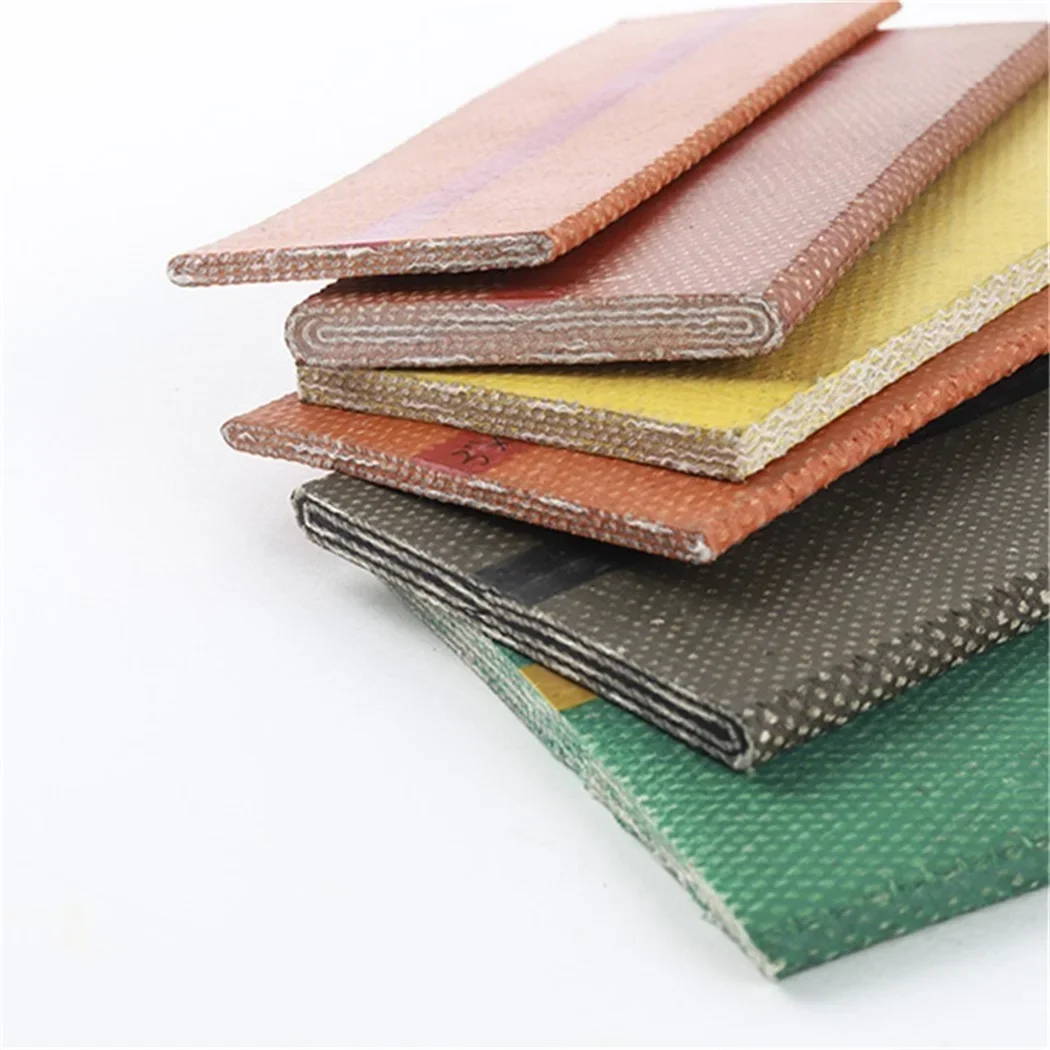
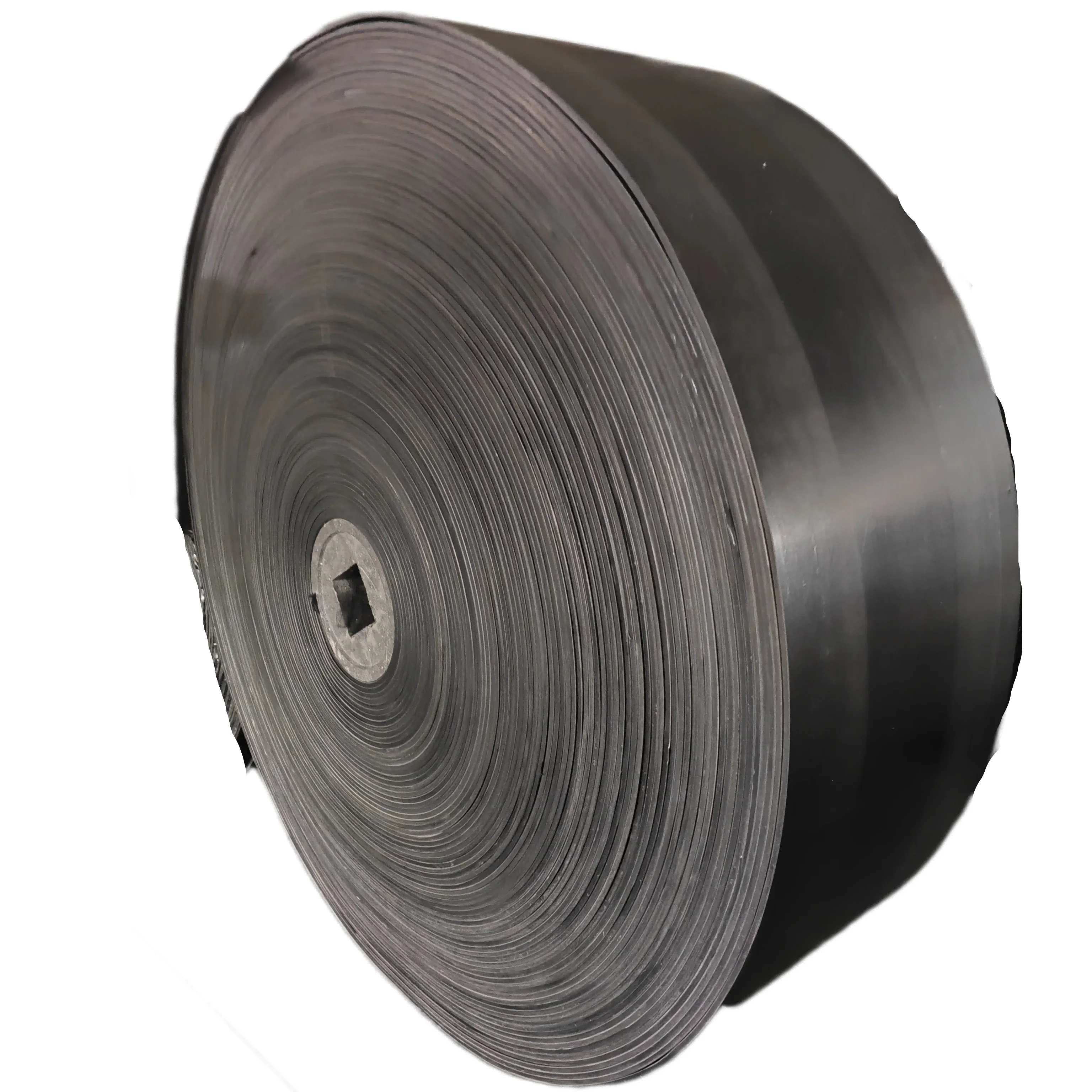
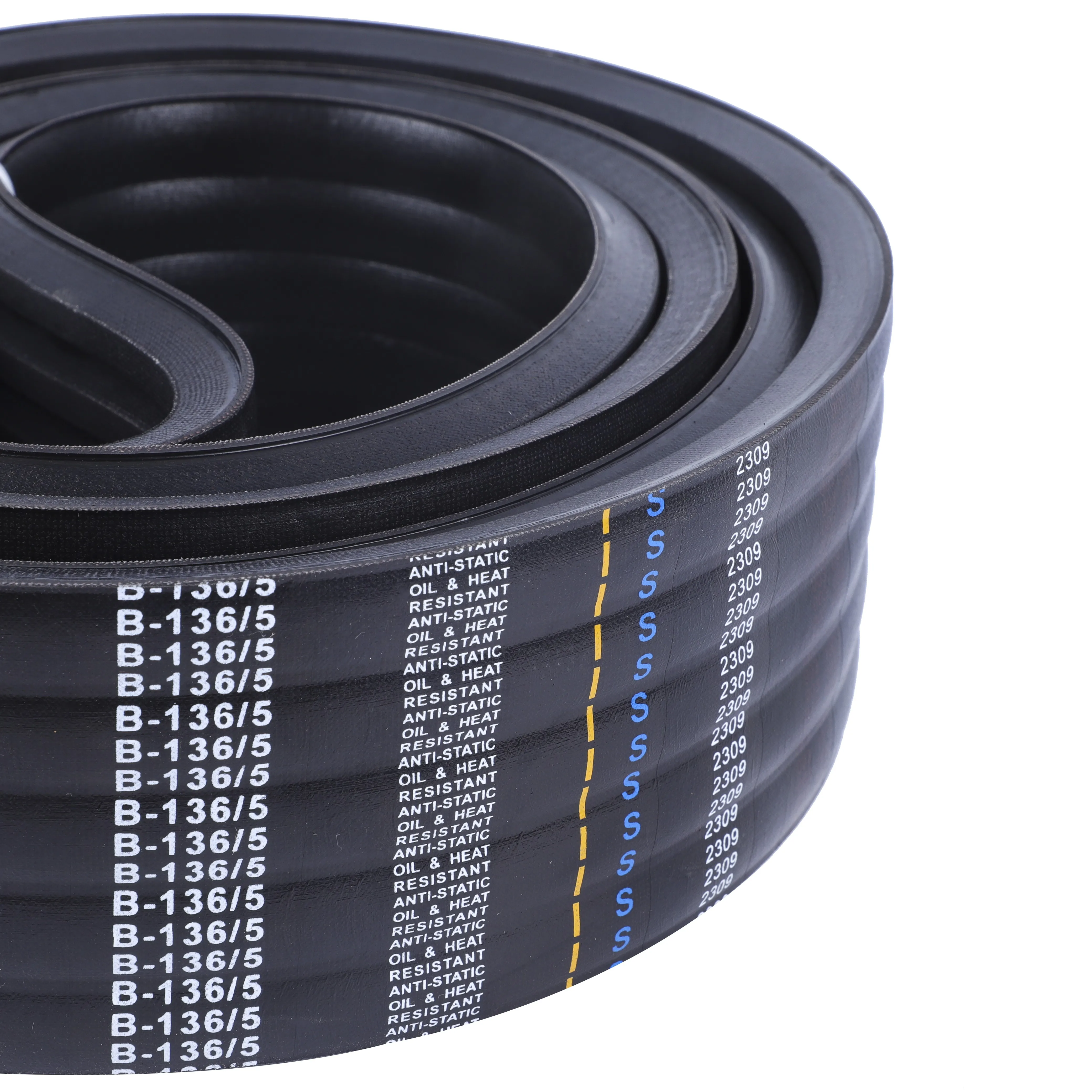
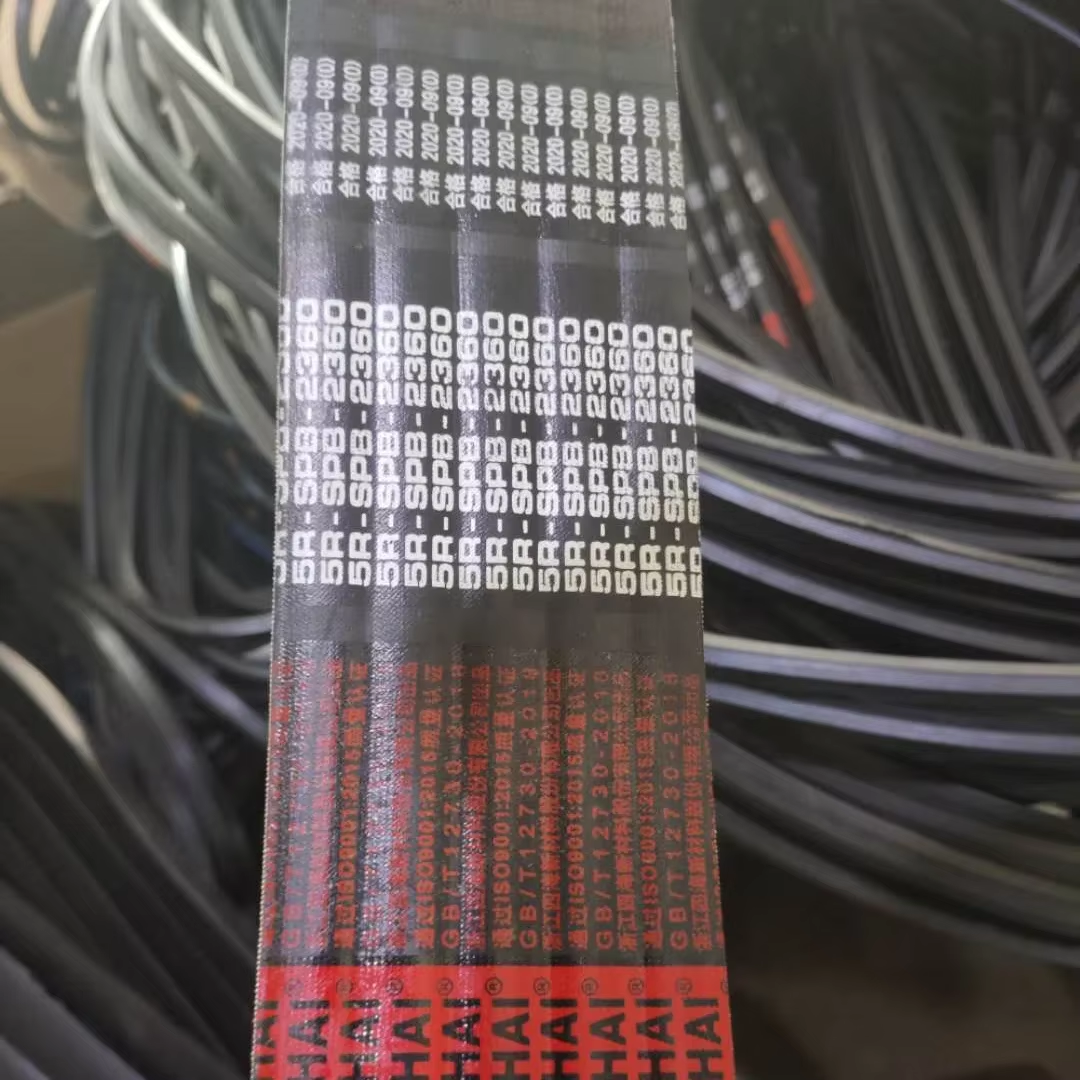
Car belts are critical components in automotive systems, transmitting power from the engine to accessories like water pumps and alternators. Their construction involves multiple layers: a tension section with high-modulus cords, a cushion layer for adhesion, and a cover resistant to abrasion. Design evolution has led to raw-edge V-belts for improved grip and multi-rib belts for compactness. In practice, delivery vans in stop-start urban traffic experience high belt flex fatigue, necessitating EPDM compounds with high hysteresis for heat dissipation. A case study from a bus operator in humid climates showed that mold-resistant belts reduced fungal growth on pulleys, extending component life. For renewable energy applications, belts in mobile solar trackers require weatherproof covers, while in hybrid trucks, they drive hydraulic systems for lifting gates. Quality assurance includes Fourier-transform infrared (FTIR) spectroscopy to verify polymer composition and tensile testers to ensure cord integrity. Those operating in specialized sectors—e.g., film production vehicles requiring silent operation or mining equipment needing anti-static properties—can inquire about custom solutions. We offer belts with tailored rib geometries, unique reinforcement materials, and proprietary coatings for specific operational challenges.