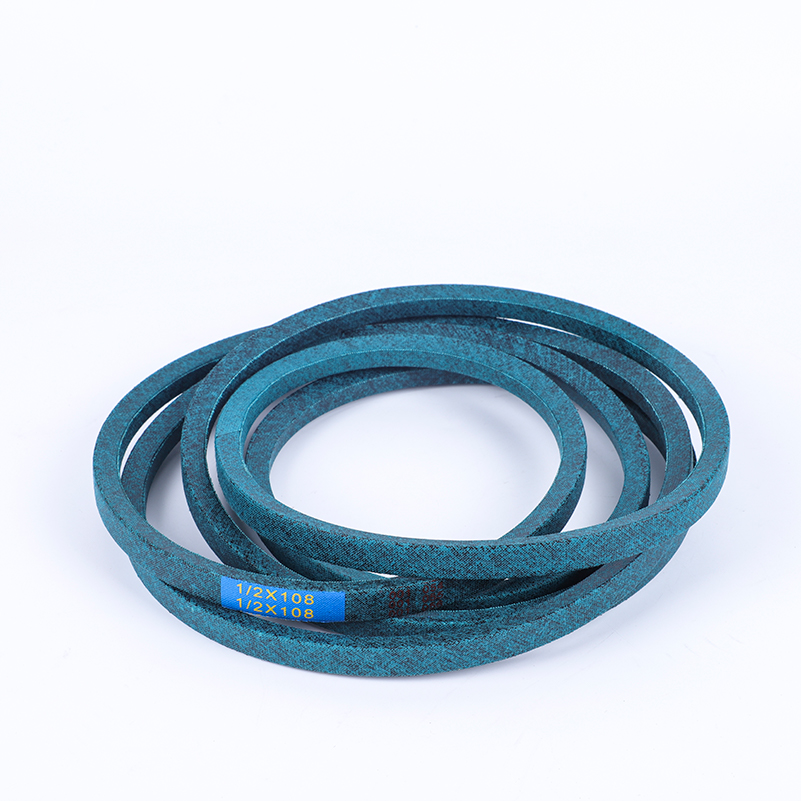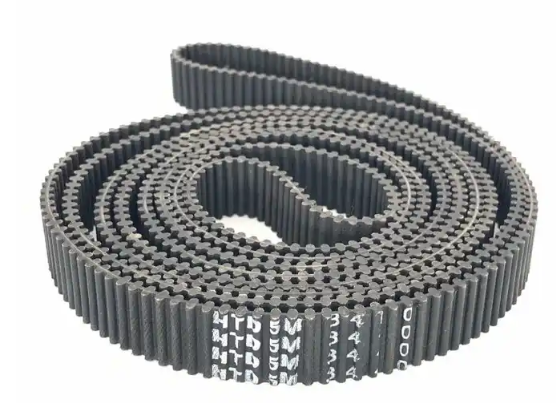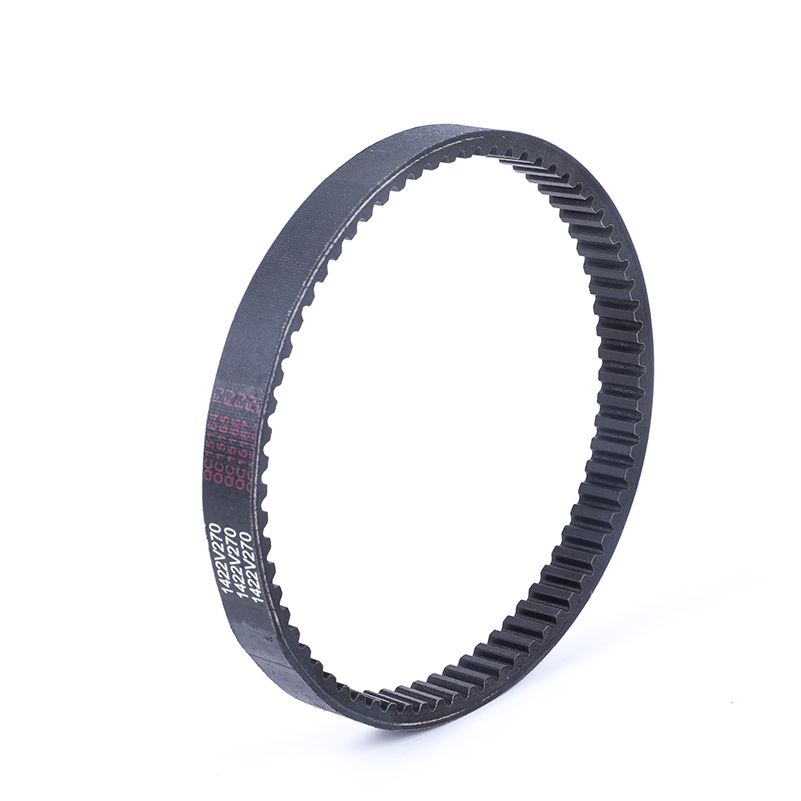
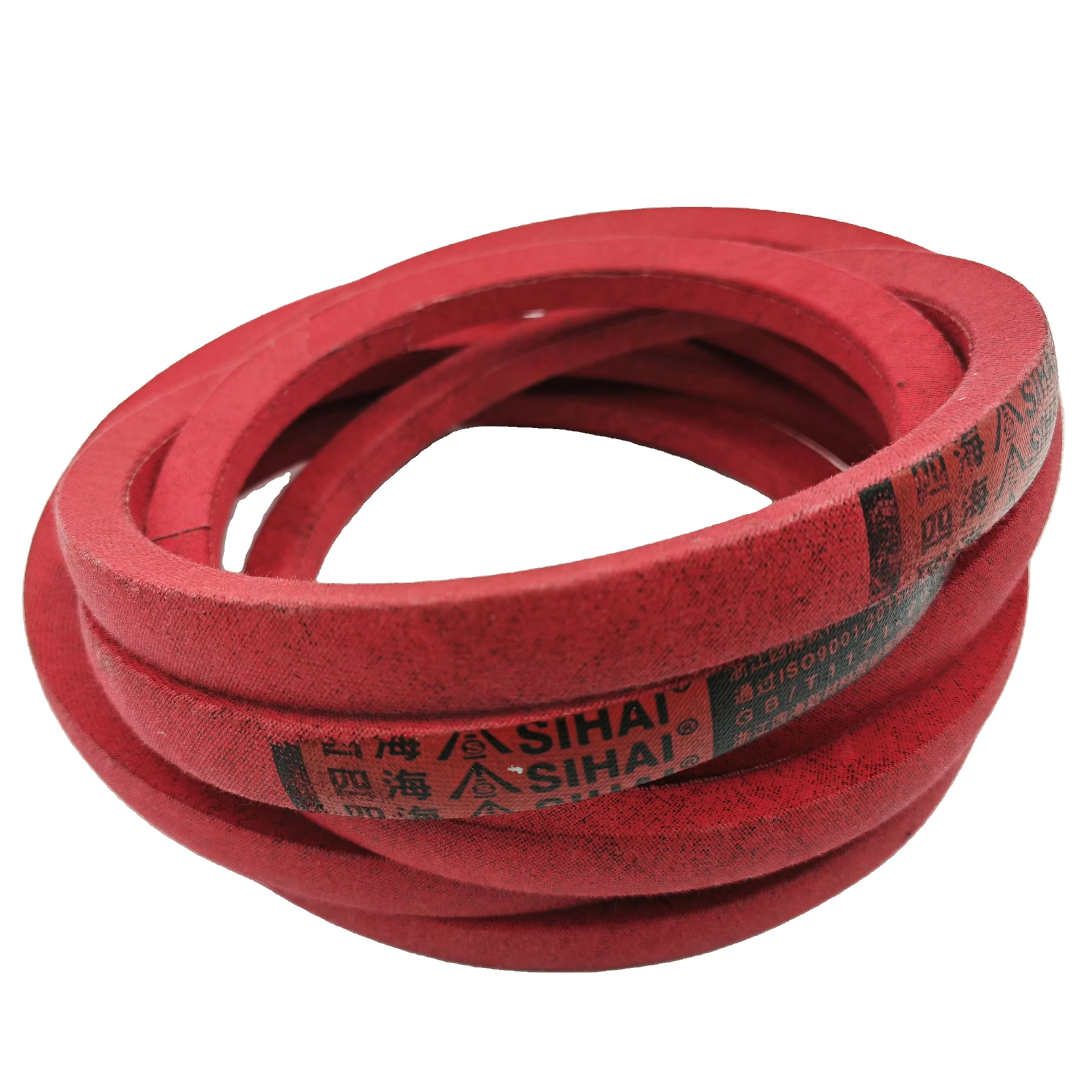
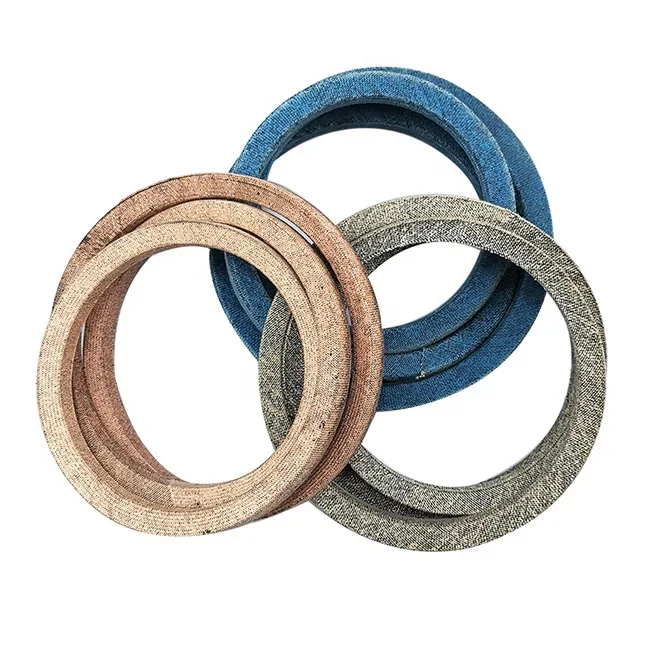
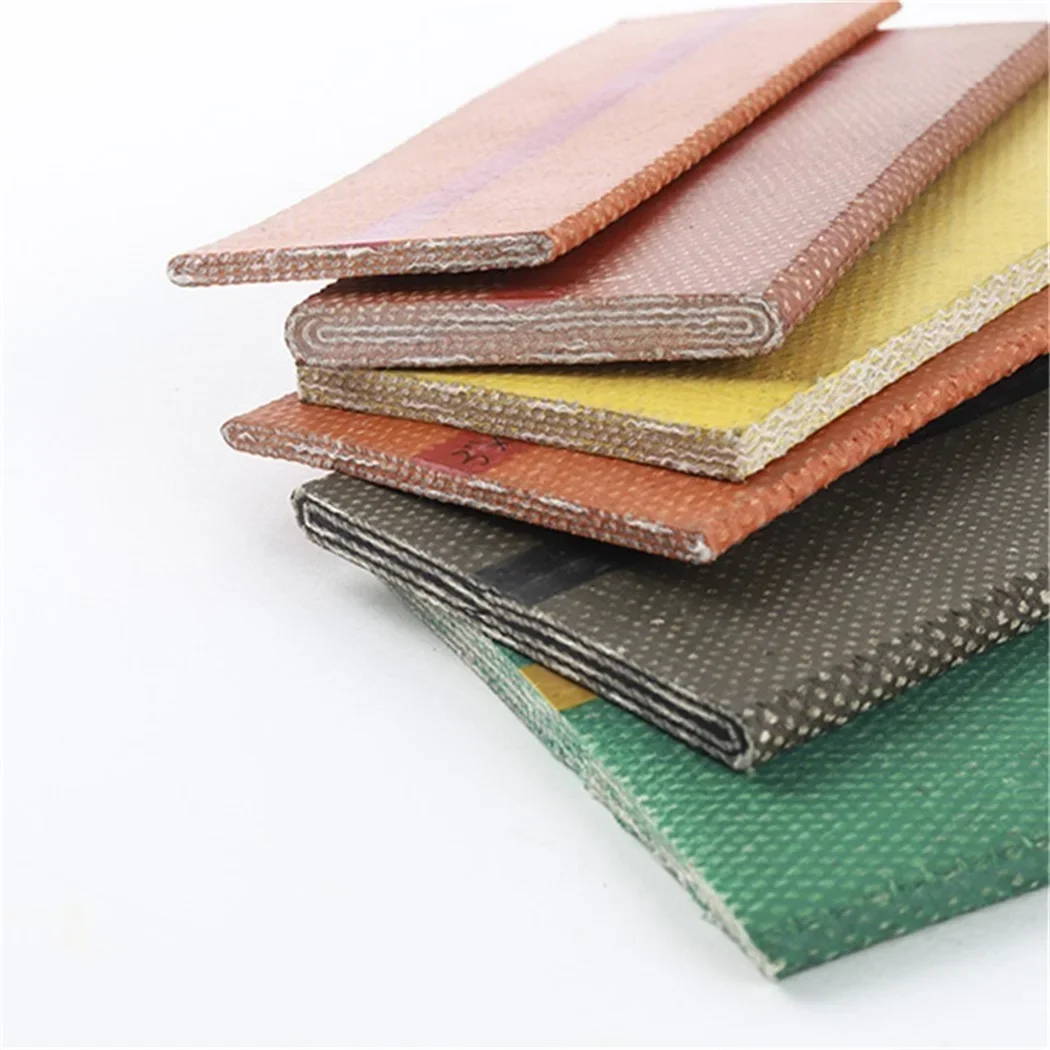
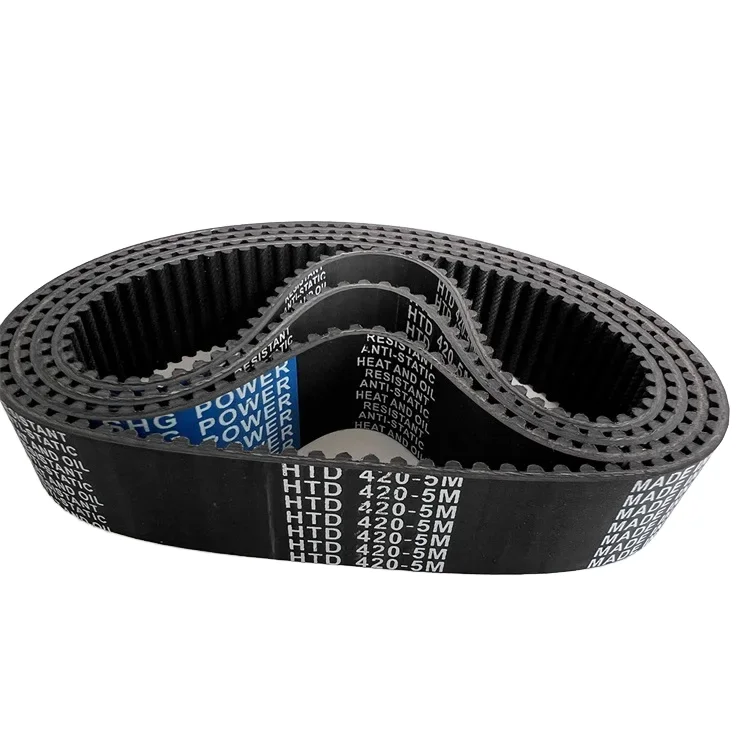
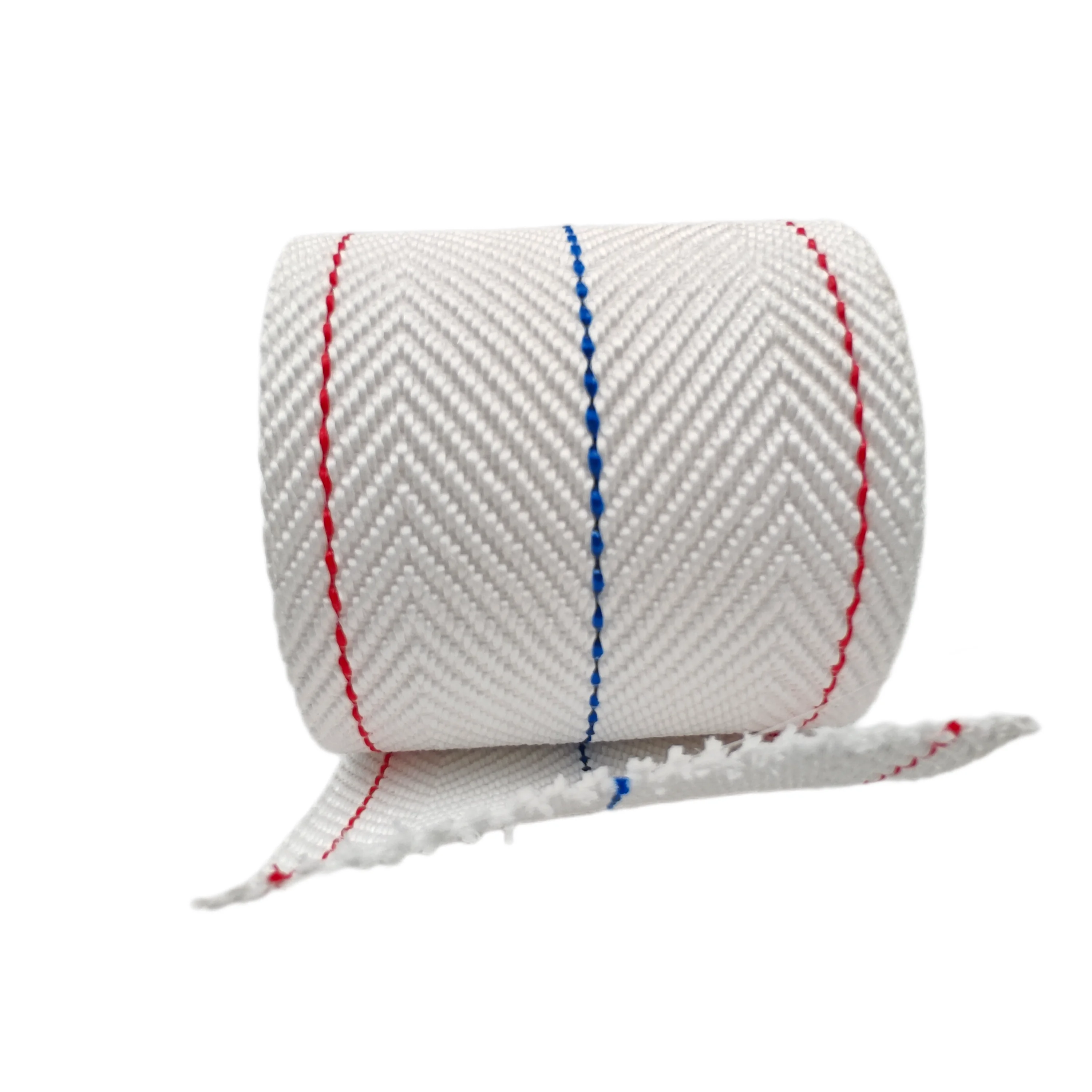
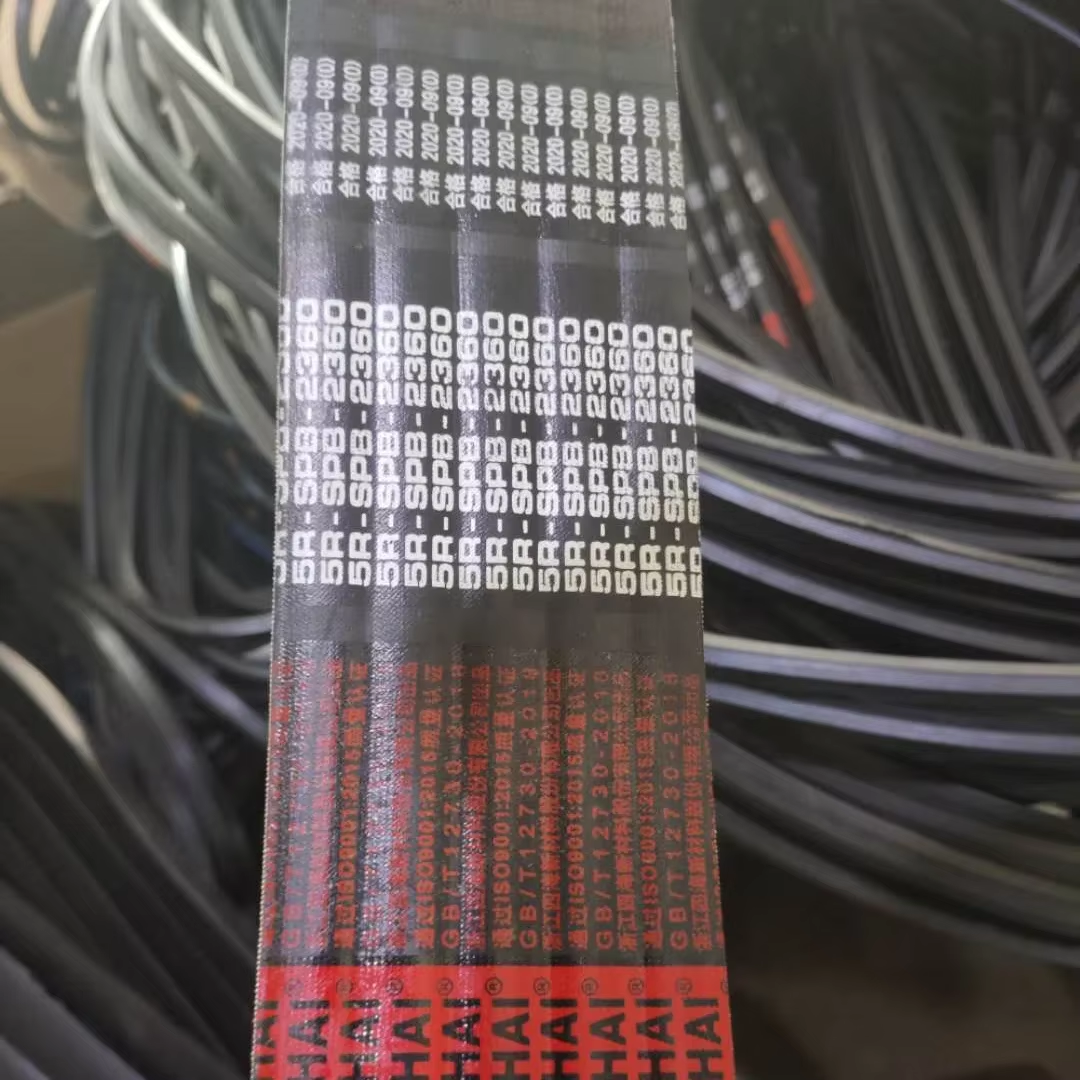
Car belts, encompassing both drive and timing variants, are precision-engineered components that ensure synchronized power transmission in internal combustion engines and hybrid systems. Their construction involves layered composites: a cushion rubber layer for adhesion, tensile cords for strength, and a cover rubber resistant to environmental degradation. Key performance metrics include hysteresis reduction for fuel efficiency, noise-damping properties for passenger comfort, and fatigue endurance for reliability. Serpentine belts, for example, dominate contemporary engine bays due to their ability to replace multiple V-belts with a single, multi-grooved unit, reducing weight and complexity. In agricultural vehicles, wide-angle V-belts handle shock loads from PTO (power take-off) attachments, while in performance cars, Kevlar-reinforced timing belts offer higher torque capacity without stretching. A documented application in municipal bus fleets showed that switching to EPDM-based serpentine belts decreased roadside breakdowns by 40% in extreme winter conditions, as the material retained flexibility at -40°C. Similarly, cogged V-belts in off-road construction equipment improved pulley grip by 15% under muddy, high-slip environments. For emerging automotive trends, belts integrated with sensor microchips enable real-time monitoring of wear and tension, paving the way for predictive maintenance. Manufacturers also employ laser scanning to verify rib profile accuracy, ensuring compatibility with global pulley standards. Those interested in application-specific variants—such as belts for turbocharged engines requiring enhanced heat resistance or for electric vehicles with reduced electromagnetic interference—should consult our engineering department for data sheets and prototyping services. Custom solutions addressing unique operational challenges, like prolonged idle times in delivery vehicles or exposure to chemical vapors in industrial settings, are available upon request.