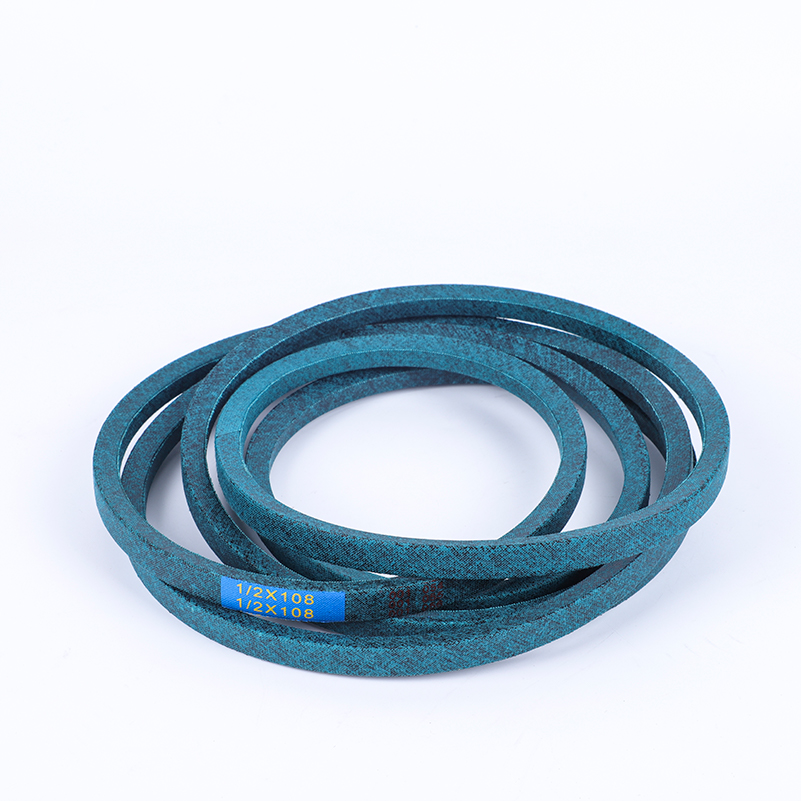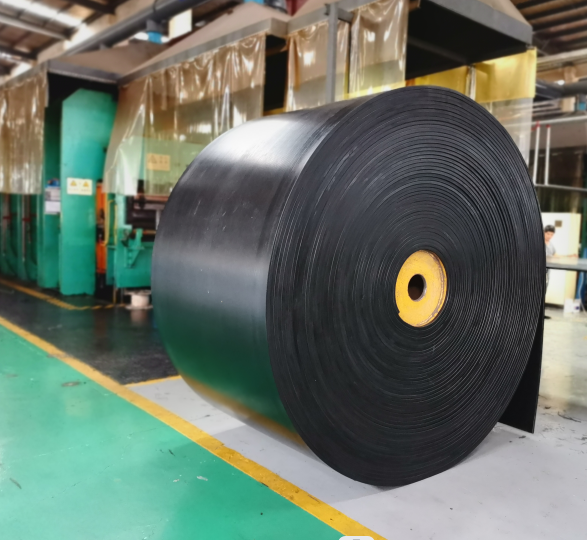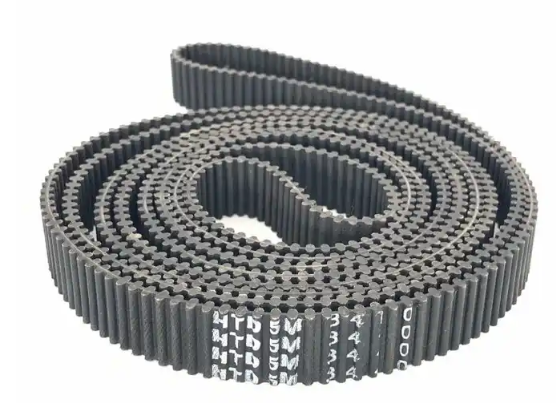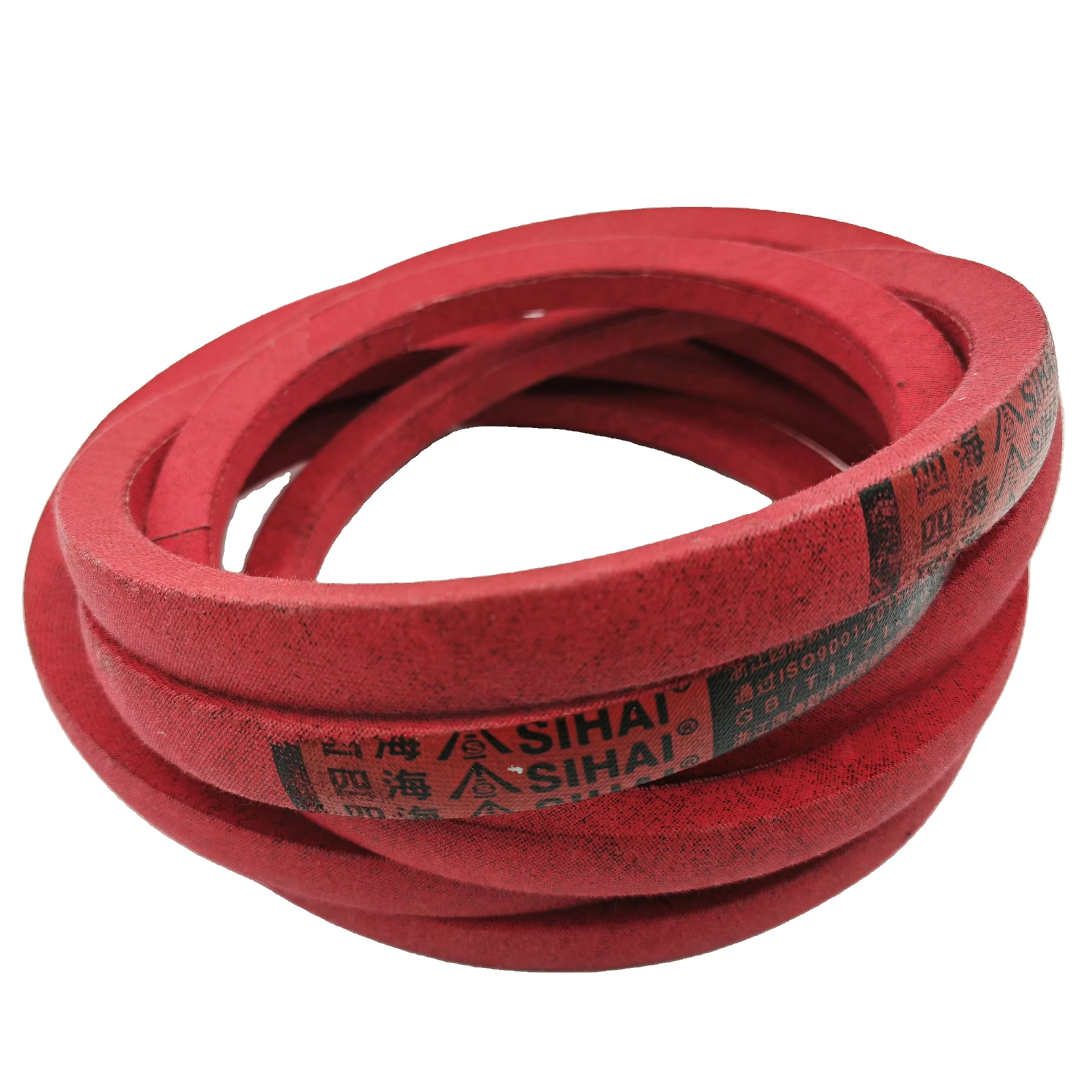
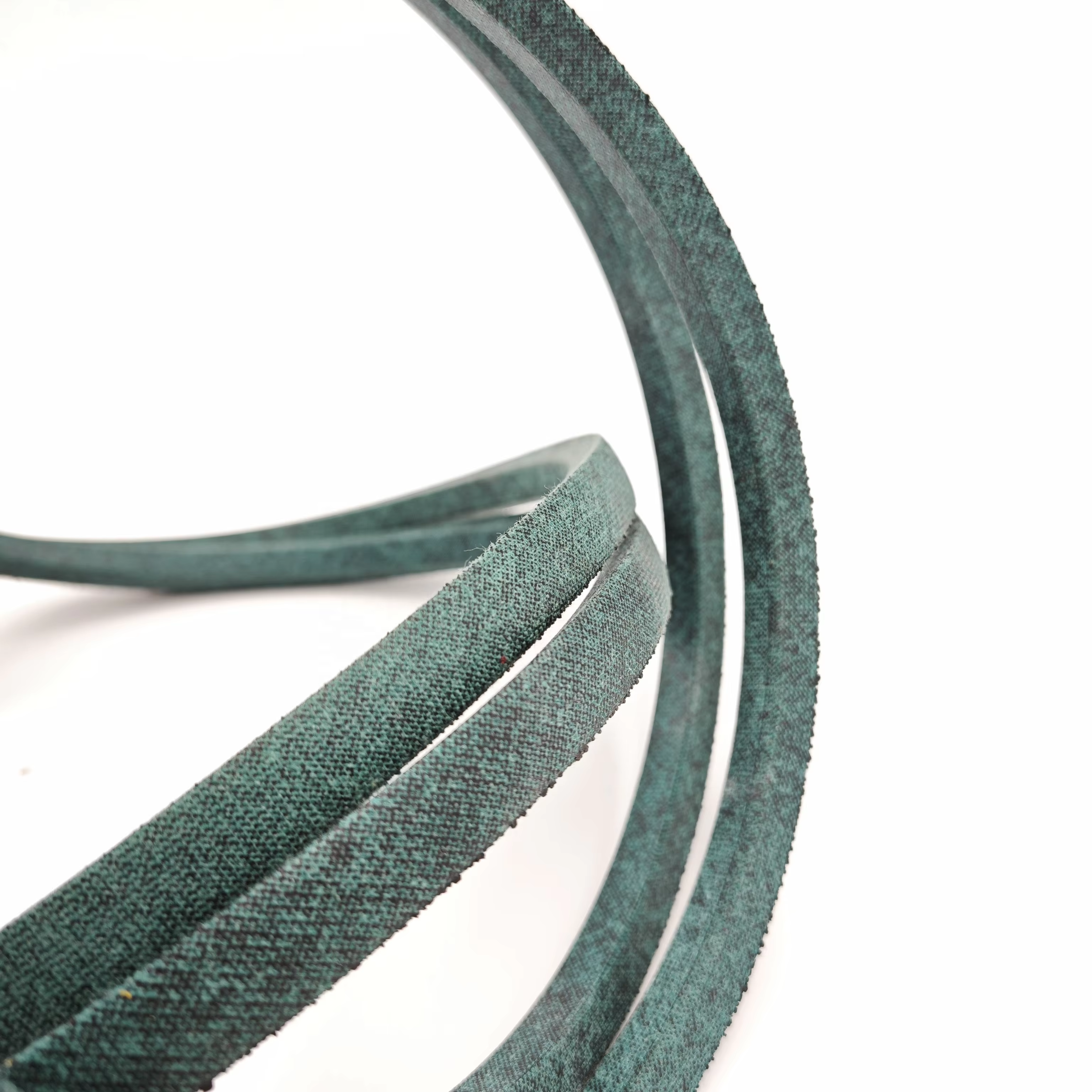
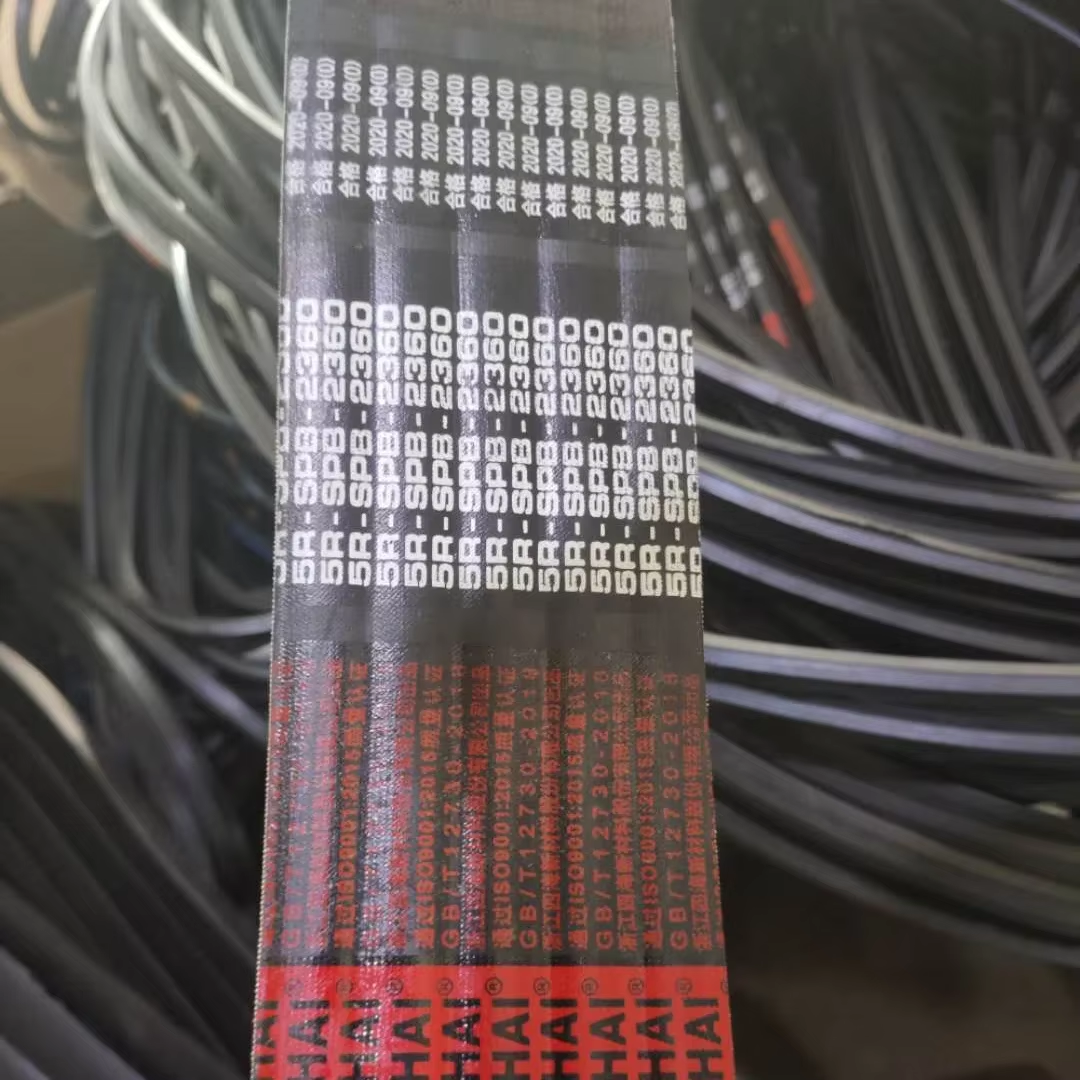
The term "car belt" encompasses a range of power transmission products designed for automotive applications, where reliability under thermal and mechanical stress is paramount. Modern belts utilize EPDM-based compounds for oxidative stability and aramid cord for tensile integrity. Serpentine belts feature longitudinal ribs that engage with corresponding pulley grooves, distributing load evenly and allowing smaller bend radii. In electric vehicles, these belts drive coolant pumps and air conditioning compressors, requiring materials compatible with dielectric fluids. A case study from public transit authorities revealed that switching to monolithic belt designs reduced installation errors by 50% compared to multi-belt systems. For agricultural equipment, twisted V-belts withstand shock loads from balers, while in performance cars, metallic-charged belts dissipate static electricity. Manufacturing quality control includes X-ray imaging of cord alignment and thermal aging tests to simulate years of service. Customers needing belts for specialized machinery—such as airport refuelers or mobile broadcasting units—can request application engineering support. Custom formulations for high-ozone environments (e.g., high-altitude operations) or for compatibility with synthetic esters are available, along with testing certifications from accredited laboratories.