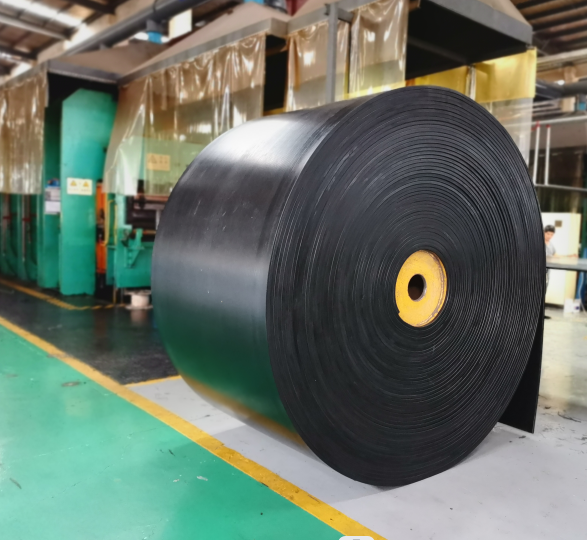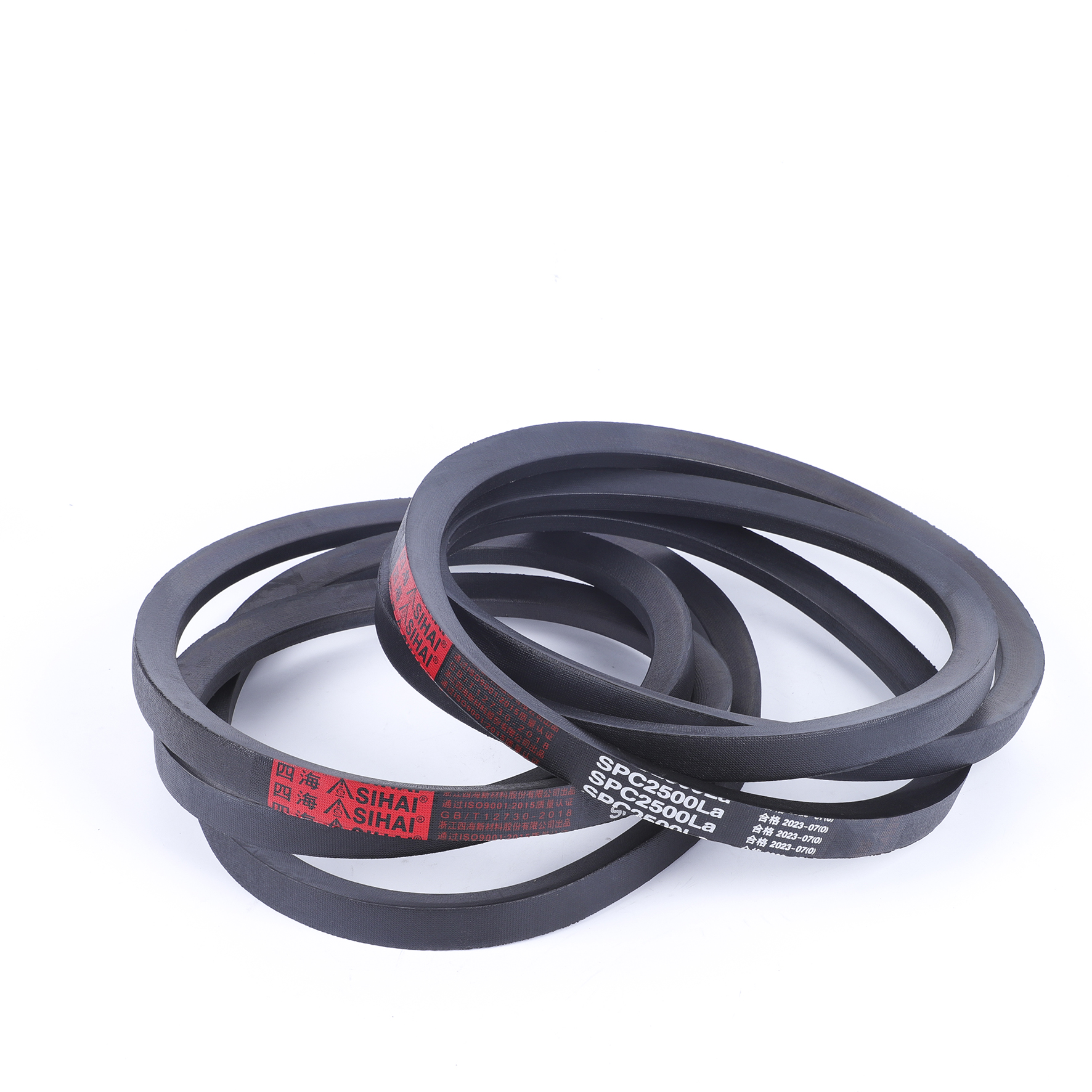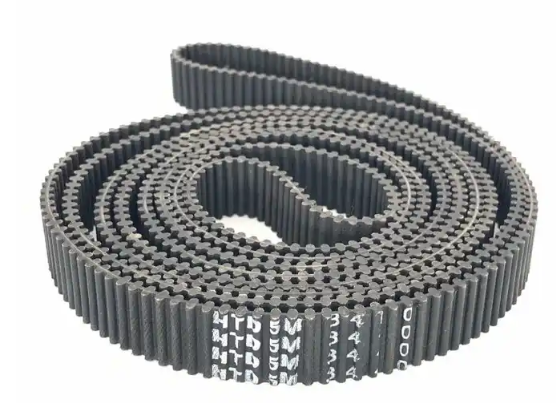
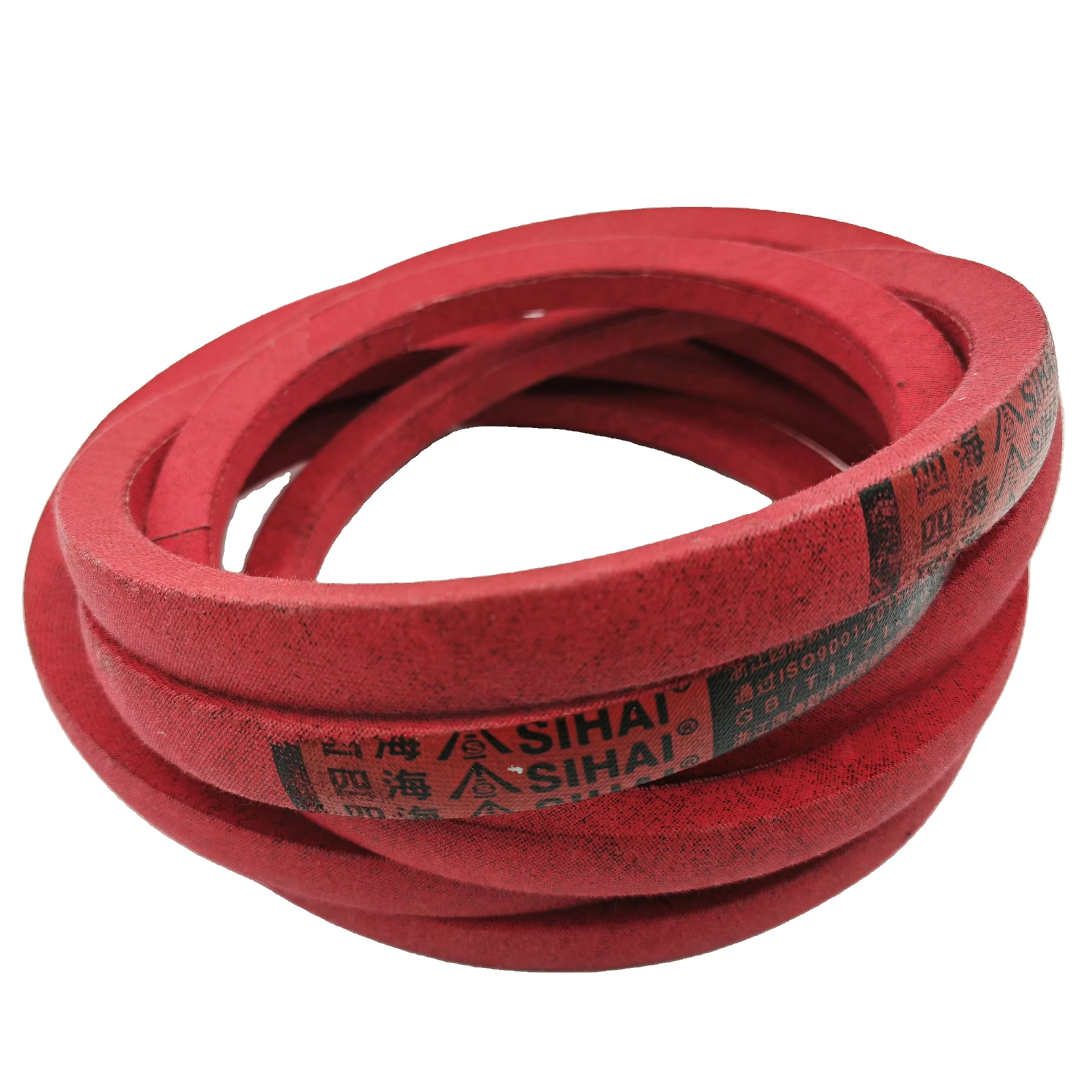
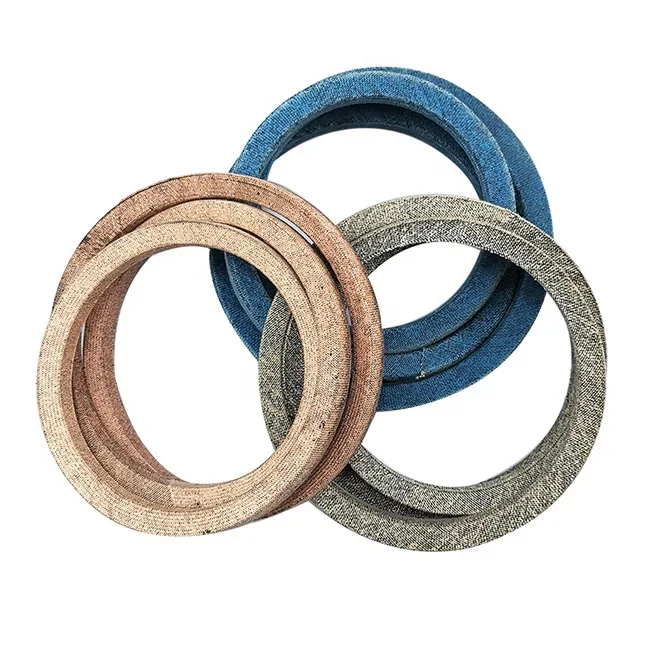
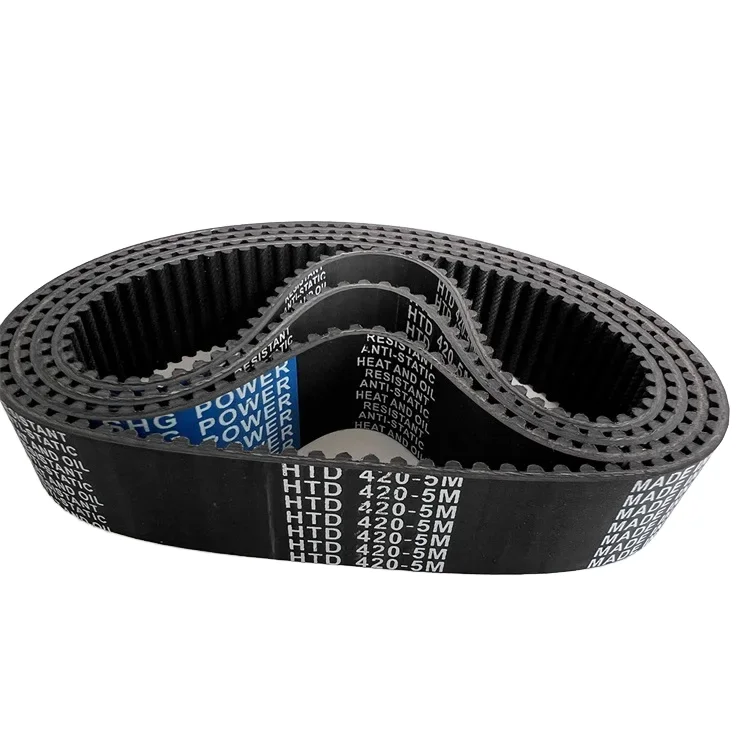
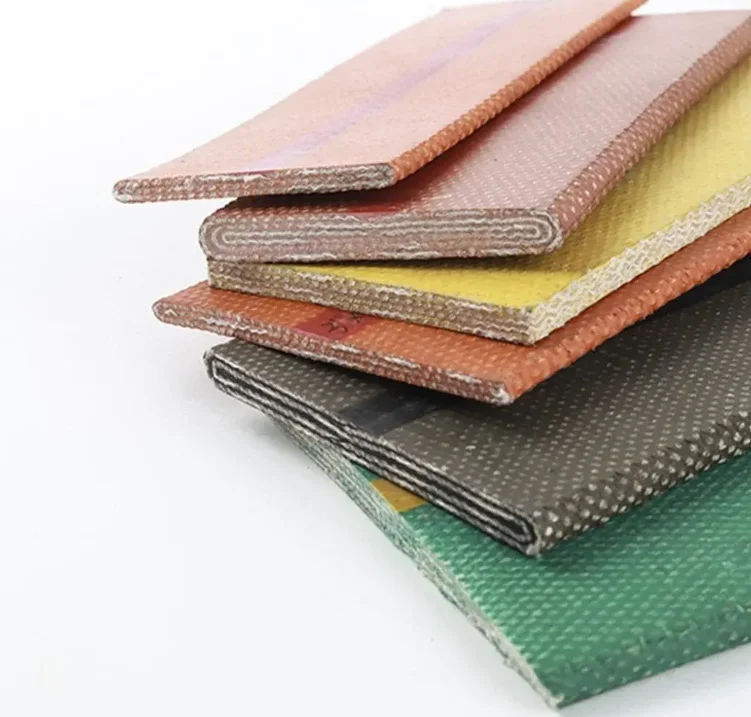
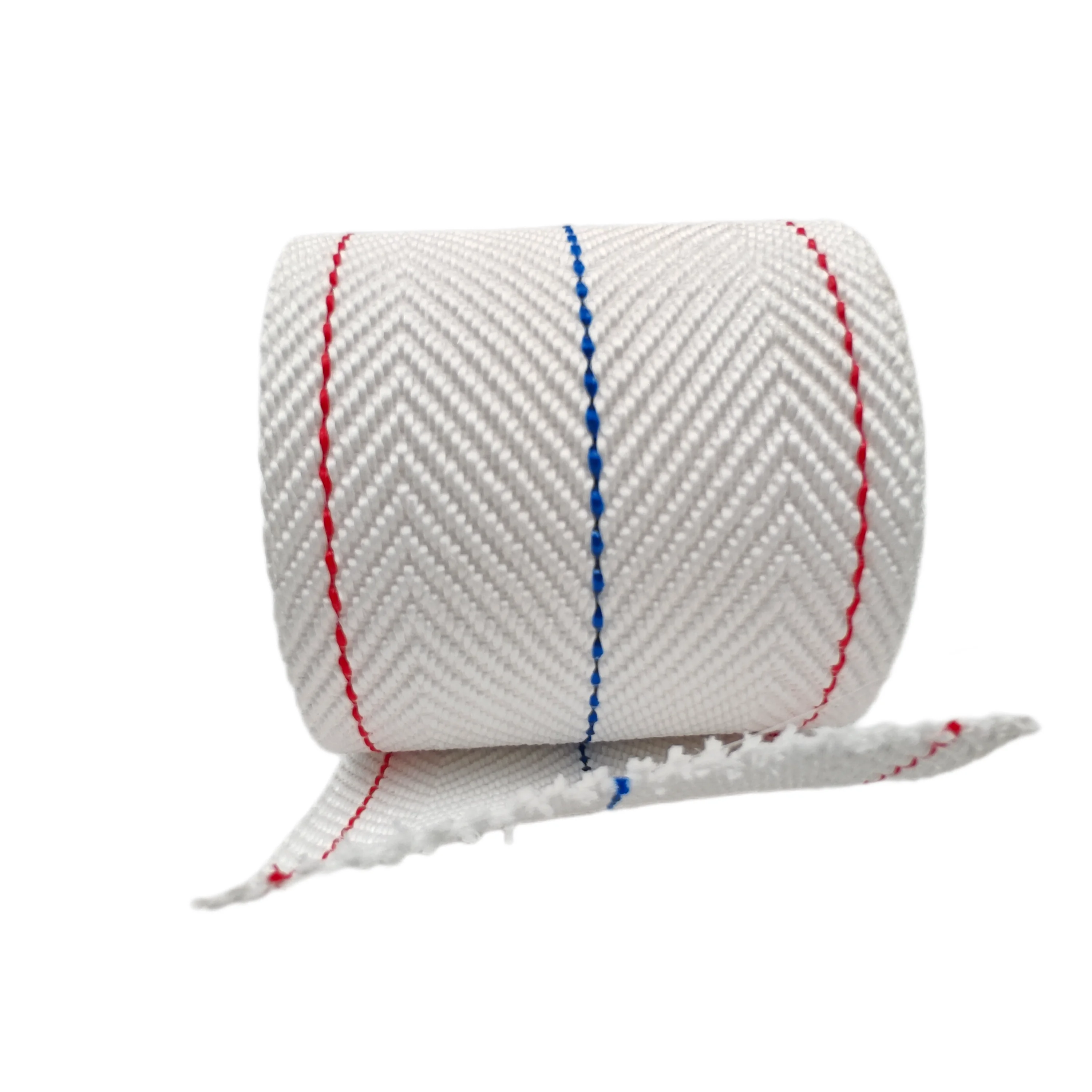
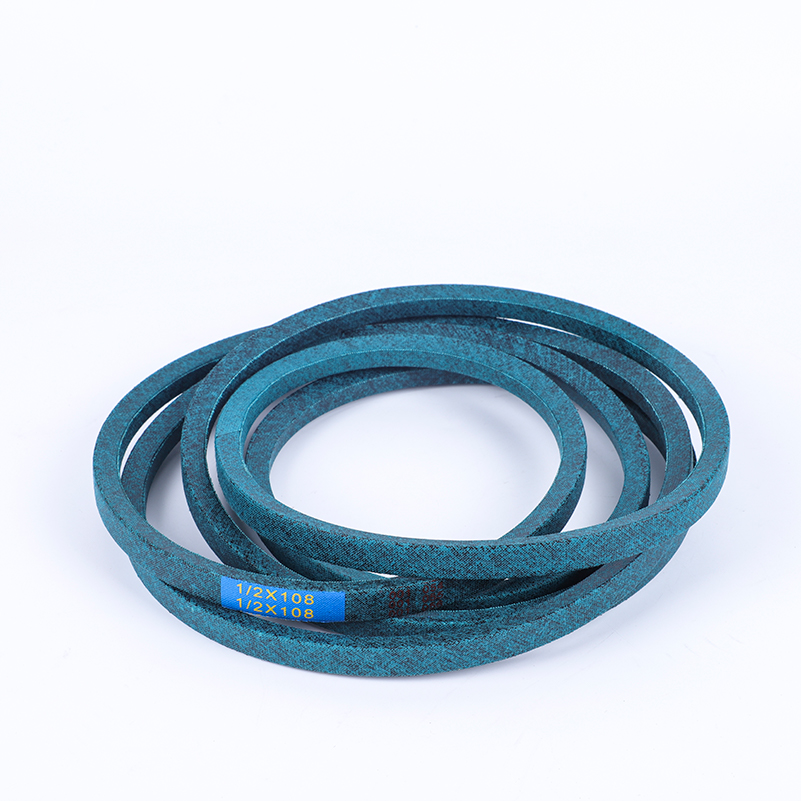
Automotive belts, critical for accessory drive systems, rely on advanced materials and precise engineering to ensure longevity. High-quality EPDM rubber provides ozone and thermal resistance, while polyester or aramid reinforcements maintain dimensional stability under load. Design variations include multi-V belts for compact engines and wide V-belts for industrial conversions. In application, logistics companies reported that anti-static belts eliminated electrical interference with GPS systems in delivery vans. A case study from agricultural cooperatives showed that oil-resistant belts in tractor PTO drives withstood hydraulic fluid leaks, preventing premature failure. For electric vehicles, low-noise belts contribute to cabin comfort, and in racing, non-slip profiles ensure consistent alternator output. Manufacturing quality control involves cord adhesion tests and thermal cycling to simulate engine bay conditions. Those needing belts for specialized purposes—such as mobile medical imaging or hydrogen fuel cell vehicles—should contact our technical department for compound recommendations. Custom solutions can include belts with unique reinforcement patterns, high-visibility colors for safety, or profiles optimized for variable speed drives.