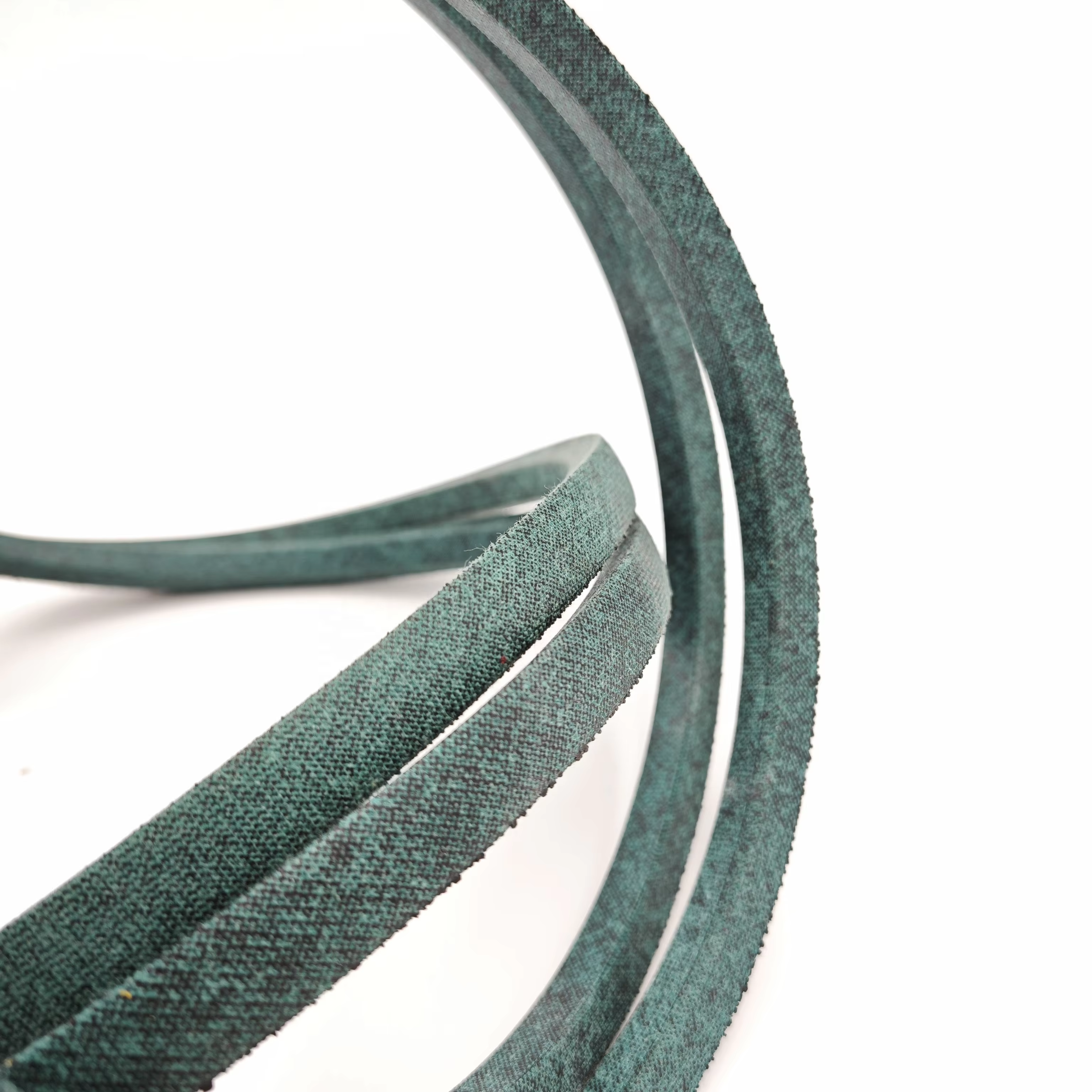
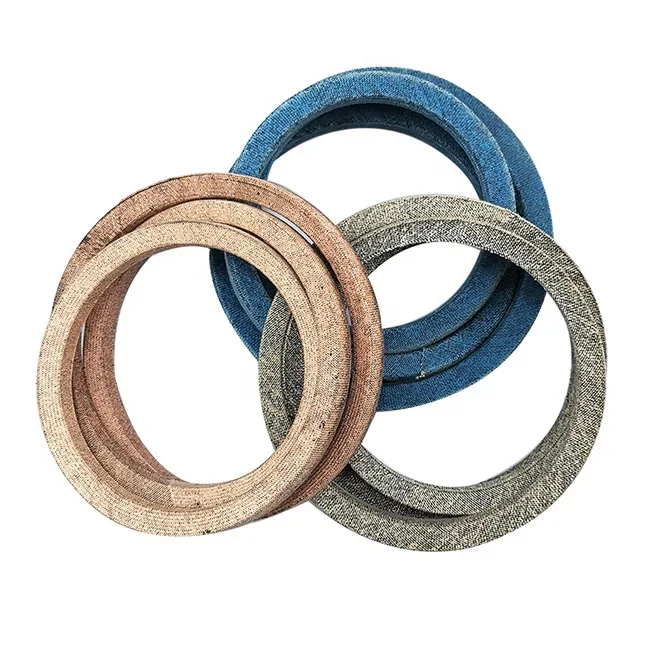
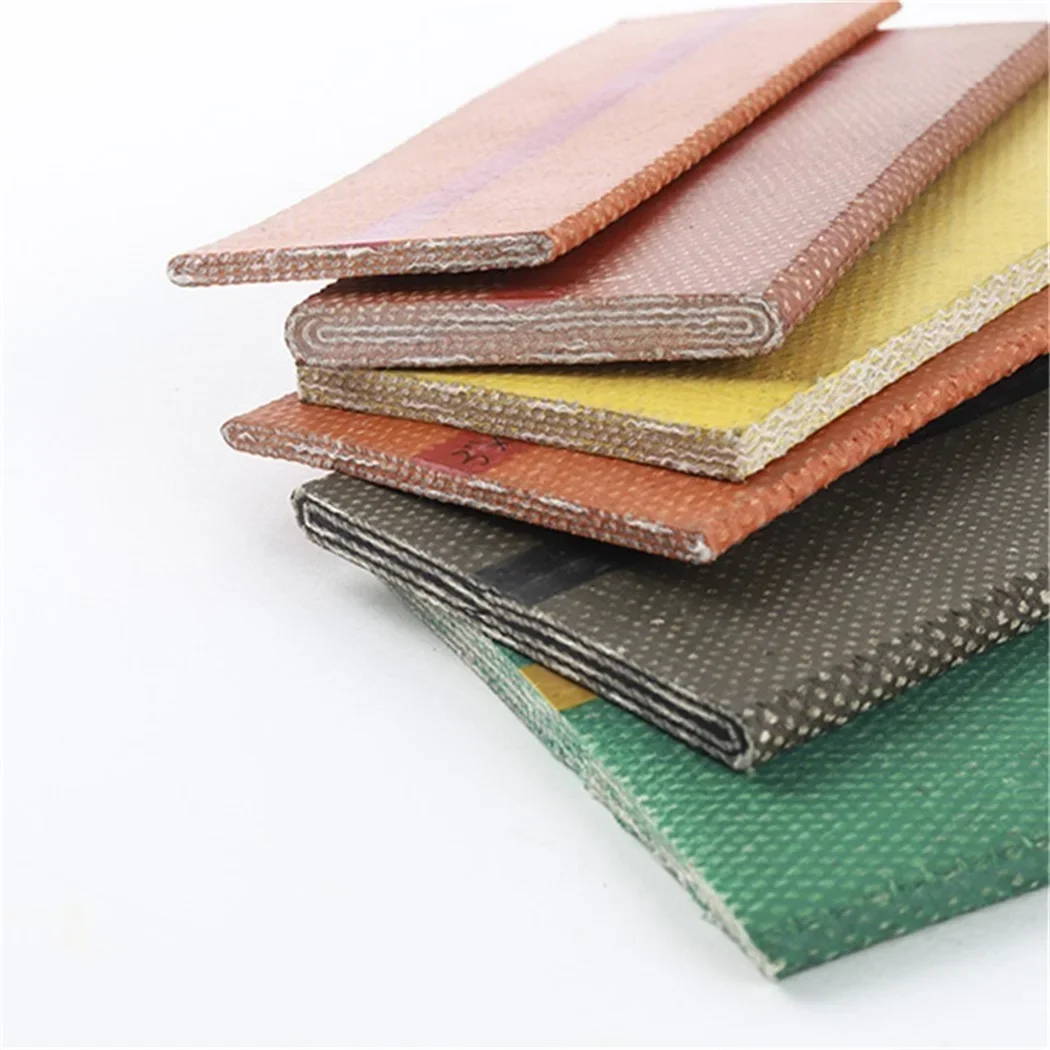
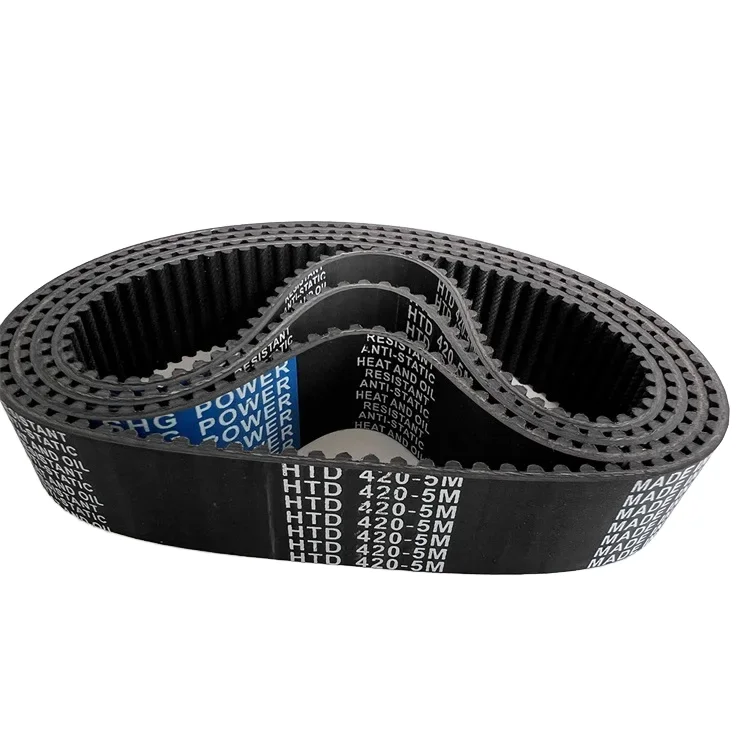
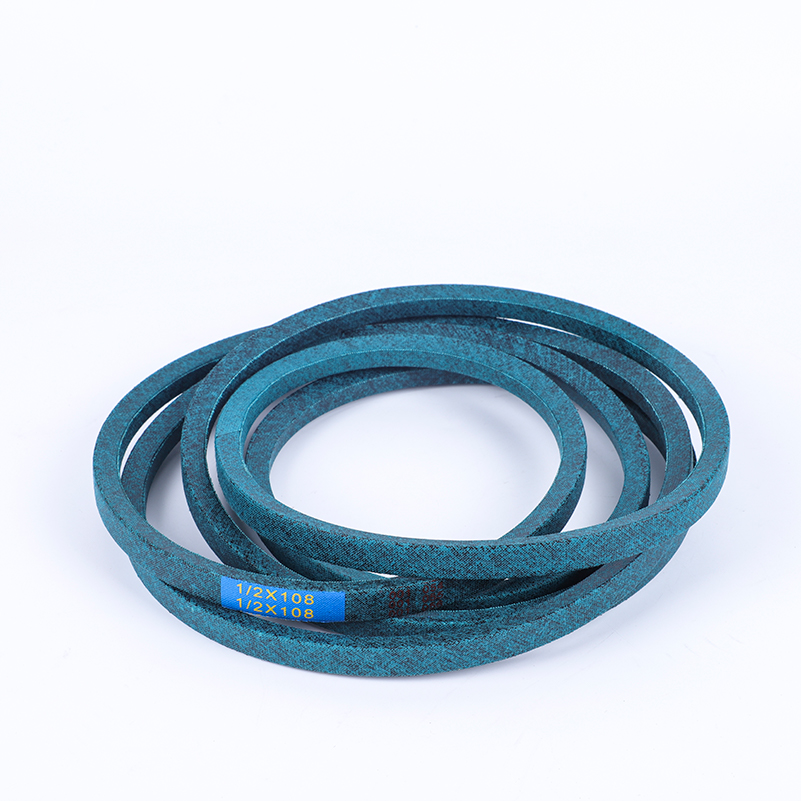
Automotive belts, essential for powering engine accessories, have evolved from simple rubber strips to composite structures with tailored mechanical properties. Key innovations include chopped aramid fiber reinforcements for impact resistance and hybrid EPDM-NBR blends for oil and heat tolerance. Serpentine belts dominate modern layouts due to their space efficiency, while V-ribbed belts combine the grip of V-belts with the flexibility of flat belts. In emergency vehicles, such as ambulances, belts must sustain high electrical loads from medical equipment, requiring enhanced adhesion between rubber and tensile members. A case study from a cold-chain transport firm showed that low-temperature flexible belts prevented brittle fractures during freezer compartment operations, ensuring uninterrupted cooling. For motorsports, carbon-black-filled compounds reduce slippage under sudden acceleration, and in marine applications, anti-fungal additives inhibit mold growth. Automated optical inspection systems detect micro-imperfections during production, and spectral analysis verifies polymer consistency. Clients interested in belts for hydrogen fuel cell vehicles (where chemical resistance differs) or high-altitude mining equipment should contact us for material selection guidance. Custom-designed belts with unique rib patterns or conductive properties can be developed through collaborative prototyping, backed by fatigue testing reports.