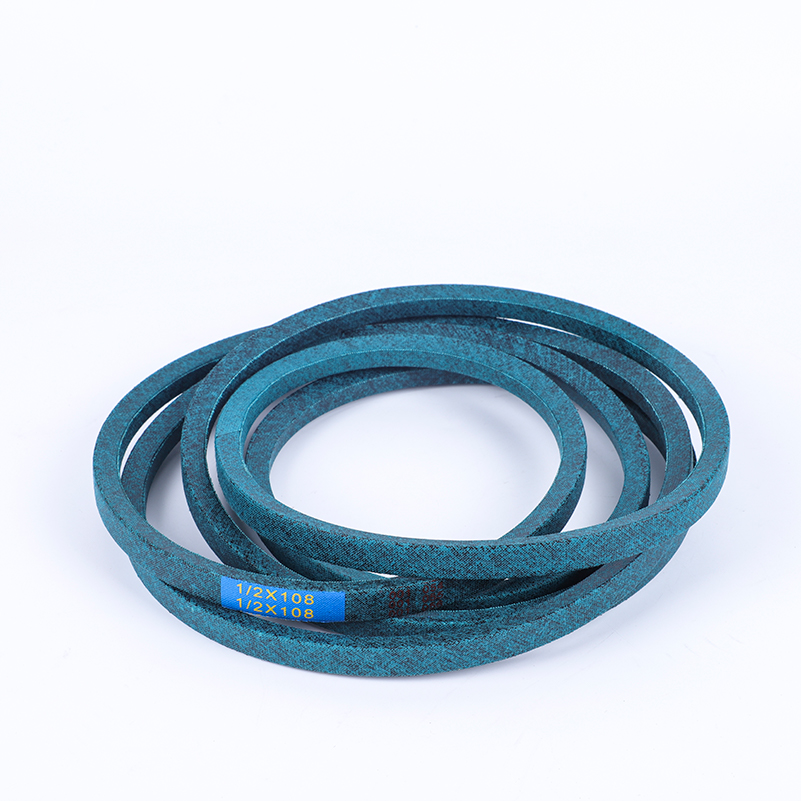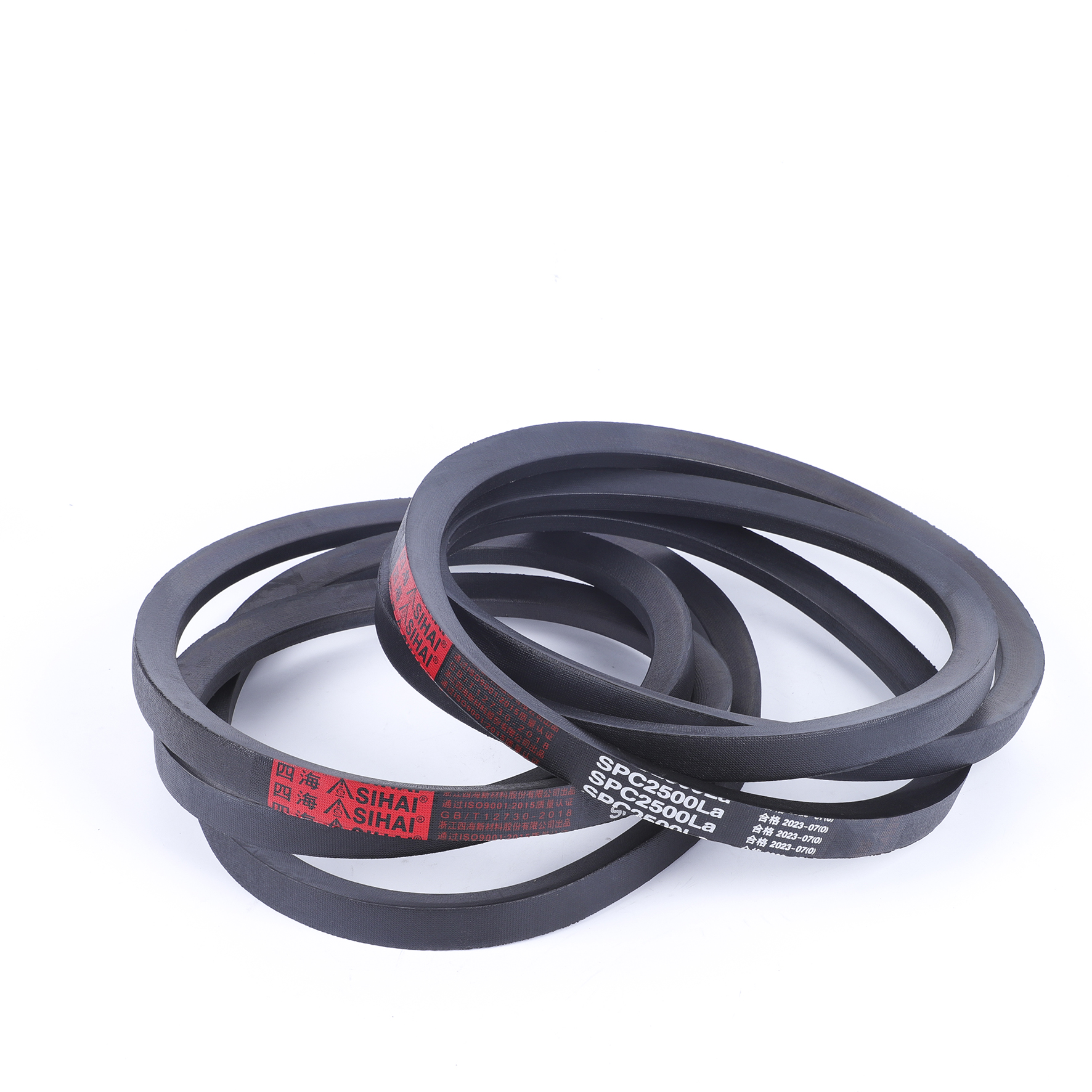
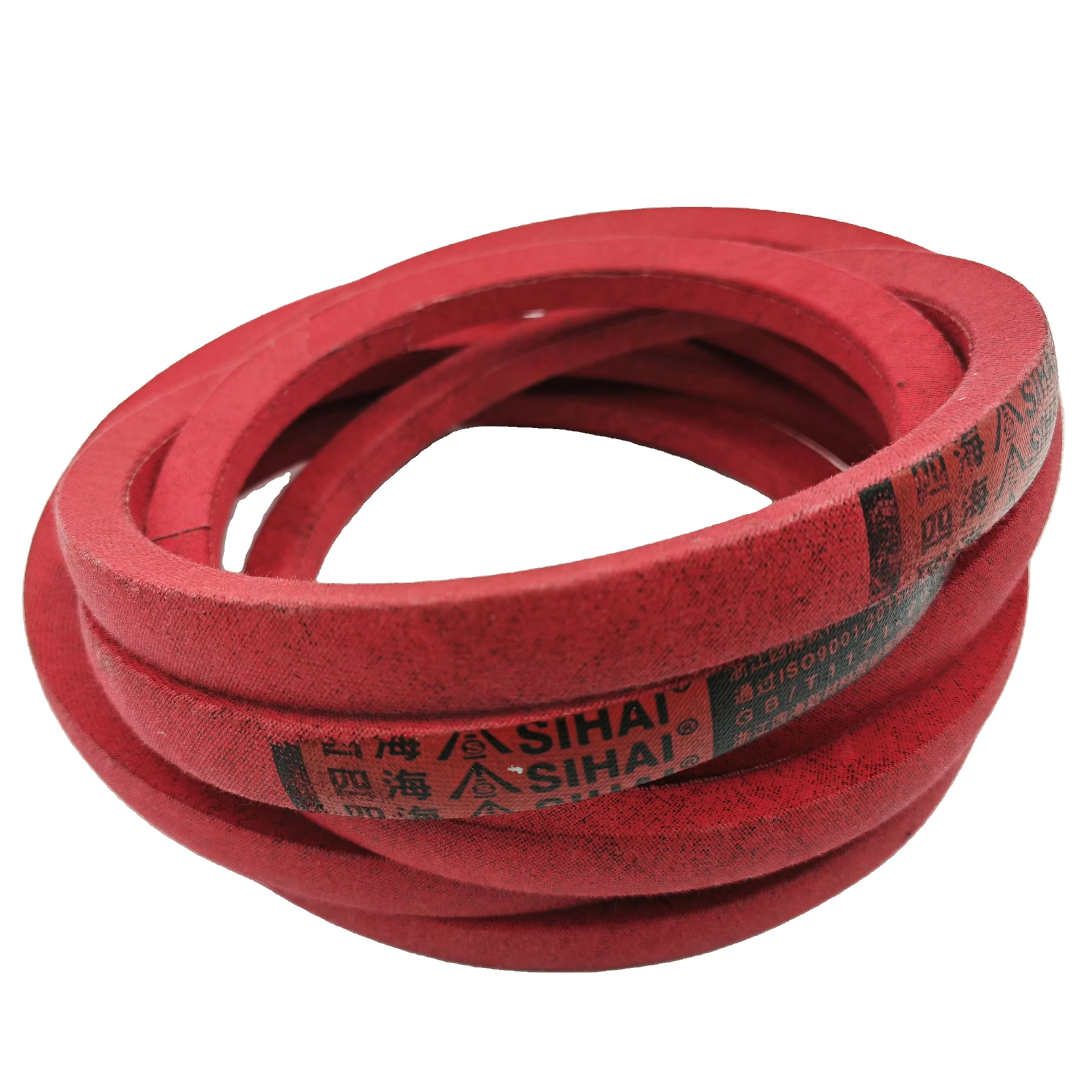
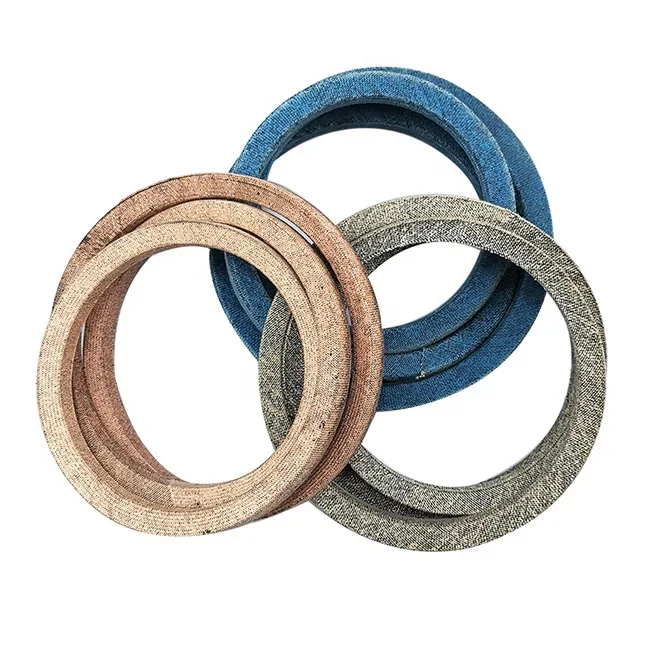
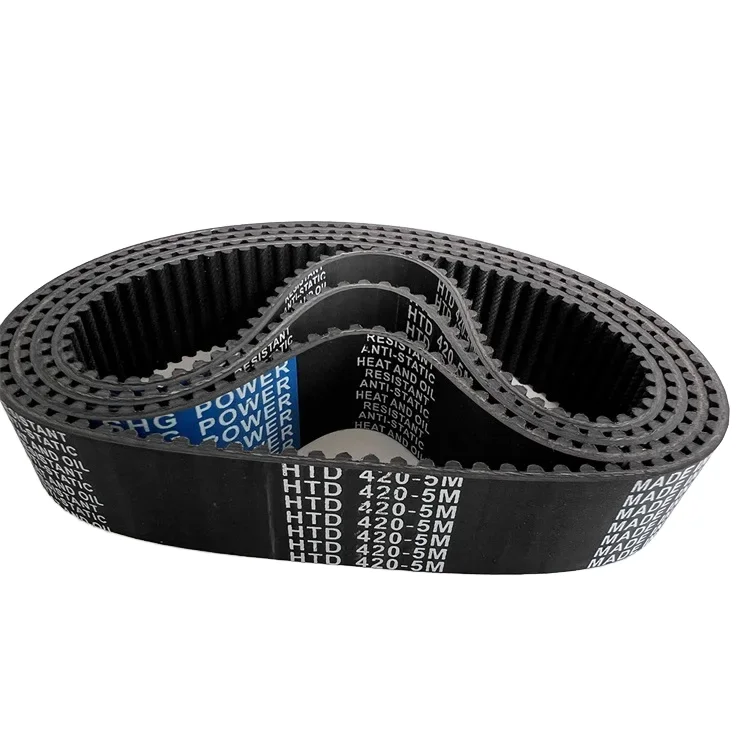
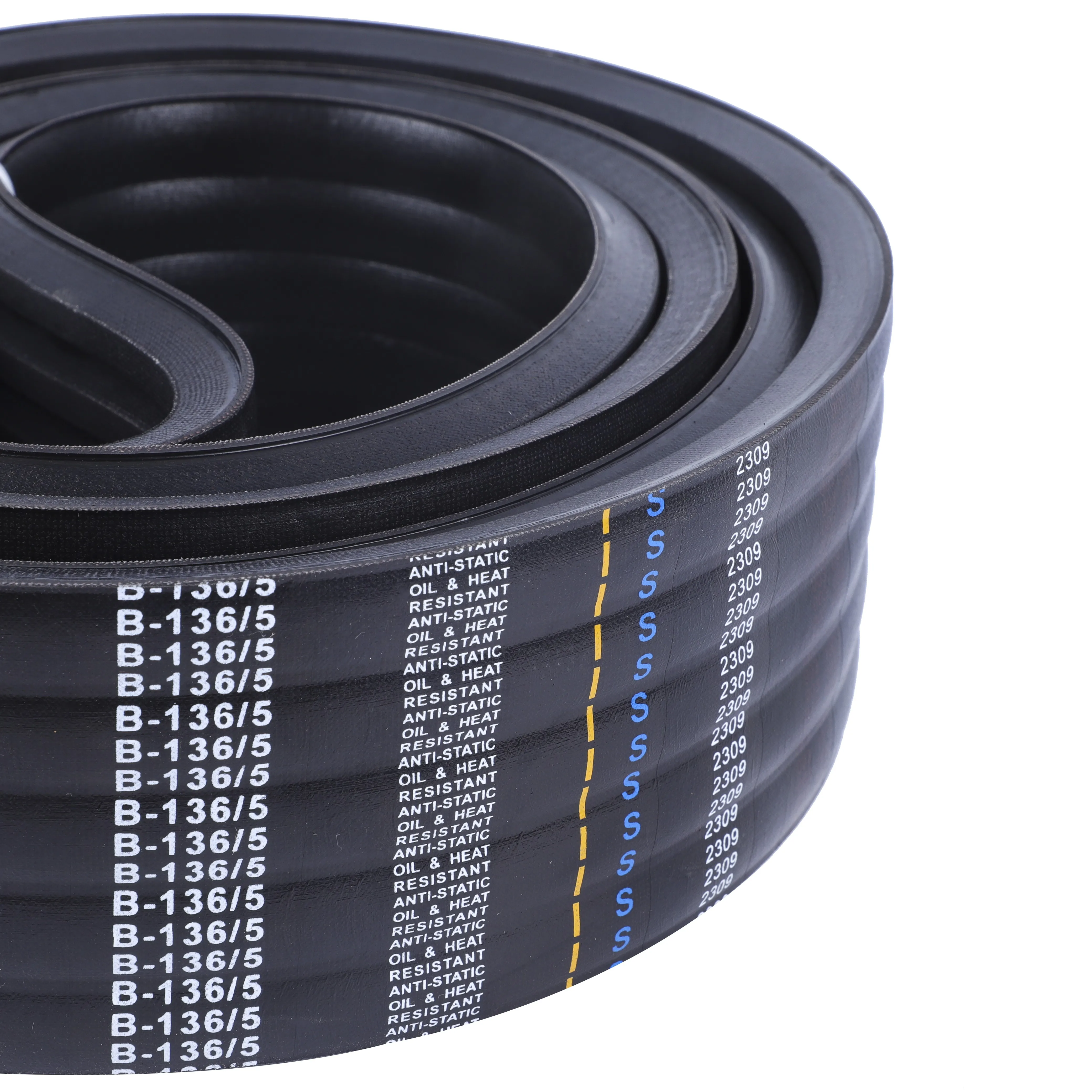
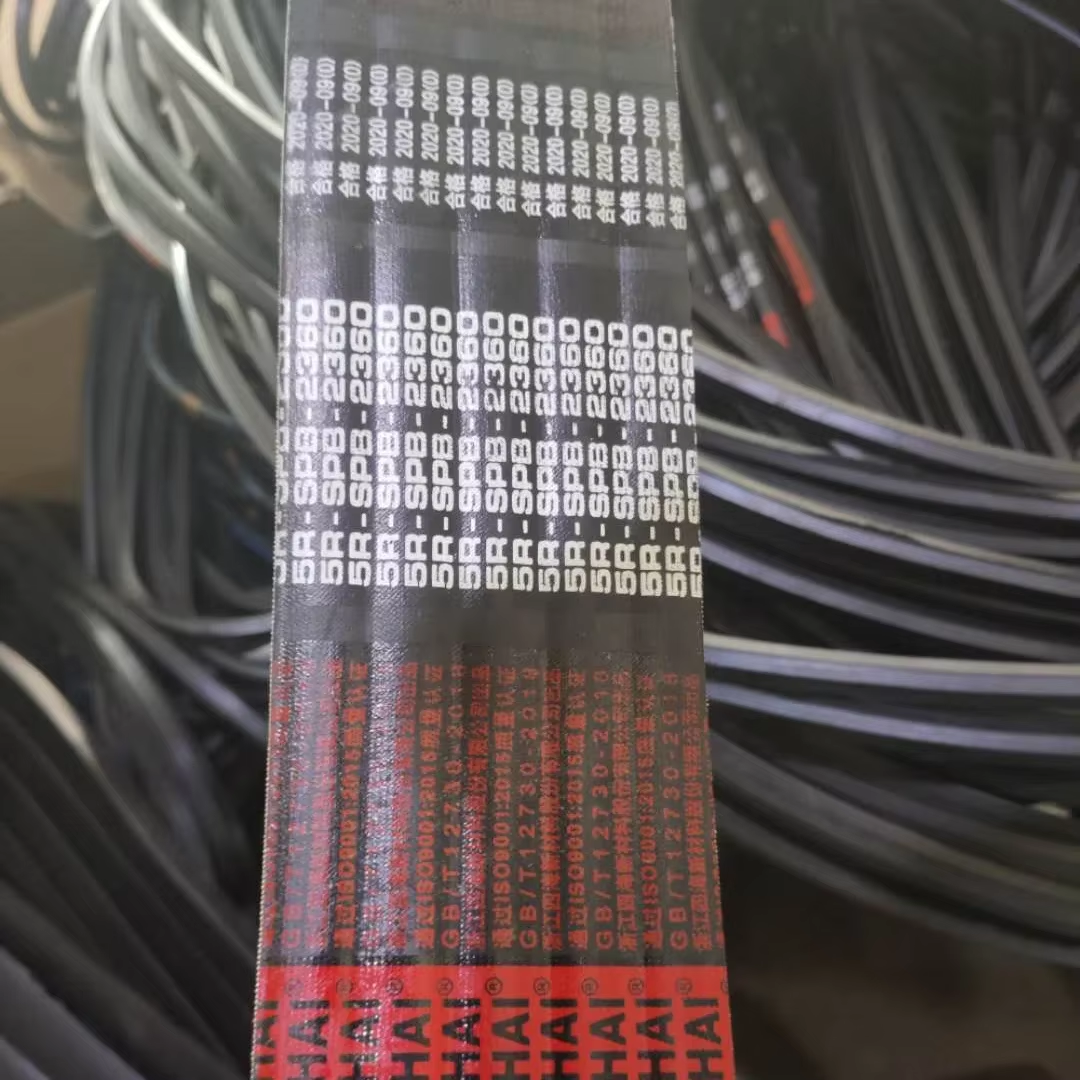
Automotive drive belts, often termed "car belts," serve as critical linkages between the engine's crankshaft and peripheral systems, facilitating the operation of essential accessories like cooling fans, hydraulic pumps, and charging systems. These components are subject to stringent international standards, such as ISO 9001, which govern material selection, manufacturing tolerances, and durability testing. Technically, belts are classified into classical V-belts, narrow-profile V-belts, and multi-rib serpentine belts, each optimized for specific torque capacities and spatial constraints. The incorporation of chloroprene or neoprene compounds provides resistance to oil, abrasion, and dynamic stress, while embedded tensile members (e.g., fiberglass or steel cords) minimize elongation under high rotational speeds. In real-world applications, serpentine belts in modern front-wheel-drive vehicles exemplify engineering precision by routing around multiple pulleys with automatic tensioners, ensuring consistent power delivery even during rapid acceleration. A notable case involves logistics companies utilizing delivery vans in humid coastal regions, where specialized anti-corrosion coatings on belt reinforcements extended service life by 25% compared to standard variants. Furthermore, synchronous (timing) belts, though not always categorized under generic "car belts," share technological principles with automotive accessory drives, employing fiberglass-reinforced rubber and precision-molded teeth to prevent slippage in valve timing mechanisms. For electric vehicles, auxiliary belts power HVAC compressors and battery cooling pumps, requiring low-electrical-conductivity materials to prevent short circuits. Engineers often simulate belt performance using finite element analysis (FEA) to predict wear patterns and optimize groove engagement. Clients with unique needs, such as retrofitting classic cars with modern accessories or adapting belts for high-altitude operations, are encouraged to reach out for customized solutions, as parametric design adjustments—including pitch length, rib count, and cover fabric treatments—can be tailored to specific vehicle architectures.