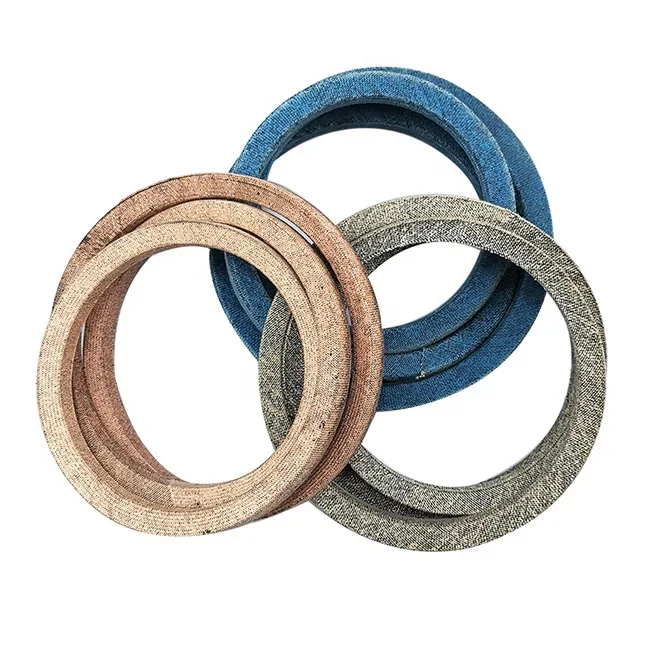
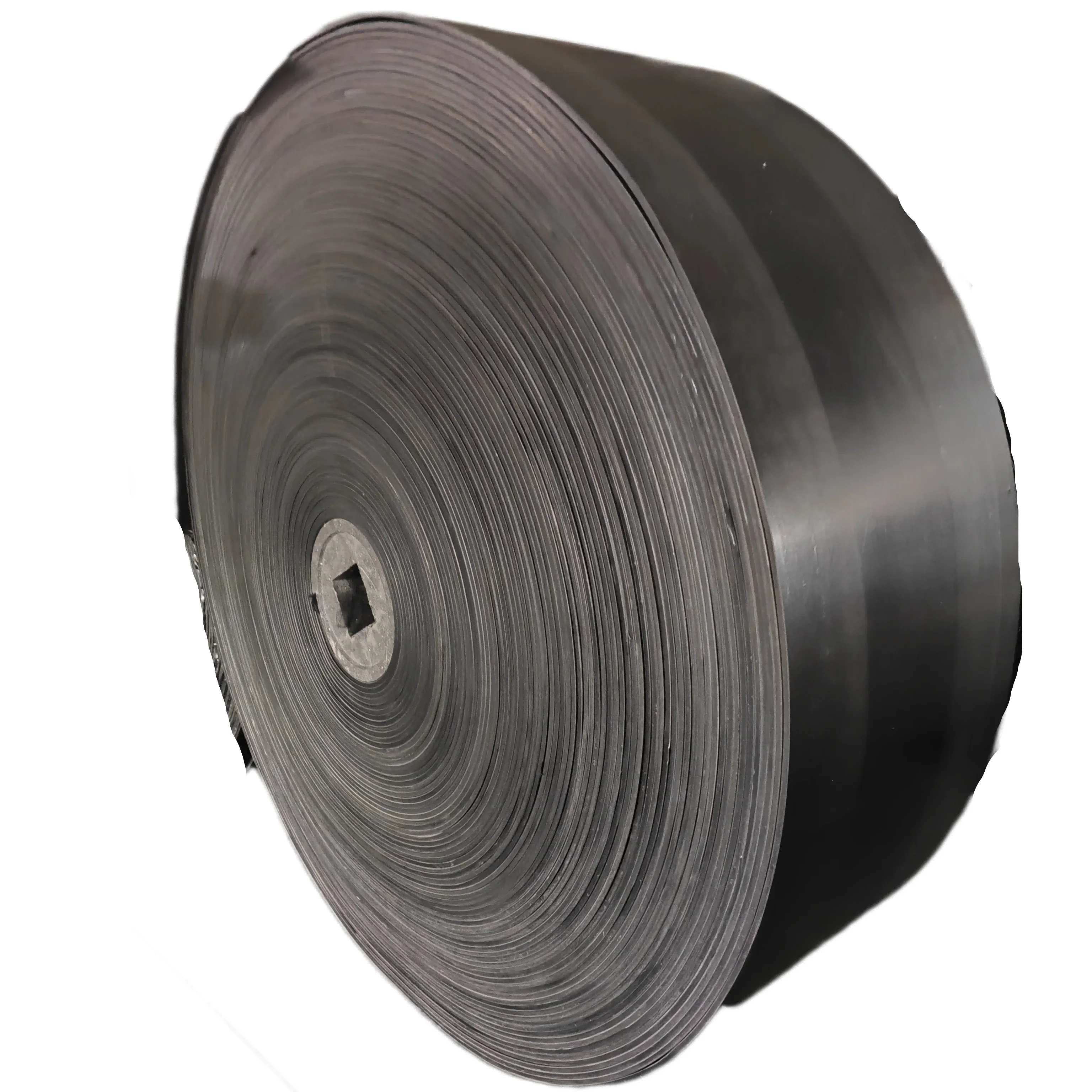
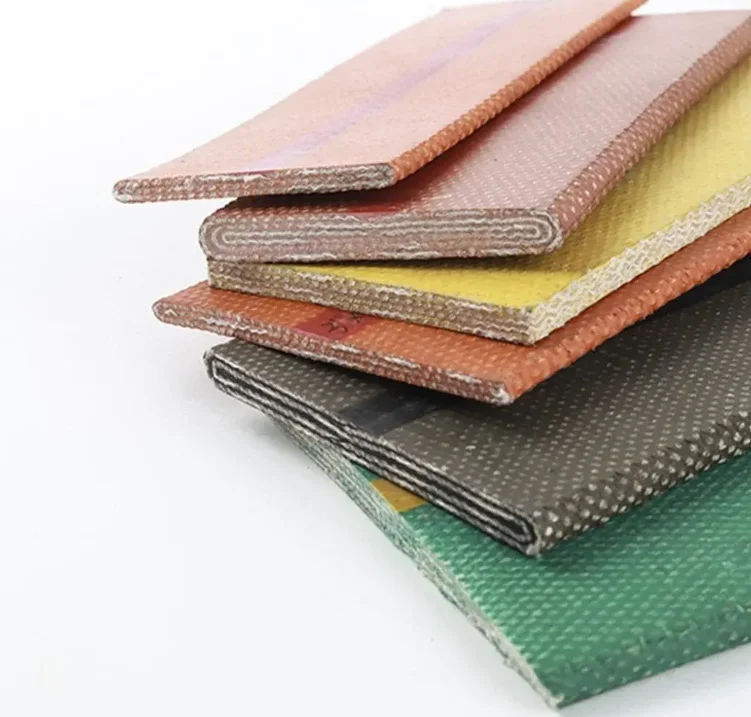
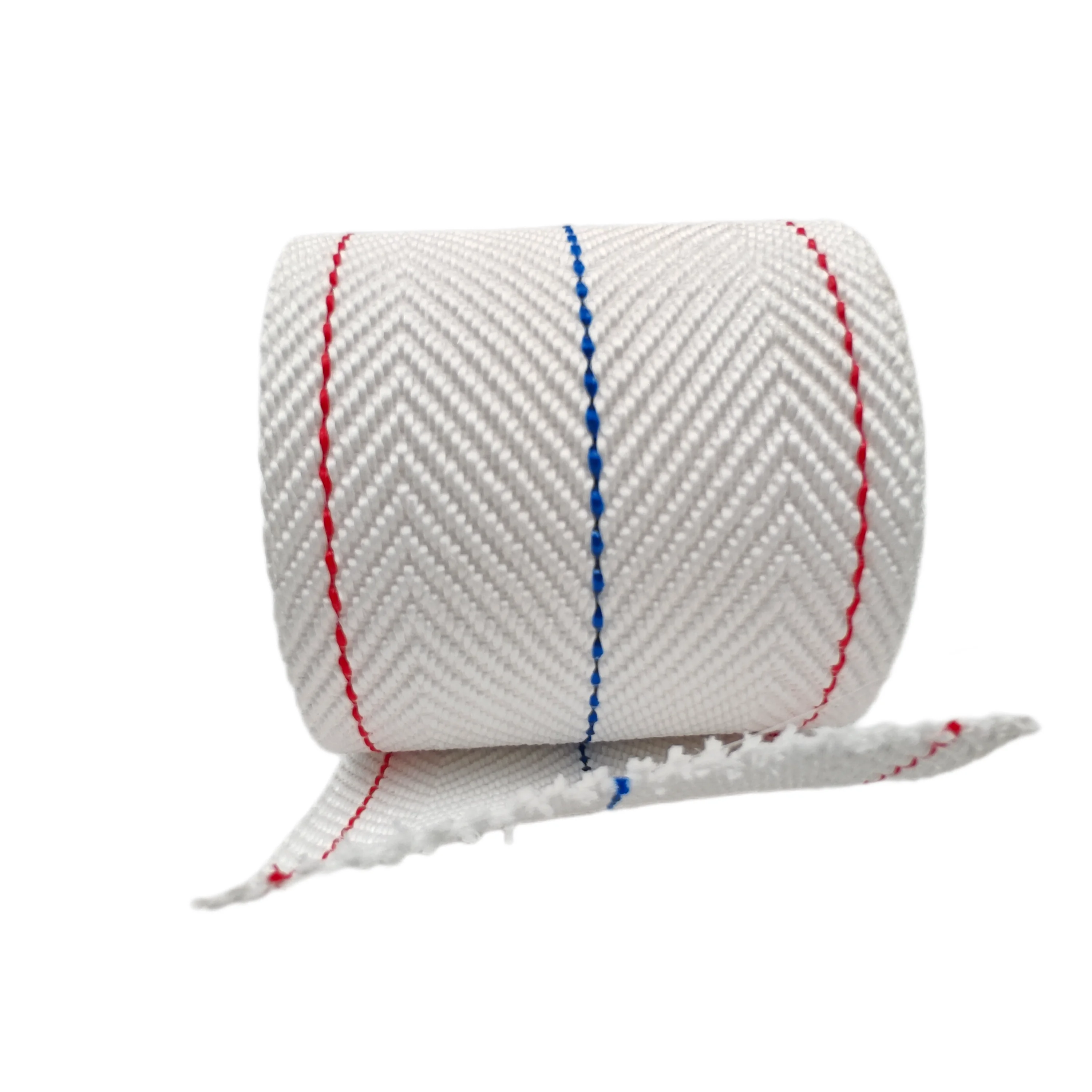
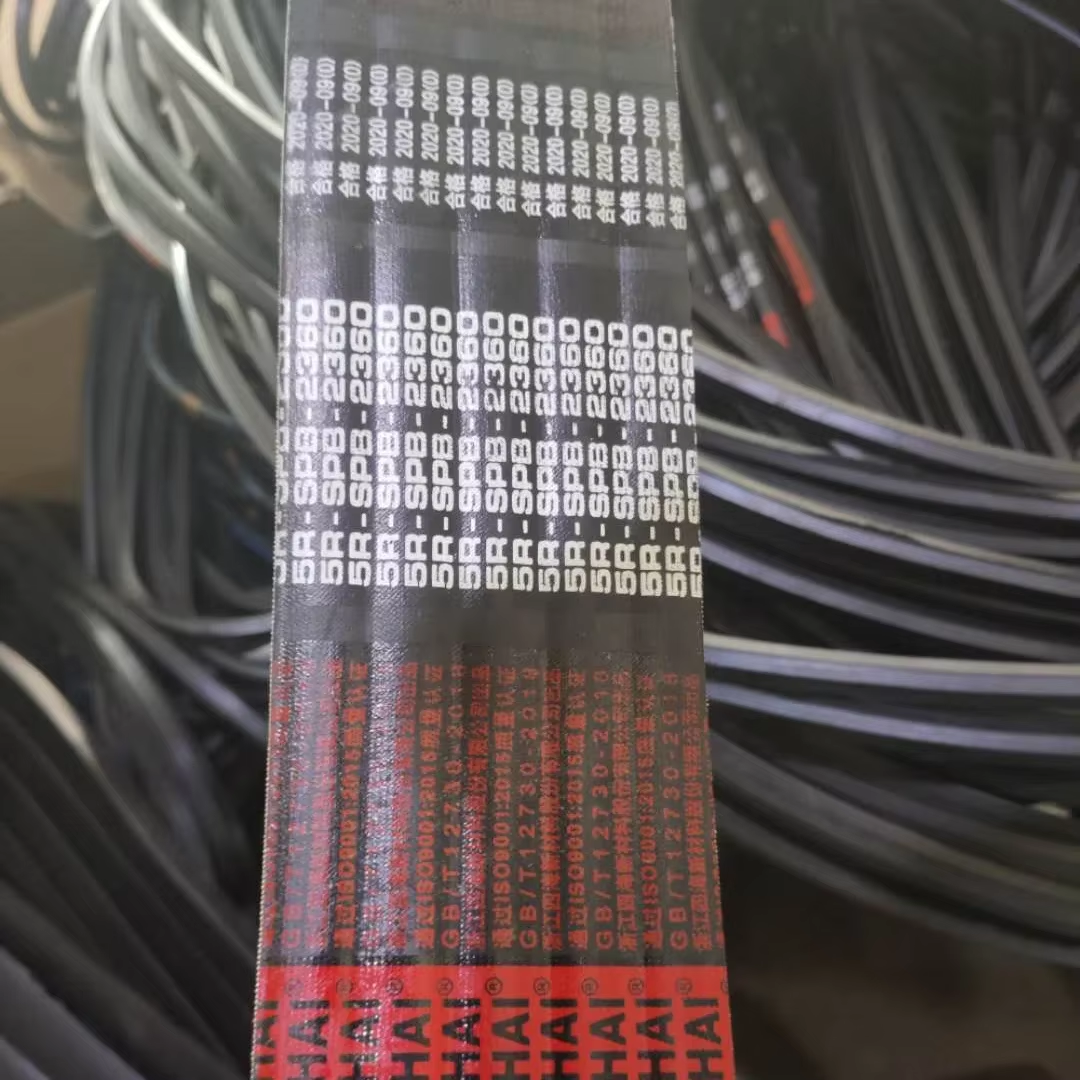
Car belts are precision components whose failure can lead to vehicle breakdowns, making material durability and design accuracy critical. High-performance belts incorporate EPDM rubber for UV resistance and polyester cords for minimal elongation. Multi-rib belts allow smaller pulley diameters, saving space, while cogged V-belts reduce heat buildup. In practice, municipal fleets found that switching to static-dissipative belts prevented electrical issues in snowplows. A case study from agricultural exporters showed that mold-resistant belts in refrigerated containers withstood high humidity without degradation. For autonomous vehicles, belts require electromagnetic compatibility (EMC) to avoid sensor interference, and in performance engines, they sustain high RPM without stretching. Manufacturing employs statistical process control (SPC) to ensure consistency, and environmental testing validates performance under ozone exposure. Those needing belts for unconventional applications—such as mobile broadcast vans or electric aircraft tow tractors—can request application engineering support. Custom solutions may involve altering rib spacing, incorporating anti-mildew additives, or developing profiles for high-altitude operation, with technical data provided for integration studies.