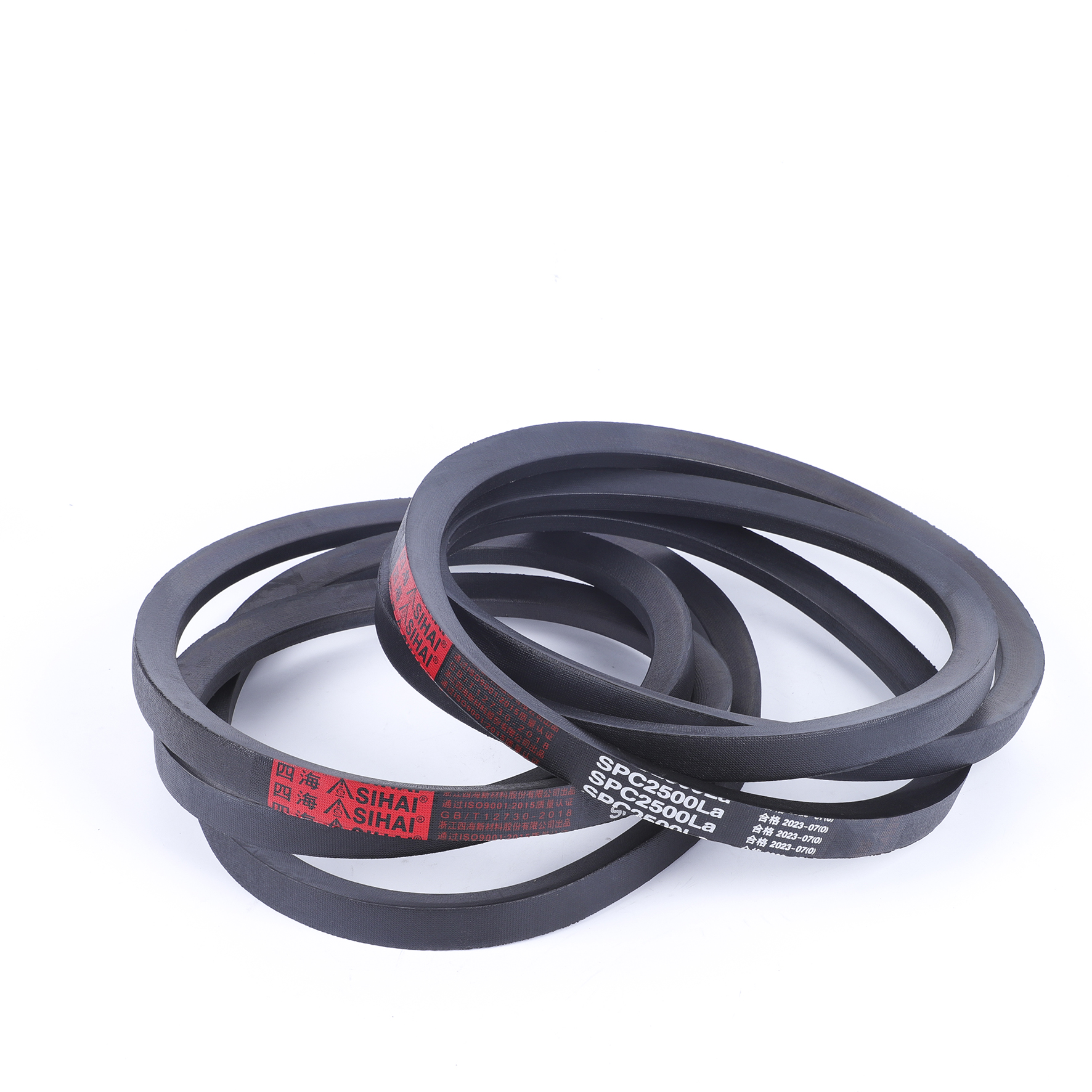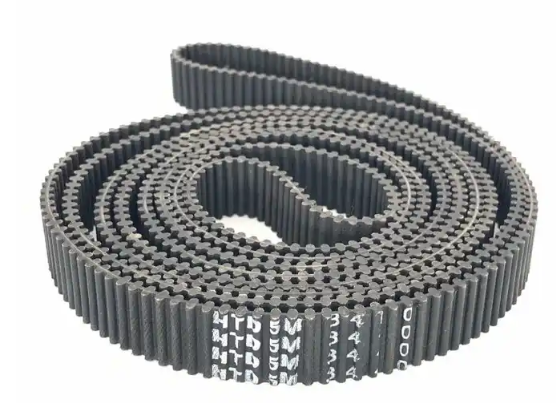
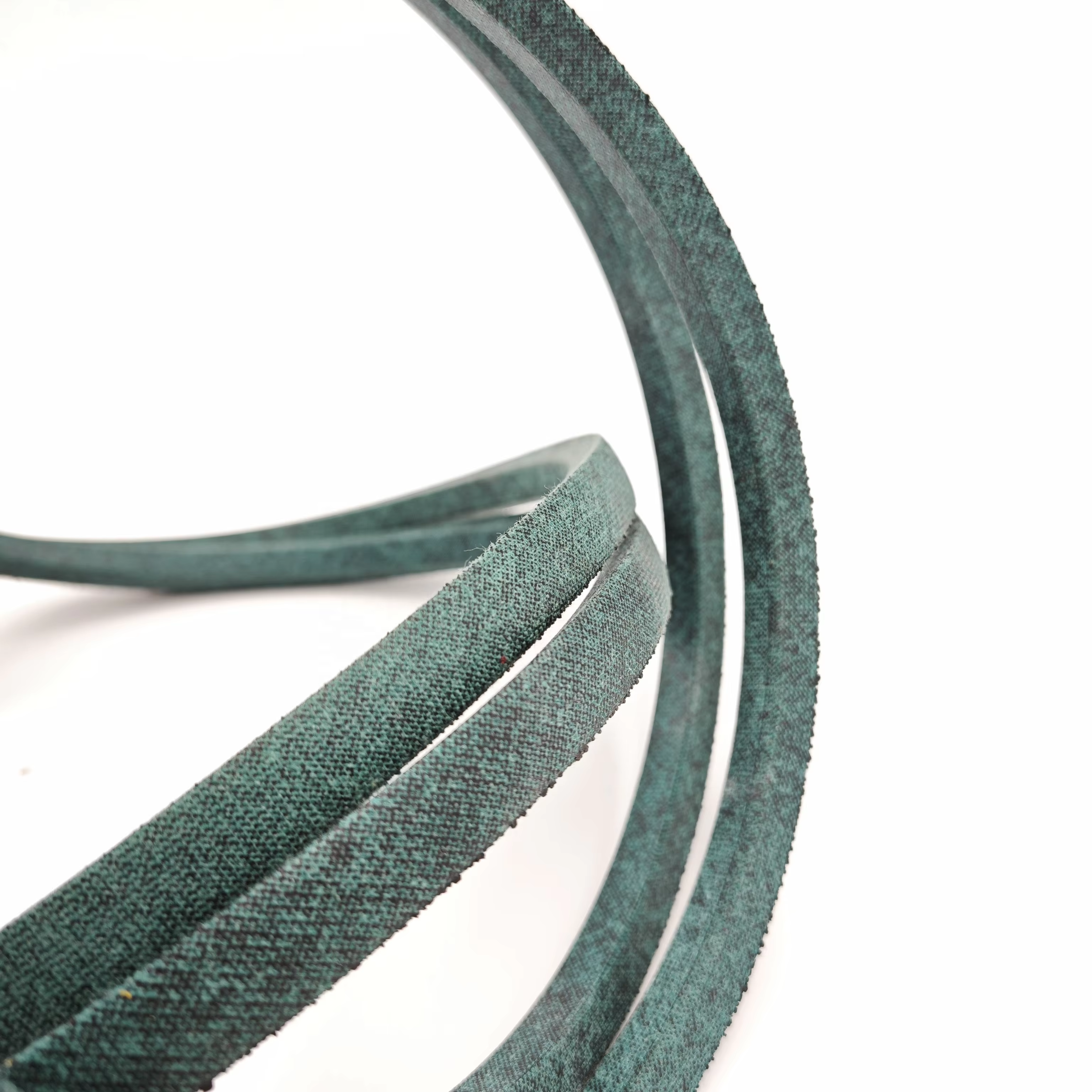
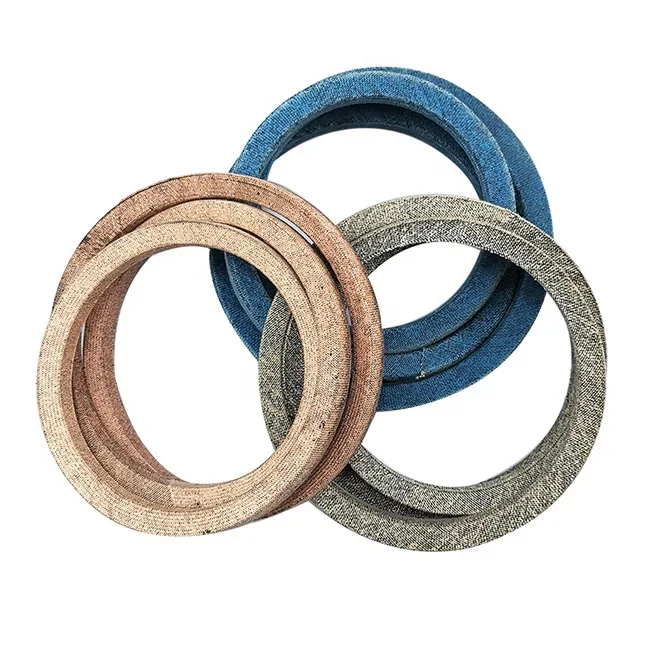
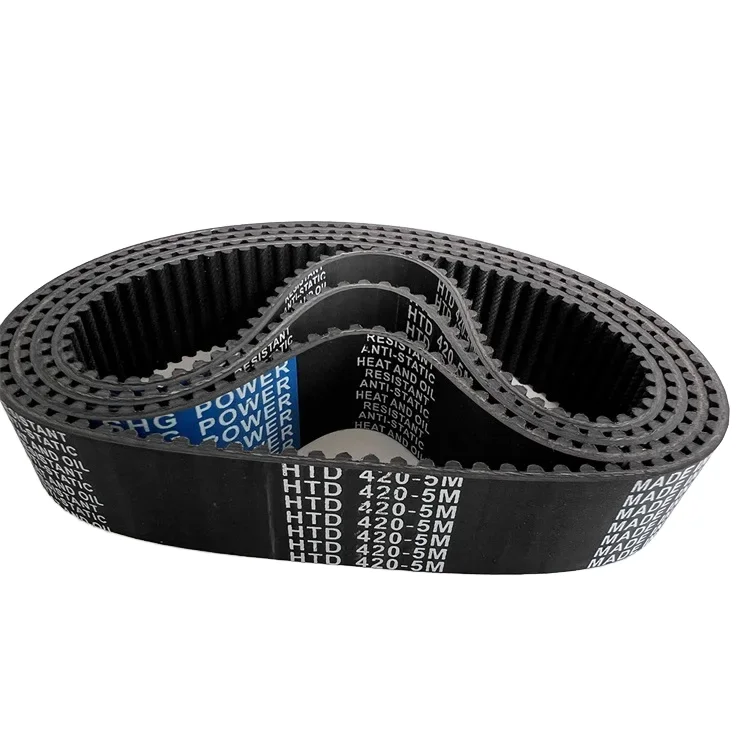
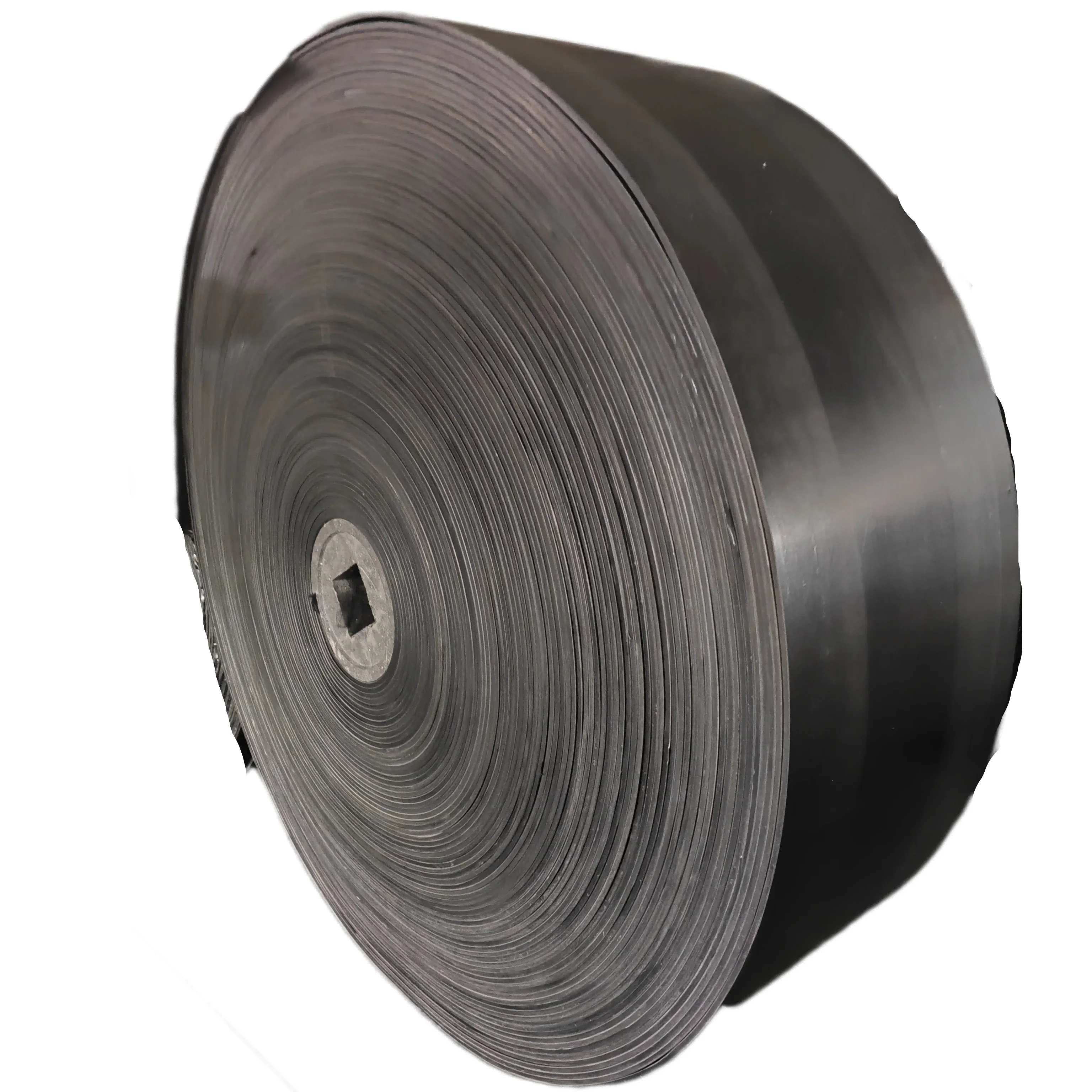
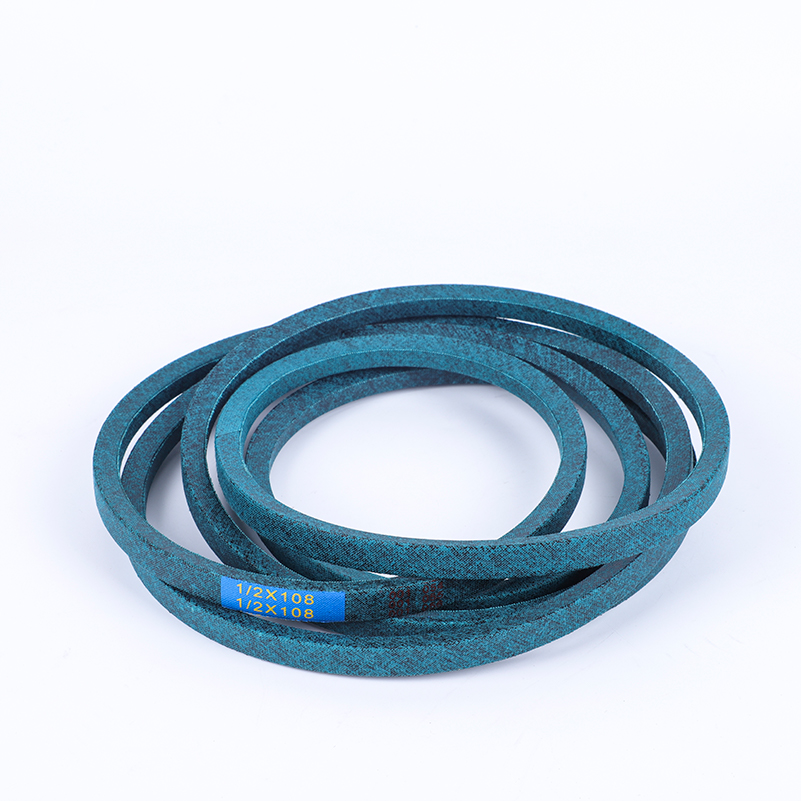
The automotive belt, or "car belt," is a synergistically designed component whose performance depends on material properties and geometric precision. High-performance belts use hydrogenated nitrile rubber (HNBR) for superior temperature range (-40°C to 150°C) and aramid fibers for burst resistance. Serpentine belts incorporate longitudinal grooves to dissipate heat, while cogged V-belts reduce bending stress. In application, fleet managers in dust-prone areas reported that abrasive-resistant covers doubled belt life in construction vehicles. A documented case in refrigerated transport demonstrated that low-temperature flexible belts prevented cracking during freezer unit cycling. For electric vehicles, belts drive auxiliary systems without engine harmonics, requiring precise tensioning to avoid resonance. Advanced manufacturing uses laser micrometers to verify dimensional tolerances, and environmental chambers test performance under humidity cycles. Customers with needs for belts in extreme conditions—such as desert patrol vehicles or polar research transports—should contact us for material recommendations. Custom solutions may include belts with integrated sensors for predictive maintenance, or profiles optimized for retrofitting older engines with modern accessories.