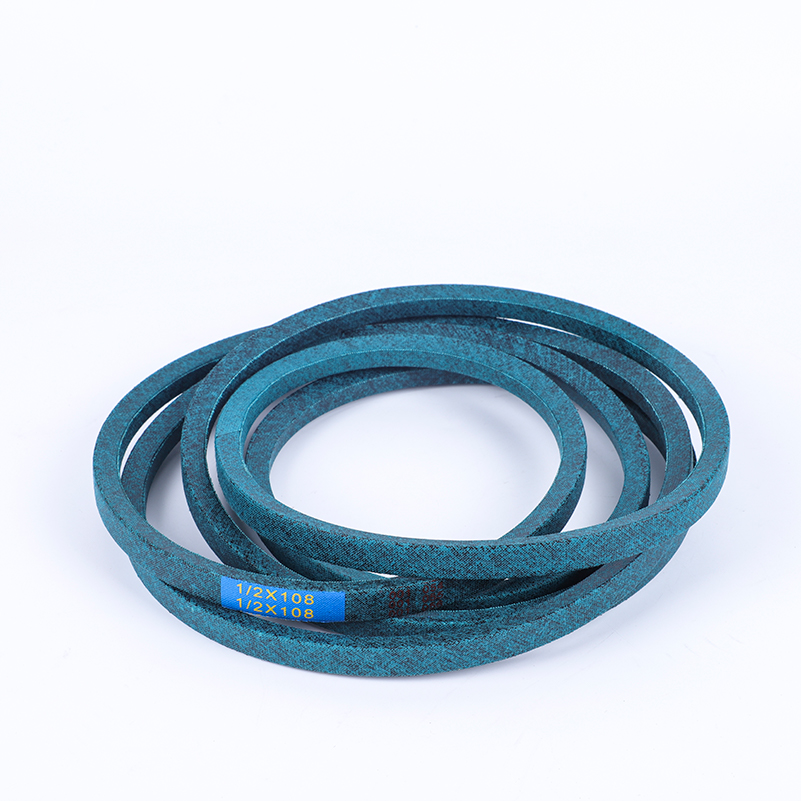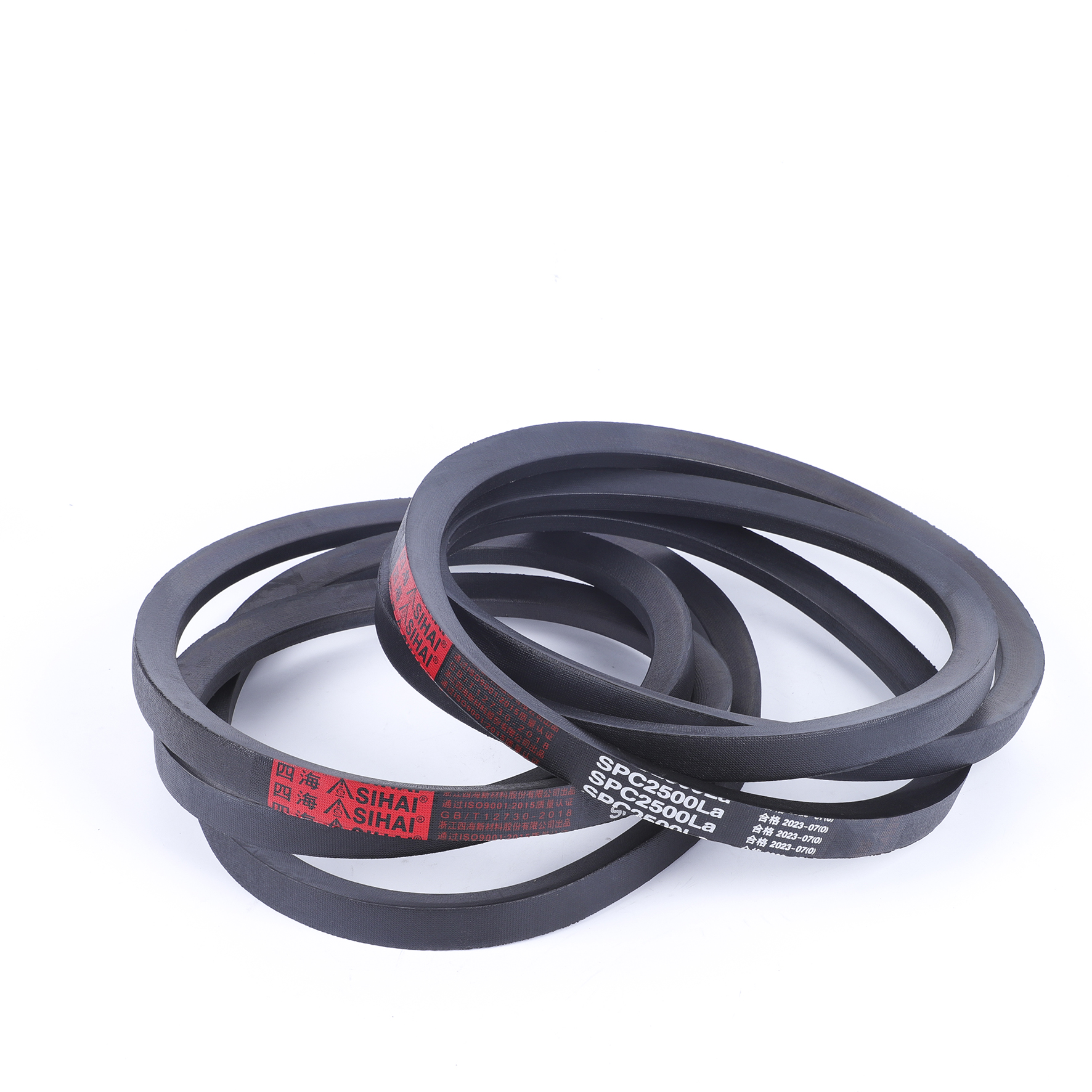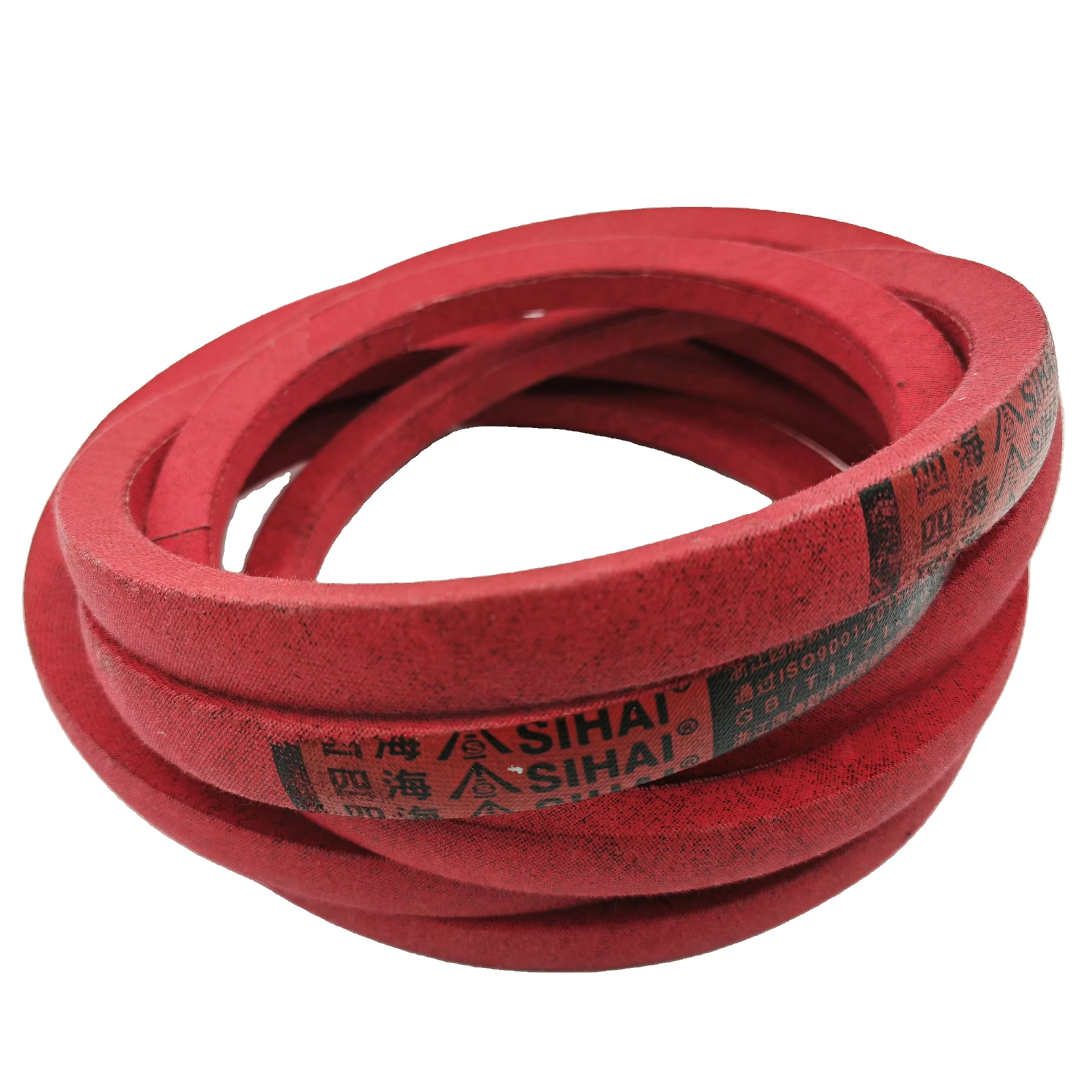
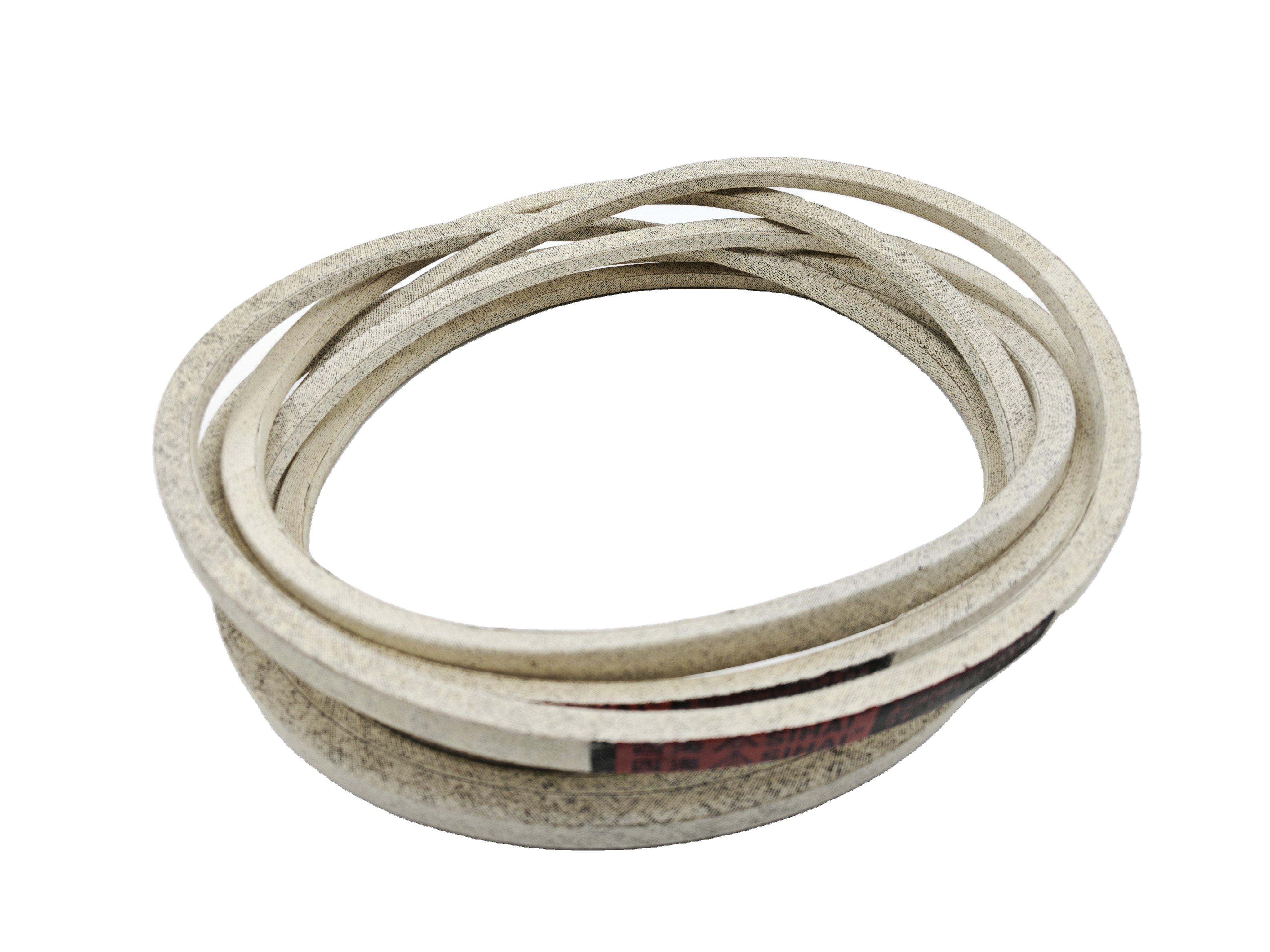
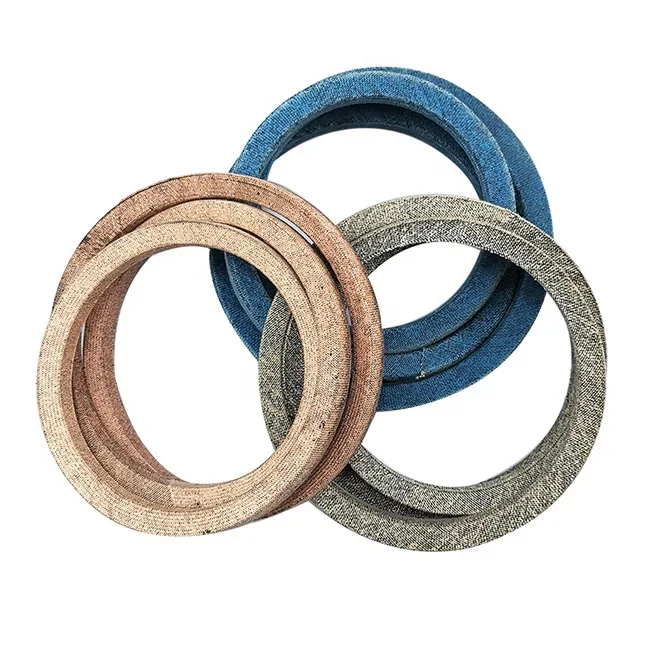
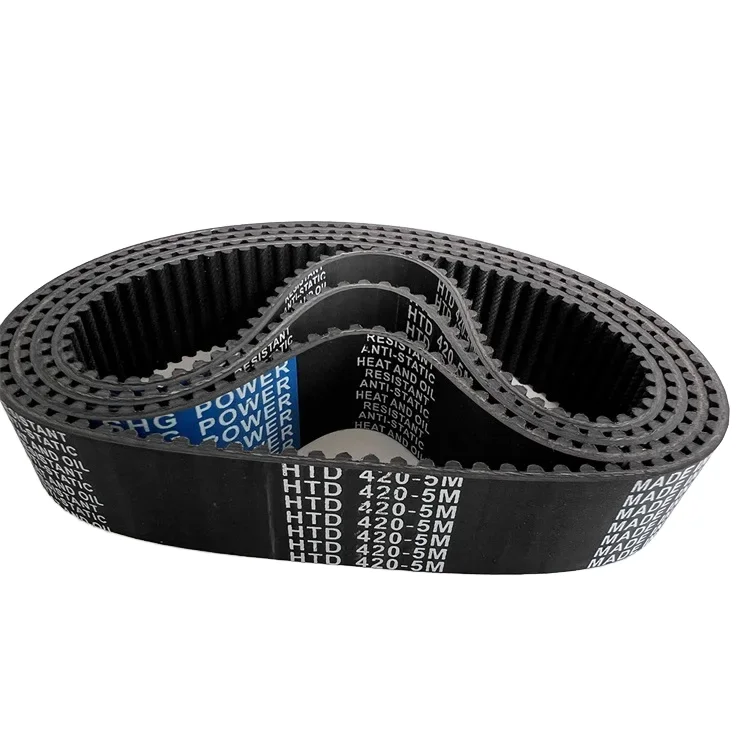
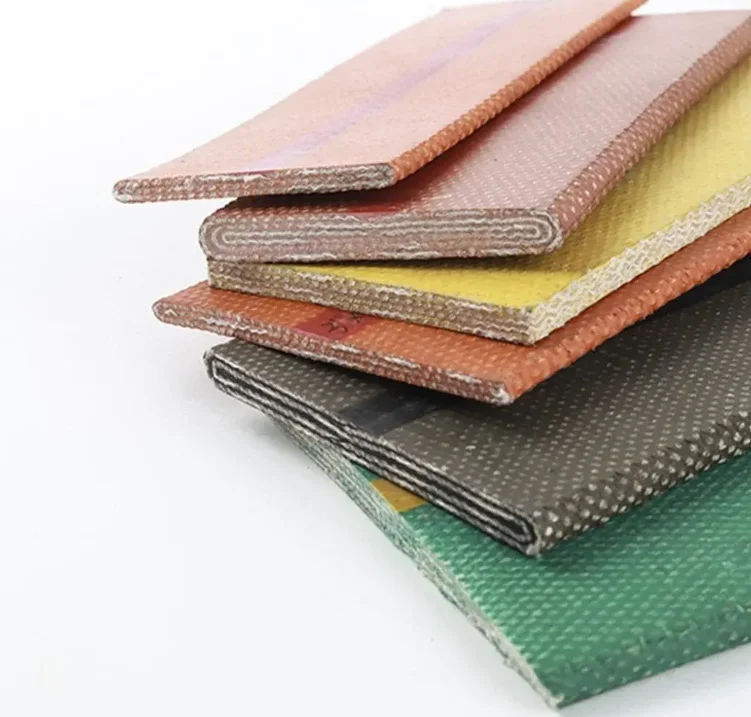
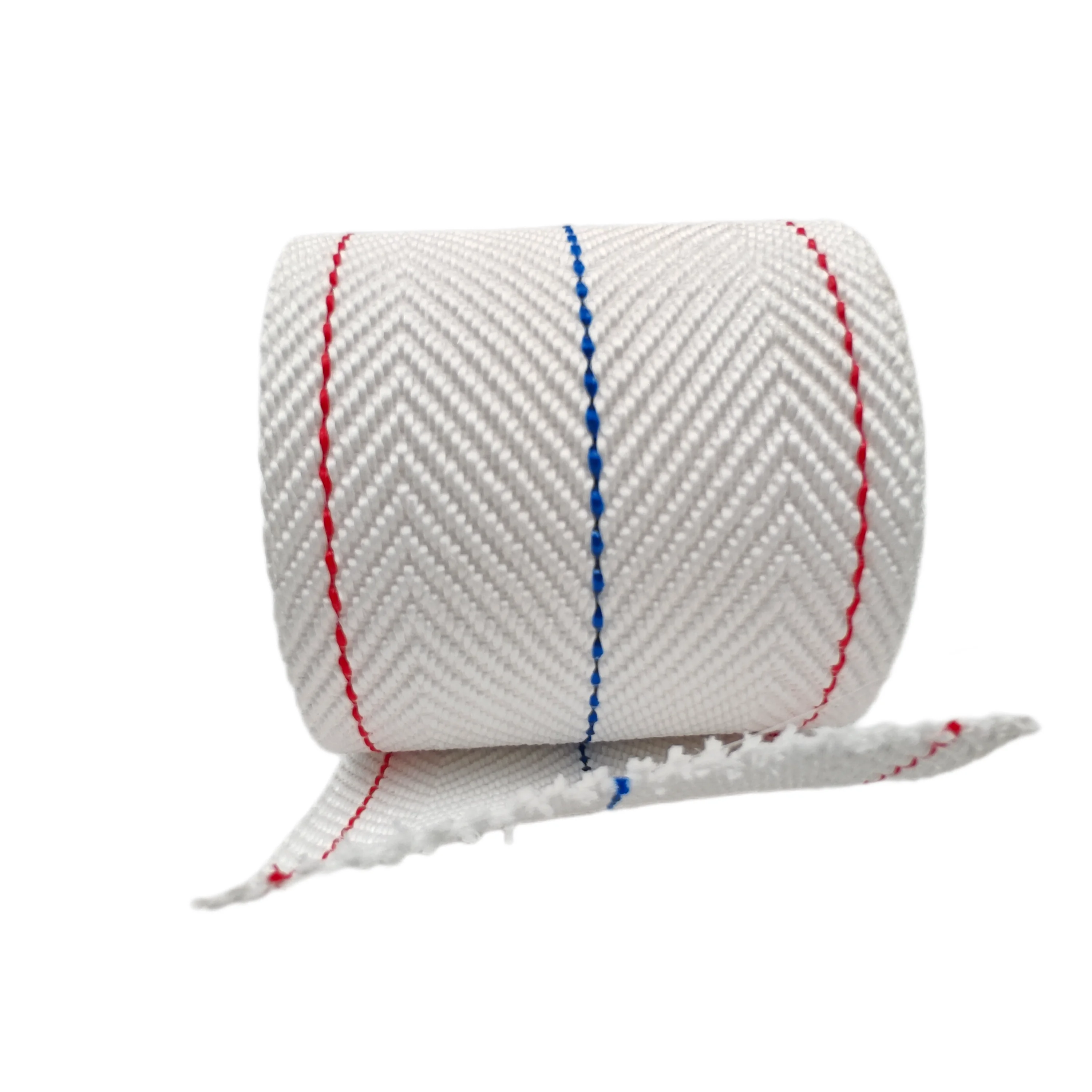
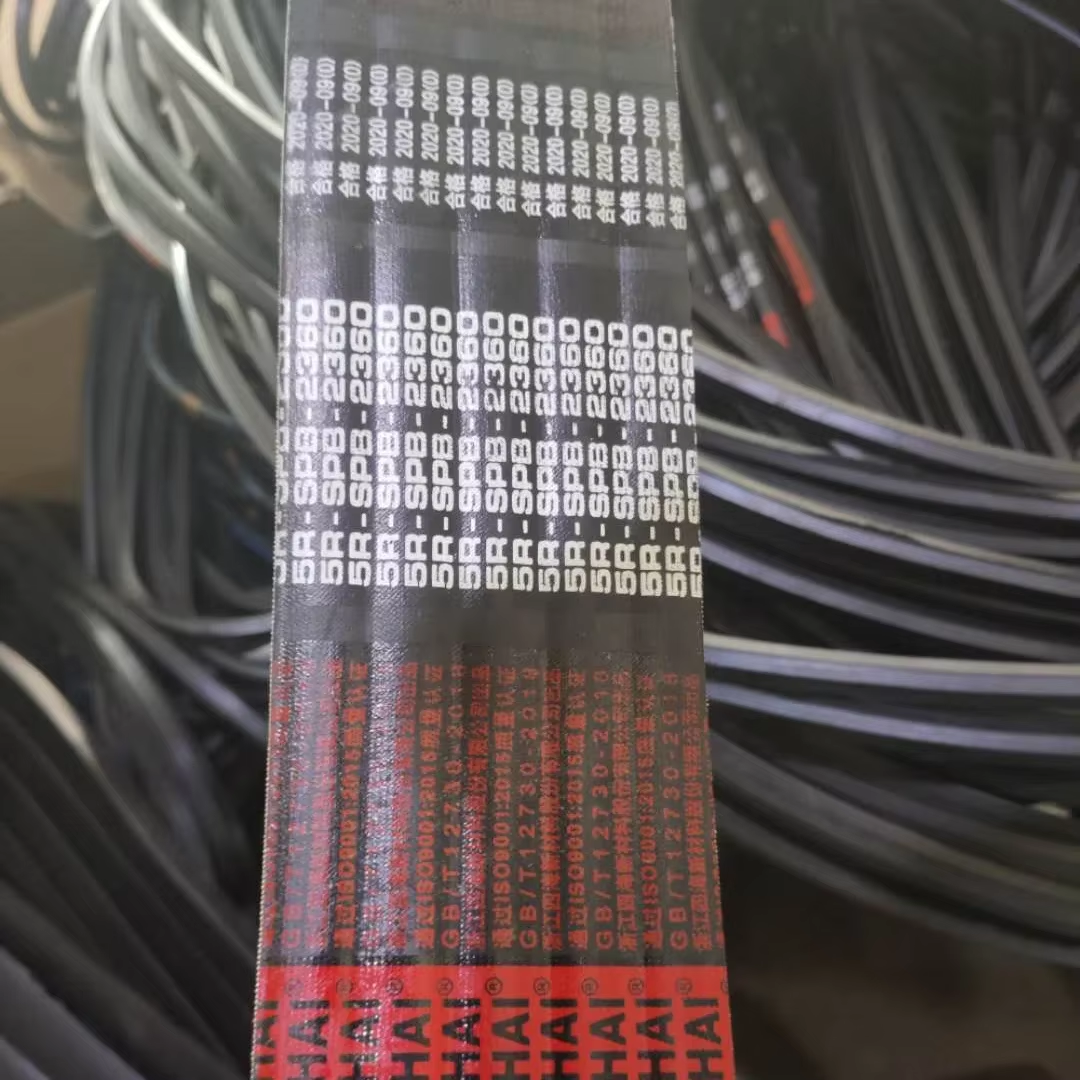
Automotive belts, colloquially called "car belts," are engineered to transmit mechanical power efficiently while accommodating misalignments and damping vibrations. Their multilayer architecture typically includes a synthetic rubber matrix, adhesive-coated reinforcement cords, and a fabric overlay for wear protection. Performance distinctions arise from rib configuration: multi-V belts excel in compact engines with reverse-bend pulleys, while raw-edge V-belts offer higher friction coefficients for heavy-duty applications. In hybrid vehicles, these belts interface with motor-generators, requiring precise tension control to avoid harmonic oscillations. A documented instance in airport ground support equipment demonstrated that Arctic-grade EPDM belts maintained elasticity during cold starts, eliminating warm-up delays. Conversely, in desert mining trucks, ceramic-impregnated covers resisted abrasive sand particles, doubling service intervals. Computational fluid dynamics (CFD) optimizes cooling groove patterns in high-speed applications, and twin-testers validate service life under accelerated aging conditions. For niche markets, such as vintage car restoration, historically accurate fabric-wrapped belts can be reproduced using modern materials for improved durability. Clients seeking belts for supercharged engines, marine conversions, or auxiliary power units should provide operational parameters (e.g., ambient humidity, dynamic loads, and continuous duty cycles) for tailored recommendations. Our laboratory can simulate specific environmental stressors, including salt spray and UV radiation, to guarantee performance compliance.