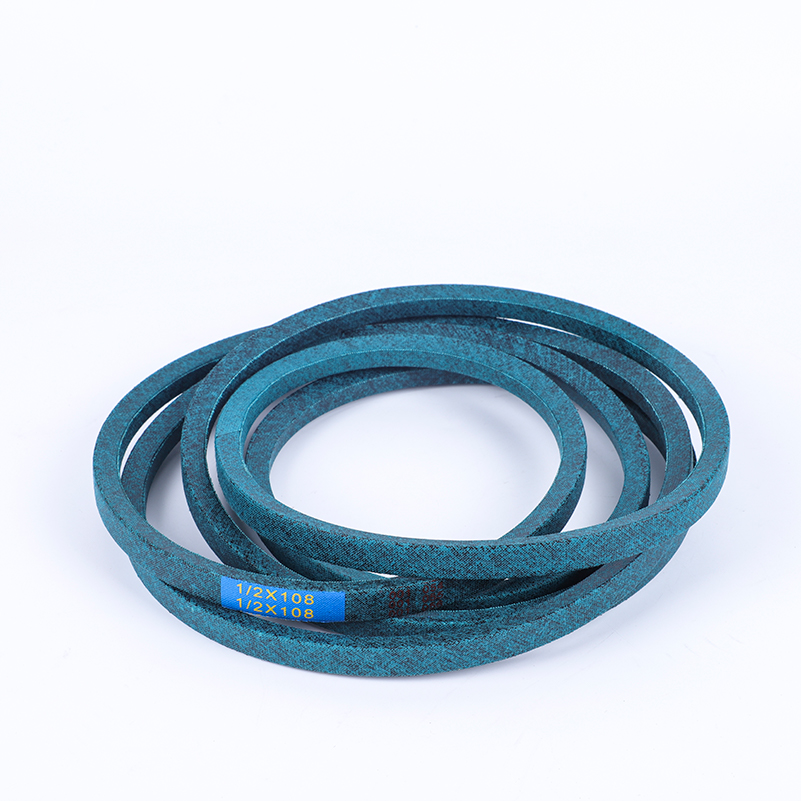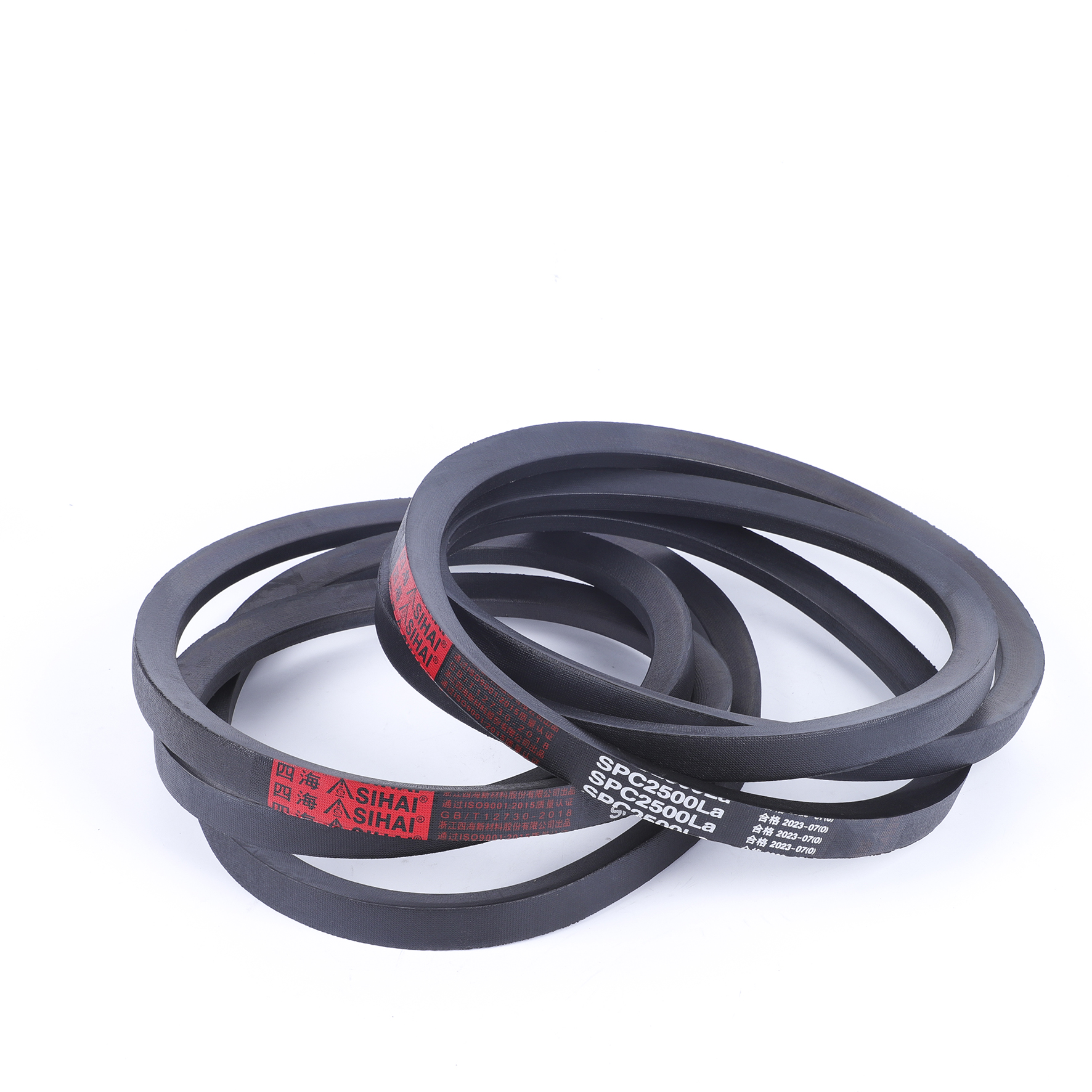
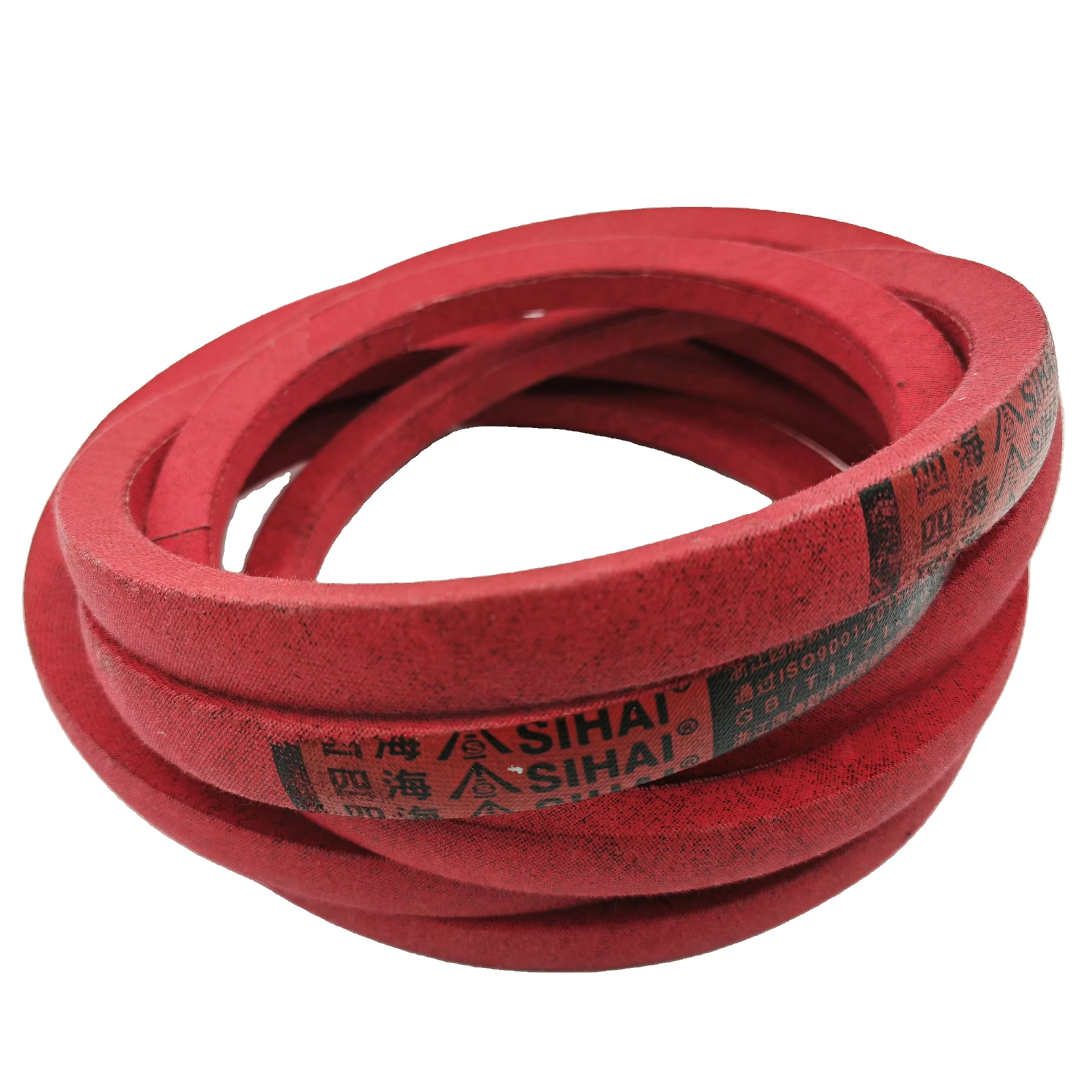
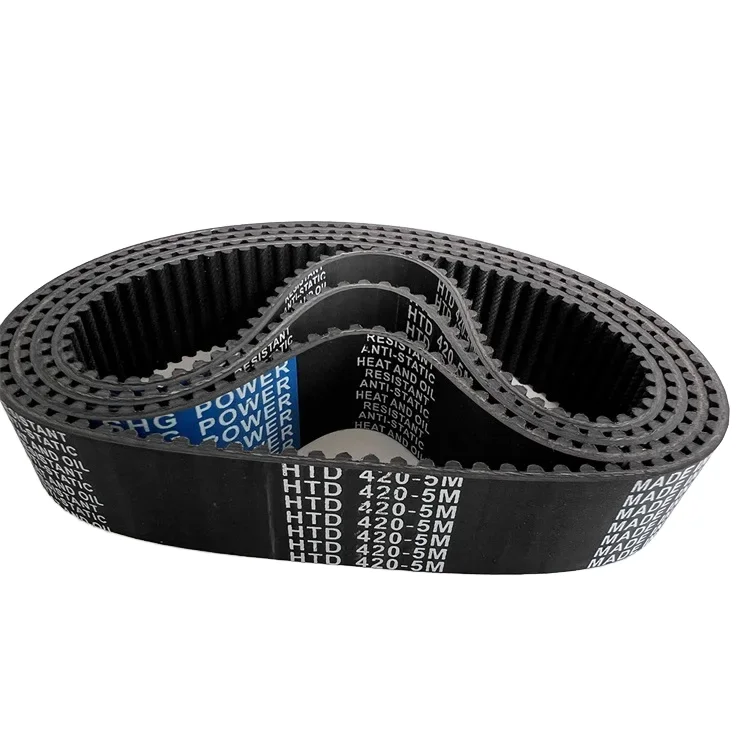
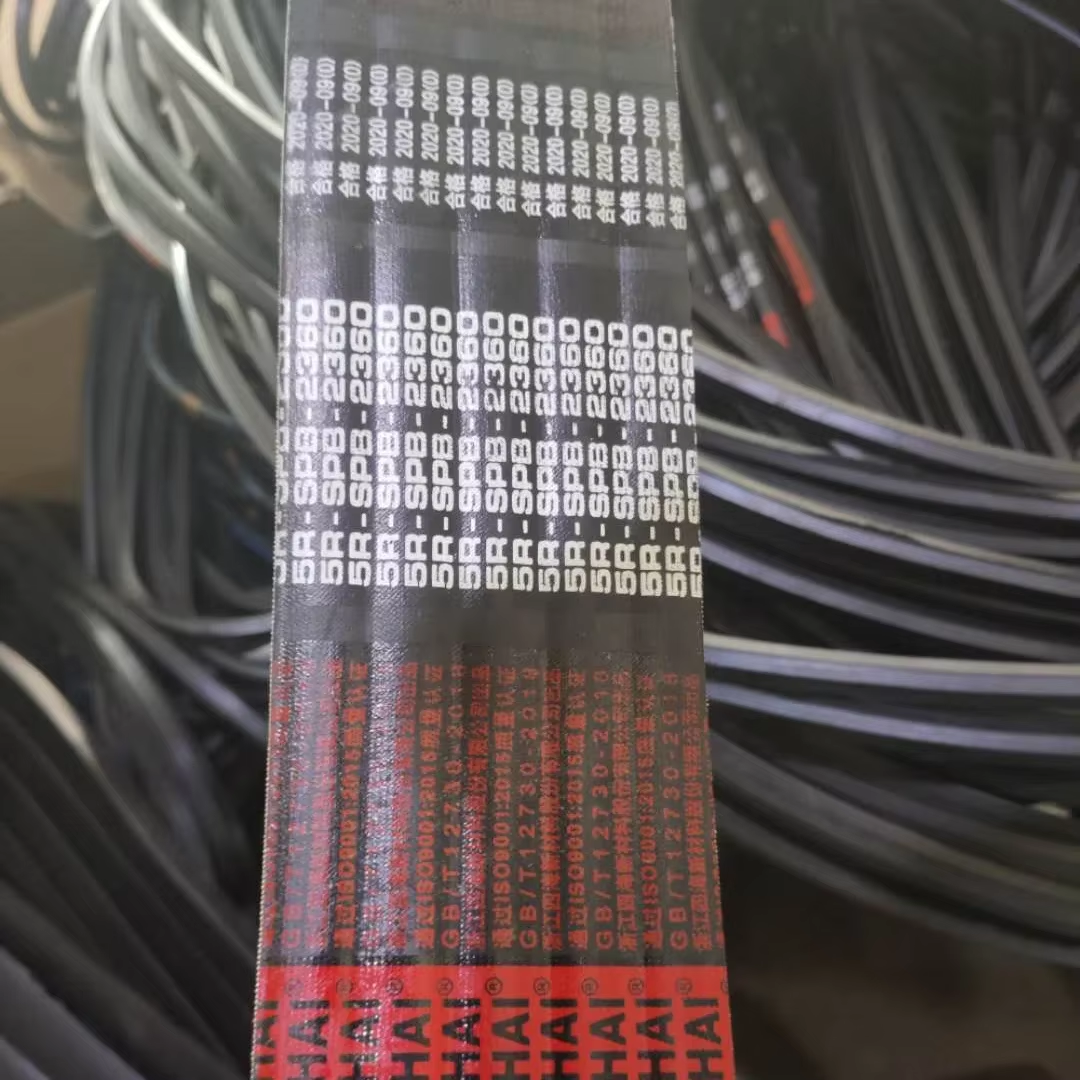
The term "car belt" refers to power transmission components essential for automotive auxiliary systems, whose design balances flexibility, strength, and environmental resistance. Contemporary belts use EPDM-based compounds for extended service intervals and aramid fibers for high tensile strength. Serpentine belts dominate modern engines due to their ability to drive multiple accessories with a single belt, reducing complexity. In real-world scenarios, fleet operators in coastal regions prioritized salt-resistant belts to prevent pulley corrosion, extending service life by 40%. A documented case in hybrid taxis showed that low-electrical-conductivity belts prevented stray currents from damaging battery management systems. For construction equipment, heat-resistant belts sustained performance near exhaust manifolds, and in electric cars, they powered auxiliary systems without engine vibrations. Advanced production techniques include automated cutting for length accuracy and 3D scanning for rib profile verification. Customers with requirements for extreme temperature operation, unique chemical resistance, or specific dynamic characteristics should inquire about our custom development services. We offer tailored solutions through material substitution, cord geometry adjustments, and cover treatments, supported by performance validation reports.