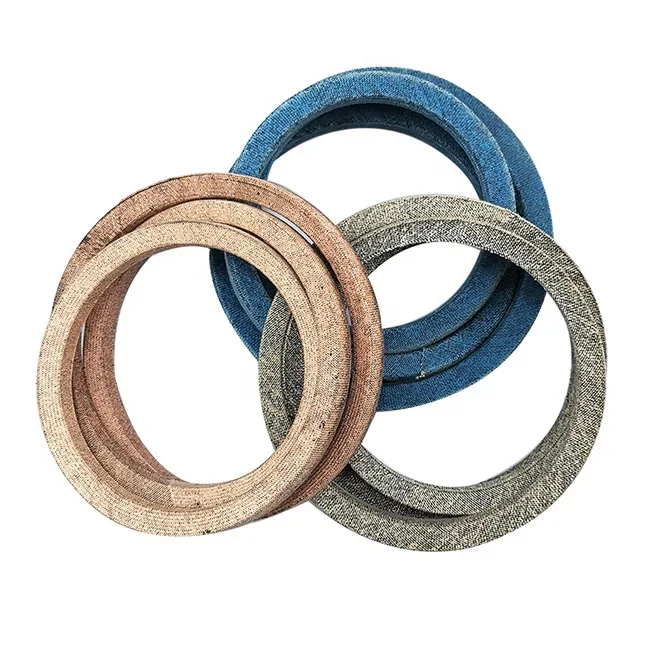
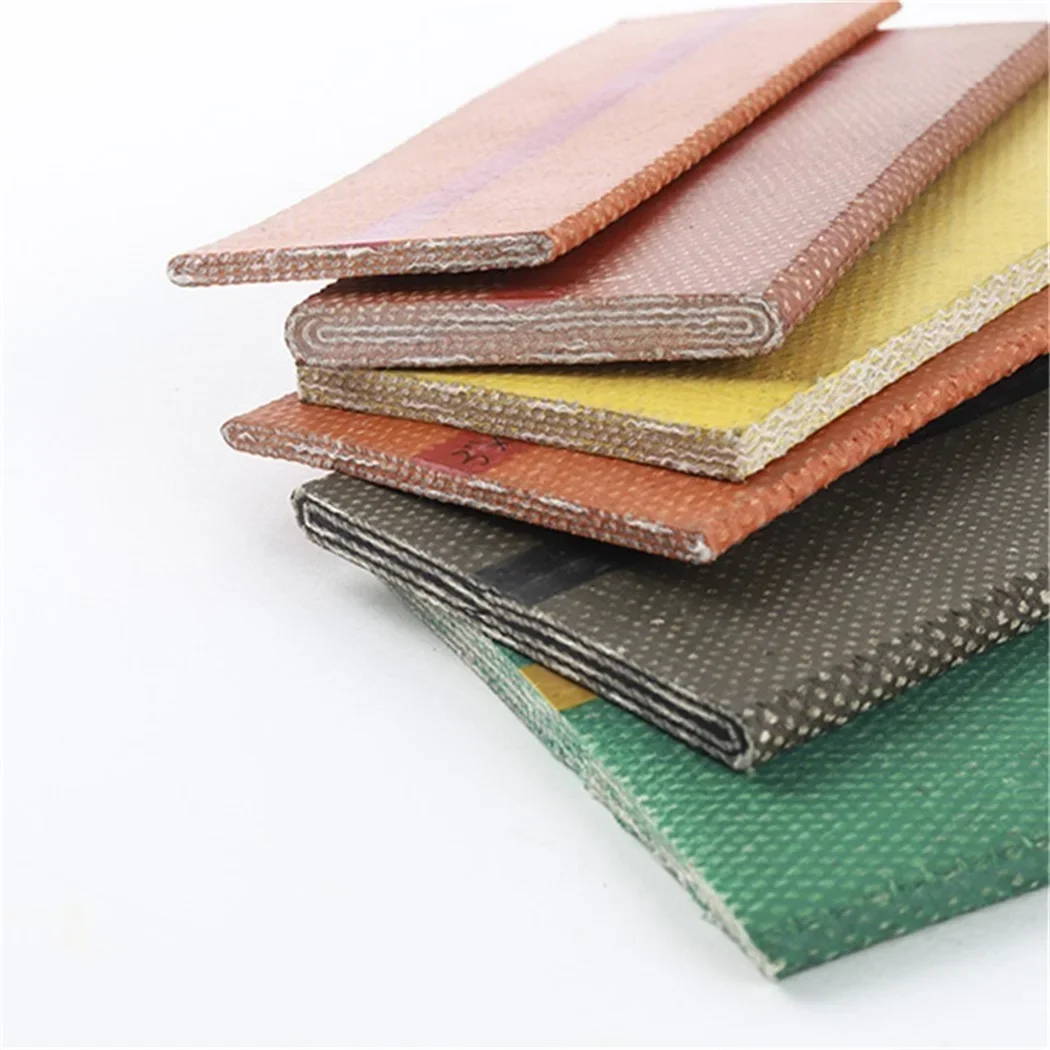
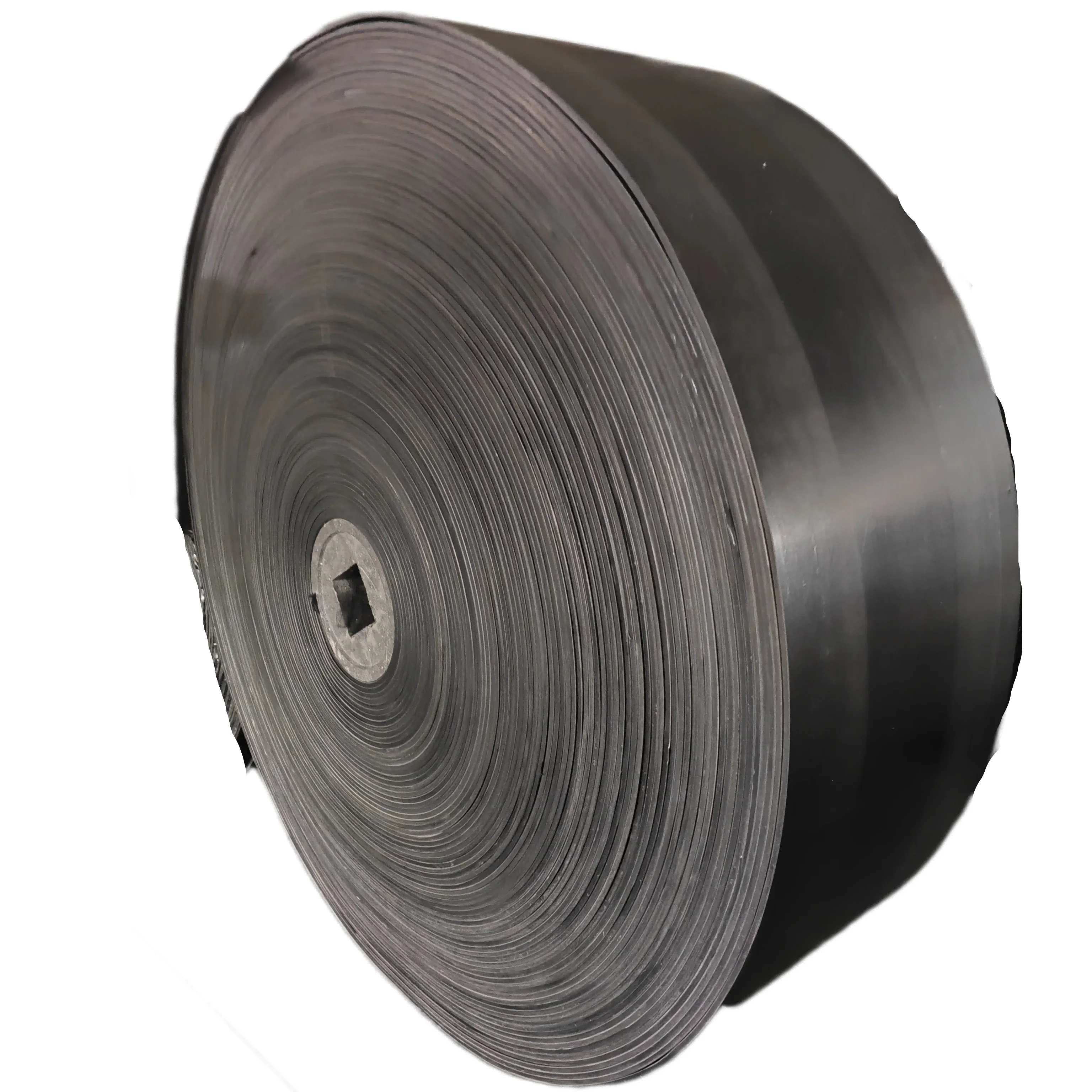
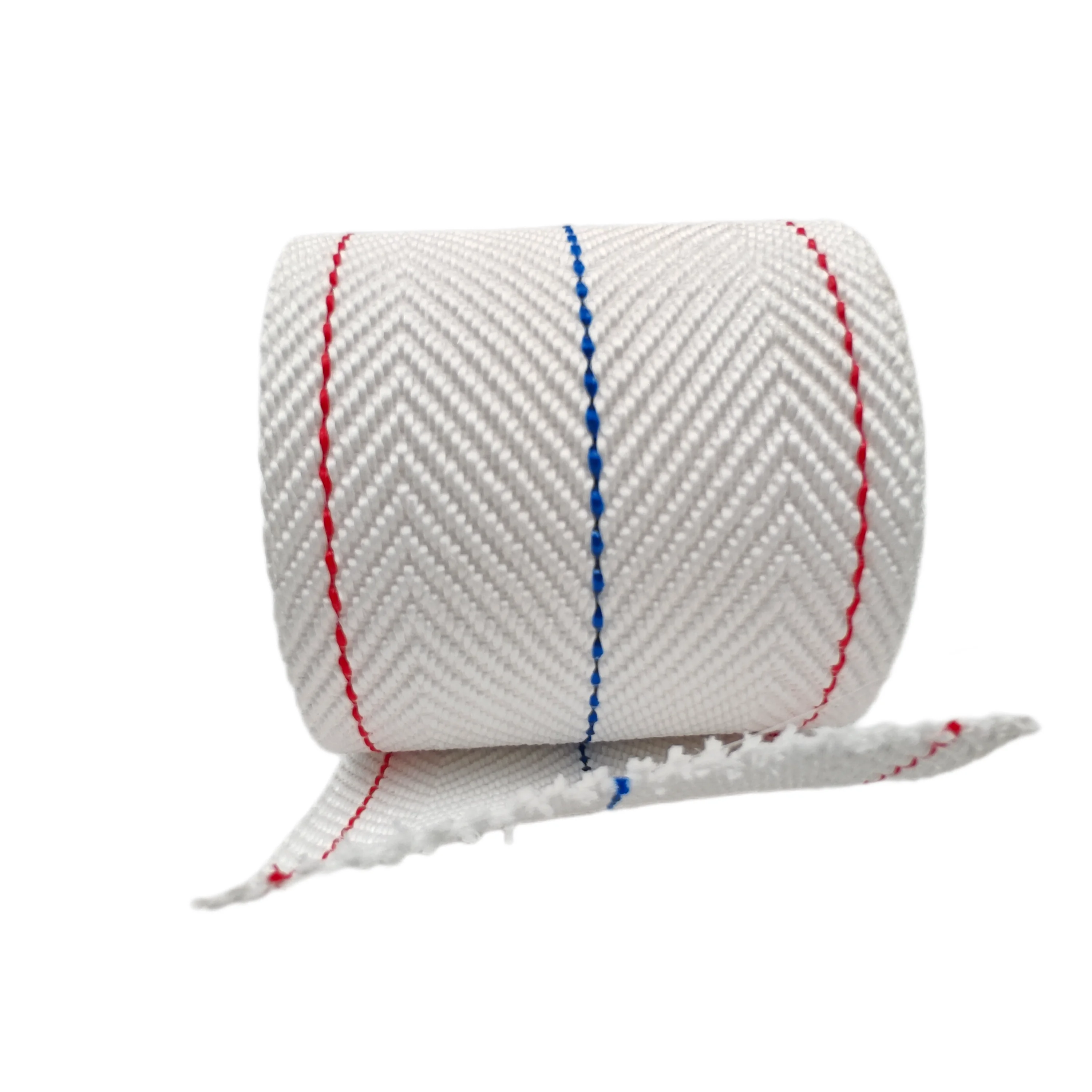
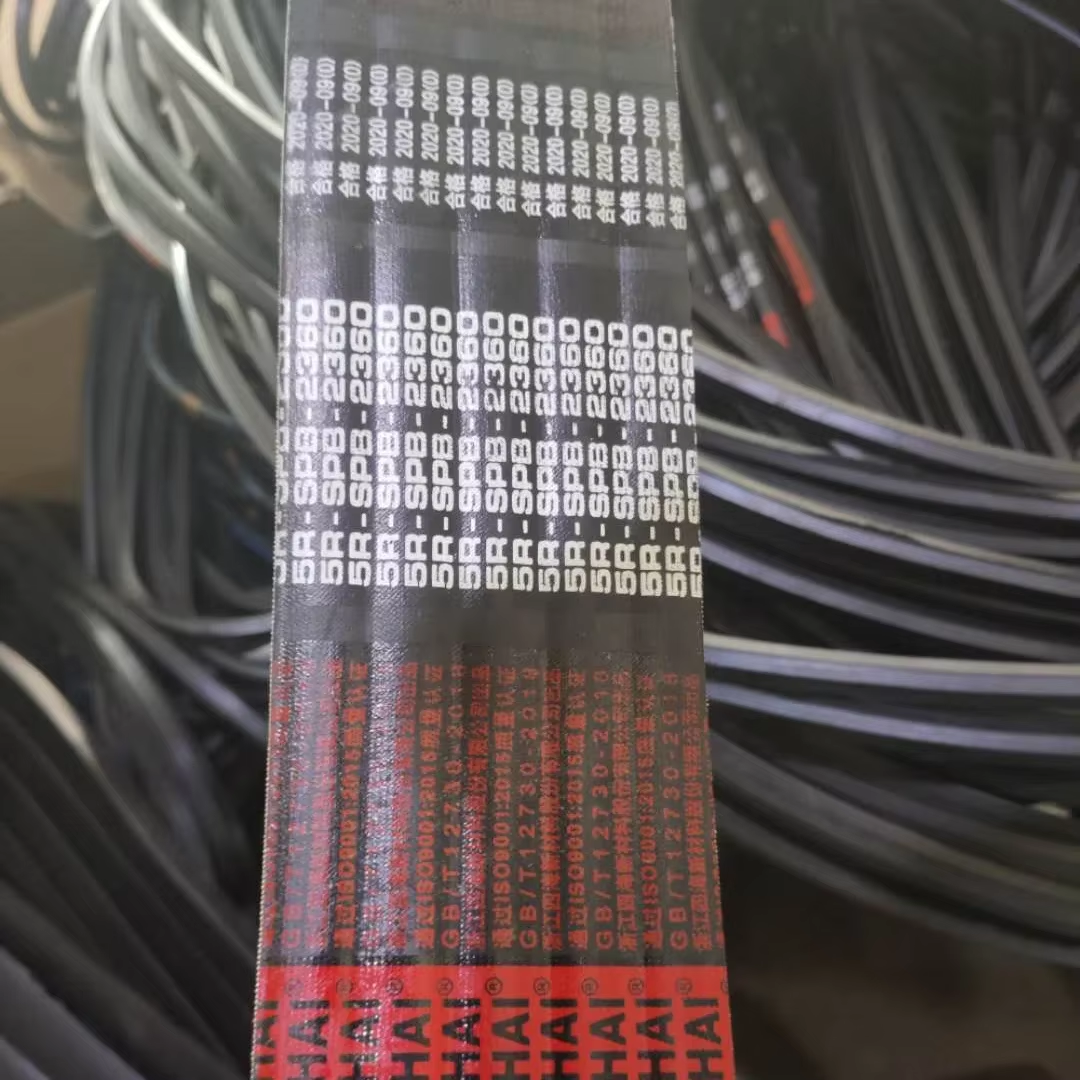
Car belts are precision components whose performance hinges on material homogeneity and geometric accuracy. Advanced manufacturing involves calendering rubber sheets to precise thicknesses, embedding pre-stretched cords to minimize creep, and vulcanizing in molds with nitrogen curing chambers to avoid porosity. The shift toward electric vehicles has redefined belt requirements: low-noise profiles for cabin comfort, and non-conductive materials for high-voltage safety. In commercial trucking, wide V-belts drive hydraulic systems for tailgates, with case studies indicating that synthetic fiber reinforcements reduced belt whip by 20% at high RPM. For renewable energy applications, belts in mobile wind turbine generators use UV-stabilized polymers, while in hybrid cars, they interface with regenerative braking systems. Finite element analysis (FEA) models predict stress distribution under complex loads, and dynamometer testing validates service life. Customers with needs for fire-retardant belts (e.g., for military use) or belts compatible with biodegradable lubricants should inquire about our specialized compounds. We offer parametric customization of rib height, pitch, and cover texture, supported by 3D prototyping and field trial data.