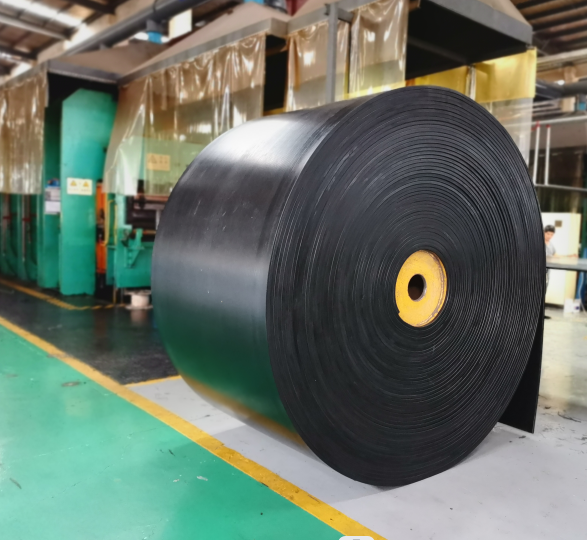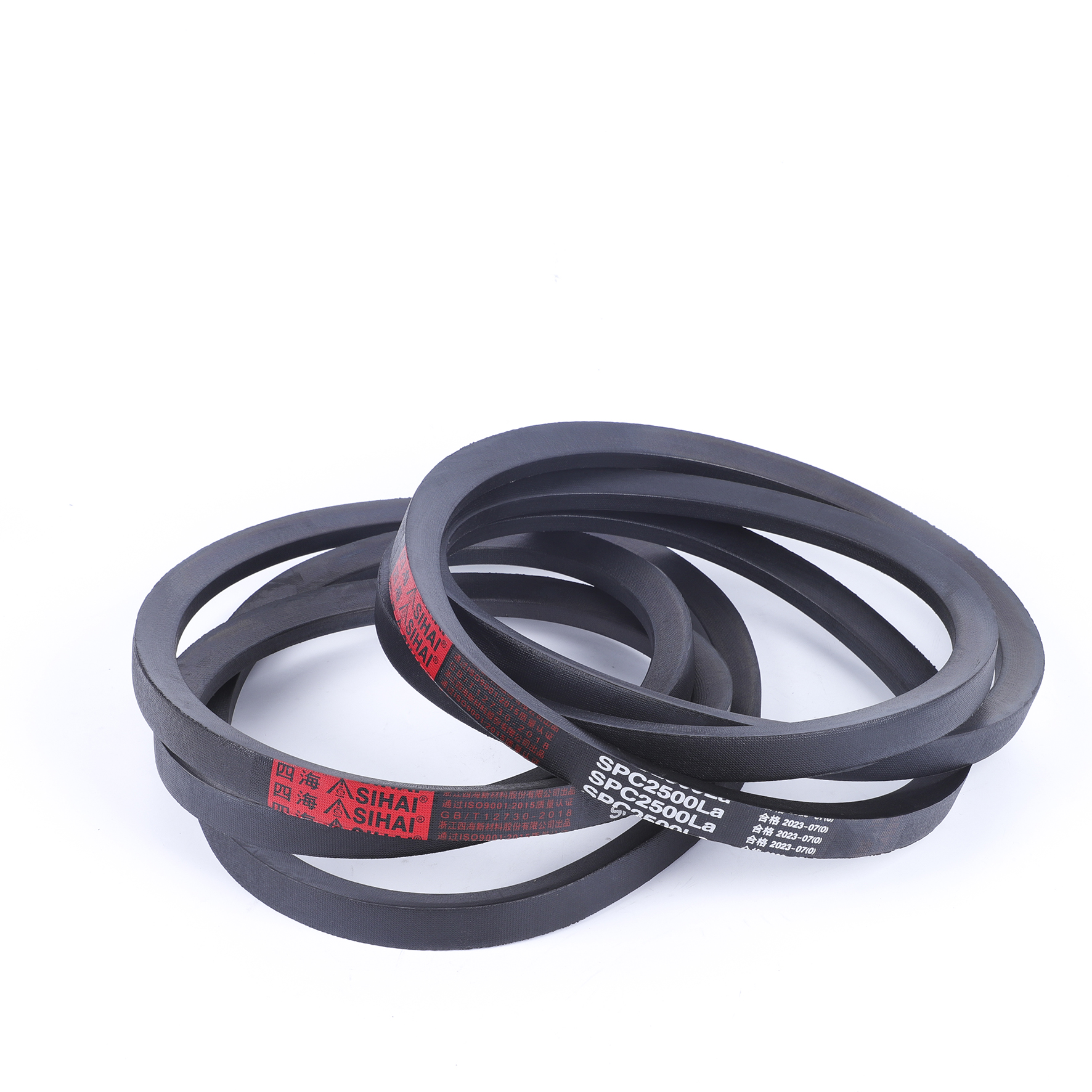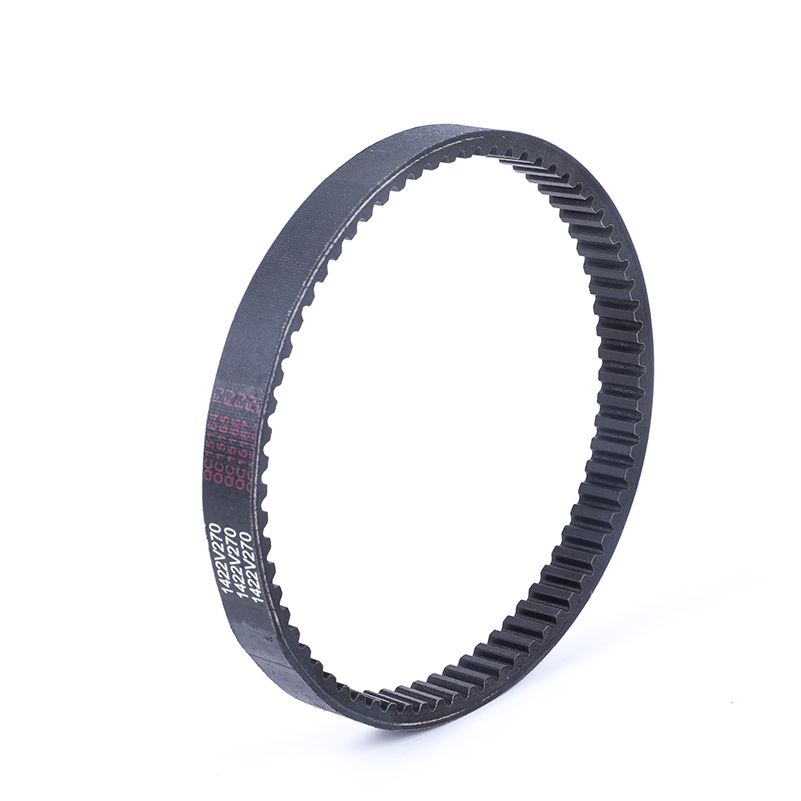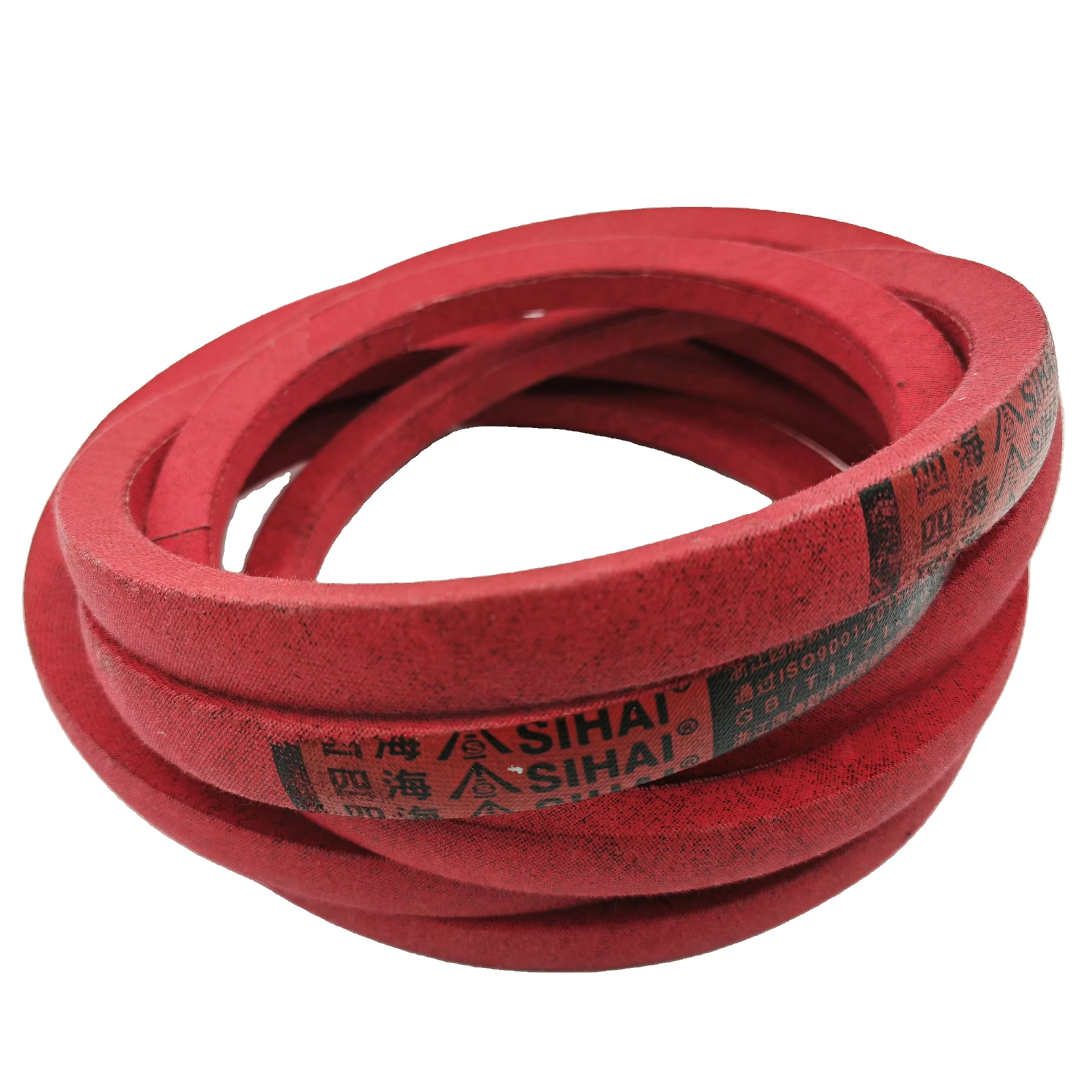
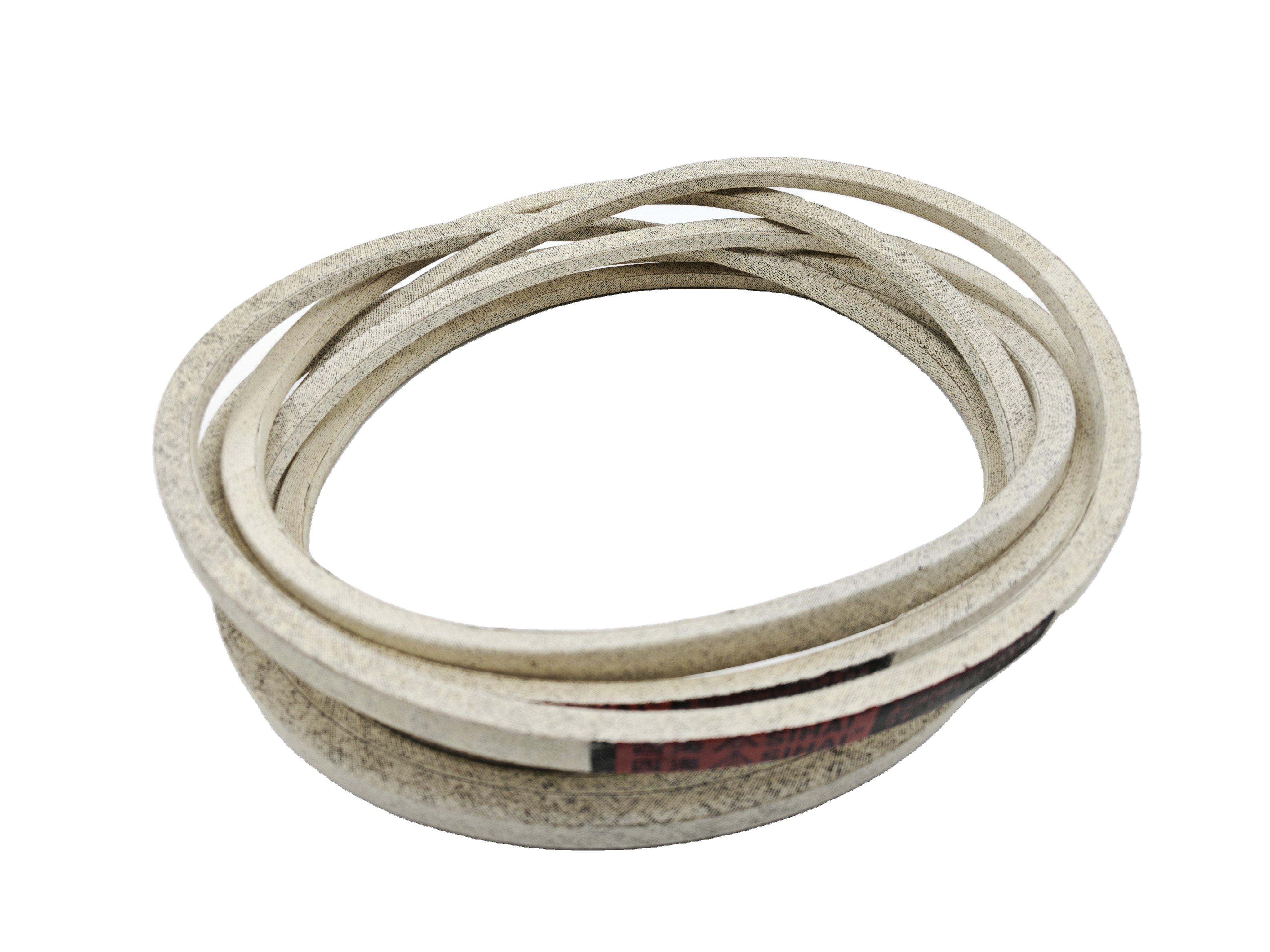
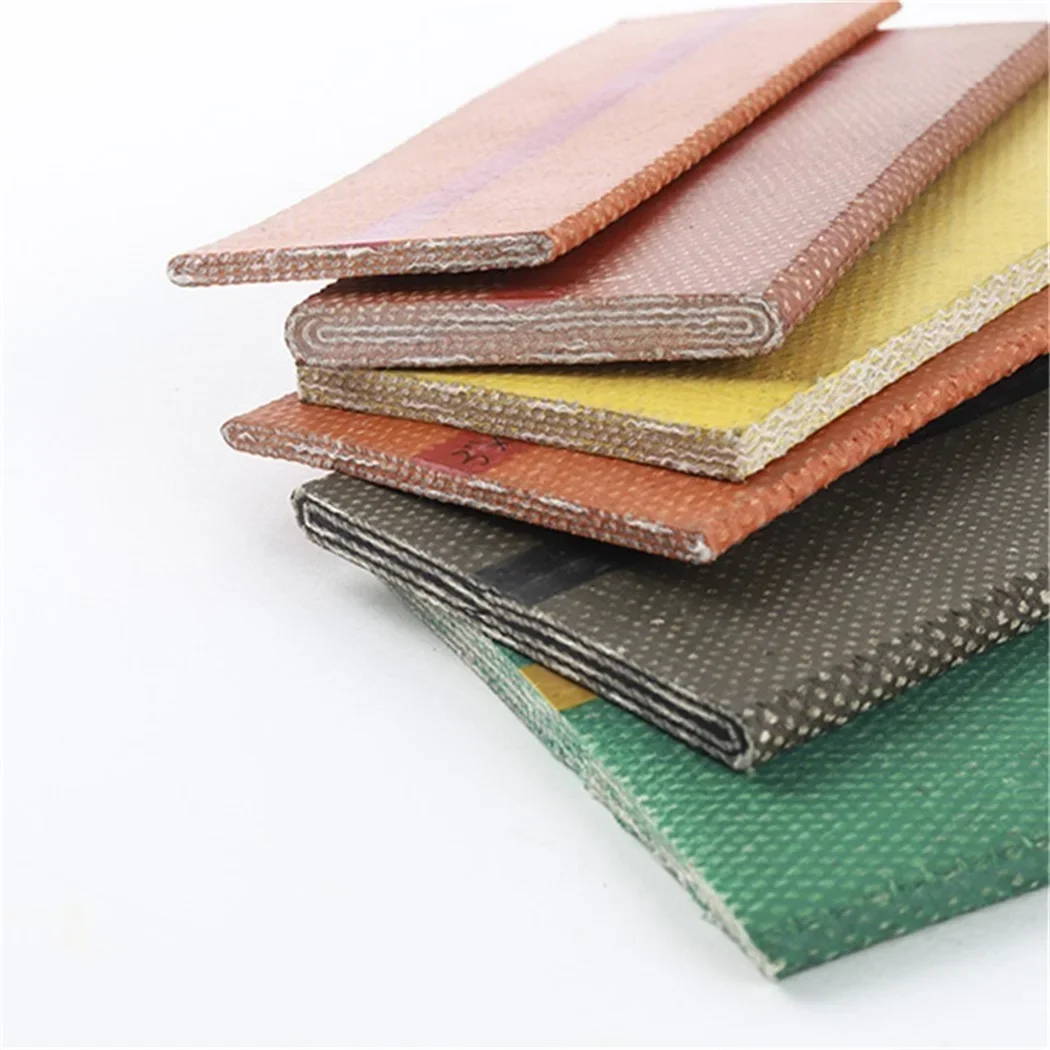
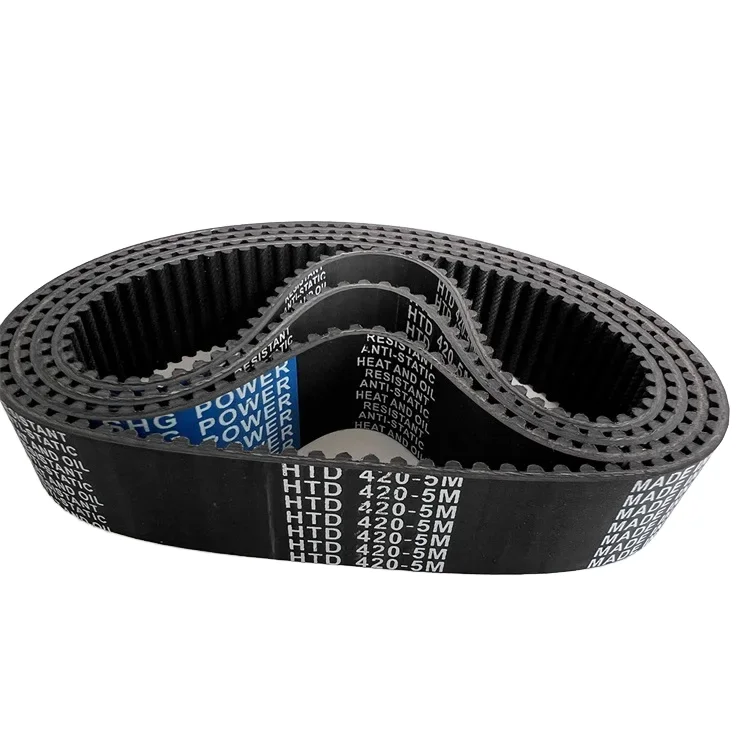
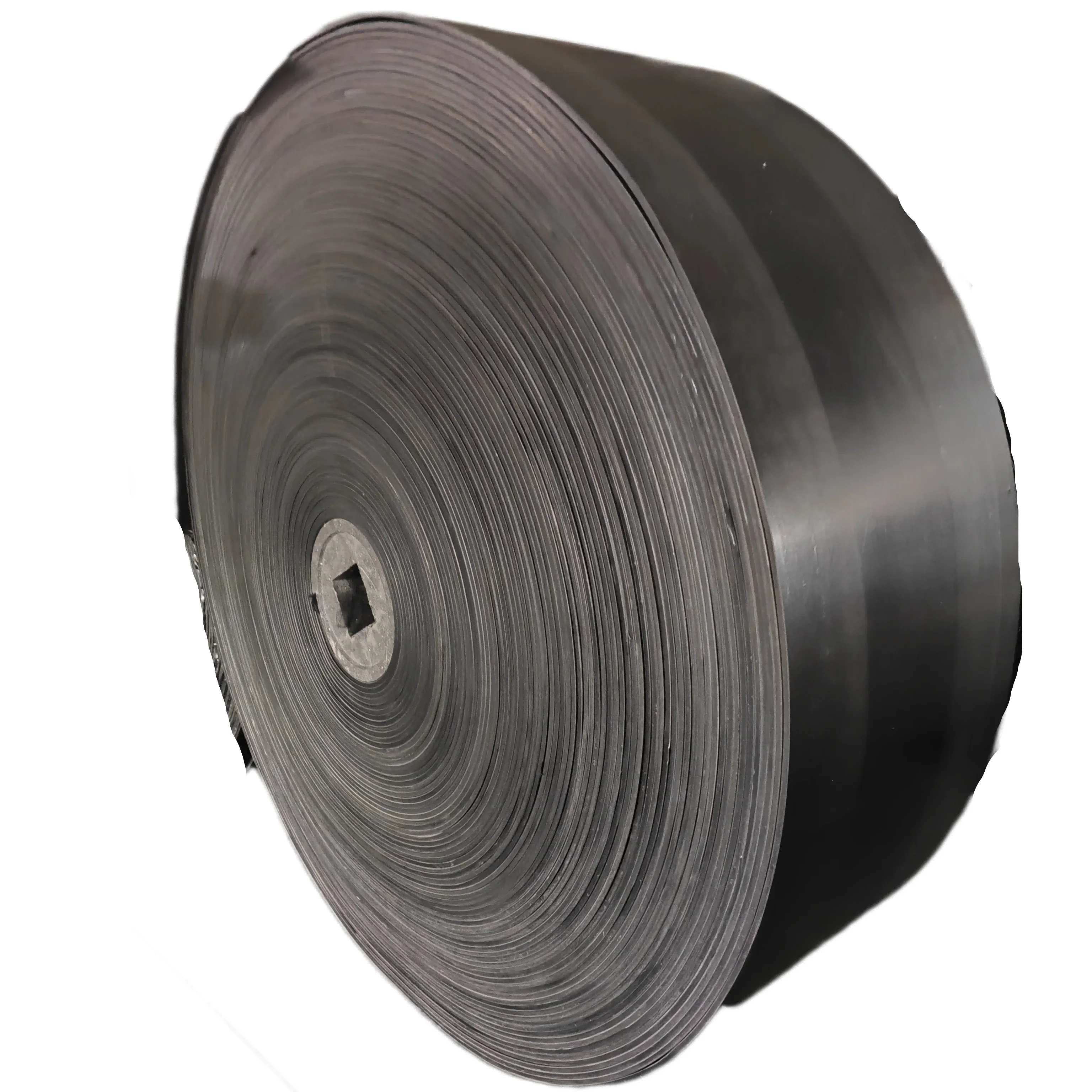
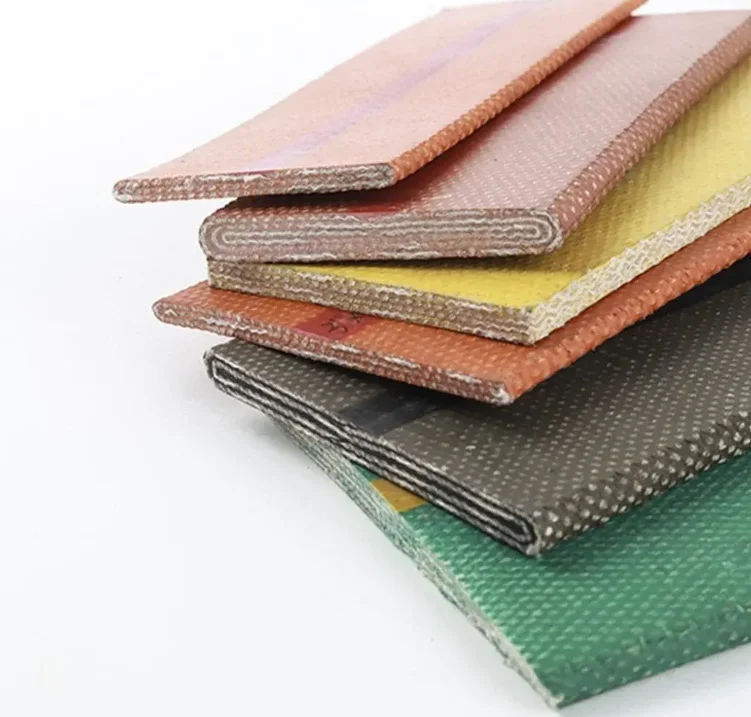
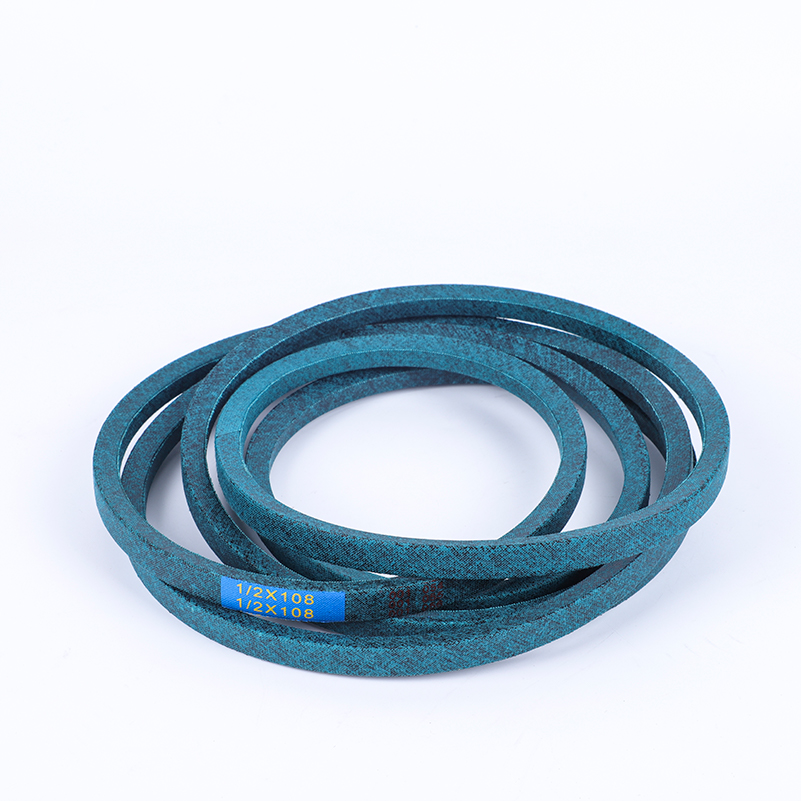
Car belts are engineered to maintain precise power transmission in vehicles, with material science playing a crucial role in their longevity. High-quality EPDM rubber resists cracking from ozone exposure, while chlorosulfonated polyethylene (CSM) covers provide oil resistance. Geometrically, narrow V-belts offer higher power density than classical profiles, and synchronous belts use molded teeth for slip-free operation. In real-world applications, taxi fleets in urban centers benefit from anti-static belts that prevent electrical interference with onboard electronics. A documented example in construction showed that steel-cord-reinforced belts for concrete mixer trucks endured abrasive dust without cover degradation. For hybrid vehicles, belts require low electrical conductivity to avoid leakage currents, and in fleet management, barcoded belts simplify maintenance records. Accelerated testing involves cyclic flexing over pulleys at elevated temperatures to predict service life. Those with requirements for non-standard lengths, widths, or reinforcement types (e.g., fiberglass for minimal stretch) should contact our design team. Custom solutions can include color coding for easy identification, food-grade covers for mobile catering, or high-rigidity compounds for high-torque applications.