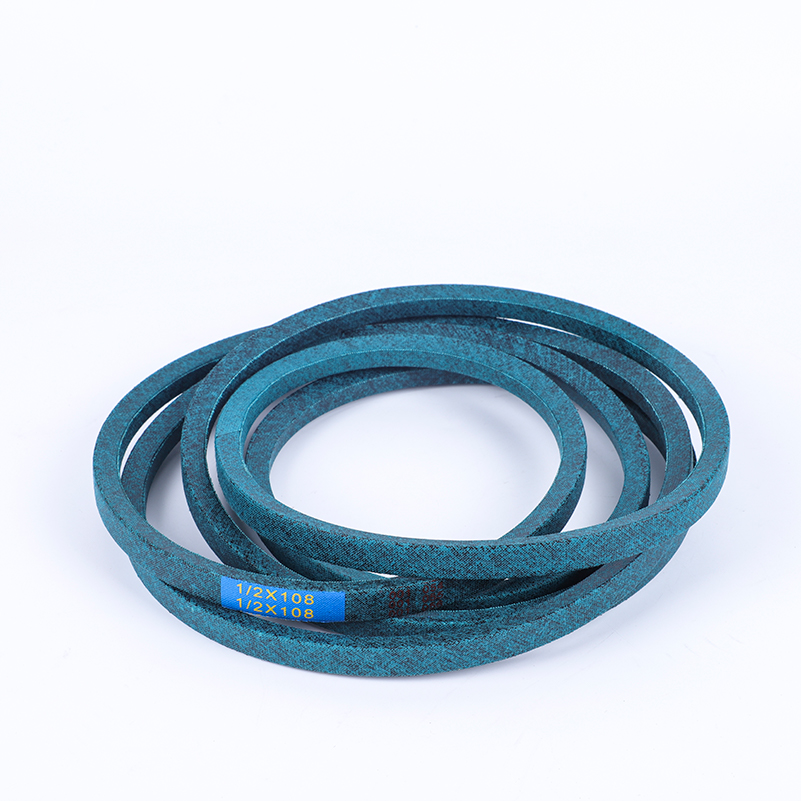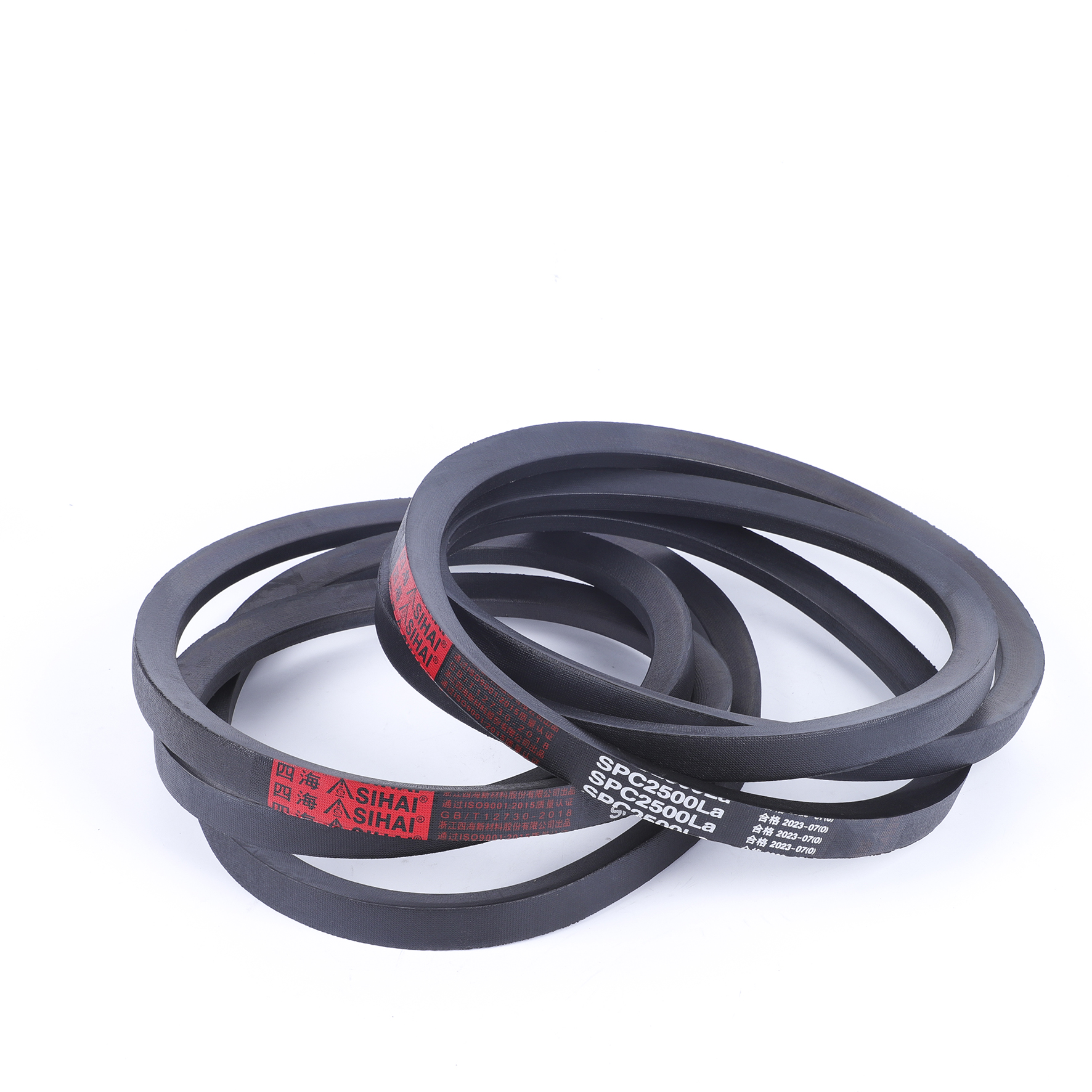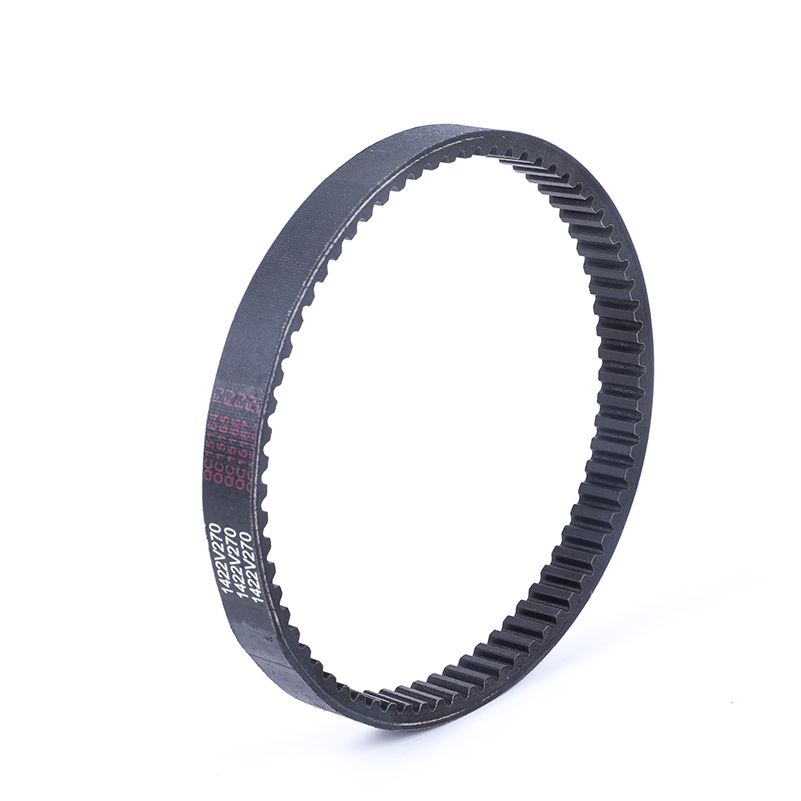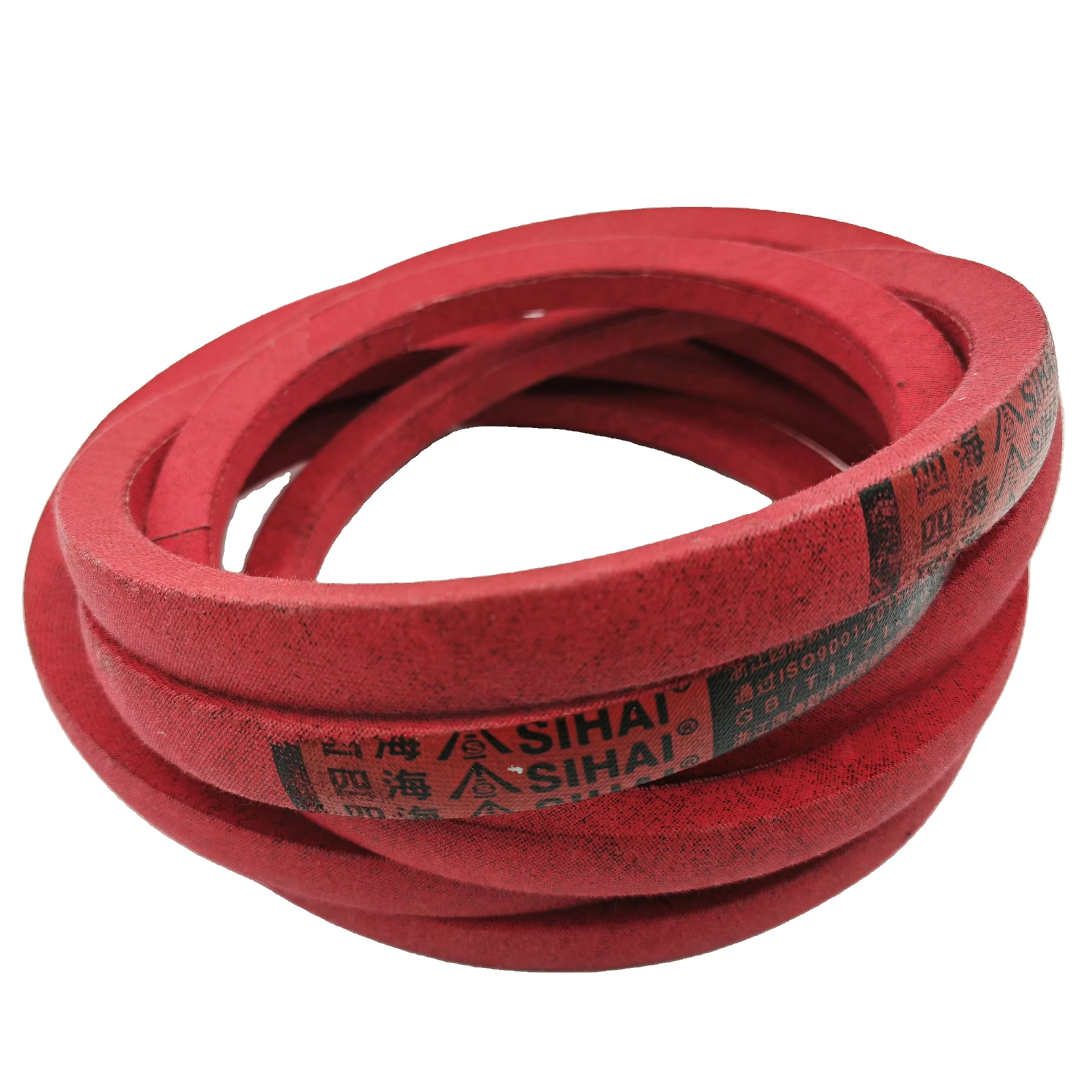
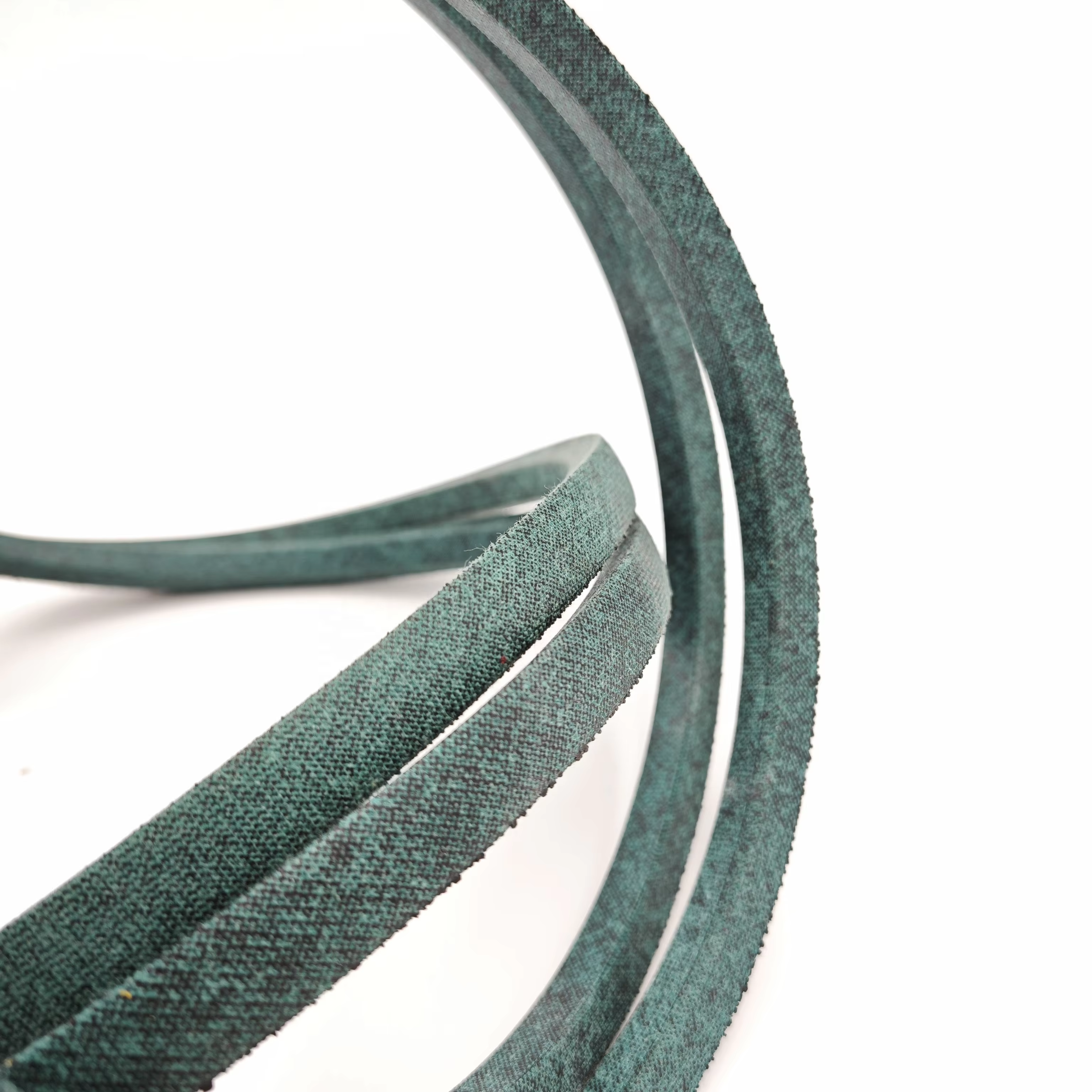
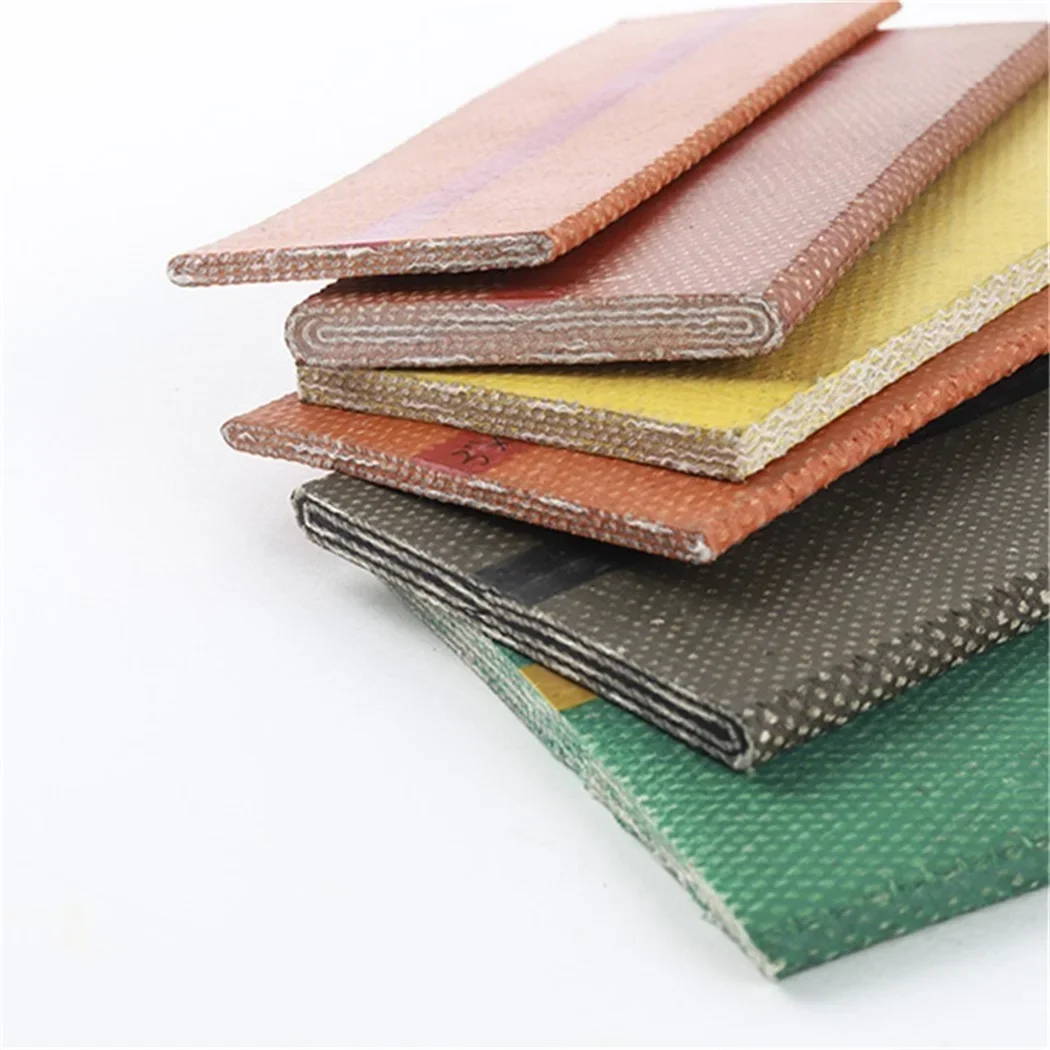
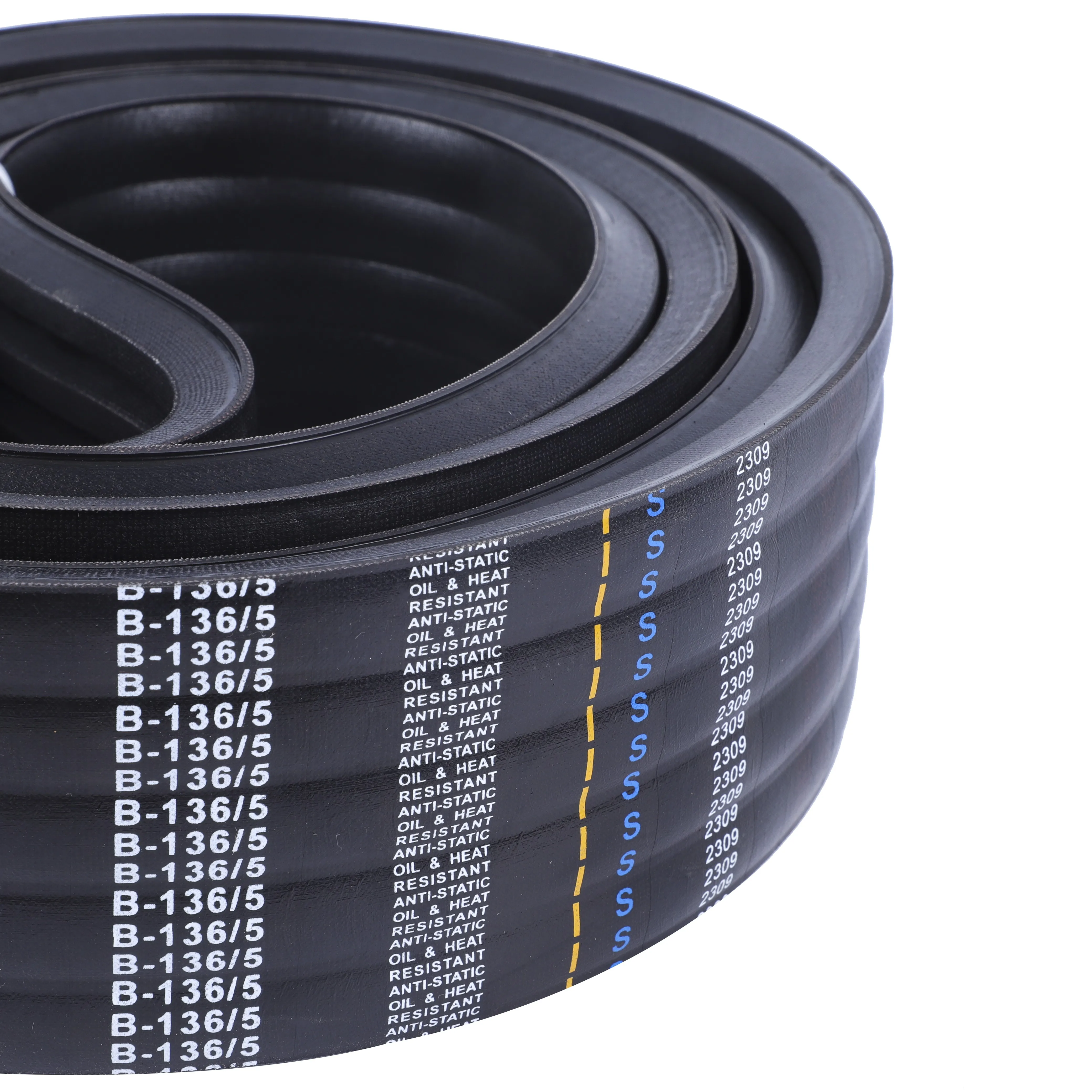
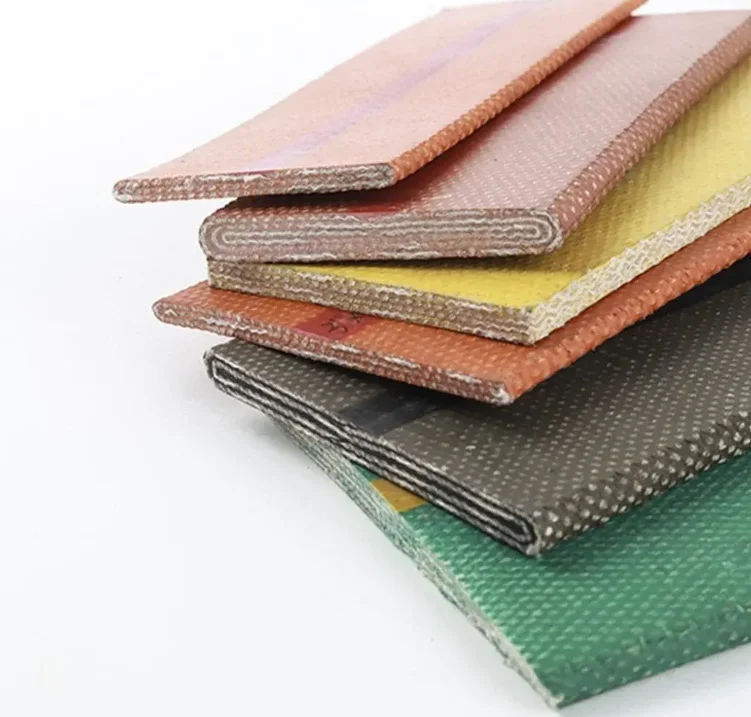
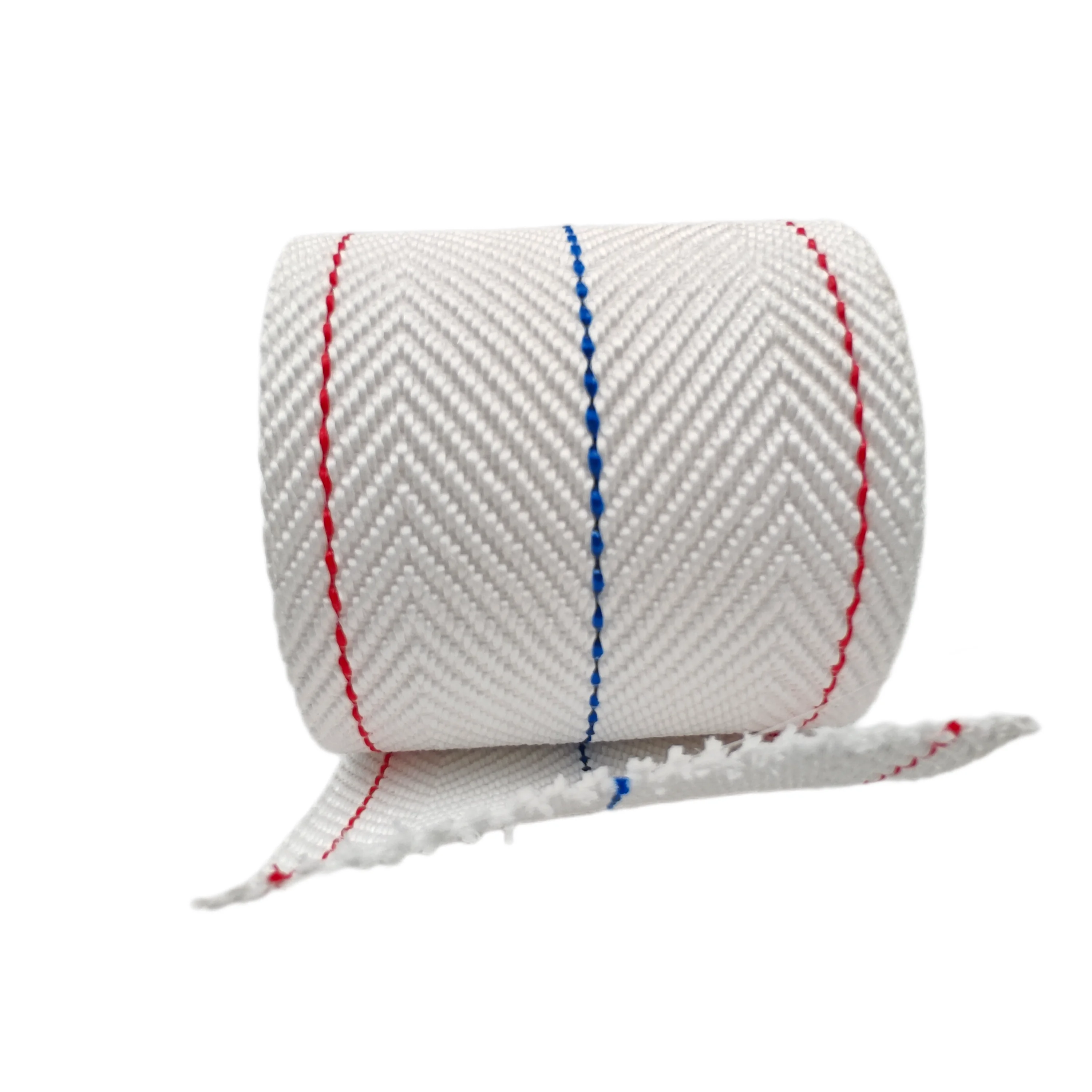
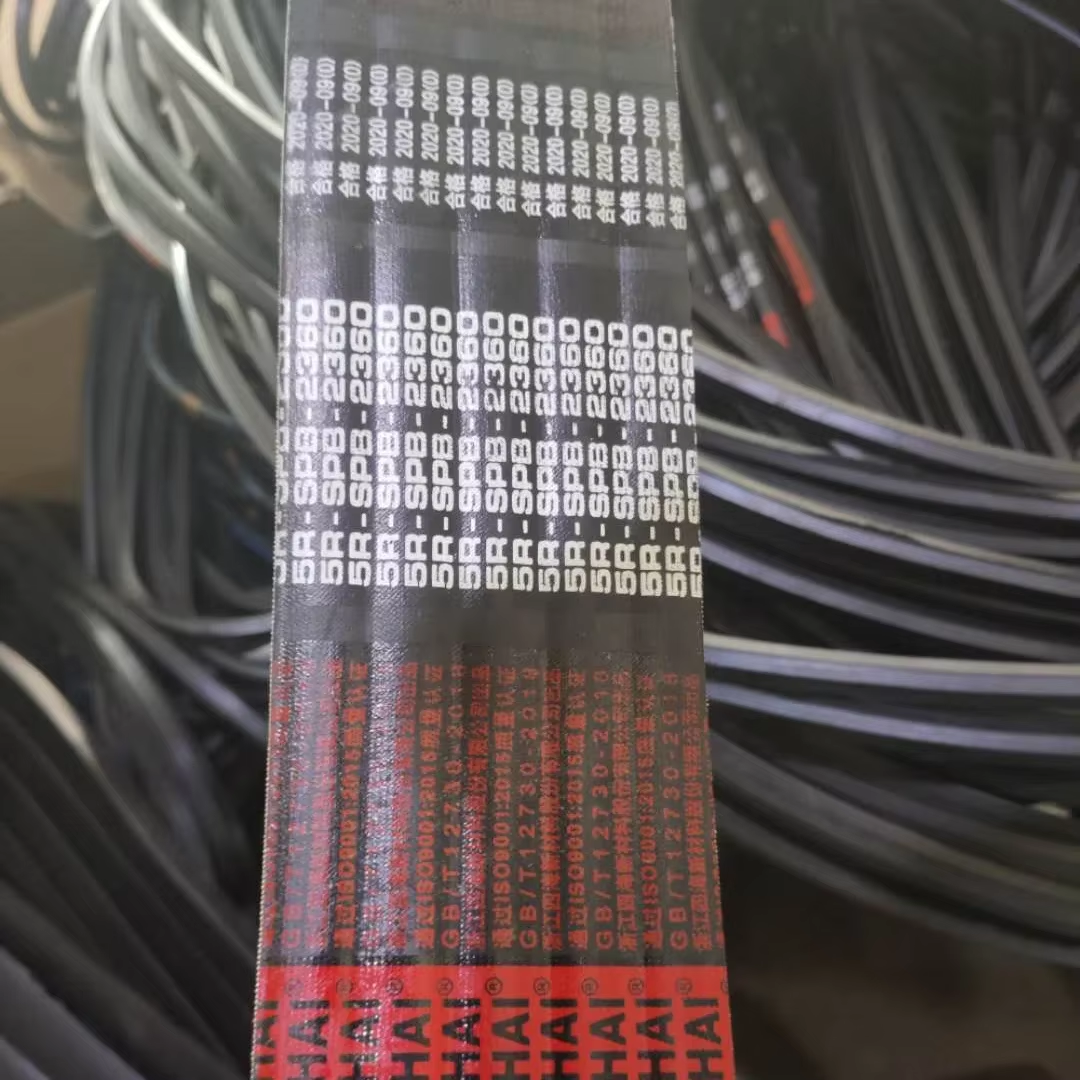
The automotive belt, or "car belt," is a consumable component whose failure can lead to catastrophic engine damage, making material durability and design precision critical. Contemporary belts use thermoset polymers cross-linked with peroxides for thermal stability, and polyester cords treated with resorcinol-formaldehyde-latex (RFL) for adhesion. Design variations include variable speed belts with conical profiles and multi-rib belts with parabolic rib shapes to evenly distribute stress. In application, turbocharged engines impose extreme heat cycles, necessitating belts with silicone-modified compounds that retain elasticity at 150°C. A logistics company operating in mountainous regions found that Kevlar-reinforced V-belts resisted stretching under heavy loads, maintaining alternator output despite elevation changes. For autonomous vehicles, belts with non-magnetic properties prevent interference with sensors, and in agricultural machinery, static-conductive belts dissipate charges from grain processing. Accelerated life testing using dual-axis tensioners simulates decade-long wear in months, ensuring reliability. Those needing belts for unconventional applications—such as drone refueling pumps or mobile medical units—can request feasibility studies. Custom solutions may involve altering cord twist density, incorporating anti-static additives, or adjusting cover friction coefficients for specific pulley materials.