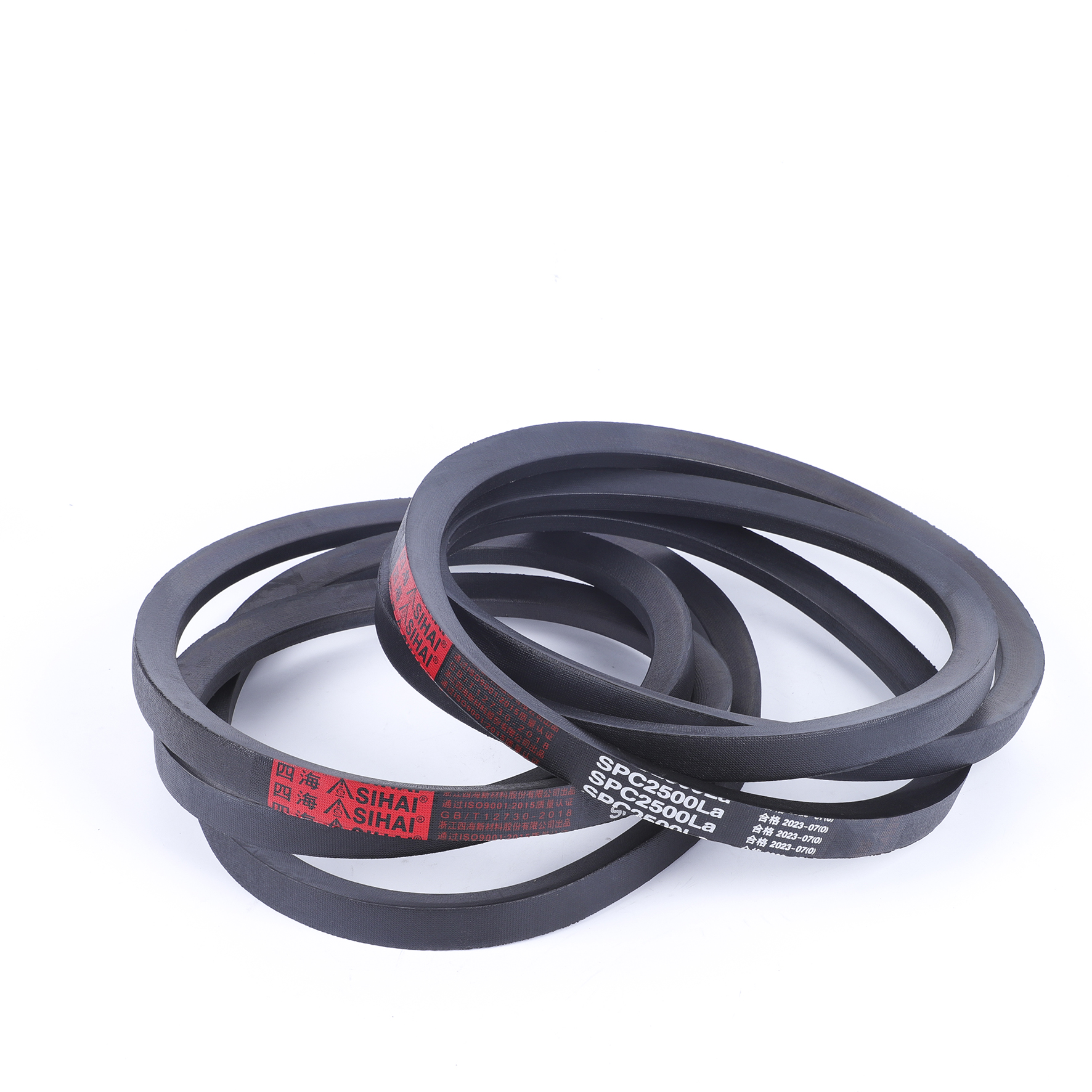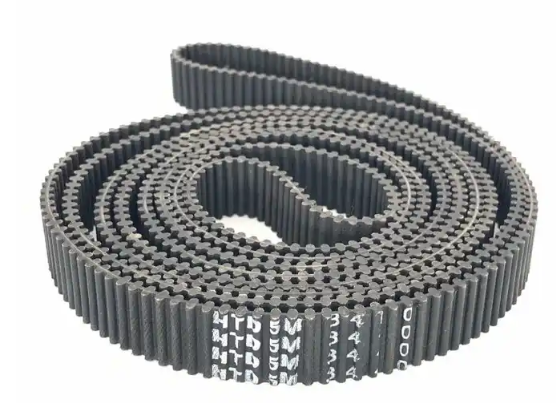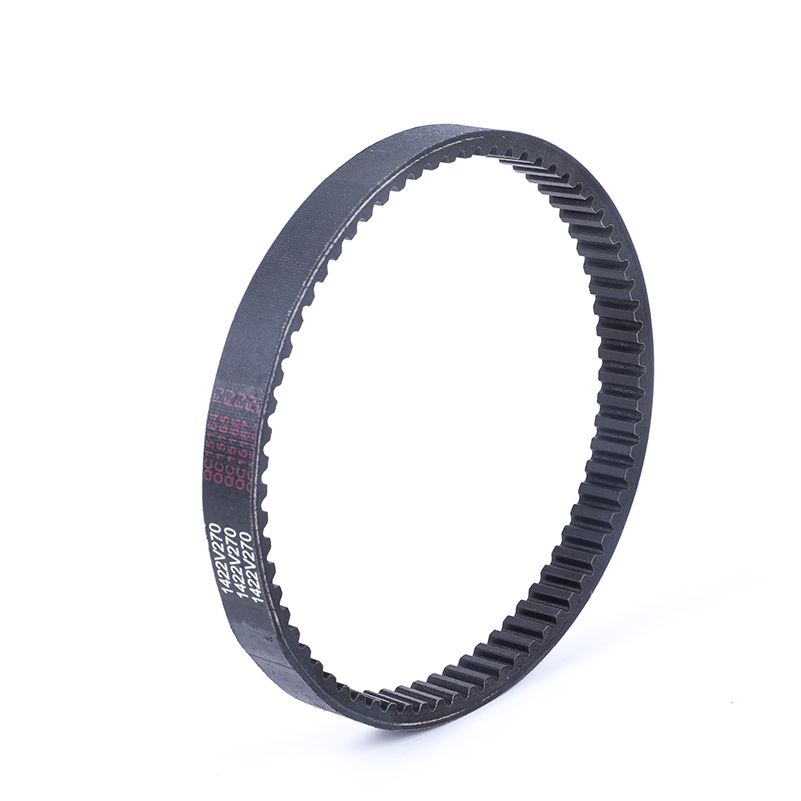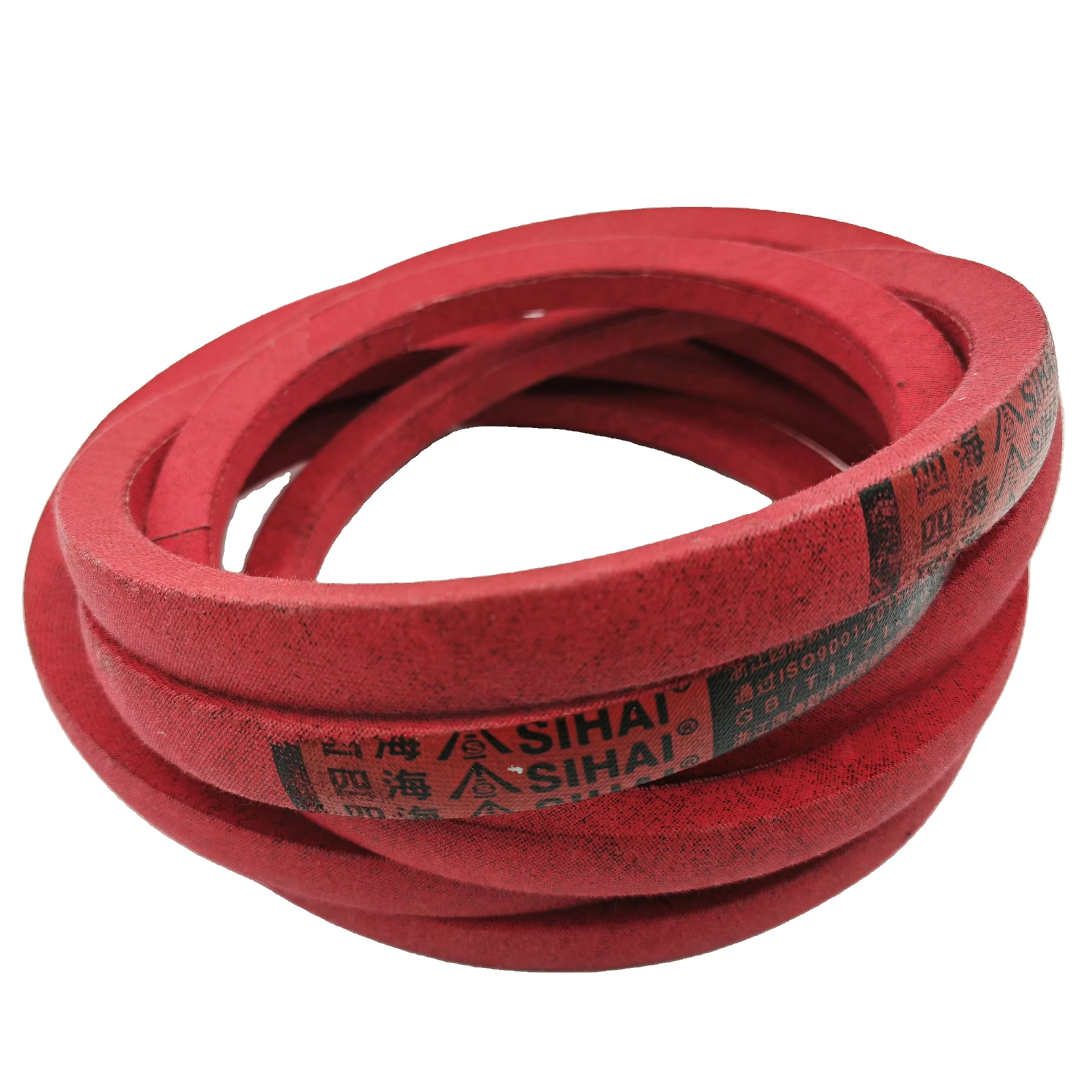
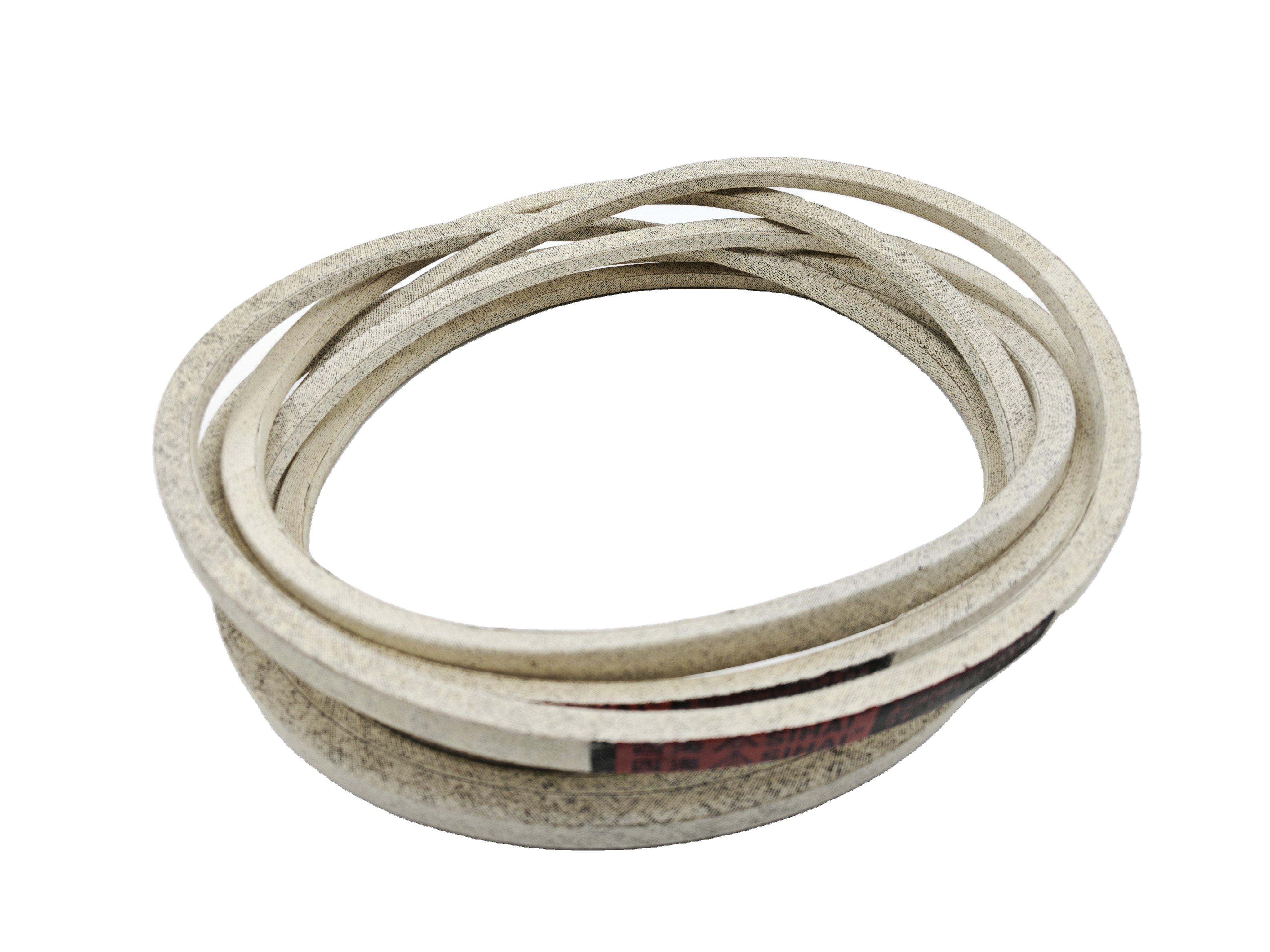
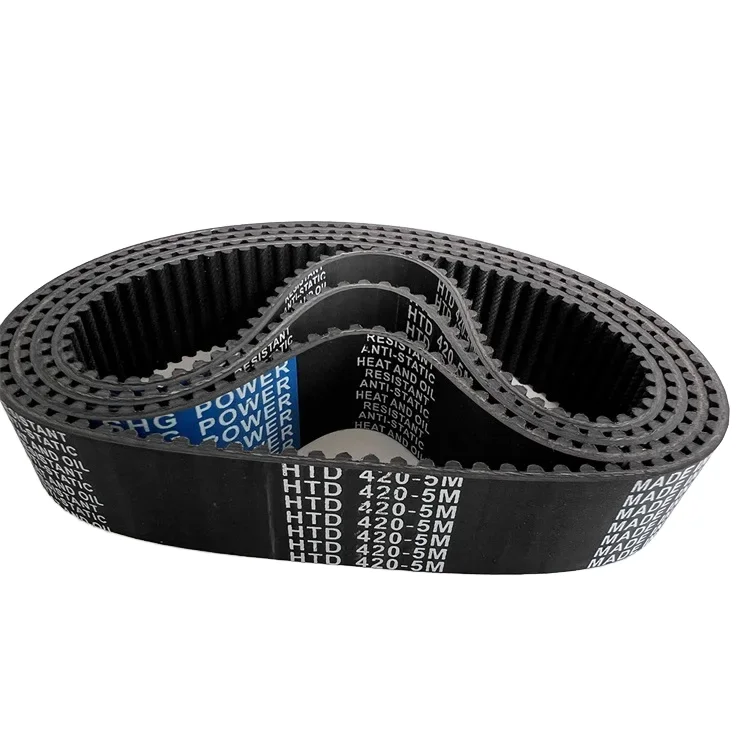
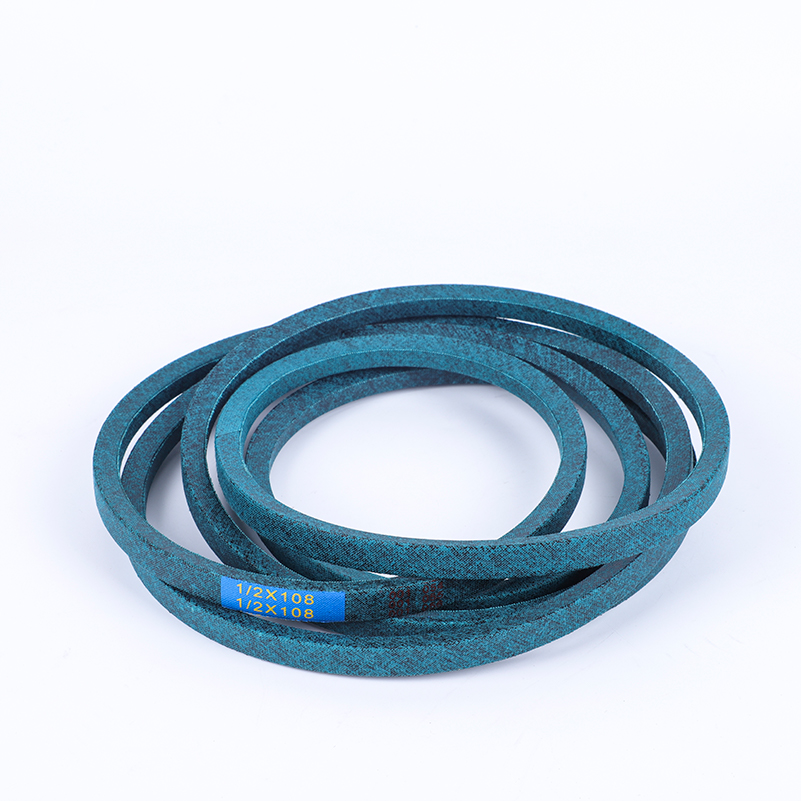
Automotive belts, commonly called "car belts," are vital for driving engine accessories, and their failure can strand vehicles. Advanced formulations include EPDM with carbon black for UV protection and neoprene for oil resistance. Ribbed belts dominate front-engine layouts due to their multi- pulley capability, while V-belts remain in use for industrial conversions. In emergency generator sets, belts must endure continuous operation, with case studies showing that fiberglass-reinforced belts maintained timing accuracy over 10,000 hours. For racing engines, lightweight belts reduce rotational inertia, and in marine applications, salt-resistant coatings prevent corrosion. Manufacturing processes employ continuous vulcanization for consistency, and robotic cutting ensures rib profile accuracy. Customers seeking belts for unique applications—such as mobile dental clinics or electric aircraft ground support—should provide dimensional and environmental details for tailored proposals. Our R&D team can develop belts with enhanced flame resistance, anti-slip treatments, or compatibility with bio-based lubricants, validated through bench testing and field trials.