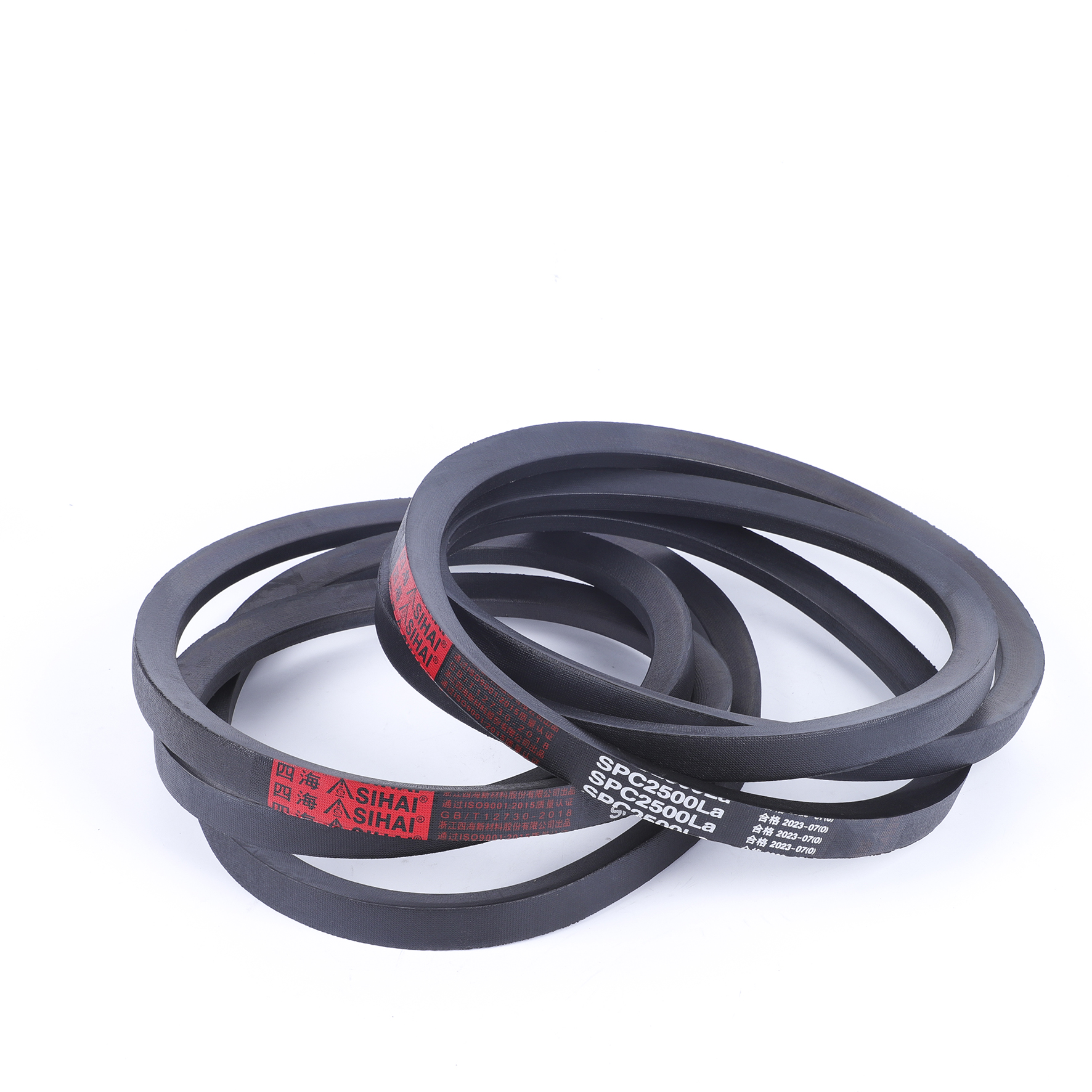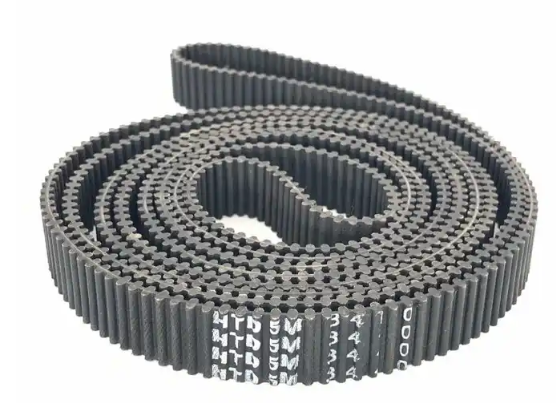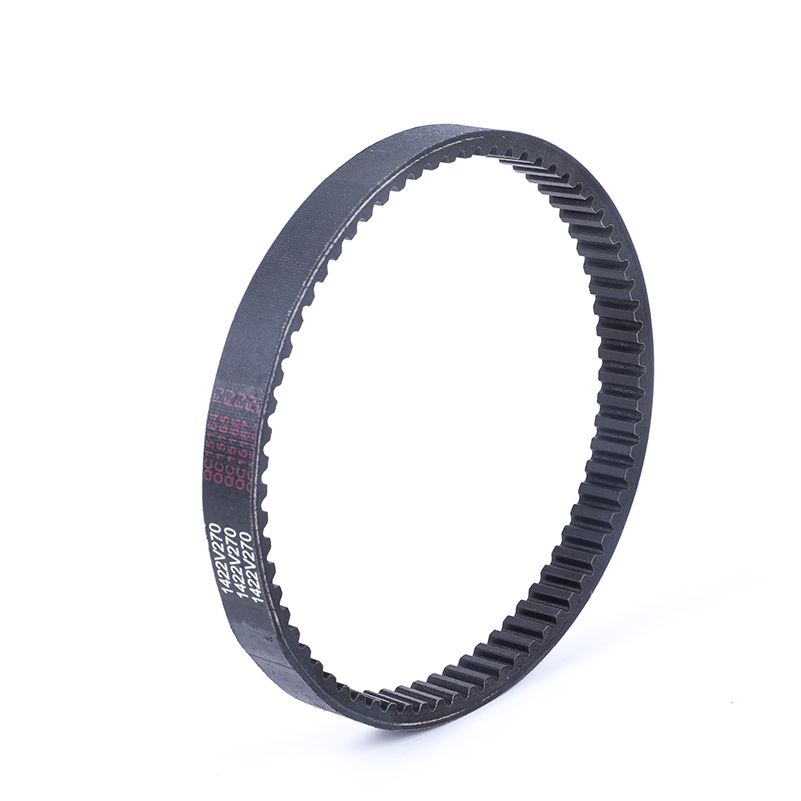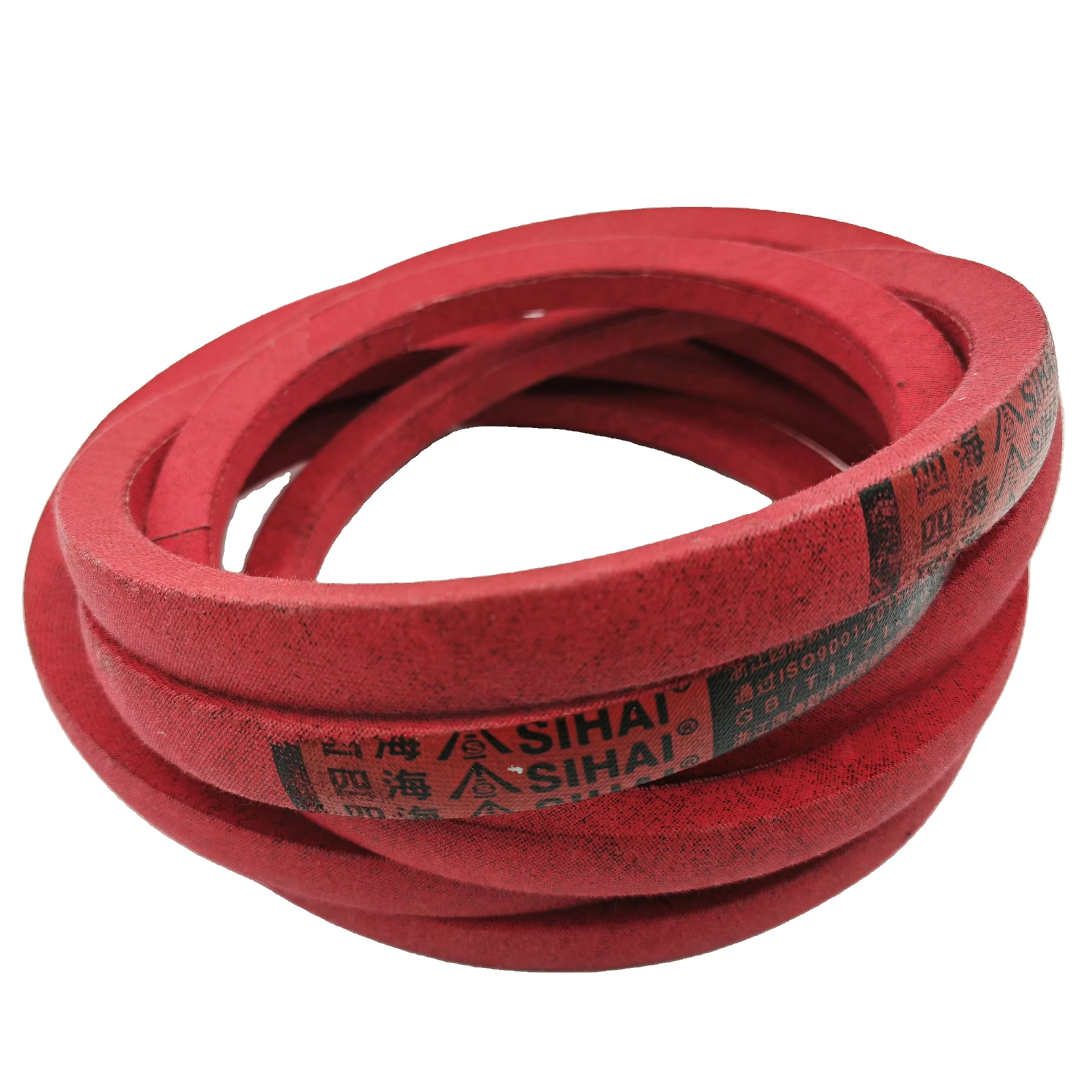
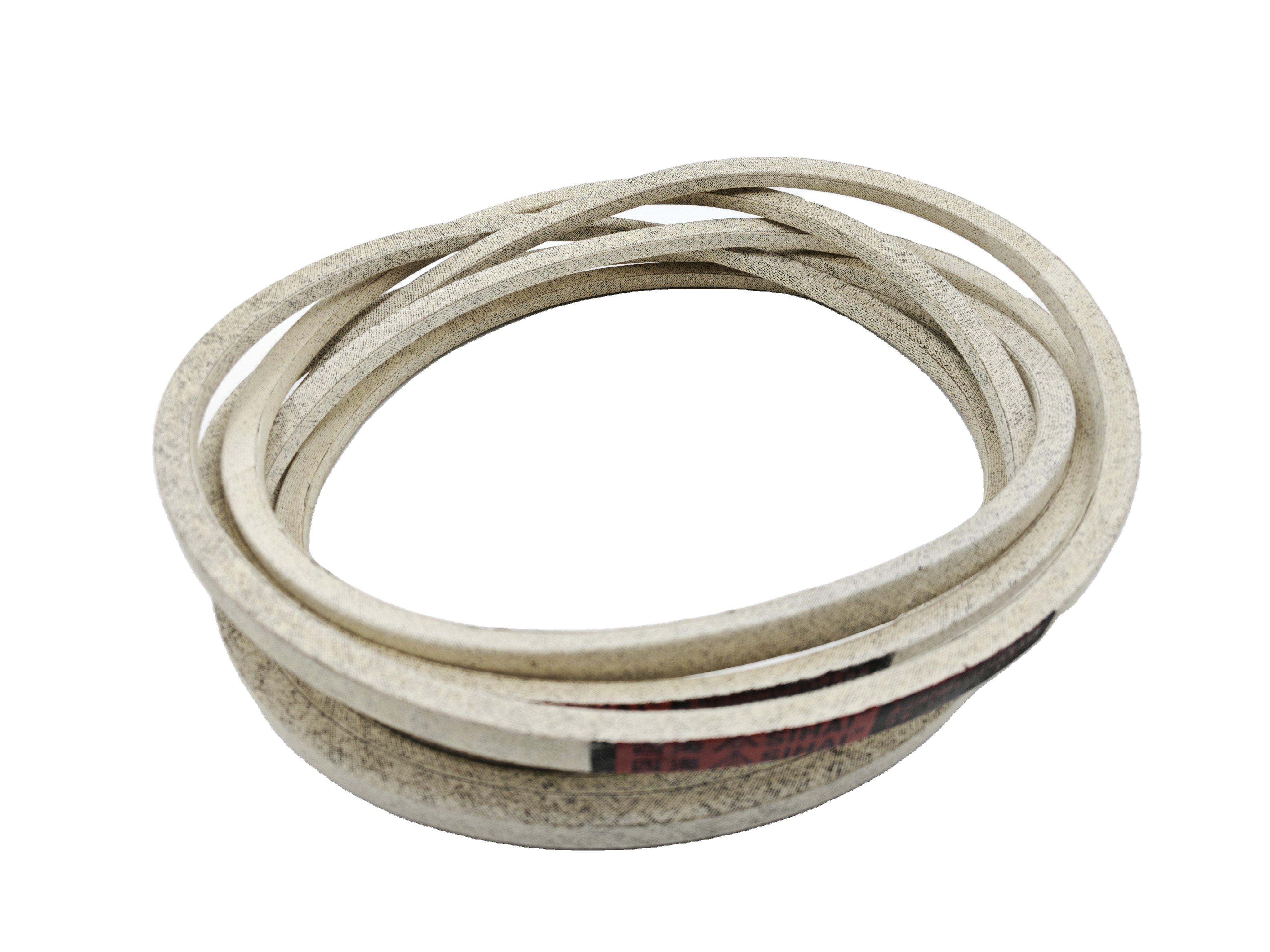
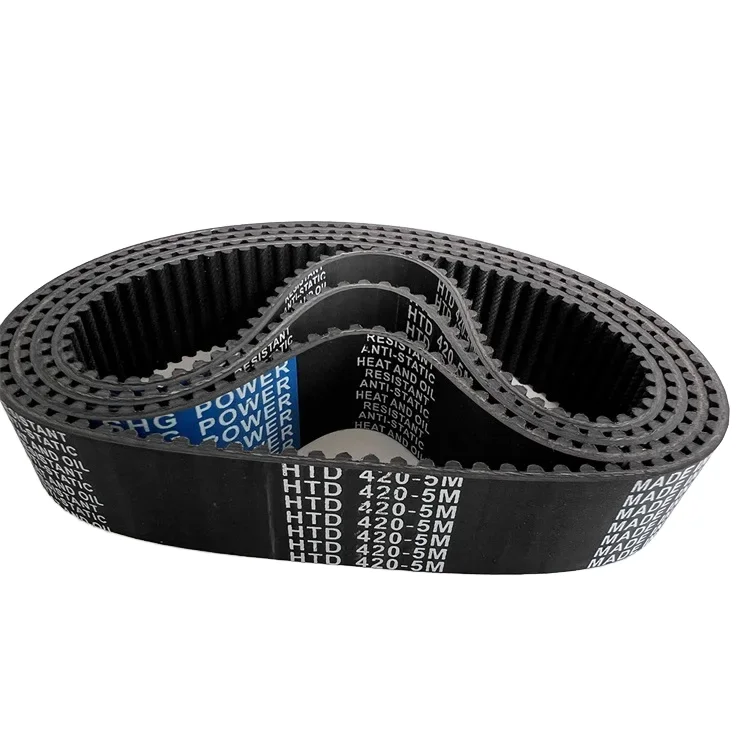
Automotive drive belts, universally known as "car belts," are critical for transferring engine power to ancillary systems. Their construction involves elastomeric compounds optimized for dynamic fatigue resistance, often incorporating silica fillers for tear strength and polyester cord for dimensional stability. Design distinctions include classical V-belts for simple drives and poly-V belts for multi-accessory layouts. In practice, ride-sharing companies prioritize belt longevity to reduce maintenance downtime, with reports indicating that HNBR belts in hybrid fleets lasted 60% longer than standard versions. For off-highway vehicles, deep-groove V-belts prevent mud ingress, while in urban delivery vans, automatic tensioners work with stretch-resistant belts to maintain efficiency. A documented case in postal services showed that cogged belts improved fuel economy by 3% due to reduced bending resistance. Emerging trends include smart belts with RFID tags for inventory tracking and eco-friendly formulations using recycled rubber. Those operating in extreme conditions—such as Arctic exploration vehicles or foundry transport—should consult our technical team for belts with extended temperature tolerances or abrasive covers. Custom solutions address unique pulley materials (e.g., composite or cast iron) and specific noise-vibration-harshness (NVH) requirements.