EN
EN

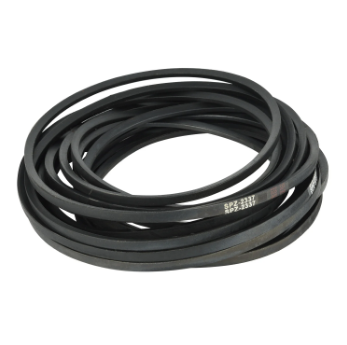
Material Science Behind Long-Lasting Washing Machine Belts
Neoprene, Poly-V, and Aramid-Reinforced Belts: Durability, Heat Resistance, and Tensile Strength Compared
Washing machine belts today are built using specially designed materials that can handle all sorts of tough conditions including strong forces from spinning, repeated heating and cooling cycles, and contact with cleaning chemicals. Neoprene material works pretty well against detergents and handles moderate heat, but it starts breaking down when temperatures go past about 250 degrees Fahrenheit or so, which means it's not great for those long hot wash cycles. Then there are Poly-V belts constructed from EPDM rubber that can take things up to around 300 degrees F. These belts spread out the motor force across several ribs instead of just one spot, which helps prevent slipping and reduces wear in specific areas. At the top end of the market we find aramid reinforced belts. These have special synthetic fibers woven into them that actually make them about 40 percent stronger than regular rubber belts. They don't stretch as much when under pressure either, and they stay aligned properly even during those super fast spins at 1,200 RPM.
| Material | Max Temp Resistance | Tensile Strength | Key Advantage |
|---|---|---|---|
| Neoprene | 250°F (121°C) | Moderate | Chemical resistance |
| Poly-V (EPDM) | 300°F (149°C) | High | Torque distribution |
| Aramid-Reinforced | 400°F (204°C) | Exceptional | Stretch resistance |
Why Premium Rubber Compounds and Fiber Reinforcement Extend Washing Machine Belt Lifespan
High quality EPDM rubber stands up to ozone damage and breaks down much slower in alkaline detergents compared to regular natural rubber, keeping its stretchiness even after thousands of washes. Adding aramid fibers into the mix creates a stronger composite that cuts down on internal friction by around a quarter, which means less heat builds up over time when running continuously. The combination tackles several common problems at once: prevents surfaces from getting glazed from slipping, stops tiny cracks from spreading under repeated stress, and keeps tension levels stable instead of gradually loosening up. What's more, this reinforced material stays dimensionally stable despite changes in humidity, so pulleys maintain good contact without wearing down too quickly. In practice, these upgraded belts tend to last anywhere from 2 to 3 years longer than standard ones in normal home environments.
Operational Conditions That Accelerate or Preserve Washing Machine Belt Life
The operational environment directly dictates how long your washing machine belt lasts. Mechanical, thermal, and chemical stressors interact synergistically—accelerating fatigue when unmanaged, or preserving integrity when controlled.
Load Imbalance, Spin Speed Cycles, and Motor Vibration: Their Measurable Effect on Belt Fatigue
When laundry isn't evenly distributed inside washing machines, it creates wild drum movements that can push belt tension up anywhere from 30% to over half during those fast spinning cycles. Tests have shown that this kind of shaking wears out components much quicker than when everything runs smoothly. Machines constantly going back and forth between standing still and max speed like from zero to 1200 revolutions per minute really takes a toll on the rubber parts because they keep bending and stretching. At the same time, all those sudden bursts of power from the motor put extra strain on the belt's teeth, causing tiny cracks to form long before anyone notices any actual damage happening.
Humidity, Temperature Fluctuations, and Detergent Exposure in Laundry Environments
Chemical and thermal factors compound mechanical wear:
| Factor | Impact on Belt Material | Lifespan Reduction |
|---|---|---|
| Humidity >70% | Hydrolyzes rubber compounds | 40% faster wear |
| Detergent alkalinity | Weakens fiber reinforcement | 35% tensile loss |
| Temperature swings (10°C–60°C) | Causes micro-fissures in neoprene | 25% elasticity decline |
Preservation starts with practical habits: avoid overloading, choose low-alkalinity HE detergents, and ensure adequate ventilation in laundry areas to stabilize ambient humidity and temperature.
Proactive Maintenance to Maximize Washing Machine Belt Service Life
Regular maintenance extends washing machine belt lifespan by 40–60% compared to reactive replacements, according to the Appliance Repair Journal (2024). A disciplined routine prevents unexpected breakdowns, avoids cascading damage to pulleys or motors, and lowers long-term ownership costs.
How to Inspect a Washing Machine Belt: Cracking, Glazing, Elongation, and Tension Loss Signs
Perform visual checks monthly to catch degradation early:
- Cracking: Fine fissures along ribbed surfaces signal polymer breakdown
- Glazing: A shiny, hardened finish indicates friction-induced surface hardening from slippage
- Elongation: Measure against original length; replacement is warranted beyond 3% stretch
- Tension loss: Mid-span deflection exceeding ½ inch under light finger pressure reflects loss of structural integrity
Recommended Replacement Intervals and Complementary Maintenance (Pulley Cleaning, Alignment Checks)
Replace belts every 3–5 years—even without obvious wear—to preempt fatigue-related failure. Pair this with system-level care:
- Pulley cleaning: Remove lint and detergent residue quarterly using dry brushes
- Alignment checks: Confirm parallel pulley orientation within 1 mm tolerance using a straightedge
- Tension verification: Validate deflection monthly per manufacturer specifications
| Maintenance Task | Frequency | Critical Impact |
|---|---|---|
| Visual inspection | Monthly | Early failure detection |
| Pulley cleaning | Quarterly | Prevents slippage damage |
| Full system check | Annually | Validates alignment/tension |
Troubleshooting Belt Failure vs. Other Drive System Issues
Getting things right from the start saves money down the road. When belts go bad, we usually see signs like cracks forming along the edges, frayed sections, or that glazed look where it's worn smooth. These problems come with telltale sounds too - most people hear that annoying squeal during spin cycles, sometimes even when the drum stops spinning altogether. Motors acting up tend to hum instead of spinning, might trip circuit breakers, or give off that burnt smell nobody wants to deal with. Transmission problems are different again, often making grinding noises during washing motions or leaving puddles of fluid under the machine. The latest industry numbers show belts responsible for around 38% of all drive system fixes, while motors and transmissions together take care of about half the rest. Installing a new belt when actually the motor capacitor has given up just throws away between forty to eighty bucks and prolongs fixing whatever's wrong. Start checking from the belt first though. Give it a good look at the tension, how straight it sits, and what condition the surface is in before jumping into replacing pricier parts. Pay attention to those sounds too. Regular squeaking usually means something isn't lined up properly, whereas odd grinding noises often point to bearings wearing out over time. Taking this step-by-step route leads to better repairs that actually solve the problem rather than creating new ones.
FAQ Section
- What materials are commonly used in washing machine belts? Washing machine belts are typically made from neoprene, poly-V (EPDM rubber), and aramid-reinforced materials.
- How can I extend the lifespan of my washing machine belt? You can extend the lifespan by performing regular maintenance, inspecting for signs of wear, avoiding overloading, and using low-alkalinity detergents.
- What are common signs of washing machine belt failure? Common signs include cracking, glazing, elongation, and tension loss, as well as noises like squealing during spin cycles.