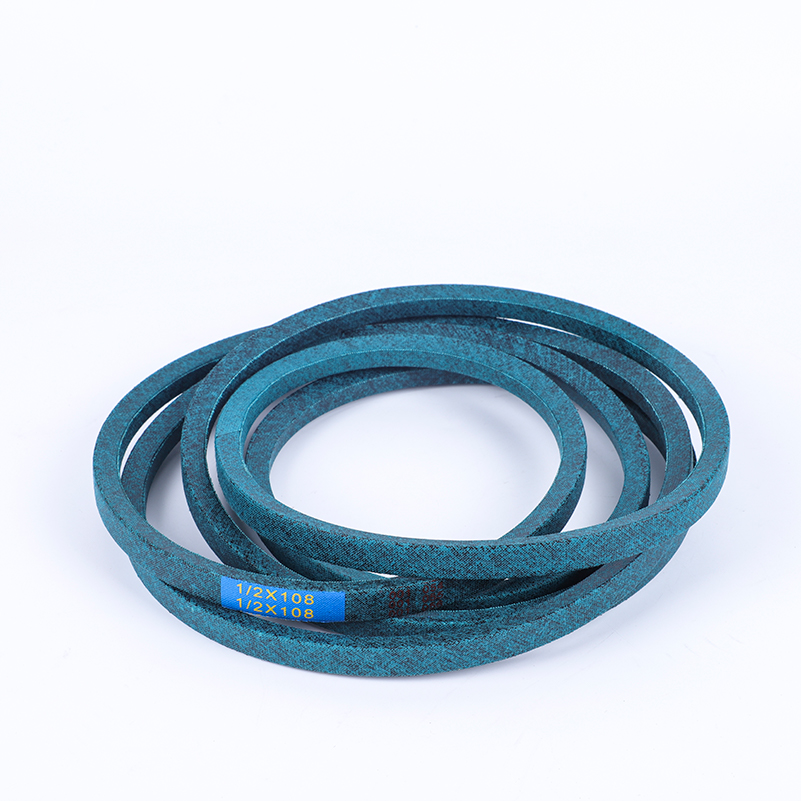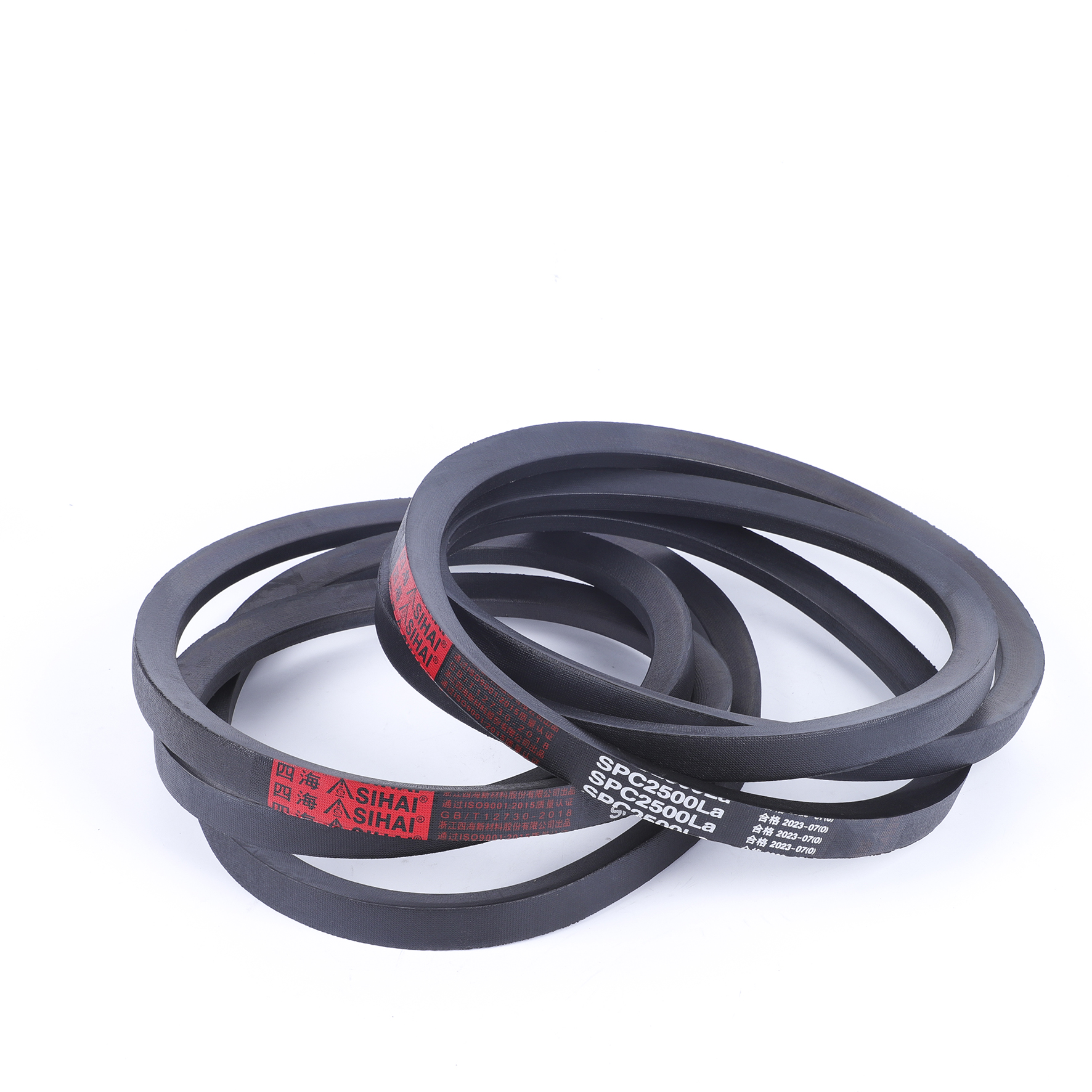
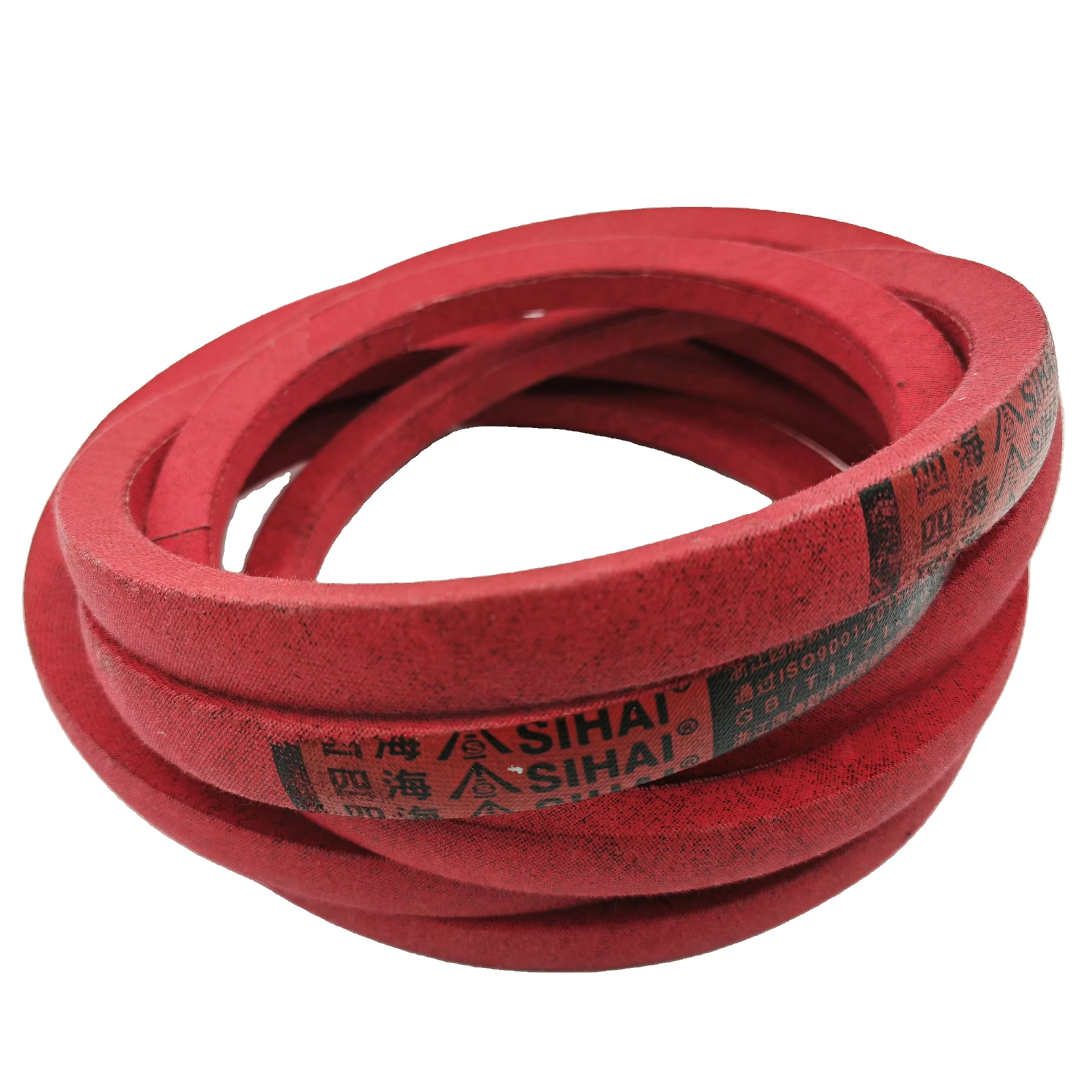
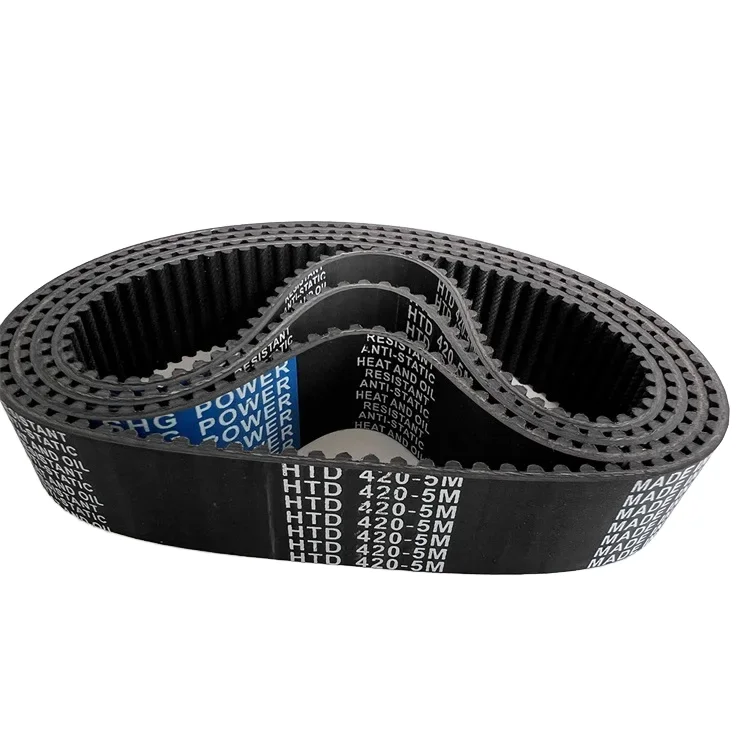
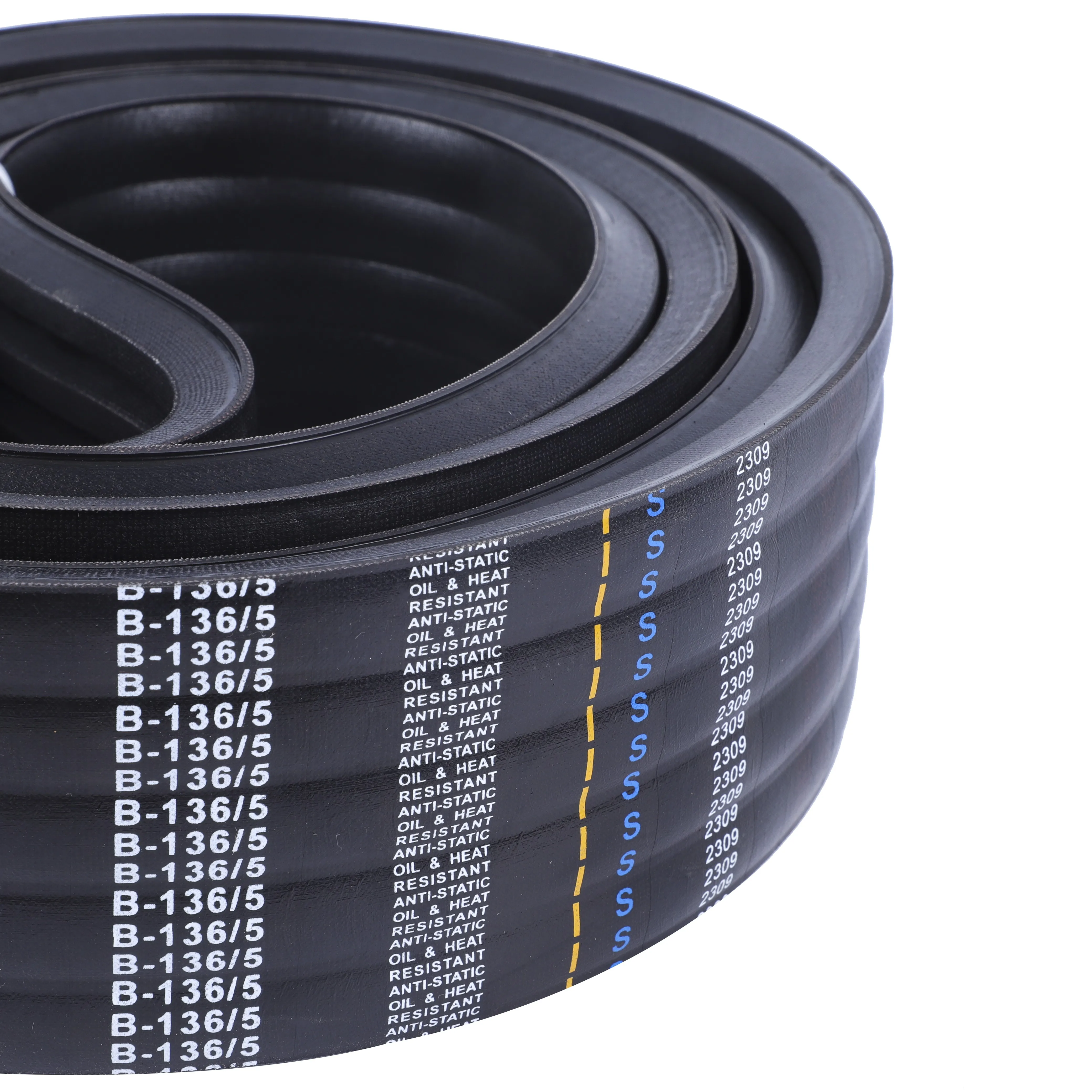
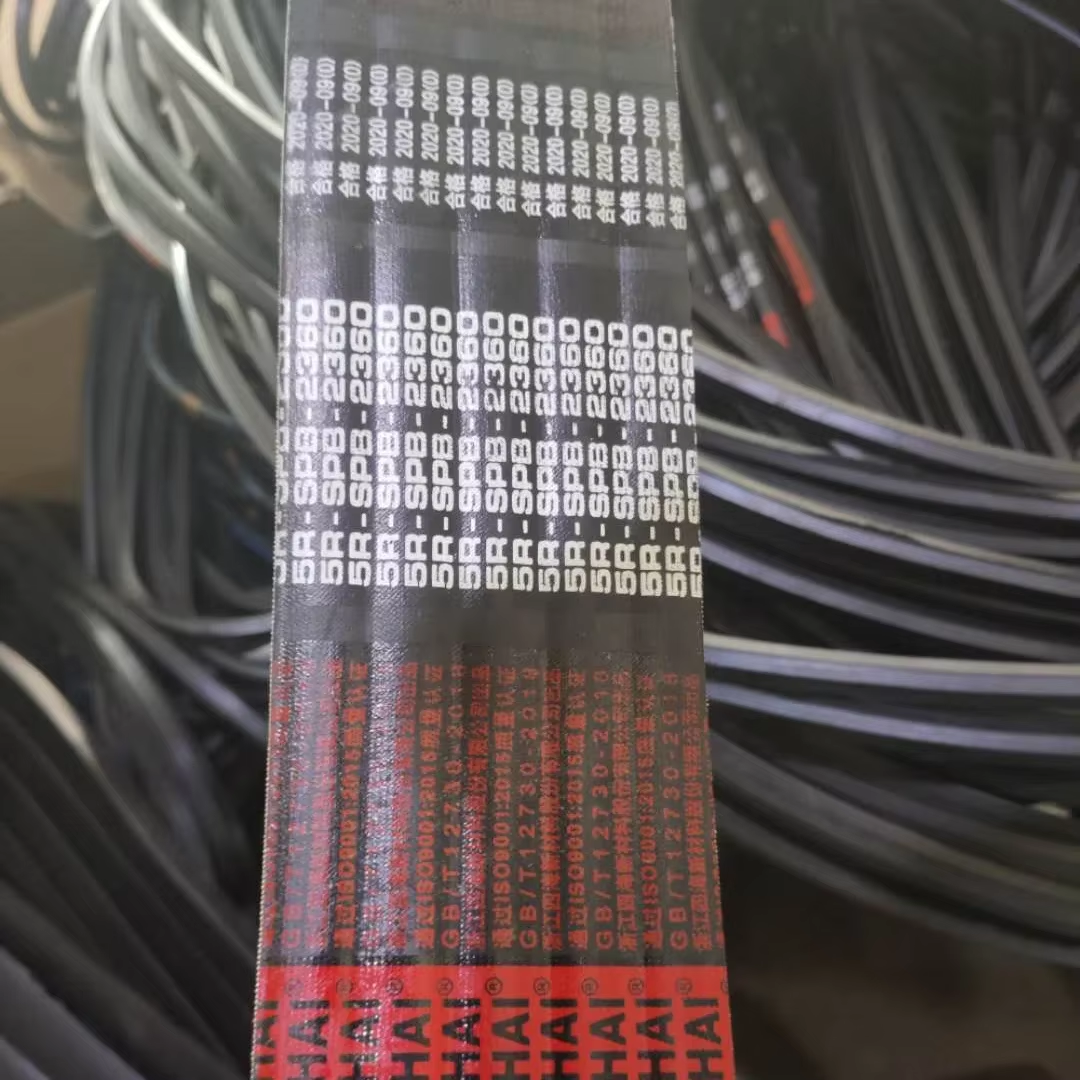
The term "car belt" broadly refers to power transmission belts designed for automotive auxiliary systems, whose functional integrity directly impacts vehicle safety and efficiency. Material science advancements have led to hybrid compounds blending EPDM with silica fillers, improving resistance to micro-cracking under cyclic bending. Geometrically, V-belts rely on wedge effects for friction, whereas serpentine belts utilize distributed rib load-bearing to reduce stress concentrations. In practice, automotive workshops prioritize belt inspections during routine maintenance, as cracks, glazing, or fraying can indicate impending failure. A case study from a European taxi operator revealed that adopting notched V-belts increased mileage between replacements by 20,000 km due to better heat dissipation from pulley contact areas. For racing applications, lightweight aramid-reinforced belts withstand RPMs exceeding 10,000, while in electric buses, ribbed belts drive air compressors for braking systems with minimal noise emission. Environmental considerations drive development of halogen-free rubber formulations to meet RoHS directives. Diagnostic tools like acoustic cameras identify belt squeal sources, leading to design refinements in rib pitch geometry. Customers operating in specialized sectors—e.g., military vehicles requiring EMI-shielded belts or forestry machinery needing oil-resistant profiles—can contact our support team for technical dossiers and failure analysis reports. Prototyping for non-standard pulley diameters or extreme temperature ranges (-50°C to 150°C) is facilitated through our R&D facilities, ensuring performance validation before full-scale production.