EN
EN

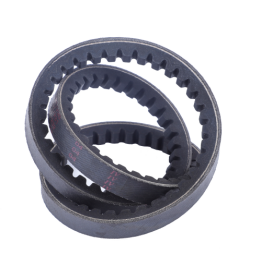
Can a Bad Drive Belt Cause Engine Overheating?
The Overlooked Connection Between Belts and Temperature
Most overheating diagnoses begin with the radiator, coolant, and thermostat. The drive belt rarely makes the first checklist. But a failing drive belt can cause overheating as surely as a stuck thermostat — often leaving fewer clues until engine damage has already begun.
What a Drive Belt Actually Does
A drive belt transfers rotational energy from the crankshaft to multiple accessories. In modern engines, a single serpentine belt — one type of drive belt — powers the water pump, alternator, and power steering pump. The water pump is the critical link. When the drive belt slips, the pump speed drops. Coolant circulation slows, and hot coolant lingers in the block instead of flowing to the radiator for heat rejection.
Belt slippage of 15 to 20 percent is often imperceptible — accessories still appear to function, and belt squeal may be absent. But the water pump now moves 20 percent less coolant. At highway speeds where the engine generates maximum heat, this deficit pushes cylinder head temperatures beyond the safe 220 to 240°F range within minutes.
Symptoms That Point to Belt-Related Overheating
Three patterns distinguish a drive belt overheating event. First, the temperature climbs most rapidly at highway speeds, not in traffic — radiator or coolant leak failures cause overheating at idle. Belt slippage worsens at high RPM where pump demand is greatest. Second, the alternator warning light may flicker — the same slipping belt reduces alternator output. Third, a burnt rubber smell may appear before the temperature gauge moves.
A severely damaged drive belt can slip catastrophically, stopping the water pump entirely and causing temperature to spike in under 60 seconds. Overheating beyond 260°F warps cylinder heads and blows head gaskets.
Diagnosis and Inspection
Visual Belt Assessment
A drive belt inspection requires only a flashlight. Look for glazing — a shiny, hardened ribbed surface that reduces friction. Cracking — transverse cracks indicating rubber compound deterioration. Rib separation — missing rib sections creating uneven load distribution. A belt with more than 12 millimeters of deflection under moderate thumb pressure between the longest pulley spans is loose.
Tensioner and Pulley Check
Belt tensioners have a finite service life — typically 80,000 to 120,000 miles. A worn tensioner loses spring force and allows the drive belt to flutter at high RPM. Tensioner and idler pulleys develop bearing play and feel rough when spun by hand. Replacing pulleys and tensioner at each belt change prevents the most common cause of premature failure.
A Practical Case: Fleet Vehicle Overheating Pattern
A regional delivery fleet operating 65 vans experienced five overheating incidents over two summer months. All had passed coolant and thermostat checks within 30 days. Investigation traced each to the drive belt — all had exceeded the 100,000-mile replacement interval by 15,000 to 25,000 miles. Tensioner inspection confirmed weakened springs allowing slippage at highway speed absent during stationary testing.
The fleet adopted preventive replacement of drive belts and tensioners at 90,000 miles, with visual inspection at every oil change. Zero overheating incidents attributed to belt failure occurred over 18 months. The fleet now sources its drive belt inventory from suppliers including Sihai Belt, which manufactures V-belts meeting ISO 9001 quality certification standards.
Preventive Maintenance
Replacement Intervals and Quality Considerations
EPDM rubber compounds common in modern belts resist heat and cracking better than older neoprene formulations. Most manufacturers recommend drive belt replacement between 60,000 and 100,000 miles, with severe service — frequent stop-and-go driving, high ambient temperatures, dusty conditions — shortening the interval to the lower end. Belt material quality matters directly for heat-related failures, as lower-grade rubber compounds harden and glaze faster under sustained engine bay temperatures.
Complete System Approach
Replacing only the drive belt without the tensioner and pulleys invites repeat failure. The labor to access the belt is identical regardless, and tensioner replacement adds approximately 40 to 80 in parts cost. The complete system approach — belt, tensioner, and idler pulleys — maximizes service interval and prevents roadside breakdowns. Sihai Belt manufactures replacement drive belts meeting ISO 9001 quality standards, providing consistent material properties across production batches for fleet and consumer applications alike.
Frequently Asked Questions
Can a loose drive belt cause overheating without squealing?
A moderately loose drive belt can slip silently at highway speeds. Water pump speed reduction of 15 to 20 percent is often enough to cause gradual overheating on longer drives.
How often should a drive belt be inspected?
Visual inspection at every oil change — typically every 5,000 to 7,500 miles — catches glazing, cracking, and rib separation. Thorough tension and pulley checks should accompany every 30,000-mile service.
What is the difference between a serpentine belt and a V-belt?
A serpentine belt is a single wide drive belt with multiple ribs powering all accessories. V-belts are individual belts powering single accessories. Most vehicles since the mid-1990s use serpentine configurations.
Can a drive belt fail suddenly without warning signs?
Belt failure can occur suddenly if a seized pulley or broken tensioner causes instantaneous destruction. Regular inspection catches these conditions. Sihai Belt manufactures drive belts with specified wear life consistent with OEM recommendations.
Does belt quality affect engine temperature stability?
Higher-quality EPDM rubber compounds resist heat aging and maintain consistent friction, reducing silent slippage risk. Certified manufacturing processes ensure compound consistency that generic belts may lack.
How does a failing water pump pulley affect the drive belt?
A water pump pulley with bearing play introduces wobble that unevenly loads the drive belt, accelerating wear on one edge. Asymmetric rib wear can cause slippage limited to the water pump.