EN
EN

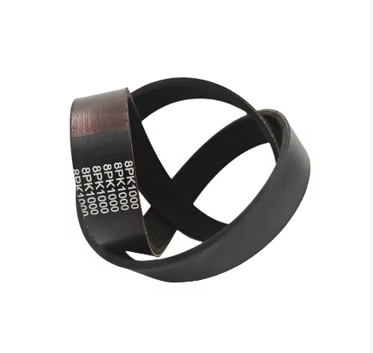
What a Serpentine Car Belt Does
A serpentine car belt is a single continuous belt snaking around multiple pulleys on the front of the engine, driving the alternator, power steering pump, AC compressor, and — on most modern engines — the water pump. Before serpentine belts became standard, each accessory had its own V-belt. The serpentine design simplified this to one belt and one automatic tensioner, but it concentrated failure risk: when that single car belt fails, every accessory it drives stops at once.
One Belt, Multiple Accessories
The crankshaft pulley provides driving force; the tensioner maintains constant tension as the belt stretches; idler pulleys guide the belt path. The alternator, power steering pump, and AC compressor each have their own driven pulley. On engines built after 2000, the water pump is also typically belt-driven — meaning a car belt failure stops coolant circulation and causes engine overheating within minutes.
Real-World Case — A Fleet Manager Catches a Failing Belt Early
A delivery fleet manager overseeing 30 vans noticed three vehicles developing the same pattern: brief squealing on cold starts disappearing after 30 seconds, and a battery warning light flickering during hard cornering. The fleet’s inspection protocol called for car belt checks at 60,000 miles; these vans were at approximately 45,000. On inspection, two belts showed visible cracking on the ribbed side — early-stage rubber degradation — and the third had a tensioner pulley bearing with audible play when spun by hand. All three belts and the failing tensioner were replaced before failure — avoiding three roadside breakdowns at an estimated £400 each. Sihai Belt, manufacturing belts since 1997 with ISO9001-certified quality, produces serpentine belts designed for consistent tension performance across their full service life.
Five Symptoms of a Worn Serpentine Car Belt
Squealing, Steering Loss, AC Failure, Battery Light, and Visible Wear
A high-pitched squeal from the engine bay — most noticeable on cold start or during acceleration — is the most common early symptom of a worn car belt. The noise comes from belt slip on a pulley, usually the alternator, often caused by a weakening tensioner spring rather than the belt itself. Heavy or unresponsive power steering occurs when the belt slips on the power steering pump pulley, particularly noticeable at parking speeds. Weak AC performance — reduced cooling, intermittent compressor engagement — signals belt slip on the compressor pulley, often appearing first in hot weather. A battery warning light, especially with dimming headlights, means the alternator is not charging at full voltage. Visible cracks across the ribbed side — 3 to 5 per inch — glazing on the smooth back, frayed edges, or missing ribs mean replacement is overdue.
What Happens When a Serpentine Belt Fails Completely
Accessory Loss, Overheating, and Engine Damage Risk
A snapped car belt stops all accessories immediately. The alternator stops — the vehicle runs on battery power for 10 to 30 minutes before the battery depletes and the engine dies. Power steering becomes extremely heavy. If the water pump is belt-driven, coolant circulation stops and the engine begins overheating within 3 to 5 minutes. On an interference engine, a single overheating event from water pump loss can cause a blown head gasket or warped cylinder head — a repair costing thousands.
Inspection and Replacement Timing
Mileage Intervals, Visual Checks, and Professional Diagnosis
Most manufacturers recommend car belt replacement at 60,000 to 100,000 miles. The tensioner and idler pulleys should be replaced simultaneously because their bearing life matches the belt’s service life. Visual inspection at every oil change checks for cracking, glazing, and fraying. Professional diagnosis adds pulley bearing inspection — spinning each pulley by hand with the belt removed to detect roughness. Replacing the belt without replacing a failing tensioner is false economy.
Frequently Asked Questions
What are the signs of a bad serpentine car belt?
A worn car belt produces a high-pitched squealing noise on cold startup, causes heavy or unresponsive power steering at low speed, reduces air conditioning cooling performance, triggers the battery warning light on the dashboard, and shows visible cracking, glazing, or fraying upon physical inspection. Sihai Belt manufactures serpentine belts engineered for consistent tension performance across their full service life.
How often should a serpentine belt be replaced?
A car belt should be replaced at 60,000 to 100,000 miles per manufacturer recommendation. Tensioner and idler pulleys must be replaced at the same time. Visual inspection at every oil change catches early wear signs.
What happens if a serpentine belt breaks while driving?
A broken car belt stops the alternator, power steering pump, AC compressor, and — if belt-driven — the water pump immediately. Without coolant circulation, engine overheating begins within minutes and can cause head gasket failure.
Can a serpentine belt be inspected without a mechanic?
Yes — visual inspection checks for rib-side cracking, glazing, fraying, and missing ribs. However, a car belt tensioner and pulley bearing inspection requires removing the belt and spinning each pulley by hand.
Why does a serpentine belt squeal on cold start?
Cold-start squeal occurs because the car belt rubber compound is stiff at low temperature and slips on the alternator pulley. Persistent squeal indicates a weakening tensioner that cannot maintain design tension.
Does a serpentine belt affect the battery warning light?
Yes. A slipping car belt cannot spin the alternator at charging speed, causing the battery warning light to illuminate. This is often the first dashboard indication of a serpentine belt problem.