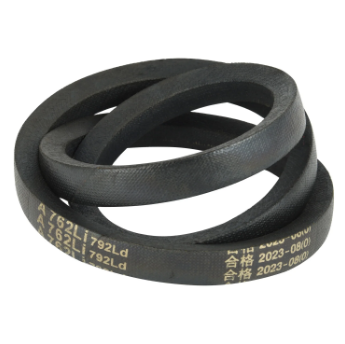
Why Standard V-Belts Waste Energy: Core Loss MechanismsStandard V-belts suffer from inherent design limitations that convert mechanical power into wasted heat. Two primary mechanisms dominate energy loss: internal belt hysteresis during flexing and i...
VIEW MORE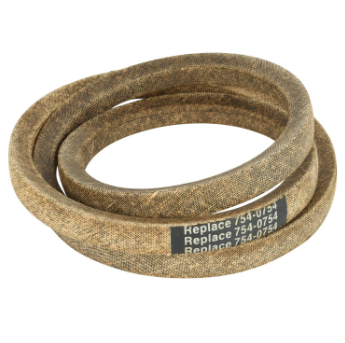
Lawn Mower Belt Sizing, Compatibility, and OEM Part Number Fundamentals Why Precise Belt Dimensions Prevent Costly Returns in B2B Distribution When distributing commercial lawn equipment, small mistakes in belt sizing can cause big problems down the...
VIEW MORE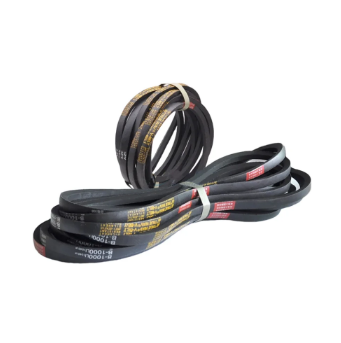
Certified Drive Belt Types for Heavy-Duty, Long-Term Industrial Supply V-Belts (Classical, Narrow, Metric) and BIS Compliance (IS 2494 Parts 1 & 2, IS 14261) V belts come in different types like classical, narrow, and metric versions and they play a...
VIEW MORE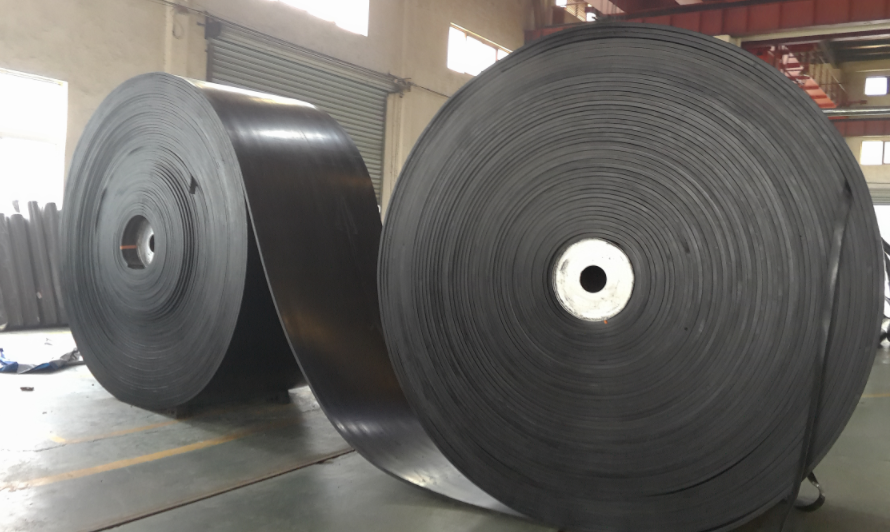
Abrasion-Resistant Conveyor Belt Materials for Coal Handling Why Coal’s Angular Particles and High Impact Accelerate Belt Wear The jagged pieces of coal function as natural abrasives because they have a Mohs hardness rating around 4.5, which a...
VIEW MORE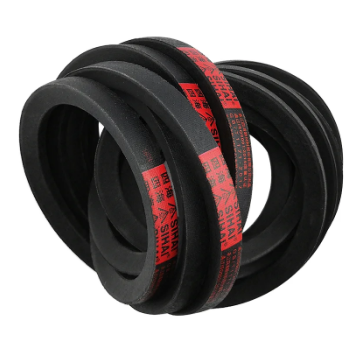
Material Customization for Flat Belt Performance and Compliance Food-grade, heat-resistant, and oil-resistant flat belt materials Choosing the right materials makes all the difference when it comes to meeting regulations and keeping things running s...
VIEW MORE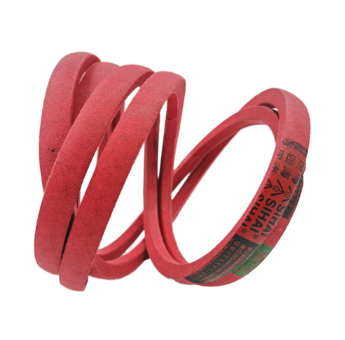
Deck Belt Material Science: Engineering for High-Torque DurabilityAramid and Kevlar reinforcement for superior tensile strength and flex fatigue resistance Deck belts today are made with these fancy synthetic materials such as aramid and Kevlar that ...
VIEW MORE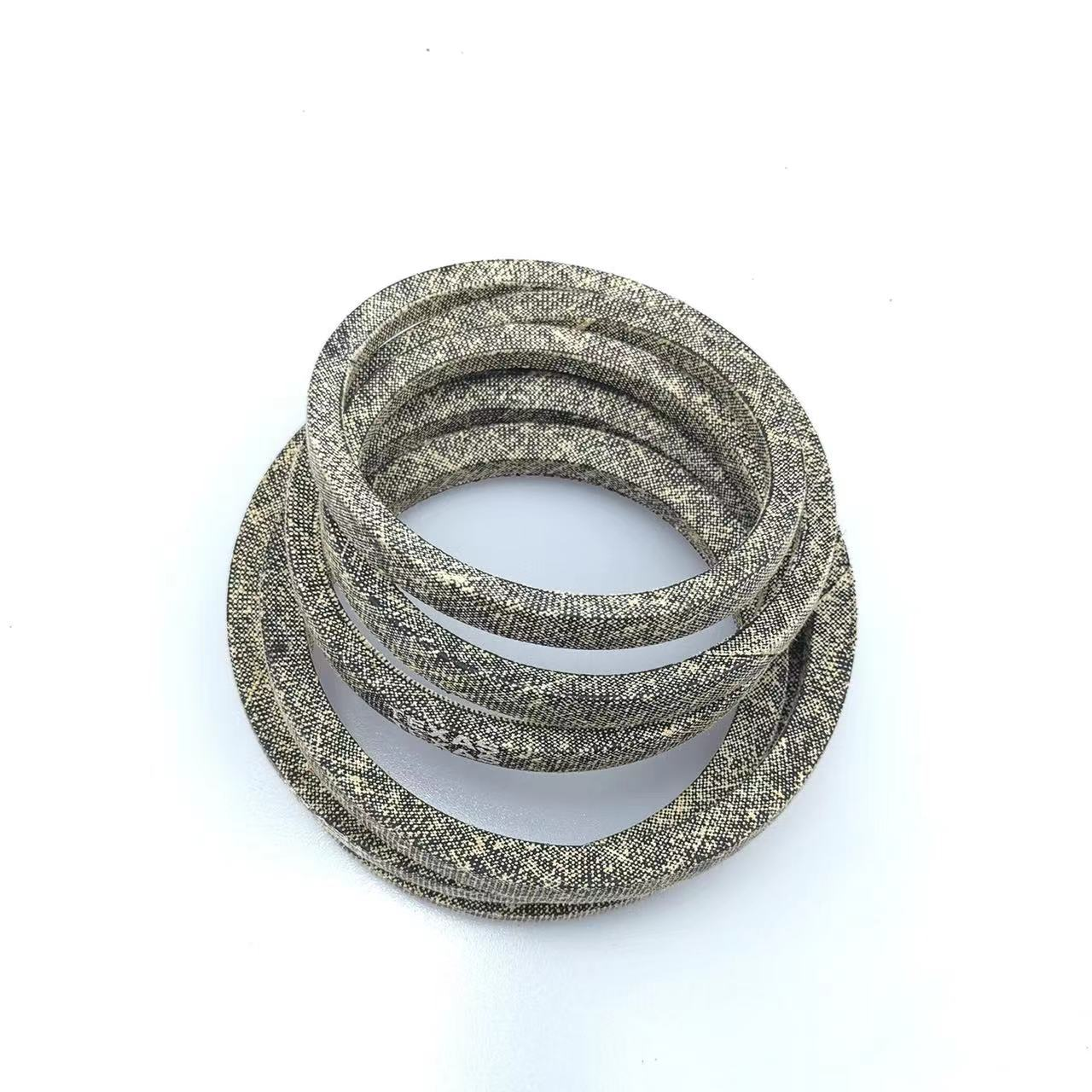
Material Quality and Environmental Resistance in Lawn Mower BeltsAramid Cord (Kevlar) vs. Standard Reinforced Rubber: Tensile Strength and UV ResistanceWhen it comes to belt reinforcement materials, aramid cords like Kevlar offer about three times th...
VIEW MORE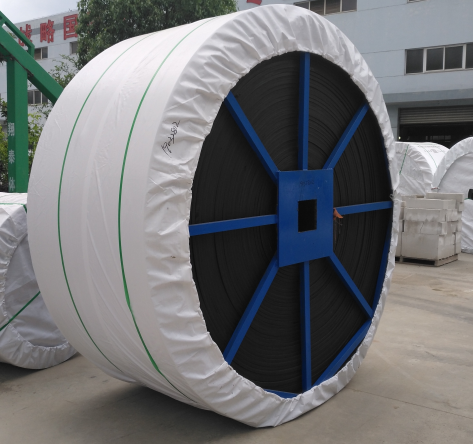
Material Durability and Wear Resistance for Long-Term Conveyor Belt PerformanceIndustrial conveyor belts endure relentless stress. Material durability directly dictates operational lifespan and cost efficiency. Selecting the right construction preven...
VIEW MORE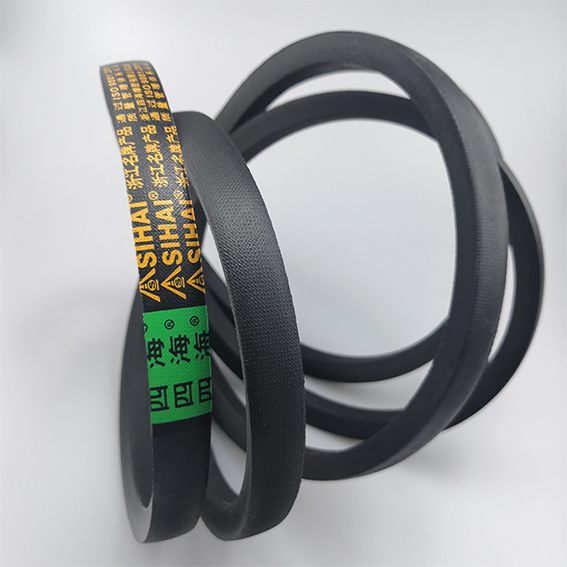
Key Selection Criteria for Flat Belt in Industrial Applications Matching Load Requirements with Flat Belt Strength and Width Getting the right flat belt starts by looking at what kind of workload it needs to handle. When talking about industrial set...
VIEW MORE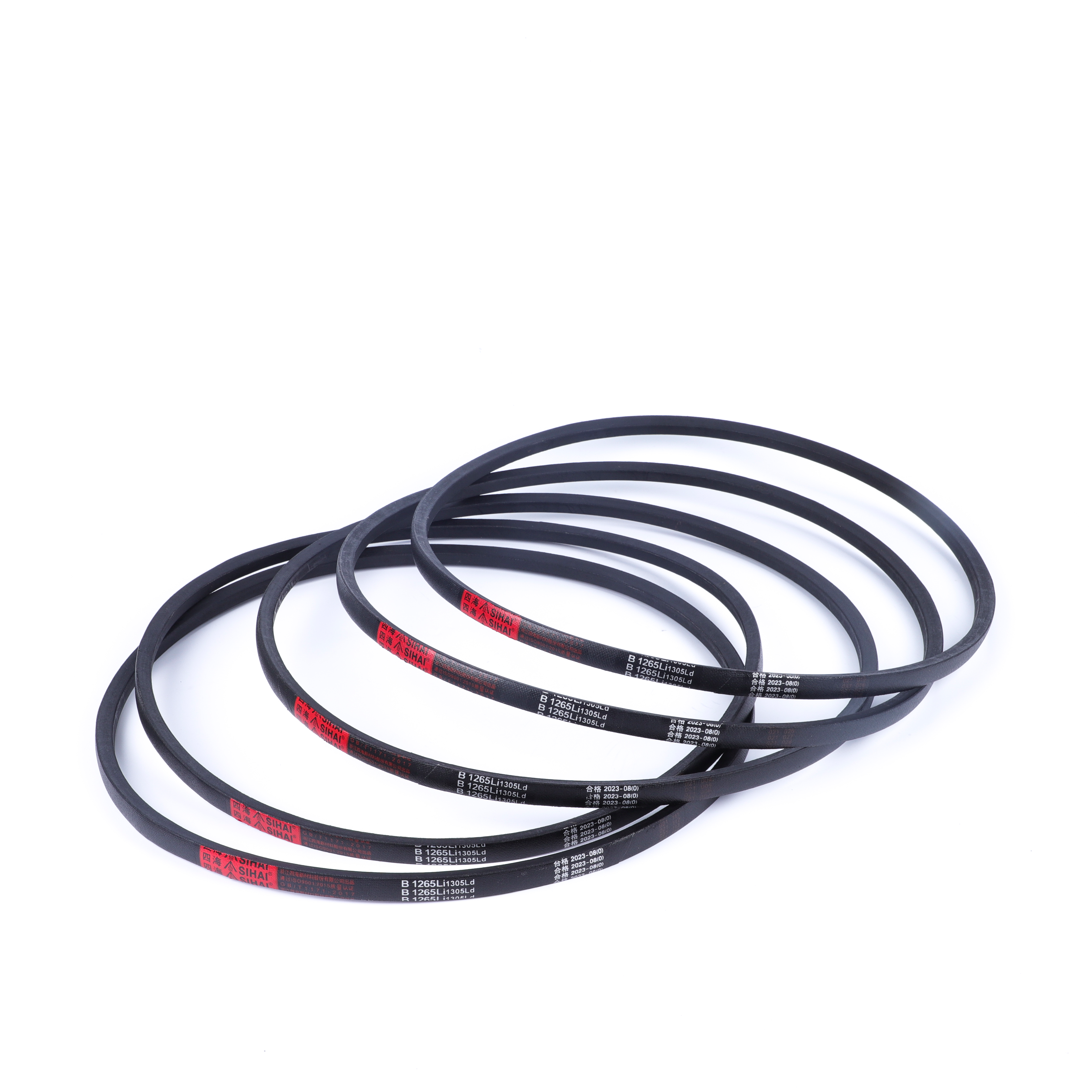
Core Selection Criteria for Washing Machine BeltsLoad, Speed, and Width Requirements Specific to Batch-Style Washing MachinesWashing machines that work in batches place special requirements on their components. The belts need to take on those occasio...
VIEW MORE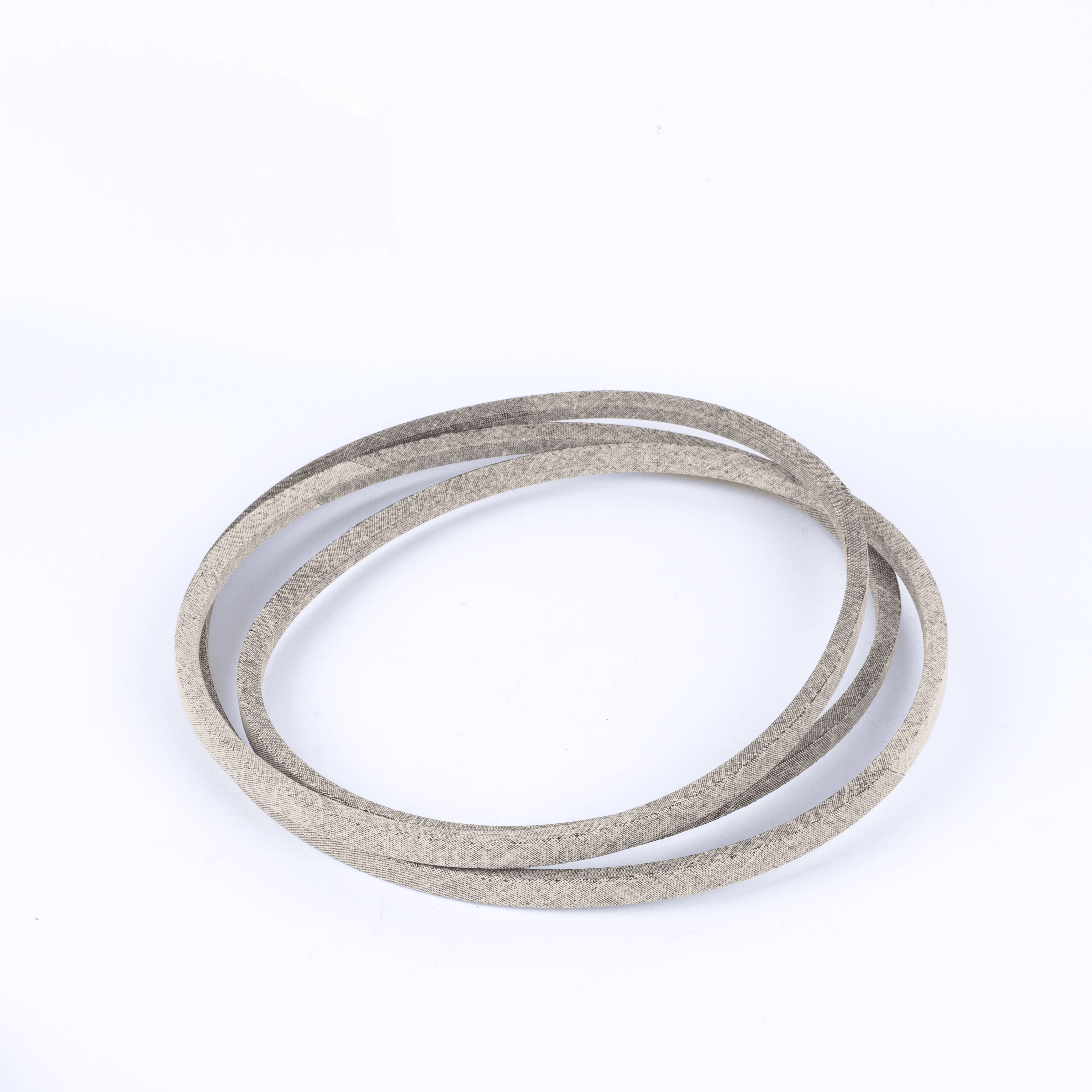
The Deck Belt's Core Function in Riding Mower Performance Power Transfer Mechanics: From Engine to Cutting Blades The deck belt connects the engine to those spinning cutting blades, basically acting as the go-between for all that power transfer thro...
VIEW MORE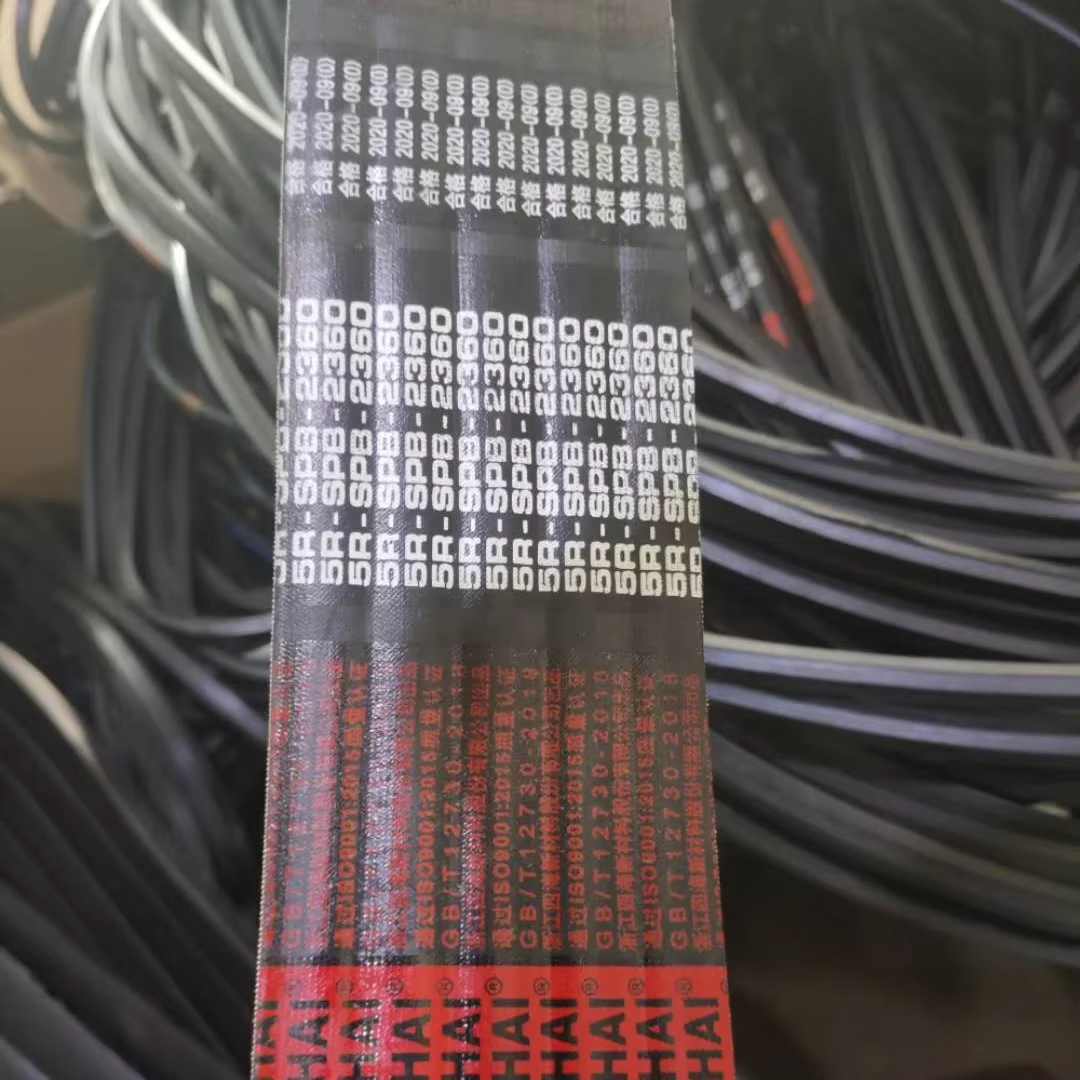
Understanding Washing Machine Belt Types and Their Durability FeaturesV-belts: Design, grip, and torque transmission efficiencyV-belts feature a trapezoidal cross-section that maximizes contact with pulleys, delivering 92–95% torque transmissio...
VIEW MORE
Zhejiang Sihai New Material Co., LTD provides high-quality rubber conveyor belts, transmission belts, and industrial hoses. Our durable, heat-resistant belts are ISO 9001 certified and exported to 30+ countries. Trusted by global industries for reliability and innovation. Request a quote today.
No. 21, Dong'an Road, Hongchou Town, Taizhou, Zhejiang, China
Copyright © 2025 by Zhejiang Sihai New Materials Co., Ltd. Privacy Policy
 EN